
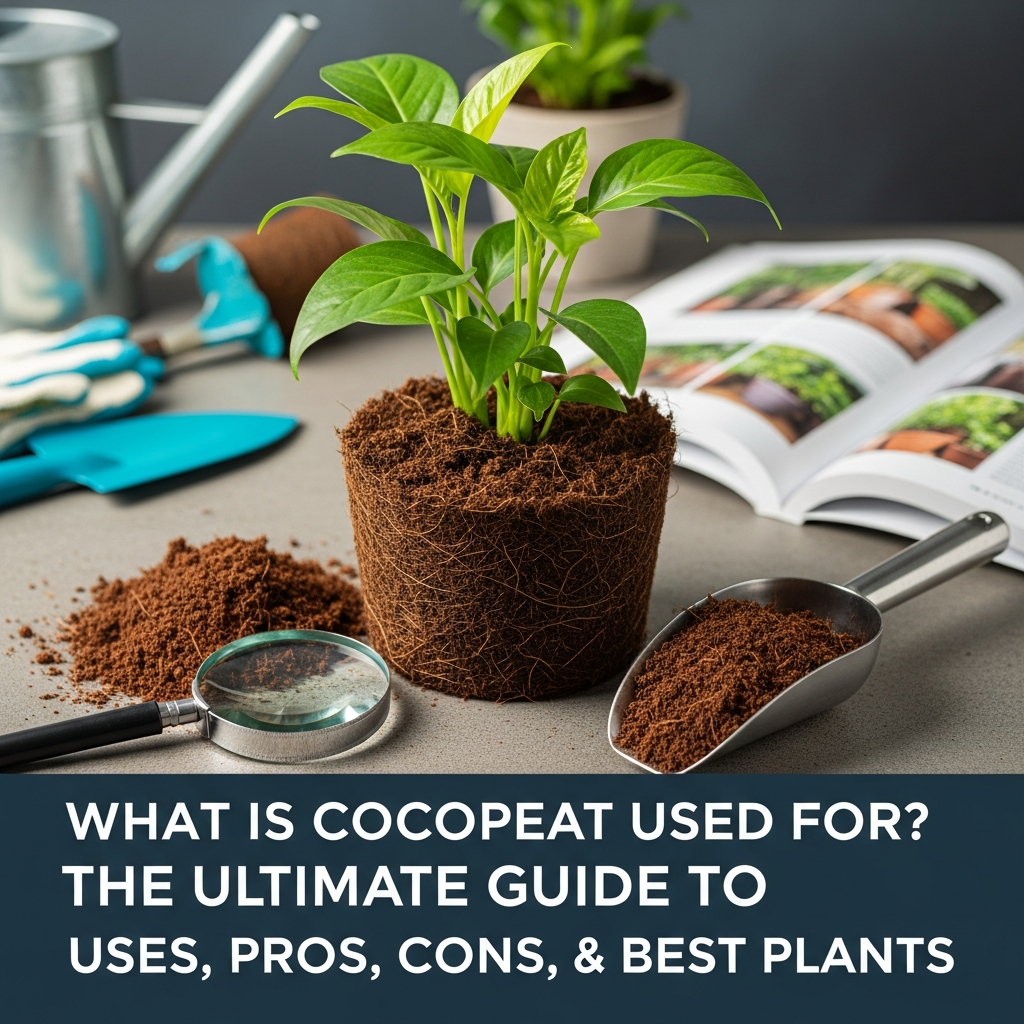
Cocopeat: 7 Proven Uses, Incredible Pros & Cons (2026)
Menggunakan cocopeat as your primary growing medium is a game-changer for modern gardeners facing poor soil conditions. If you are struggling with low germination rates, inconsistent moisture levels, or devastating root rot, this incredible organic substrate might be the exact solution you need to revitalize your garden.
Every year, millions of tons of coconut husks are repurposed into this highly valuable agricultural resource. By transforming agricultural waste into a high-performance growing medium, we not only improve our crop yields but also heavily promote sustainable agricultural practices across the entire globe.
In this comprehensive 2026 guide, we will explore absolutely everything you need to know about this miracle medium. We will answer the pressing question of what this material is used for, outline its incredible benefits, and show you exactly how to utilize cocopeat for explosive, healthy plant growth.
What is it? (Definition): Cocopeat is a 100% natural, eco-friendly growing medium extracted from the fibrous husks of coconuts. It boasts exceptional water retention, excellent aeration, and a neutral pH balance, making it an ideal soil amendment and hydroponic substrate for healthy root development.

What Exactly is Cocopeat? The Science Behind the Substrate
Often referred to as coconut peat or coco coir, this versatile growing medium is manufactured from the pithy, sponge-like material found between the hard inner shell and the outer coat of a coconut. Historically, this organic material was entirely discarded as a useless industrial byproduct.
However, modern horticulturists quickly discovered its unparalleled ability to absorb and retain water. In fact, high-quality agricultural coir can hold up to 10 times its own weight in water while simultaneously maintaining critical air spaces. This unique dual-action capability prevents fragile plant roots from drowning.
The natural pH of this substrate typically ranges between 5.5 and 6.8. This slightly acidic to neutral range is widely considered the sweet spot for maximum nutrient absorption in most plant species. Unlike traditional peat moss, which is highly acidic, this coconut-based alternative rarely requires the addition of agricultural lime.
Furthermore, this substrate possesses a remarkably high Cation Exchange Capacity (CEC). A high CEC means the medium can effectively hold onto essential nutrients and release them directly to the plant roots as needed. This significantly reduces fertilizer runoff and improves overall nutrient efficiency.
Why Washing Cocopeat is Essential
Because coconuts naturally grow in coastal environments, raw coconut husks contain exceptionally high levels of sodium and potassium salts. If these natural salts are not properly removed, they can create a toxic environment that burns young, delicate roots.
Premium manufacturers thoroughly wash and buffer the cocopeat before compressing it into bricks. This critical washing process leaches out the harmful salts, ensuring the final growing medium is completely safe and inert for immediate horticultural use.
What is Cocopeat Used For? 7 Proven Applications
When asking what this versatile material is used for, the answers span across commercial agriculture, home gardening, and even specialized pet care. Let us dive into the seven most proven applications for this incredible peat moss alternative.
1. Advanced Hydroponic Farming Systems
Modern hydroponic farming relies entirely on soilless growing media to support root structures while delivering liquid nutrients. Because the substrate is sterile, inert, and highly absorbent, it has become the absolute gold standard for commercial hydroponic strawberry and tomato growers.
The fibrous texture provides excellent structural support for heavy fruiting plants. Additionally, its natural resistance to bacterial and fungal growth ensures a much healthier root zone environment compared to traditional soil mixes in controlled greenhouse settings.
2. Seed Starting and Germination
Fragile seedlings require a delicate balance of moisture and oxygen to successfully break their dormancy and develop their first true leaves. Heavy, compacted garden soil often suffocates young seeds or promotes devastating damping-off disease.
Using pure coconut coir for seed starting guarantees a light, fluffy texture that delicate taproots can easily penetrate. The consistent moisture retention means you will not have to water your seedling trays as frequently, drastically reducing the risk of fungal infections.

3. Soil Amendment for Heavy Clay or Sandy Soils
Gardeners cursed with heavily compacted clay soil often struggle with poor drainage, waterlogging, and stunted plant growth. Incorporating rehydrated coconut peat into the top six inches of garden beds instantly improves soil friability and essential aeration.
Conversely, if you garden in fast-draining sandy soil, this growing medium acts just like a sponge, capturing water and nutrients before they rapidly leach away. This profound structural improvement fosters a thriving microbiome of beneficial soil bacteria and earthworms.
4. Custom Potting Mix Base
Almost all premium, store-bought potting soils now utilize this coconut byproduct as their primary base ingredient. By mixing it with perlite, vermiculite, and organic compost, you can create a custom, lightweight potting mix tailored specifically to your exact plants.
This DIY approach is significantly more cost-effective than buying expensive pre-mixed bags. You maintain complete control over the nutrient profile, ensuring your indoor houseplants or outdoor container gardens receive exactly what they need to thrive.
5. Mushroom Cultivation Substrate
Mycology enthusiasts and commercial mushroom farmers frequently use a sterilized blend of coconut peat and vermiculite to create highly productive fruiting blocks. The substrate provides the perfect humid microclimate required for mycelium networks to colonize rapidly.
Its natural resistance to competing molds and mildews makes it a safer, more reliable alternative to standard straw or sawdust blocks. This is particularly crucial for cultivating delicate, high-value species like oyster and lion’s mane mushrooms.
6. Reptile and Amphibian Bedding
Beyond traditional horticulture, terrarium enthusiasts frequently utilize this substrate as safe bedding for humidity-loving exotic pets. It is the preferred choice for dart frogs, crested geckos, and burrowing tarantulas.
The organic material naturally controls foul odors, absorbs waste effectively, and maintains the consistently high ambient humidity required to replicate a lush tropical species habitat.
7. Vermiculture and Worm Composting
Worm farming, or vermiculture, requires a consistently damp, breathable bedding material to keep the composting worms healthy and active. This substrate serves as an exceptional carbon-rich bedding choice.
It flawlessly balances the nitrogen-heavy kitchen scraps that are frequently added to the worm bin. Because it resists compaction, the worms can easily tunnel through the bin, accelerating the overall composting process.
Incredible Pros and Cons of Using Cocopeat
While this organic growing medium is overwhelmingly beneficial, it is completely essential to understand both its advantages and its minor limitations before entirely replacing your traditional garden soil.
| Feature / Characteristic | Cocopeat Substrate | Traditional Peat Moss |
|---|---|---|
| Keberlanjutan | 100% renewable agricultural byproduct | Mined from fragile, depleting bog ecosystems |
| Tingkat pH | Neutral to slightly acidic (5.5 – 6.8) | Highly Acidic (3.5 – 4.5), requires lime |
| Water Rewetting | Absorbs water instantly, even when bone dry | Repels water when dry (highly hydrophobic) |
| Kandungan gizi | Requires added calcium and magnesium | Requires complete NPK fertilization |
The most significant advantage is undeniably its environmental sustainability. The harvesting process does not destroy natural wetland habitats, aligning perfectly with recent agronomy studies on growing media that heavily advocate for peat-free gardening.
However, the primary drawback is its naturally high salt content and a documented tendency to lock out calcium and magnesium. Lower-quality blocks are often washed in saltwater during initial production, meaning they must be thoroughly rinsed and buffered before planting.
The Best Plants That Thrive in Cocopeat
While almost any common plant can survive in this medium if properly fertilized, certain specific varieties absolutely thrive in the airy, moisture-rich environment it consistently provides.
Tropical Indoor Houseplants
Rare aroid species such as Monstera deliciosa, trailing Philodendrons, and resilient Pothos naturally grow in the loose, well-aerated organic debris of the jungle floor. A chunky potting mix composed primarily of this coconut byproduct mimics their natural habitat flawlessly.
These tropical plants require their roots to breathe comfortably between watering cycles. The porous, airy nature of the coir completely prevents the suffocating, dense environment that inevitably leads to root rot in cheap commercial soil mixes.
Vegetables and Heavy Feeders
Vining tomatoes, cucumbers, and heavy-bearing bell peppers require massive amounts of water and consistent feeding to produce large, marketable yields. Growing these demanding heavy feeders in pure coir allows for precise nutrient management.

How to Prepare and Use Cocopeat Properly
Buying this robust substrate in compressed bricks is unequivocally the most economical choice for gardeners. However, you cannot simply plant seeds directly into a solid, dry brick. Follow this vital step-by-step process to prepare your growing medium correctly.
- Hidrasi: Place the compressed brick in a large, clean container. Add 4 to 5 gallons of warm water per 5-kilogram block. Allow it to sit undisturbed for 30 minutes as it expands to nearly six times its original size.
- Pencucian: Place the fully expanded material into a fine-mesh strainer or porous fabric pot. Run fresh, clean water through it until the runoff water runs completely clear. This crucial step leaches out excess natural sodium and potassium salts.
- Penyangga (Langkah Penting): Soak the thoroughly washed material in a potent solution of Calcium-Magnesium (Cal-Mag) supplement for 8 to 12 hours. This process perfectly satisfies the cation exchange sites, ensuring the cocopeat does not steal calcium from your plant’s fertilizer later on.
- Percampuran: Drain away the excess Cal-Mag solution entirely, and then dynamically mix the buffered material with perlite or coarse vermiculite to create your ultimate final potting mix.
Sustainable Synergies in Modern Agriculture
The global agricultural industry is rapidly and decisively shifting toward integrated, zero-waste operational solutions. Just as discarded coconut husks are ingeniously repurposed into premium growing media, the massive palm oil industry offers incredibly similar sustainable byproducts.
This closed-loop agricultural philosophy ensures that zero biomass is wasted. Progressive farmers are leveraging these robust organic materials to lower costs and dramatically reduce their overall carbon footprints. Consider these valuable palm-based synergies:
- Livestock Nutrition: High-protein byproducts like Mesin Pengekstrak Inti Sawit and nutrient-dense Tepung Kopra are heavily utilized to formulate premium, cost-effective animal feeds for dairy and beef cattle.
- Energy Generation: Biomass remnants, specifically Cangkang Inti Sawit, are now widely recognized globally as a premium, eco-friendly renewable fuel source for industrial boilers and power plants.
- Advanced Fat Supplements: Specialized dairy operations frequently rely on Garam Kalsium dari Asam Lemak Minyak Sawit to safely bypass the rumen and provide concentrated energy directly to high-yielding dairy cows.
By intelligently combining these remarkable renewable resources—using premium coconut coir for efficient crop cultivation and integrating palm byproducts for clean energy and livestock feed—modern farmers can maximize operational efficiency while deeply respecting the environment.
Makmur Amanah Sejahtera Menyediakan produk-produk kelapa sawit berkualitas tinggi seperti bungkil inti kelapa sawit, cangkang inti kelapa sawit, minyak kelapa sawit mentah, minyak inti kelapa sawit, dll. Silakan hubungi kami melalui WhatsApp. +6282140002198 atau kirim email kepada kami di admin@makmuramanah.co.id.
Pertanyaan yang Sering Diajukan Tentang Cocopeat
Is cocopeat better than regular potting soil?
Yes, for many advanced horticultural applications it vastly outperforms regular soil. It is completely sterile, weed-free, and retains vital moisture significantly better. However, unlike organic soil, it does not contain natural nutrients, so you must supplement with a liquid fertilizer.
Do I definitely need to add fertilizer to it?
Absolutely. This specialized substrate is essentially an inert, blank-slate sponge. It holds water and oxygen perfectly, but you must provide all the essential macronutrients and trace micronutrients through a dedicated hydroponic or water-soluble fertilizer feeding program.
How long does it last before breaking down?
Because it is highly rich in durable natural lignin, it breaks down remarkably slowly. A high-quality washed batch can easily last three to four full years in a container garden before it inevitably begins to compress and lose aeration.
Can it be reused safely after a harvest?
Yes, it can be sustainably reused multiple times. To safely reuse it, you must meticulously remove old root debris, sterilize the medium with boiling water or diluted hydrogen peroxide, and fundamentally re-buffer it with Cal-Mag.
Does it attract annoying pests or fungus gnats?
While it is naturally sterile and far less likely to harbor aggressive pests than traditional compost, chronical overwatering can easily attract fungus gnats. Maintaining proper dry-back periods between routine waterings is your absolute best defense against infestations.

Kesimpulan
Transitioning aggressively away from heavy, compacted garden soils and environmentally damaging peat moss is undeniably one of the most impactful decisions you can make for your garden. As we have thoroughly explored throughout this guide, understanding exactly what this material is capable of unlocks entirely new levels of horticultural success.
Whether you are starting delicate heirloom seeds, mixing custom airy soil for rare aroids, or efficiently managing a massive large-scale hydroponic tomato farm, relying on properly buffered cocopeat ensures your plants continuously receive the optimal balance of root oxygen and hydration.
Stop settling for mediocre plant growth, suffocated roots, and inferior crop yields. Embrace the bright future of sustainable agriculture, follow expert horticultural recommendations, and start systematically incorporating this incredible coconut-based growing medium into your daily gardening routine right now.
 Indonesian
  English
  Chinese
  Arabic