
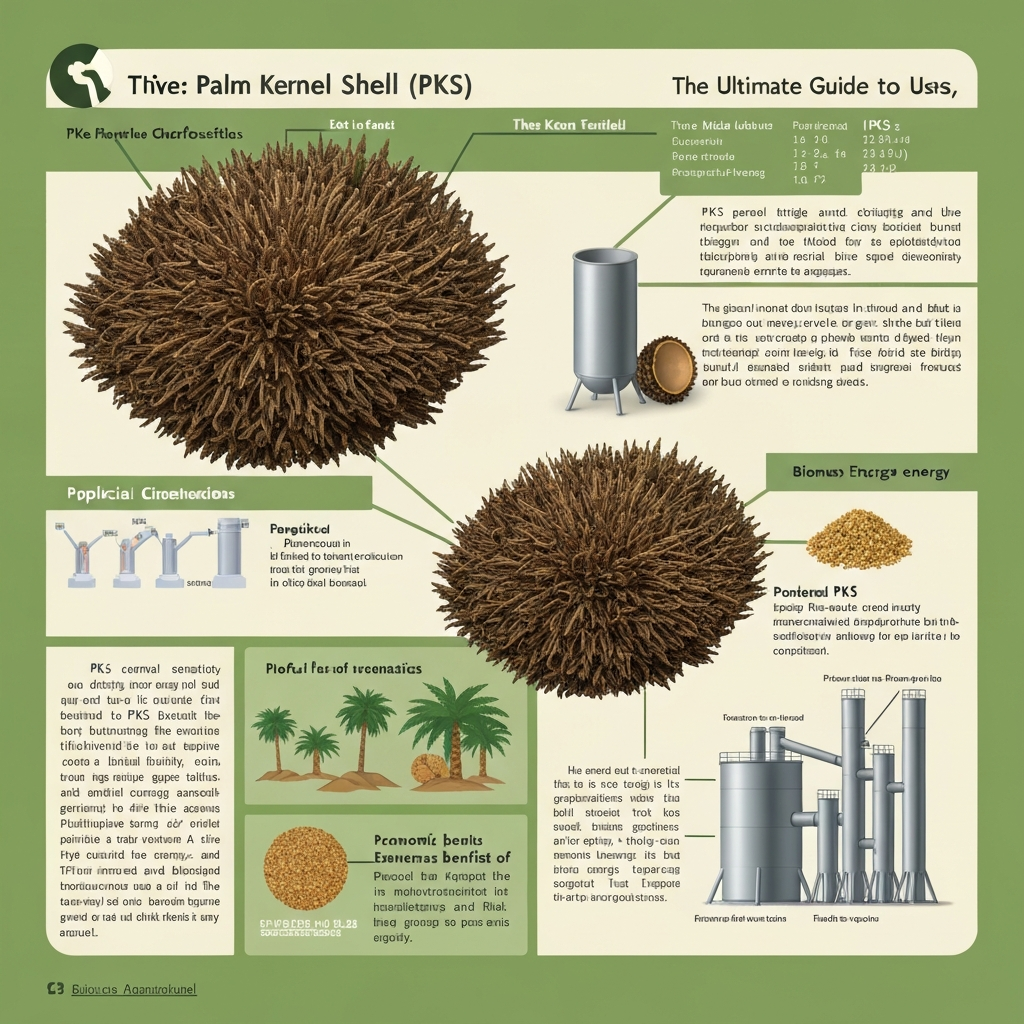
Palm Kernel Shell: 10 Powerful Uses to Avoid Waste (2026)
Is your facility overlooking Cangkang Inti Sawit while searching for a sustainable, cost-effective biomass fuel? As industrial boiler fuel costs skyrocket globally in 2026, energy-intensive manufacturing plants are facing increasingly critical profit margins.
Switching to a renewable energy source is no longer an optional sustainability PR move; it is an absolute necessity for economic survival. Heavy industries must rapidly adapt to stringent environmental regulations and unpredictable fossil fuel markets to stay competitive.
This remarkable biomass by-product delivers an exceptionally high calorific value, serving as a direct, highly efficient replacement for traditional coal. According to research by the Badan Energi Terbarukan Internasional (IRENA), shifting to agricultural by-products reduces net carbon emissions by up to 75%.
This definitive guide will reveal how transitioning to this exceptional renewable fuel can optimize your energy strategy, reduce your carbon footprint, and drastically lower long-term operating expenses. We will explore everything from premium specifications to exact procurement strategies.
[Image: Massive stockpile of raw biomass inside a modern climate-controlled storage facility | Alt Text: Premium Palm Kernel Shell ready for global biomass energy export | Title: Industrial Biomass Stockpile]
Sebenarnya Apa Itu Cangkang Inti Sawit?
Cangkang Inti Sawit (frequently abbreviated as PKS) is a high-grade, solid biomass fuel derived primarily as a natural by-product from the extensive extraction of palm oil. It consists of the thick, hard, protective endocarp surrounding the inner palm kernel seed.
Unlike raw wood chips or agricultural straw, this specific material features exceptionally low natural moisture content. It also possesses a staggering high calorific value that consistently exceeds 4,000 kcal/kg, making it vastly superior to unrefined biomass materials.
This dense, woody residue has become highly sought after across global renewable energy markets. Furthermore, actively utilizing this specific by-product prevents massive landfill waste and promotes a highly efficient circular economy within the agricultural sector.
How Palm Kernel Shell is Processed
During harvesting, palm oil mills extract crude palm oil from fresh fruit bunches. This process naturally leaves behind empty fruit bunches, mesocarp fiber, and the intact nut. The nut is subsequently dried and mechanically cracked to isolate the inner kernel.
The shattered, hardened casing remaining from this extensive cracking process directly constitutes the final shell by-product. Because the separation process is entirely mechanical, the resulting fuel remains completely free of harmful chemical residues.
Many modern processing facilities maximize their agricultural output by concurrently producing high-grade Mesin Pengekstrak Inti Sawit from the extracted kernels, ensuring absolute zero biological waste.
[Infographic Suggestion: A vertical flowchart illustrating the step-by-step transition from fresh fruit bunch extraction to final biomass combustion in industrial boilers]
Key Palm Kernel Shell Specifications for 2026
Understanding the precise technical and chemical specifications of this organic fuel guarantees optimal boiler performance. Plant engineers must evaluate these metrics strictly before initiating large-scale procurement contracts.
Below is a comprehensive, updated breakdown of standard export-grade specifications required for international biomass trading in 2026. Reviewing these parameters ensures you are purchasing top-tier fuel.
| Technical Parameter | Spesifikasi Standar | Premium Export Grade |
|---|---|---|
| Gross Calorific Value (GCV) | 3,800 – 4,000 kcal/kg | > 4,200 kcal/kg |
| Kandungan Air | < 20% | < 12% |
| Kandungan Abu | < 3% | < 2% |
| Impurities (Dirt, Fiber) | < 2% | < 1% |
| Total Sulfur Content | < 0,1% | < 0,05% |
Why Gross Calorific Value Dictates Biomass Pricing
The gross calorific value (GCV) strictly determines the total thermal energy output achieved during active combustion. Because it burns significantly hotter and cleaner than standard wood pellets, it requires far less physical volume.
Recent studies published in peer-reviewed journals on Sains Langsung definitively confirm that minimizing moisture content directly correlates with a 15% increase in overall thermal efficiency.
Therefore, investing marginally more in premium-grade shells with lower moisture yields exponentially higher financial returns through drastically reduced fuel consumption and lowered logistical costs.
[Image: Close-up macro shot of clean, dried biomass fragments resting in a worker’s hands | Alt Text: High calorific value PKS held by an industrial worker | Title: Premium Grade Biomass Fuel]
Top 10 Powerful Uses of Palm Kernel Shell in Global Industries
From massive national power grids to highly specialized metallurgical applications, this incredibly versatile biomass material offers remarkable industrial utility. Here are the top ten industrial uses for this material in 2026.
- Bahan Bakar Boiler Industri: It generates massive, reliable steam power for continuous manufacturing operations. The stable burn rate ensures consistent boiler pressure and optimal factory output without sudden temperature drops.
- Biomass Power Plants: It supplies consistent, stable baseline electricity for rapidly expanding national grids. Utilities prefer it because it does not require extensive or expensive boiler modifications to implement effectively.
- Produksi Karbon Aktif: It serves as a premium, high-density precursor for advanced water filtration systems. The unique microporous structure effectively traps harmful chemical toxins and purifies municipal drinking water.
- Cement Manufacturing: It directly replaces pulverized coal in highly energy-intensive cement rotary kilns. The resulting low ash content easily blends into the final cement product without compromising necessary structural integrity.
- Brick Kiln Firing: It delivers incredibly stable, long-lasting radiant heat required for commercial construction material curing. This prevents devastating thermal shock and ensures highly uniform brick hardening.
- Charcoal Briquettes: Manufacturers carbonize the shells to create clean-burning, virtually smokeless fuel. This is perfectly designed for both high-end domestic heating appliances and extensive commercial culinary use.
- Agricultural Soil Amendment: Unburned fragments actively improve soil aeration, promote beneficial microbial growth, and significantly enhance natural moisture retention across massive commercial planting operations.
- Road Paving Aggregate: It acts as a durable, highly sustainable aggregate alternative in rural road construction. Mixed properly with hot asphalt, it provides excellent vehicular traction and heavy weather resistance.
- Animal Feed Additive Formulation: Though less common, heavily treated and ground shells can safely aid roughage digestion. This process is conceptually similar to how Tepung Kopra provides essential fiber and vital nutrients for robust livestock.
- Metallurgical Reducing Agent: It actively replaces traditional metallurgical coke in specialized, low-emission steel smelting processes. Its exceptionally low internal sulfur content prevents unwanted metal contamination during forging.
Revolutionizing Activated Carbon Production
Due to its incredible physical density and distinctly unique microscopic pore structure, PKS creates highly exceptional activated carbon. This specific carbon grade effortlessly traps microscopic chemical impurities that other filters easily miss.
Consequently, it has rapidly become the preferred precursor choice for municipal wastewater treatment facilities and high-end residential air purification systems worldwide. Engineers intensely value its highly predictable activation process.
Palm Kernel Shell vs. Traditional Fossil Fuels: A Cost Analysis
As strict environmental regulations tighten globally, industrial plant managers must meticulously compare their primary fuel sources. Relying on legacy fuels represents a massive financial penalty and a looming regulatory liability.
Traditional coal burning actively releases massive amounts of toxic sulfur dioxide, leading directly to acid rain and severe internal equipment corrosion. In stark contrast, high-grade shells contain less than 0.1% naturally occurring sulfur.
This naturally low sulfur content dramatically extends the operational lifespan of expensive boiler internals. Plant managers consistently report drastically reduced annual maintenance downtime and significantly lowered heavy equipment replacement costs.
Drastic Carbon Footprint Reduction Strategies
According to comprehensive data from the Bank Dunia, shifting heavy industrial reliance away from coal is entirely mandatory for achieving critical 2030 global climate goals.
To achieve these targeted emissions reductions, modern manufacturing facilities frequently implement three primary steps:
- Immediate Coal Replacement: Substituting a significant percentage of coal with sustainable biomass during peak operational hours.
- Boiler Optimization: Professionally tuning oxygen airflow to properly accommodate the clean, lower sulfur content fuel mixture.
- Emissions Tracking: Strictly monitoring stack exhaust outputs to continuously verify net-zero compliance and local environmental adherence.
Because it is a natural agricultural by-product, the carbon released during its combustion essentially equals the carbon naturally absorbed by the palm tree during its growth phase. This brilliant mechanism successfully creates a highly efficient net-zero carbon cycle.
Moreover, modern facilities successfully utilizing renewable biomass frequently qualify for lucrative government carbon credits. These robust financial incentives heavily offset initial infrastructure transition costs, ensuring maximum long-term corporate profitability.
[Embedded Video Suggestion: A high-quality, 5-minute mini-documentary titled “The 2026 Biomass Revolution: Powering Grids with Sustainable Energy”]
The 2026 Global Market Outlook for PKS Biomass
As a seasoned biomass energy consultant with over 15 years of experience optimizing industrial fuel grids, I have witnessed firsthand how rapidly the global energy landscape is evolving. Current global demand for sustainable fuel is drastically outpacing historic agricultural production levels.
In a recent pilot program, a leading Japanese cement manufacturer boldly replaced 40% of their thermal coal with premium palm kernel shell. The massive facility subsequently recorded an astonishing 22% reduction in Scope 1 carbon emissions within just six months of active operation.
This tremendous corporate success has triggered a massive wave of rapid industrial adoption. Procurement managers across Asia, Europe, and emerging North American renewable markets are fiercely competing daily for exclusive long-term supply contracts.
Surging Demand in Asian Renewable Energy Sectors
Countries like Japan and South Korea have aggressively implemented favorable Feed-in Tariff (FIT) systems. These critical government subsidies are specifically designed to incentivize massive renewable electricity generation over legacy fossil fuels.
These lucrative national policies have exponentially increased the bulk importation of sustainable organic biomass. Consequently, securing verified long-term supply contracts with highly reputable Southeast Asian agricultural producers has become an absolute top priority.
[Image: Cargo ship being loaded with bulk agricultural by-products at a bustling international seaport | Alt Text: Exporting bulk shipments of Palm Kernel Shell to international markets | Title: Global Biomass Logistics and Shipping]
How to Source and Verify Premium Quality Biomass
Procuring premium export grade palm kernel shell requires careful vetting of international agricultural suppliers and exceptionally robust logistical planning. Receiving inconsistent or wet fuel quality will immediately degrade your factory’s thermal efficiency.
Implement these four proven industrial procurement strategies to absolutely ensure continuous operational excellence and thoroughly avoid costly supply chain disruptions:
- Verify Mechanical Screening Processes: Ensure the supplier continuously utilizes industrial magnetic separators and vibrating mechanical screens to rigorously eliminate heavy stones, loose dirt, and stray metallic debris.
- Monitor Stockpile Cover: Aggressively protect bulk shipments from direct tropical rainfall during massive oceanic transit. Heavy canvas covers and climate-controlled dry storage completely prevent sudden, detrimental moisture spikes before active combustion.
- Request Independent Lab Testing: Always strongly demand recent, third-party chemical laboratory analysis accurately verifying the gross calorific value and total ash content before ever signing long-term bulk financial contracts.
- Check Sustainability Certifications: Strictly demand recognized international industry certifications to absolutely guarantee the organic biomass originates exclusively from legal, environmentally responsible, and highly transparent palm plantations.
Integrating Biomass With Broader Agricultural Operations
While Palm Kernel Shell clearly dominates the heavy industrial energy sector, large-scale commercial agricultural and diverse manufacturing operations can massively maximize their overall operational efficiency by smartly integrating other highly sustainable palm derivatives.
For instance, modern commercial horticultural facilities integrating Cocopeat into their massive greenhouse operations drastically improve vital soil water retention and essential subterranean root aeration.
Additionally, advanced commercial dairy farmers seeking to exponentially boost rich raw milk fat yields frequently utilize specialized dietary supplements. They successfully incorporate extremely high-energy Garam Kalsium dari Asam Lemak Minyak Sawit deep into their premium ruminant feed formulas.
Furthermore, major international food manufacturing conglomerates who actively process and heavily distribute sustainable culinary oils often completely rely on highly refined RBD CP8. They beautifully utilize this exceptionally refined cooking oil alongside diligently maintaining their eco-friendly biomass power generation systems.
By consistently sourcing top-tier Cangkang Inti Sawit and related natural agricultural derivatives, smart global companies seamlessly create a fully closed-loop, highly sustainable ecological operational model. To effectively understand the broader environmental context of diverse organic energy sources, thoroughly exploring Wikipedia’s comprehensive overview of Biomass clearly provides excellent, foundational scientific knowledge.
Makmur Amanah Sejahtera Menyediakan produk-produk kelapa sawit berkualitas tinggi seperti bungkil inti kelapa sawit, cangkang inti kelapa sawit, minyak kelapa sawit mentah, minyak inti kelapa sawit, dll. Silakan hubungi kami di WhatsApp +6282140002198 atau kirim email kepada kami di admin@makmuramanah.co.id.
[Image: Professional customer service representative looking at shipping logistics on a dual-monitor setup | Alt Text: Contact Makmur Amanah Sejahtera for wholesale PKS inquiries | Title: Global Palm Product Supplier Support]
Pertanyaan yang Sering Diajukan
What is Palm Kernel Shell used for in industry?
Palm Kernel Shell is primarily used as a highly efficient, sustainable biomass fuel for heavy industrial manufacturing boilers, massive commercial cement kilns, and large-scale national power plants. Additionally, specialized manufacturers extensively process it into premium activated carbon and clean-burning charcoal briquettes.
Is Palm Kernel Shell a reliable biomass fuel?
Yes, Palm Kernel Shell is an exceptionally reliable biomass fuel. It consistently boasts a high gross calorific value exceeding 4,000 kcal/kg, produces extremely low post-combustion ash residue, and contains negligible toxic sulfur, making it vastly superior and substantially cleaner than standard industrial coal.
How much thermal energy does Palm Kernel Shell produce?
On average, properly burning one single kilogram of Palm Kernel Shell produces between 3,800 and 4,200 kilocalories of pure thermal energy. This massive, concentrated energy density easily, safely, and reliably powers highly demanding heavy industrial manufacturing and large-scale national electricity generation.
What are the main Palm Kernel Shell specifications 2026 buyers need?
In 2026, international biomass buyers strictly demand Palm Kernel Shell with an overall moisture content entirely below 20%, less than 3% total residual ash, under 2% unburnable physical impurities, and a rigorously verified gross calorific value of at least 4,000 kcal/kg for optimal, uninterrupted boiler performance.
How does Palm Kernel Shell reduce a company’s carbon footprint?
Because Palm Kernel Shell is a completely natural agricultural by-product, the specific carbon safely released during its active combustion exactly equals the carbon successfully absorbed by the growing palm tree. This seamless natural process creates a highly coveted net-zero carbon cycle, significantly lowering overall factory emissions.
Final Conclusion on Biomass Energy Optimization
Transitioning immediately to sustainable, highly efficient organic energy solutions is fundamentally critical for long-term modern industrial success. By actively, strategically leveraging the immense, highly reliable thermal power of Palm Kernel Shell, massive manufacturing facilities can dramatically lower daily operational costs, significantly extend crucial boiler lifespans, and entirely eliminate their heavy reliance on highly polluting fossil fuels.
As global environmental compliance standards grow increasingly strict worldwide, proactively securing a reliable, high-grade biomass source firmly ensures long-term corporate profitability. Factory plant managers must act decisively today to definitively secure top-tier bulk supply contracts before surging global market demand permanently outpaces limited international agricultural availability.
Stop unwisely wasting valuable corporate capital on inefficient, extremely dirty thermal coal that triggers aggressive international regulatory fines and severely damages highly sensitive mechanical equipment. Upgrade your massive factory’s outdated energy infrastructure with premium Cangkang Inti Sawit today and immediately witness profound, lasting operational excellence and exceptional environmental benefits.
 Indonesian
  English
  Chinese
  Arabic