
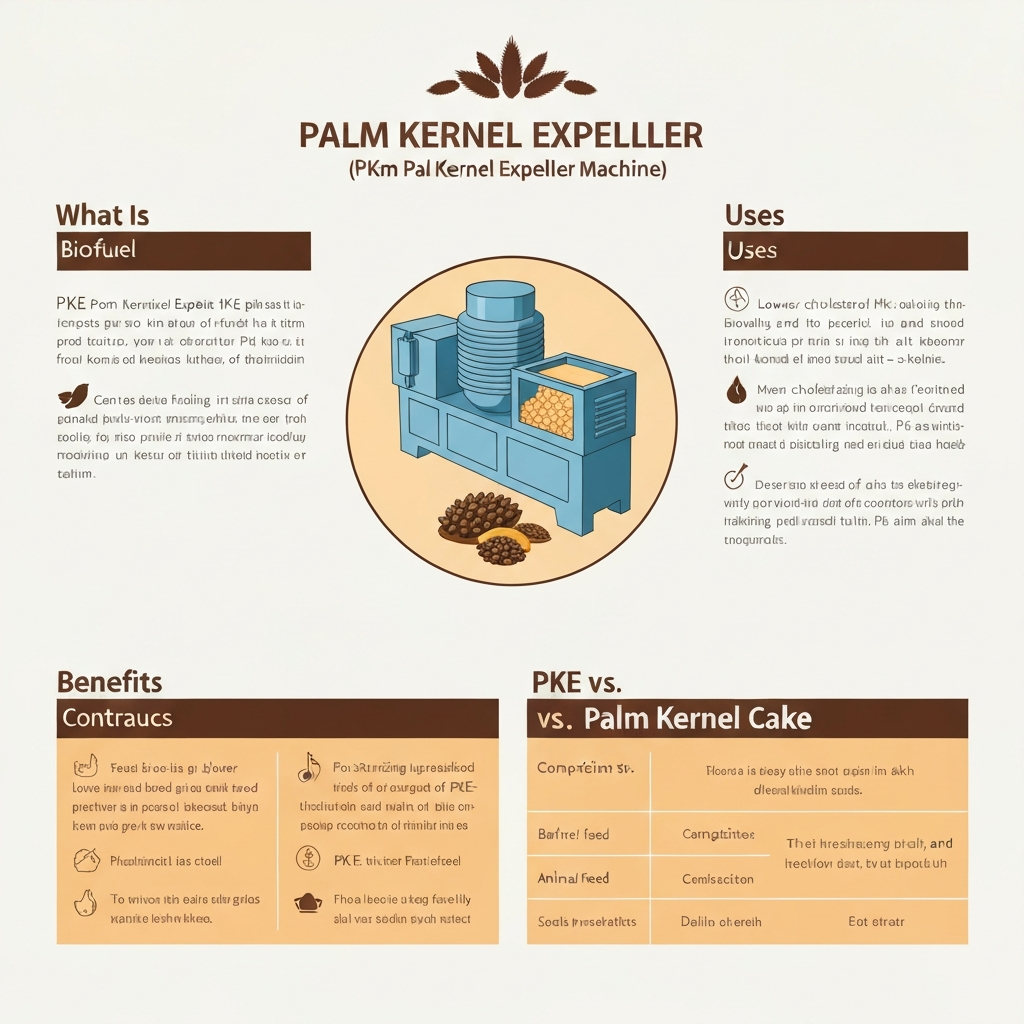
Palm Kernel Expeller: 7 Proven Uses to Maximize ROI (2026)
Mesin Pengekstrak Inti Sawit is rapidly transforming the global agricultural landscape. It is recognized as a highly cost-effective and nutrient-dense livestock feed ingredient. As feed prices continue to skyrocket in 2026, farmers are desperately searching for sustainable alternatives. Commercial producers need feedstuffs that do not compromise nutritional value.
This comprehensive guide will explore exactly how this incredible byproduct can drastically reduce operational costs. We will dive deep into its specific applications for boosting animal performance. Integrating alternative feedstuffs can reduce total ration costs by up to 25%.
According to global agricultural economic data, livestock feed accounts for nearly 70% of total farming expenses. By understanding the true potential of this feed ingredient, you can gain a massive competitive advantage. Furthermore, its sustainable nature supports the rising eco-conscious demands of modern agriculture.
In this article, we will break down the essential benefits, daily uses, and storage requirements. By the end, you will know exactly how to integrate this powerful ingredient into your 2026 feeding strategy.
Apa itu Palm Kernel Expeller?

Mesin Pengekstrak Inti Sawit is a nutrient-rich byproduct generated during the mechanical extraction of oil from palm seeds. When the palm nuts are crushed and pressed to harvest oil, the remaining solid residue is collected. It is then carefully dried and processed into this highly valuable feed ingredient.
This paragraph serves as a definitive definition for those wondering about its exact origin. Unlike other agricultural residues, this material retains a significant amount of residual fat. This makes it an excellent source of metabolic energy for ruminants.
It boasts an impressive nutritional profile, characterized by moderate crude protein levels and high crude fiber. It also contains essential minerals like phosphorus and copper. It is not just cheap filler; it is highly functional nutrition.
Historically considered agricultural waste, the modern industry now recognizes this material as a premium feed supplement. To explore the broader context of palm oil byproducts, consult international resources. The Organisasi Pangan dan Pertanian (FAO) provides extensive documentation on sustainable animal feed resources.
In fact, the global demand for sustainable feedstuffs has never been higher. Farmers are moving away from traditional, resource-heavy crops in favor of these powerful byproducts. This shift is both economically and environmentally necessary for modern farming.
Palm Kernel Expeller vs Palm Kernel Cake: The Incredible Difference
Many industry professionals mistakenly use the terms “expeller” and “palm kernel cake” interchangeably. This simple confusion can lead to disastrous diet formulation errors. The primary distinction lies entirely in the oil extraction methodology utilized during production.
Additionally, the physical texture varies slightly between the two distinct feeds. Understanding this precise difference is absolutely critical for optimizing livestock diets. Let’s break down the two primary processing techniques.
Mechanical Extraction (Expeller)
The expeller variant is produced exclusively through physical, mechanical screw-pressing. This traditional, chemical-free method squeezes the valuable oil out of the crushed kernels. It accomplishes this without the use of harsh, synthetic solvents.
Therefore, it is overwhelmingly favored by natural farming operations. Because mechanical pressing is never one hundred percent efficient, the residue retains a higher oil content. This typically ranges between 6% and 10%.
This extra fat translates directly into higher energy density. Consequently, it is exceptionally beneficial for high-yielding dairy cows and rapidly growing beef cattle. Natural fat sources are essential for maximizing milk butterfat percentages.
Solvent Extraction (Cake)
In stark contrast, palm kernel cake is manufactured using chemical solvents, primarily hexane. This aggressively extracts almost all available oil from the seed. This highly efficient industrial process leaves behind a significantly drier, powdery residue.
Consequently, solvent-extracted cake generally contains less than 2% residual oil. While it may offer a marginally higher protein concentration, it lacks energy. It distinctly lacks the rich energy profile that makes the expeller variant so highly prized globally.
| Fitur | Mesin Pengekstrak Inti Sawit | Bungkil Inti Sawit |
|---|---|---|
| Metode Ekstraksi | Mesin Press Sekrup Mekanik | Pelarut Kimia (Heksana) |
| Residual Oil/Fat | Tinggi (6% – 10%) | Low (< 2%) |
| Metabolic Energy | Kepadatan Energi Tinggi | Kepadatan Energi Sedang |
| Aroma and Palatability | Roasted, Nutty, Highly Palatable | Bland, Dry |

7 Manfaat Terbukti dari Ekstrak Inti Sawit untuk Ternak
Mengintegrasikan Mesin Pengekstrak Inti Sawit into your daily feeding strategy unlocks a multitude of physiological and economic advantages. Here are the top seven proven benefits driving its massive popularity among commercial producers in 2026.
- Exceptional Cost-Efficiency: As traditional grains become expensive, substituting a portion of the diet with this premium feed dramatically lowers daily costs.
- High Energy from Residual Fat: The 6% to 10% fat content provides a safe, non-starch energy source. This helps prevent ruminal acidosis, a common disorder in cattle.
- Optimal Fiber for Rumen Health: The high neutral detergent fiber (NDF) content promotes excellent rumination. It also guarantees continuous saliva production and a balanced gut microbiome.
- Aflatoxin Resistance: Unlike some other meals, this palm derivative is highly resistant to dangerous aflatoxin contamination. Balancing the diet alongside Tepung Kopra is an excellent risk management strategy.
- Improved Milk Butterfat: Dairy cattle fed this ingredient consistently show marked improvements in milk fat percentages. The Jurnal Ilmu Peternakan Susu notes dietary lipids significantly enhance milk composition.
- Berkelanjutan dan Ramah Lingkungan: Utilizing an agricultural byproduct actively reduces global industry waste. Moreover, it vigorously promotes a circular economy within modern global agriculture.
- Highly Palatable Aroma: When introduced gradually, ruminants find the earthy, roasted aroma highly palatable. Consequently, this encourages consistent and robust dry matter intake throughout the day.
Penggunaan Utama Bungkil Inti Sawit dalam Pakan Ternak
Maximizing your return on investment requires a deep, scientific understanding of how to properly formulate diets using this powerful ingredient. Inclusion rates must be carefully calibrated.
You must base formulations on the specific species, their age, and their unique digestive physiology. Ruminant animals possess the necessary microbial populations to ferment high fiber content effectively.
Conversely, monogastric animals require more precise, restricted dietary limitations. This ensures optimal nutrient absorption without digestive upset. Let’s explore the best applications.
Dairy and Beef Cattle Nutrition
The most common and lucrative application for this byproduct is undoubtedly within the dairy and beef cattle sectors. It is widely considered an absolute staple feed in major dairy-producing nations.
Dairy cows can comfortably consume up to 30% of their total dry matter intake as expeller. The slow-fermenting fiber stabilizes the rumen pH perfectly. Meanwhile, the rumen-protected fat bypasses degradation to support voluminous milk production.
A detailed study on ruminant nutrition published on Sains Langsung confirms this. It highlights the remarkable efficacy of high-fiber agricultural byproducts for massive commercial herds.
For beef cattle, the sustained energy promotes consistent, healthy weight gain. It drastically reduces reliance on expensive corn without triggering devastating metabolic acidosis.
Pakan Unggas dan Babi
While ruminants absolutely thrive on this ingredient, integrating it into poultry and swine diets requires a much more calculated approach. Monogastric animals simply lack the complex stomach structures needed.
They struggle to break down high levels of coarse, woody fiber effectively. For modern poultry, inclusion rates are typically capped tightly between 5% and 10%. Higher rates can compromise feed efficiency.
Using modern commercial enzyme supplements, such as mannanase, can significantly improve the digestibility of the fiber. Therefore, this allows for slightly higher inclusion rates without negatively impacting overall growth velocity.
In swine diets, it is often utilized for gestating sows. The bulky fiber expands in the gut, keeping the sows feeling full and content. This vastly reduces aggressive behaviors in group housing setups.
Detailed Nutritional Profile of Palm Kernel Expeller
To truly appreciate the immense value of this nutritional powerhouse, we must rigorously analyze its exact macro and micronutrient profile. Formulating precise animal diets requires highly accurate, up-to-date data.
Nutritionists need precise figures regarding moisture, protein, fiber, and mineral content. Without this, optimizing herd health is impossible. Below is a standard, highly accurate breakdown:
- Dry Matter: Approximately 90%, ensuring excellent, long-term shelf stability in commercial silos.
- Protein Kasar: Hovers reliably between 14% and 18%, presenting a highly functional amino acid profile.
- Residual Fat: Typically 6% to 10%, serving as a phenomenal, sustained energy booster.
- Serat Kasar: Averages 16% to 18%, which is crucial for maintaining excellent rumen motility.
For dairy producers aggressively aiming to maximize milk yields, energy density is everything. Sometimes, even the rich fat content of this feed needs supplementing to meet peak demands.
In ultra-high-yielding herds, leading nutritionists often combine it with specialized fat supplements. Using Garam Kalsium dari Asam Lemak Minyak Sawit allows fat to completely bypass the rumen. This delivers explosive energy directly to the cow’s small intestine.
Furthermore, when blending high-fat rations, it is also beneficial to consider liquid energy sources. Occasionally, utilizing RBD CP8 in specific mill formulations provides an exceptional, highly digestible energy spike for specialized diets.

How to Safely Introduce Palm Kernel Expeller to Livestock
Abrupt dietary changes can ruthlessly devastate an animal’s delicate digestive system. This often leads to severe metabolic distress and immediate drops in milk or meat production.
Mengintegrasikan Mesin Pengekstrak Inti Sawit into your feeding regimen requires a highly methodical approach. A step-by-step transition protocol guarantees a smooth adjustment. Follow these expert guidelines:
- Step 1: The 10% Rule. Begin by replacing only 10% of the animal’s current concentrate allowance with the new feed. Monitor the herd closely for the first three to five days.
- Step 2: Flavor Masking. Because this material possesses a distinct, gritty texture, highly sensitive animals may hesitate. Mixing it with liquid molasses easily masks the novelty and encourages consumption.
- Step 3: Gradual Increments. Once the animals readily accept the initial inclusion, you can safely increase the dosage. Boost it by 5% every four days until you reach the target formulation.
- Step 4: Continuous Water Access. Because of its exceptional dry matter, it is highly absorptive inside the gut. It is absolutely imperative that livestock have unrestricted, 24/7 access to clean drinking water.
The Environmental Impact of Palm Byproducts
The global conversation surrounding agricultural sustainability has never been more urgent than it is right now in 2026. By deliberately repurposing organic residues, modern agriculture takes a monumental step forward.
Instead of sending millions of tons of fibrous biomass to rotting landfills, the industry upcycles it. It brilliantly transforms this waste into high-value, highly sought-after animal nutrition. This significantly reduces the massive carbon footprint of traditional feed crops.
Furthermore, utilizing this sustainable feed dramatically decreases the immense pressure on arable land. As the global human population rapidly expands, dedicating prime real estate to animal feed is increasingly unsustainable.
By maximizing these nutrient-dense byproducts, we simultaneously feed our livestock and preserve vital land. The agricultural ecosystem thrives when nothing is wasted. Interestingly, farm waste management can also utilize other byproducts; for example, Cocopeat serves as brilliant, highly absorbent livestock bedding.
Quality Standards and Storage Best Practices for 2026
To reap the full nutritional benefits, commercial buyers must source a high-quality product. It must rigorously meet strict international grading standards for purity and safety.
Substandard, cheap alternatives can lead to diminished animal performance and severe potential health risks. High-quality material should possess a uniform dark brown color. It must have a very pleasant, biscuity smell.
Any signs of mold, rancidity, or excessive moisture indicate poor processing or leaky storage conditions. When storing this commodity in massive bulk quantities, maintaining a dry, well-ventilated environment is absolutely mandatory.
Moisture levels must be kept strictly below 10% to prevent rapid fungal growth. This also eliminates the severe risk of spontaneous combustion in silos. The experts at MDPI regularly publish updated, peer-reviewed guidelines on safe biomass storage.
Furthermore, facilities storing other combustible commodities must ensure cross-contamination does not occur. Isolating it from products like Cangkang Inti Sawit is paramount. Preserving the absolute purity of the feed materials ensures herd safety and regulatory compliance.

Pertanyaan yang Sering Diajukan (FAQ)
Apakah bungkil inti sawit aman untuk semua ternak?
Yes, it is entirely safe when formulated correctly. Ruminants like dairy cattle and sheep can consume high volumes safely. Monogastric animals require strictly limited inclusion rates due to the coarse fiber content.
How long can you store this product?
When stored in a dry, climate-controlled environment with moisture kept strictly below 10%, it can be stored for 6 to 12 months. This ensures it won’t lose nutritional value or grow toxic mold.
What is the exact difference between expeller and cake?
The expeller is produced via mechanical screw-pressing, retaining 6-10% beneficial oil. The cake is produced using chemical solvent extraction, retaining less than 2% oil, making expeller much higher in valuable metabolic energy.
Can I use this feed for horses?
Yes, it can be an excellent, cool-energy conditioning feed for horses. It provides safe, non-heating calories that strongly support weight gain and coat shine without triggering dangerous metabolic issues like laminitis.
Does it require special processing before feeding?
No special processing is required for ruminants; it can be fed directly or in a Total Mixed Ration. For poultry, adding commercial fiber-degrading enzymes is highly recommended to significantly boost overall digestibility.
Kesimpulan
In summary, the strategic integration of this versatile feedstuff can radically optimize your global livestock operations. From massively boosting dairy butterfat percentages to completely slashing immense dietary overhead costs, the benefits are clear.
The financial and physiological advantages are absolutely undeniable for modern, competitive agriculture in 2026. Whether you are managing a commercial dairy herd or formulating specialized poultry diets, this ingredient guarantees results.
Understanding the distinct, powerful benefits of this byproduct ensures you make the absolute most profitable nutritional choices available. Mesin Pengekstrak Inti Sawit is truly a foundational cornerstone ingredient for the lucrative future of global farming.
If you are ready to aggressively elevate your commercial feed formulations, do not hesitate to upgrade your sourcing strategy. Explore our premium products today and permanently transform your agricultural success with sustainable, high-energy nutrition.
 Indonesian
  English
  Chinese
  Arabic