
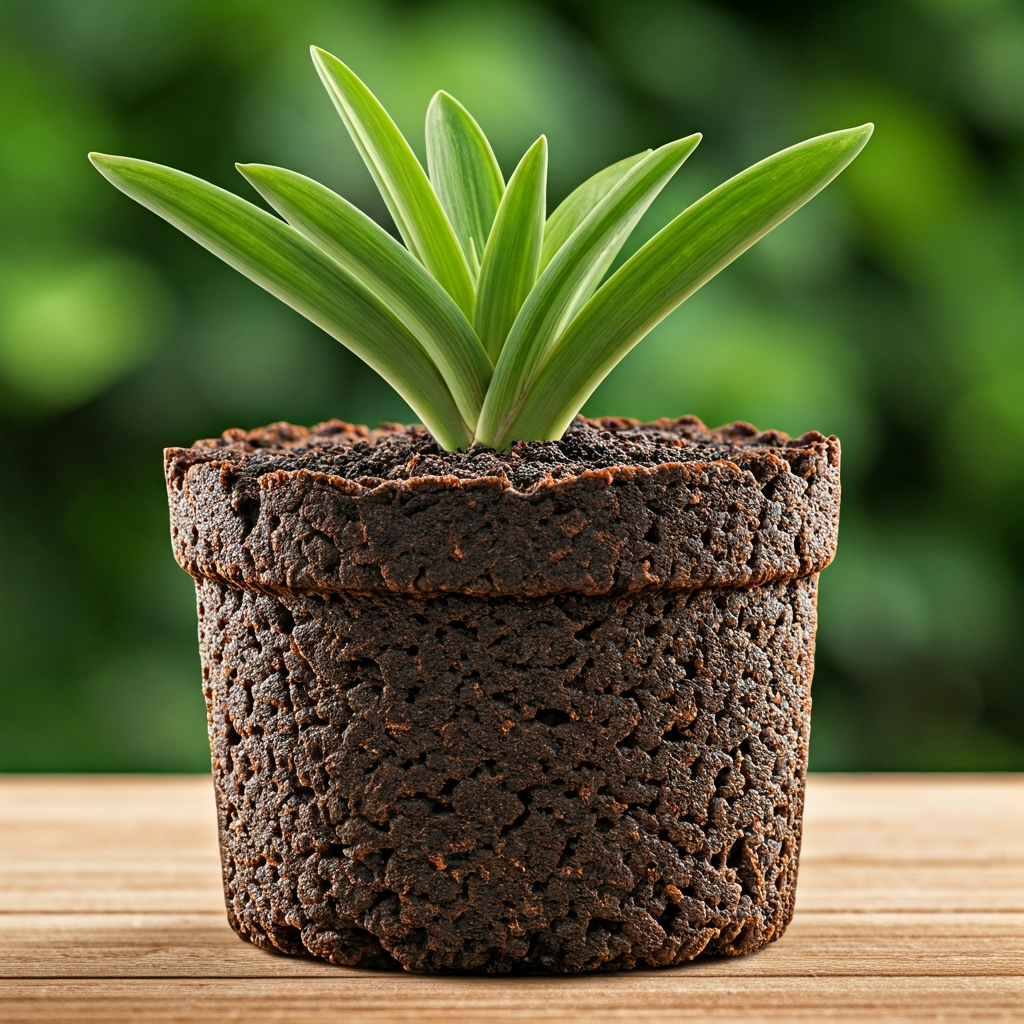
What Plants Grow Best in Cocopeat? A Complete Guide to Its Uses
Determining which plants grow best in cocopeat can transform your gardening, yet many growers feel uncertain about this unique medium. You’ve heard the hype about its sustainability and water retention, but you’re worried about making mistakes. This comprehensive 2026 guide provides the expert clarity you need, detailing exactly which plants thrive in cocopeat and how to guarantee their success.
The shift towards sustainable gardening has put cocopeat in the spotlight. Derived from the fibrous husk of coconuts, this renewable resource is a superior growing medium for a vast array of plants. The massive coconut industry provides not just fruit but also valuable byproducts like Tepung Kopra for animal feed. As research from the Jurnal Scientia Hortikultura shows, media from coconut coir yields “equal or superior” results compared to peat moss. As gardeners seek alternatives to depleting peat bogs, leveraging high-quality cocopeat becomes essential.
What Exactly is Cocopeat and Why Use It?
Cocopeat, also known as coco coir, is a 100% natural fiber collected from the husk of a coconut. Once considered waste, it has emerged as a powerhouse in horticulture due to its unique properties. It serves as an excellent soil amendment and a primary medium for soilless systems, including hydroponics.
[Image: A vibrant image of tomatoes and lettuce growing in a hydroponic setup with cocopeat as the medium. | alt: A variety of plants that grow best in cocopeat, including tomatoes and lettuce. | title: Hydroponic Garden with Cocopeat]
From Coconut Husk to Growing Medium
The journey begins after the coconut is harvested. The fibrous layer between the hard, internal shell and the outer coat is separated, washed, dried, and processed. This process can also yield other useful materials like Mesin Pengekstrak Inti Sawit from related palm agriculture. Depending on the processing, cocopeat can be graded into different textures—pith, fibers, and chips—each serving a different purpose in creating the perfect growing environment.
The Key Benefits of Using Cocopeat
Understanding why so many gardeners are making the switch is key. The advantages are significant:
- Incredible Water Retention: Cocopeat can hold up to 10 times its weight in water. This ensures your plant roots stay hydrated and reduces watering frequency.
- Superior Aeration: Despite holding lots of water, its fibrous structure provides excellent oxygen to the roots, preventing rot and promoting vigorous growth.
- Neutral pH Level: It typically has a pH range of 5.5 to 6.8, ideal for a wide variety of plants. This eliminates the need for lime amendments often required for peat moss.
- Sustainable and Renewable: As a byproduct of the coconut industry, it’s an eco-friendly alternative to peat moss, which is harvested from sensitive bog ecosystems.
- Pest and Disease Resistant: Cocopeat is naturally anti-fungal and resistant to common soil-borne pests, promoting healthier plants.
Cocopeat vs. Peat Moss: A Sustainable Choice
For decades, peat moss was the standard. However, environmental concerns have shifted focus. Here’s a direct comparison:
| Fitur | Cocopeat (Coco Coir) | Gambut |
|---|---|---|
| Sumber | Renewable byproduct of coconut harvesting | Decomposed organic matter from non-renewable peat bogs |
| Tingkat pH | 5.5 – 6.8 (Near Neutral) | 3.5 – 4.5 (Acidic) |
| Retensi Air | Excellent, holds water but re-wets easily | High, but can become hydrophobic when dry |
| Keberlanjutan | High, fully sustainable | Low, harvesting destroys ancient ecosystems |
Preparing Cocopeat for Optimal Plant Growth
Proper preparation is crucial for success. Simply adding water to a compressed brick isn’t enough to unlock its full potential. Following these steps will ensure you provide the best possible start for your plants.
Rehydrating the Brick: Step-by-Step
Compressed cocopeat blocks are dense and dry. Rehydrating them is the first, most satisfying step.
- Choose a Large Container: A 5kg brick can expand to over 60 liters of medium. Use a large tub or wheelbarrow.
- Add Warm Water: Place the brick in the container and add warm water. Warm water speeds up the expansion process significantly.
- Wait and Fluff: Allow the brick to sit for 20-30 minutes as it absorbs the water. It will begin to break apart. Use a hand cultivator or your hands to fluff it up, ensuring no dry pockets remain.
[Video Suggestion: An embedded YouTube video titled “How to Rehydrate a Cocopeat Brick in Under 2 Minutes” showing the process described above.]
The Importance of Buffering Cocopeat
High-quality cocopeat is washed to remove salts, but it naturally contains high levels of potassium and sodium. These elements are bound to the coir fibers. When you add a fertilizer containing calcium and magnesium, the coir releases its potassium and sodium to “grab” the calcium and magnesium, locking up these vital nutrients.
Buffering pre-charges the cocopeat with calcium and magnesium to prevent this nutrient lockout. Many premium brands come pre-buffered, but if yours isn’t, you must soak the hydrated coir in a Cal-Mag solution for 8-12 hours before use. This step is non-negotiable for nutrient-hungry plants.
Vegetables: Top Plants That Grow Best in Cocopeat
When considering vegetables, the list of crops that thrive in cocopeat is surprisingly long and varied. Its excellent drainage and aeration are perfect for many popular garden staples.
[Image: Infographic concept. Title: “Cocopeat: From Coconut to Garden”. Sections: 1. Coconut Harvested. 2. Husk separated. 3. Coir processed & dried. 4. Compressed into brick. 5. Ready for gardening. Shows benefits icons: water retention, aeration, neutral pH. | alt: Infographic explaining the process of making cocopeat for plants. | title: How Cocopeat is Made]
Leafy Greens (Lettuce, Spinach, Kale)
Leafy greens demand consistent moisture without being waterlogged. Cocopeat provides this exact environment, leading to rapid, healthy growth and crisp leaves. Its neutral pH is also ideal for these fast-growing crops.
Root Vegetables (Carrots, Radishes, Beets)
The light, airy texture of cocopeat is a game-changer for root vegetables. It allows roots to expand easily without the compaction stress found in heavy clay soils. This results in perfectly formed, non-stunted carrots and radishes. For many home gardeners, using coir for root crops is the secret to a successful harvest.
Fruiting Vegetables (Tomatoes, Peppers, Cucumbers)
These are perhaps the most popular plants grown in cocopeat, especially in hydroponic setups. They are heavy feeders that require consistent water and nutrient delivery. Cocopeat’s ability to act as a sponge-like reservoir for nutrient solutions makes it the perfect medium for producing high yields of tomatoes, peppers, and cucumbers. Ask any expert for the best plants to grow in cocopeat, and these will be at the top of their list.
Flowering Plants & Fruits That Thrive in Cocopeat
It’s not just vegetables; many ornamentals and fruits flourish in a coco coir-based medium. For gardeners focusing on aesthetics, the answer to what flowering plants grow best in cocopeat is delightful.
Best Flowering Plants for Cocopeat
Many popular flowering plants appreciate the unique conditions that cocopeat provides. For those wondering which ornamentals are suited for this medium, look no further.
- Orchids: Often sold in a mix of bark and coir chips for superior aeration and moisture retention.
- Anthuriums: These tropical beauties love the airy, well-draining, yet moist environment that coir provides.
- Roses: Propagating and growing roses in cocopeat can lead to a robust root system faster than in traditional soil.
Berries and Tropical Fruits
Strawberries are grown commercially on a massive scale using 100% cocopeat. It provides the perfect root environment and keeps the fruit clean and off the soil. Similarly, blueberries, which need acidic conditions, can be grown in cocopeat if the pH of the nutrient solution is managed carefully.
A Guide to Growing Indoor Plants in Cocopeat
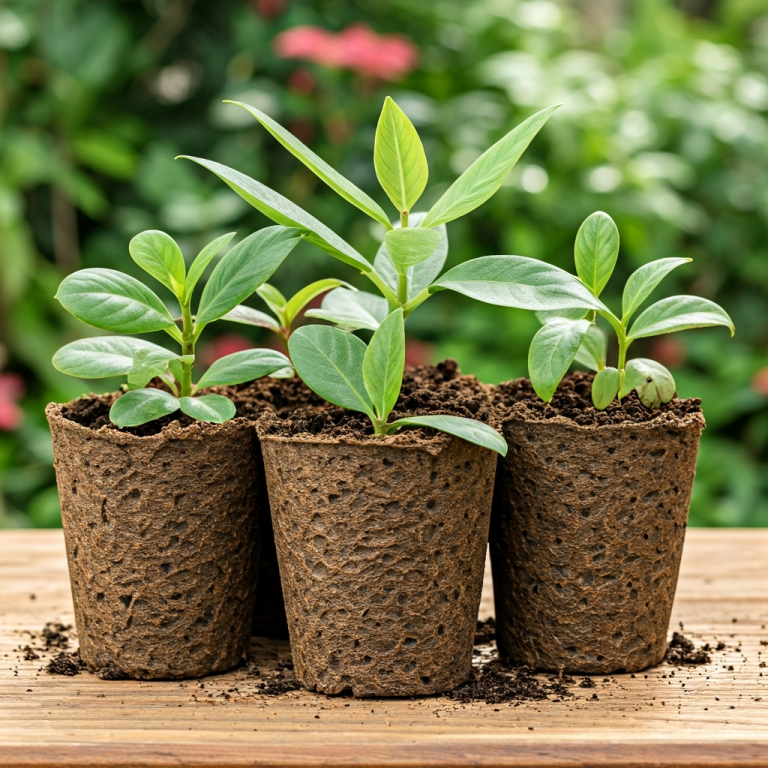
For houseplant enthusiasts, using cocopeat can simplify care routines. Many potting mixes now include coir, but using a higher percentage or even a pure high-quality cocopeat medium can be beneficial for specific plants.
[Image: Close-up shot showing the texture of hydrated cocopeat, maybe with a hand holding it to show its fluffiness. | alt: The texture of high-quality cocopeat, an ideal medium for what plants grow best in it. | title: Buffered Cocopeat Texture]
Why Cocopeat is Ideal for Houseplants
The primary benefit is water management. It’s hard to overwater plants in a well-draining cocopeat mix, a common pitfall for indoor gardeners. It’s also lightweight, clean, and doesn’t harbor pests, making it perfect for indoor use. Many people discover their favorite indoor varieties are the answer to which plants thrive in cocopeat.
Top 5 Houseplants for Your Cocopeat Mix
- Monstera Deliciosa
- Fiddle Leaf Fig
- Snake Plant (in a mix with perlite/pumice)
- Pothos
- ZZ Plant
Kesalahan Umum yang Harus Dihindari Saat Menggunakan Cocopeat
While versatile, cocopeat is not foolproof. Avoiding these common errors is critical for success and ensuring your plants have the best environment to grow.
Nutrient Deficiencies (Especially Calcium and Magnesium)
As mentioned, unbuffered cocopeat will lock up calcium and magnesium. You must always use a Cal-Mag supplement with your regular fertilizer, especially during initial growth phases. This is the number one mistake new coir growers make. Trustworthy information on plant nutrients can be found on high-authority sites like the Masyarakat Hortikultura Kerajaan and other major gardening publications.
Using Low-Quality, Unwashed Cocopeat
Cheap, unwashed cocopeat can contain extremely high levels of sodium (salt), which is toxic to most plants. Always source your coir from a reputable supplier that guarantees their product is washed and has low electrical conductivity (EC).
Makmur Amanah Sejahtera Menyediakan produk-produk kelapa sawit berkualitas tinggi seperti bungkil inti kelapa sawit, cangkang inti kelapa sawit, minyak kelapa sawit mentah, minyak inti kelapa sawit, dll. Silakan hubungi kami di WhatsApp +6282140002198 atau kirim email kepada kami di admin@makmuramanah.co.id.
Pertanyaan yang Sering Diajukan (FAQ)
Apakah cocopeat baik untuk semua tanaman?
While incredibly versatile, it’s not a universal solution. Plants that thrive in dry, arid conditions, like some succulents and cacti, may find pure cocopeat retains too much moisture. For these, a mix of cocopeat with at least 50% sand or pumice is a better choice.
How often do you water plants in cocopeat?
Less often than in traditional soil. The best method is to check the top 1-2 inches. If it feels dry, it’s time to water. Cocopeat changes from a dark brown to a light brown color as it dries, providing a helpful visual cue.
Can you mix cocopeat with soil?
Absolutely. Mixing cocopeat into garden soil or potting mix is a fantastic way to improve its structure. It adds aeration to heavy clay soils and increases water retention in sandy soils, making it a valuable soil conditioner.
Does cocopeat need fertilizer?
Yes. Cocopeat is an inert medium with no native nutrient content. You must provide all the nutrients your plants need through a complete liquid fertilizer. Remember to include a Calcium and Magnesium (Cal-Mag) supplement for best results.
Berapa lama cocopeat bertahan?
Cocopeat decomposes very slowly due to its high lignin content. It can be reused for several growing cycles (3-5 years) before it starts to break down and compact, making it a very economical choice in the long run.
Conclusion: Your Go-To Medium for Thriving Plants in 2026
From hydroponic tomatoes to indoor monsteras, the range of plants that grow best in cocopeat is extensive. Its superior water retention, excellent aeration, neutral pH, and sustainable nature make it a top-tier choice for modern gardeners. By understanding how to properly prepare it and which plants are best suited for it, you can unlock a new level of gardening success.
[Image: A beautiful, blooming orchid planted in a pot with a visible cocopeat/bark mix. | alt: Orchids are flowering plants that grow best in a cocopeat mix. | title: Orchid in Cocopeat Mix]
As you plan your 2026 garden, consider making the switch. Embrace this renewable resource and you’ll be rewarded with vigorous, healthy growth. The evidence is clear that for many applications, the best answer to “What should I grow in?” involves cocopeat. Now that you know which crops thrive in this medium, you are equipped to achieve amazing results.

 Indonesian
  English
  Chinese
  Arabic