
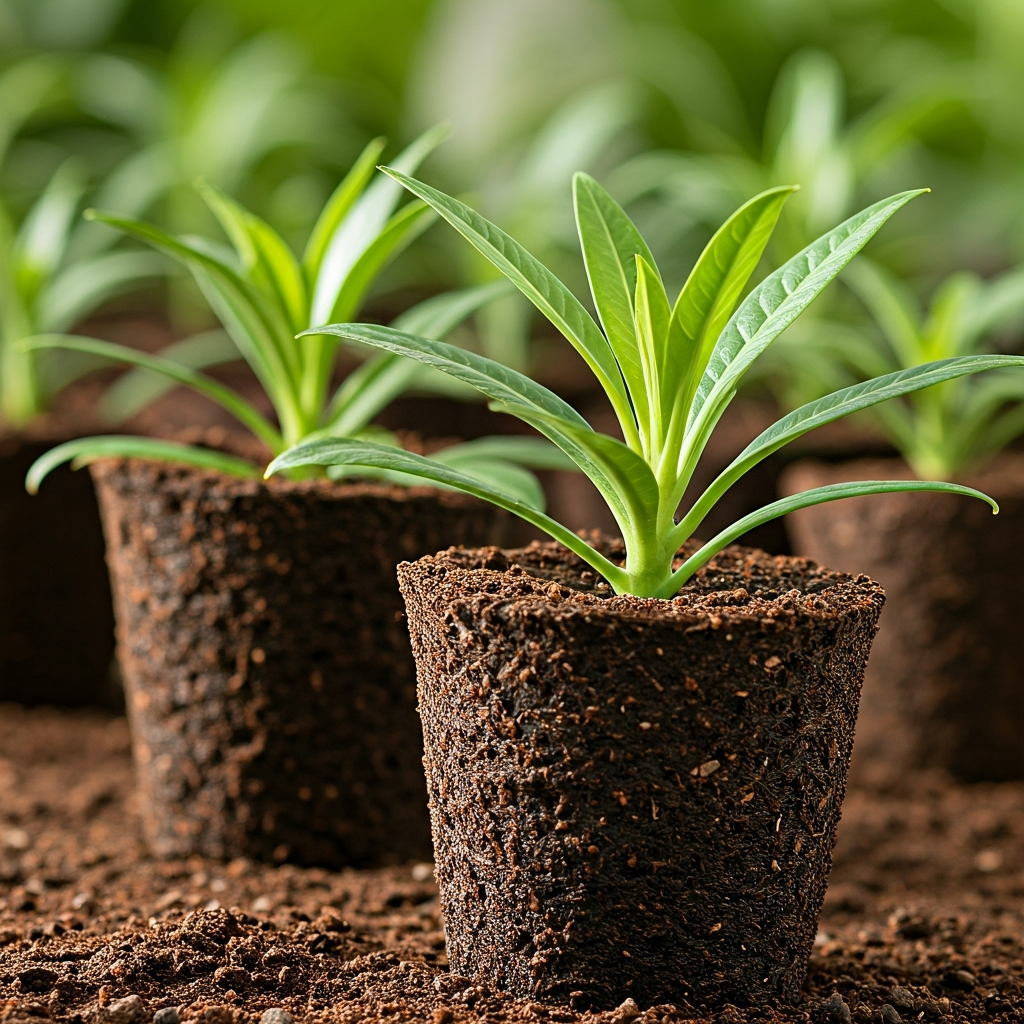
The Ultimate Guide to Cocopeat: Uses, Benefits, and How to Grow Healthier Plants
Cocopeat is revolutionizing the way gardeners approach soil. It offers an incredible alternative that boosts plant health and supports environmental sustainability. If you’ve struggled with poor drainage, compacted earth, or the ethical dilemma of using peat moss, this guide will show you why coir is the solution you’ve been searching for.
For decades, gardeners relied on peat moss. However, its harvest depletes vital peat bog ecosystems that act as massive carbon sinks. According to a study published in Nature Communications, these habitats are crucial for biodiversity and global climate regulation. The shift to a renewable and effective medium isn’t just a trend; it’s a responsible evolution in gardening.
This comprehensive guide explores every facet of this amazing material, from its scientific properties to its practical applications. We will uncover its benefits, compare it to traditional media, and provide a step-by-step plan for using it to grow stronger, healthier plants in 2026 and beyond.
What Exactly is Cocopeat? The Gardener’s Sustainable Secret
Cocopeat is a 100% natural, multi-purpose growing medium derived from the fibrous husk of a coconut. For years, this material was considered a waste product of the coconut industry, which primarily sought coconut water, milk, and meat. Now, it’s celebrated as a premier substrate for gardening, hydroponics, and soil amendment.
From Coconut Waste to Wonder Material
The journey begins with the coconut husk, found between the hard inner shell and the outer coat. This husk is processed to separate its long fibers from the spongy, cork-like particles known as coir pith or, more commonly, cocopeat. After being aged, washed, and sometimes buffered, it is dried and compressed into blocks, bricks, or sold loose. While the husk provides the growing medium, other parts yield materials like Tepung Kopra, making the coconut a zero-waste resource.
Pith, Fiber, and Chips: Understanding the Types
Not all coir is the same. It is generally categorized into three main types, which are often blended to create the perfect growing environment:
- Coco Pith/Peat: The most common type, it has a texture similar to peat moss. It boasts excellent water retention, making it ideal for most applications.
- Serat Kelapa: These longer fibers add essential air pockets to the mix. This improves root aeration and drainage, preventing waterlogging.
- Coco Chips: Small chunks of coir that function like bark. They provide structural integrity and large air spaces, perfect for orchids and anthuriums.

7 Amazing Benefits of Using Cocopeat in Your Garden (2026)
The advantages of incorporating coir into your gardening are extensive and scientifically backed. It consistently outperforms traditional soils in several key areas, leading to more resilient and productive plants.
1. Incredible Water Retention
This substrate can hold up to 10 times its weight in water. This sponge-like quality means your plant roots have a consistent supply of moisture. This reduces watering frequency by as much as 50% and protects plants from drought stress.
2. Superior Aeration for Healthy Roots
Despite its water-holding capacity, the fibrous structure of cocopeat maintains excellent aeration. It holds 22% of its volume as air even when fully saturated. This prevents soil compaction and allows critical oxygen to reach the roots, preventing root rot.
3. Neutral pH Level (6.0-6.8)
Most coir is naturally pH-neutral or slightly acidic, falling in the ideal range for the vast majority of plants. This eliminates the need to add lime to adjust pH levels, as is often required with acidic peat moss.
4. Eco-Friendly and Sustainable
Cocopeat is a byproduct of the renewable coconut harvest. Its use helps reduce landfill waste and provides a sustainable alternative to peat moss, the mining of which destroys fragile wetland ecosystems. As gardeners, it’s a choice we can feel good about.
5. Naturally Anti-Fungal and Pest-Resistant
This amazing medium contains natural lignins and tannins that discourage harmful pathogens like Pythium. As explained by the Ekstensi Universitas Negeri Michigan, preventing such pathogens is key to plant health. It also helps deter common soil pests, leading to healthier plants with less need for chemical intervention.
6. Lightweight and Easy to Handle
Sold as compressed, dry bricks, coir is incredibly lightweight and easy to transport and store. A single 5kg brick can expand to create 60-70 liters of growing medium. This makes it perfect for container gardening, vertical gardens, and hanging baskets.
7. Reusable for Multiple Seasons
Unlike soil that can become depleted and compacted, the physical structure of this growing medium degrades very slowly. With proper care and amendment, it can be reused for up to four years, providing exceptional long-term value.
Cocopeat vs. Peat Moss: Which is Better for Your Plants?
For years, peat moss was the go-to soil amendment. However, modern research and experience have shown that coir is not just an alternative, but often a superior choice. This is especially true when considering environmental impact and specific performance metrics.
According to research from institutions like the University of Massachusetts Amherst, coir is a viable and effective substitute. Let’s compare them head-to-head.
| Fitur | Cocopeat | Gambut |
|---|---|---|
| Keberlanjutan | Tinggi (Produk sampingan terbarukan) | Low (Harvested from finite bogs) |
| Retensi Air | Excellent, holds 10x its weight | Very high, but can become hydrophobic |
| Tingkat pH | Neutral (6.0 – 6.8) | Acidic (3.5 – 4.5) |
| Keterbasahan | Wets easily and evenly | Hydrophobic; difficult to re-wet once dry |
| Jangka hidup | Long; reusable for up to 4 years | Short; decomposes within 1-2 years |
| Kandungan gizi | Inert; requires added fertilizer | Inert; requires added fertilizer |

How to Prepare and Use Coir: A Step-by-Step Guide
Using coco coir is simple, but following the correct preparation steps is crucial for success. This is especially true when starting with a compressed brick, which is the most common and economical form.
Step 1: Choosing Your Block or Bag
Select a product based on your needs. For general potting, a standard block of coco pith is perfect. For plants that need more drainage, like succulents or orchids, look for a mix that includes more fiber or chips.
Step 2: The Rehydration Process (The “Fluffening”)
This is the most important part of preparing a coir brick. Follow this simple process:
- Place your compressed brick in a large container, like a wheelbarrow or a sturdy tub.
- Add the amount of warm water specified on the packaging (usually 3-4 liters per 1kg of coir).
- Allow the brick to sit for 20-30 minutes. It will absorb the water and swell dramatically.
- Once expanded, fluff the material with your hands or a small trowel until it is light, airy, and evenly moist.
[Video Embed: A time-lapse video showing a small, dense cocopeat brick placed in a tub. Water is added, and the brick rapidly expands to fill the container. The video ends with a shot of the light, fluffy final product.]
Step 3: Buffering Cocopeat (An Essential Step for Some)
High-quality coir is often pre-buffered. Buffering is the process of soaking the coir in a calcium nitrate solution to displace sodium and potassium salts. If you’re using unbuffered material for hydroponics or for sensitive plants, this step is vital to prevent nutrient lockout.
Step 4: Creating Your Perfect Potting Mix
While you can grow in 100% coir, it’s often best to create a mix. Since it contains no nutrients, you must add them. A great all-purpose recipe is:
- 70% Cocopeat
- 30% Perlite or Pumice (for extra aeration)
- A slow-release fertilizer or regular applications of a liquid nutrient solution
You can also mix it with compost or garden soil to improve their structure and water retention.
Advanced Applications for Coir Beyond Basic Potting
The versatility of this substrate extends far beyond simple container gardening. Its unique properties make it a superior choice for several specialized applications, trusted by commercial growers and hobbyists alike.
Hydroponics and Soilless Growing
Coir is one of the most popular substrates for hydroponic systems. Its excellent water-to-air ratio, neutral pH, and pest resistance create a stable and clean environment for roots to thrive. It’s used in slab culture, Dutch buckets, and as a base for many soilless mixes.
Seed Starting and Propagation
The fine, moist, and sterile nature of coir makes it an ideal medium for germinating seeds and rooting cuttings. It provides consistent moisture without becoming waterlogged, which is a common cause of “damping off” disease in seedlings.
Soil Amendment for Clay or Sandy Soils
Amending your garden beds with cocopeat can drastically improve soil structure. In heavy clay soils, it improves aeration and drainage. In sandy soils, it increases water and nutrient holding capacity, turning poor soil into a fertile growing area.
Choosing the Right Cocopeat for Your Needs
As this medium grows in popularity, the market has filled with products of varying quality. Knowing what to look for ensures you get the best results and a safe medium for your plants.
Understanding EC Levels and Salinity
Electrical Conductivity (EC) measures the salt content in the coir. Coconuts are often grown near coastlines, so the husks can contain high levels of sodium. Good manufacturers wash their products to lower the EC, making it safe for plants. Look for products with a low EC, ideally below 0.8 mS/cm.
Finding a Trusted Supplier
Your best bet is to source from a reputable supplier that provides detailed information about their product’s origin, processing methods, and specifications like pH and EC. For a reliable source, consider purchasing high-quality cocopeat from established providers who understand agricultural standards.
The Role of Other Sustainable Products
The use of agricultural byproducts is a cornerstone of modern, sustainable industry. Just as coir comes from coconuts, materials like Cangkang Inti Sawit are valuable byproducts of palm cultivation, used in bioenergy and as construction materials. Choosing these products supports a circular economy.
Makmur Amanah Sejahtera menyediakan produk kelapa sawit berkualitas tinggi seperti Mesin Pengekstrak Inti Sawit, Cangkang Inti Sawit, Crude Palm Oil, Palm Kernel Oil, etc. Kindly contact us at WhatsApp +6282140002198 atau kirim email kepada kami di admin@makmuramanah.co.id.
Pertanyaan yang Sering Diajukan Tentang Cocopeat
What is the main difference between cocopeat and soil?
The main difference is that coir is a soilless growing medium with no native nutrients. Soil, conversely, is a mix of minerals, organic matter, and microorganisms that contains nutrients. Cocopeat offers better water retention and aeration but requires fertilizer from the start.
Can you grow plants in 100% cocopeat?
Yes, you can, especially in hydroponic setups. For most container gardening, however, it’s best to mix it with perlite for aeration and add nutrients. Using 100% coir requires careful water and fertilizer management as it is an inert medium without any food reserves for the plant.
Seberapa sering saya harus menyiram tanaman di media cocopeat?
You should water less frequently than in traditional potting soil. A good rule is to water when the top 1-2 inches of the coir feel dry to the touch. Its high water-holding capacity acts as a buffer, but be careful not to overwater, as it can retain moisture for a long time.
Apakah cocopeat mengandung nutrisi?
No, cocopeat is considered inert and has no significant nutritional value on its own. While it contains some potassium and micronutrients, you must provide all essential plant nutrients through a complete fertilizer, either with slow-release granules or a regular liquid feed.
Is cocopeat reusable?
Absolutely. It breaks down very slowly, so it can be reused for several growing cycles. After a harvest, simply fluff it up, remove old roots, and you can replenish it with fresh fertilizer for the next crop. This makes it a highly cost-effective and sustainable choice.
Is all coir the same?
No, quality varies significantly. Look for low-EC (low salt), well-washed, and often buffered coir. Cheap, unwashed products can harm your plants due to high salt content. Always buy from a reputable source, as recommended by major publications like Gardeners’ World.

Conclusion: Why Cocopeat is an Essential for Modern Gardeners
As we’ve seen, the case for cocopeat is compelling. From its environmental benefits as a renewable resource to its superior performance in water retention and aeration, it offers a clear upgrade over traditional growing media. This substrate empowers gardeners to use less water, fight fewer pests, and grow healthier, more vibrant plants.
By making the switch, you are not only improving your garden’s output but also making a conscious choice for a more sustainable planet. For anyone serious about gardening in 2026, embracing Cocopeat is a smart, effective, and responsible move toward a greener future.
 Indonesian
  English
  Chinese
  Arabic