
Copra Meal: A Complete Guide to Its Benefits, Uses, and Nutritional Value
Tepung kelapa is a powerhouse in the world of animal nutrition. It offers a cost-effective and protein-rich solution for livestock managers worldwide. If you’re seeking to optimize feed rations without compromising on quality, understanding this valuable coconut by-product is essential for boosting profitability and animal health in 2026.
The challenge for farmers and feed formulators is constant: find sustainable, affordable, and effective ingredients. With global feed costs on the rise, leveraging alternative resources like coconut meal is no longer just an option—it’s a strategic imperative.
Menurut Organisasi Pangan dan Pertanian Perserikatan Bangsa-Bangsa (FAO), the demand for animal-derived protein is soaring, putting immense pressure on traditional feed sources. This comprehensive guide provides the definitive resource on harnessing the full potential of this feed ingredient for superior results.
What Exactly is Copra Meal?
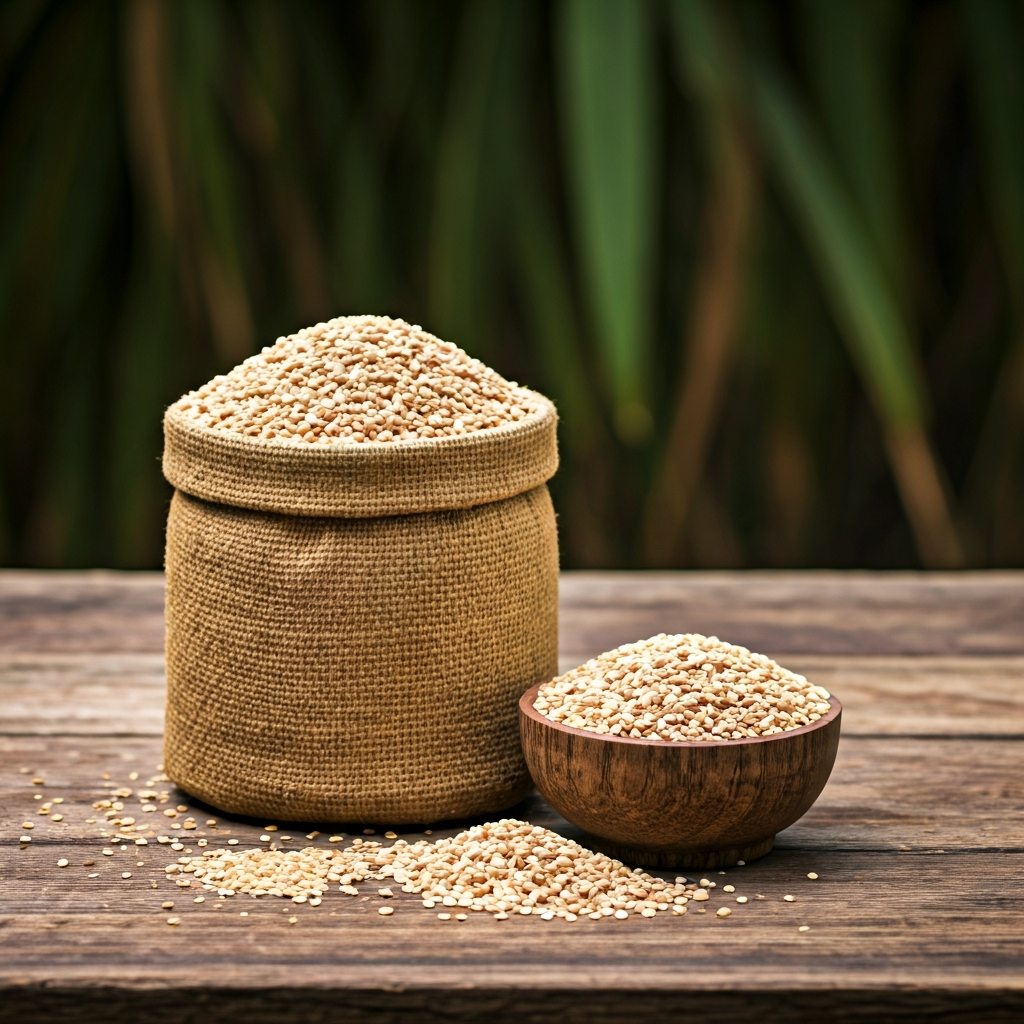
Copra meal is the residual material left over after the extraction of oil from dried coconut kernel, known as “copra.” Often called copra cake or coconut meal, it is a highly palatable and valuable ingredient in compound feed for various types of livestock. It serves as a significant source of protein and energy, making it a popular choice in tropical regions where coconuts are abundant.
[Image: A close-up shot of light-brown, textured copra meal in a large pile. | alt_text: High-quality copra meal ready for livestock feed formulation. | title_text: High-Quality Copra Meal Texture | placement: after first H2]
From Coconut to Feed: The Production Process Explained
The journey from a fresh coconut to nutritious animal feed involves several key stages. The quality of the final meal depends heavily on how producers manage these steps.
- Harvesting and De-husking: Growers harvest mature coconuts and remove the outer fibrous husk.
- Pengeringan (Produksi Kopra): They dry the coconut kernel to reduce its moisture content. This can be done through sun-drying, kiln-drying, or smoke-drying. The method used significantly impacts the final product’s quality.
- Ekstraksi Minyak: The dried copra is then processed to extract coconut oil. This typically happens via two methods:
- Mechanical Expeller Press: This is the most common method. It results in a meal with a residual oil content of 6-12%.
- Ekstraksi Pelarut: This more efficient method results in a meal with a very low oil content, typically less than 3%.
- Produk Akhir: The remaining solid material is the highly valued kue kelapa, ready to be integrated into animal diets.
[Video: An animated video showing the step-by-step process of copra meal production, from coconut harvesting to the final meal. | title_text: How Copra Meal is Made | placement: after Production Process section]
Understanding the Different Grades
Not all coconut meal is created equal. The quality varies based on the drying and extraction process. Mechanically expelled meal, with its higher residual oil, provides more energy but can have a shorter shelf life.
In contrast, solvent-extracted meal has a higher protein percentage and is more stable, but lower in fat. Discerning buyers should source from trusted suppliers who guarantee consistent quality and safety.
The Nutritional Profile of Copra Meal
The primary reason for this ingredient’s popularity is its impressive nutritional composition. It provides a balanced source of protein, fiber, and energy, making it a versatile component in feed formulation.
Key Quality Indicators for Copra Meal
When sourcing this feed, it’s crucial to look for certain quality indicators. High-quality meal should have a fresh, nutty smell and a uniform, light-brown color. Any signs of clumping, discoloration, or a musty odor can indicate high moisture content or mold growth, which could lead to aflatoxin contamination. Always request a certificate of analysis from your supplier to verify the nutritional content and safety parameters.
Macronutrient Breakdown: Protein, Fiber, and Fat
On average, this coconut by-product contains between 20-22% crude protein, making it an excellent protein supplement. Furthermore, its high fiber content (around 10-16%) aids in digestive health, particularly for ruminants. The residual fat provides a dense source of energy for the animals.
Essential Amino Acids and Their Importance
While a good protein source, its amino acid profile is particularly notable for being rich in arginine and glutamic acid. However, it is limiting in lysine and methionine.
For this reason, feed formulators often use it in combination with other protein sources, like soybean meal. This creates a complete and balanced amino acid profile for monogastric animals such as poultry and swine.
Vitamins and Minerals in Coconut Meal
This feed is a good source of essential minerals, including phosphorus, potassium, and iron. It also contains B-vitamins, which are crucial for metabolic functions. This mineral and vitamin content adds further value, contributing to the overall health and well-being of livestock.
7 Key Benefits of Using Copra Meal in Animal Feed
Incorporating copra cake into livestock diets offers a multitude of advantages. Here are the top seven benefits for 2026:
- Efektivitas Biaya: It is often more affordable than traditional protein sources like soybean meal, helping to lower overall feed costs.
- High Palatability: Most animals find the sweet, nutty flavor highly palatable, which encourages feed intake and reduces waste.
- Good Protein Source: With up to 22% protein, it effectively supports muscle development, growth, and production (milk, eggs).
- Energy Dense: The residual oil provides a concentrated source of energy, crucial for high-production animals.
- Rich in Fiber: The high fiber content promotes healthy gut function and is particularly beneficial for ruminant animals.
- Improved Product Quality: In dairy cows, the specific fatty acids can improve the butterfat content of milk. In poultry, it can lead to firmer egg yolks.
- Keberlanjutan: As a by-product, using it promotes a ekonomi sirkular and reduces waste from the coconut industry.
[Image: An infographic comparing the key nutritional values (Protein, Fiber, Energy, Lysine) of copra meal, soybean meal, and palm kernel expeller. | alt_text: A comparison of the nutritional value of copra meal versus other common feeds. | title_text: Copra Meal Nutritional Comparison | placement: middle section]
Applications Across Different Livestock
The versatility of this feed ingredient allows it to be used in diets for a wide range of animals, though inclusion rates and considerations vary.
For Ruminants (Cattle, Goats)
Ruminants can utilize copra meal very effectively. Its high fiber content benefits rumen function, and its protein is a valuable supplement for both dairy and beef cattle.
A key advantage is its bypass protein characteristic. This means a portion of the protein escapes rumen degradation and is digested in the small intestine, leading to more efficient protein utilization and better performance.
For Poultry (Broilers, Layers)
In poultry diets, this meal can serve as a partial replacement for other protein sources. Research shows that moderate inclusion does not negatively affect performance. However, due to its high fiber and limiting amino acids, nutritionists typically include it at levels of 5-15%.
Supplementing the feed with specific enzymes can help break down the fiber, increasing its nutritional value for chickens and other poultry.
For Swine (Pigs)
Similar to poultry, coconut meal is a viable ingredient for pigs, especially for sows and growing-finishing pigs. The recommended inclusion rate is generally between 5-25%, depending on the pig’s age. Its fiber can benefit gut health, but balancing the amino acids is crucial for optimal growth.
[Image: A mixed group of healthy livestock, including cattle, goats, and pigs, in a clean farm environment. | alt_text: Various livestock that can benefit from a diet including copra meal. | title_text: Diverse Livestock Benefiting from Copra Meal | placement: after Applications section]
Copra Meal vs. Other Feed Ingredients: A Comparison
To make an informed decision, it’s useful to compare this ingredient to other common feedstuffs. This comparison helps in formulating the most efficient and cost-effective rations.
| Gizi | Tepung Kopra | Tepung Kedelai | Mesin Pengekstrak Inti Sawit |
|---|---|---|---|
| Crude Protein (%) | 20 – 22 | 44 – 48 | 15 – 18 |
| Crude Fiber (%) | 10 – 16 | 3 – 5 | 14 – 18 |
| Lysine (%) | 0.5 – 0.7 | 2.5 – 2.8 | 0.6 – 0.8 |
| Energi yang Dapat Dimetabolisme (MJ/kg) | 10 – 12 | 12 – 13.5 | 8 – 10 |
This table highlights that while soybean meal is higher in protein, a quality Tepung Kopra offers a unique balance of protein, fiber, and energy at a potentially lower cost. For another excellent feed option, consider Mesin Pengekstrak Inti Sawit, which shares similar benefits.
Potential Limitations and How to Mitigate Them
While the benefits are clear, it’s important to be aware of potential limitations. Proper management ensures you reap all the rewards without any drawbacks.
Addressing Non-Starch Polysaccharides (NSPs)
This feed contains high levels of NSPs, which can be difficult for monogastric animals like poultry to digest. Farmers can easily mitigate this by using feed-grade enzymes. These enzymes break down the complex fibers, unlocking more nutrients and improving overall digestibility, as documented in the Jurnal Ilmu dan Teknologi Pakan Hewan.
Aflatoxin Risks and Quality Control
If the original copra is not dried properly, it can be susceptible to mold growth, which can produce aflatoxins. This risk is why sourcing is critical. Always purchase from a reputable supplier who performs rigorous quality control and testing. This ensures the product is safe, free from contaminants, and ready for your livestock.
Makmur Amanah Sejahtera provides high-quality palm products such as Palm Kernel Expeller, Cangkang Inti Sawit, Crude Palm Oil, Palm Kernel Oil, etc. Kindly contact us at WhatsApp +6282140002198 atau kirim email kepada kami di admin@makmuramanah.co.id.
[Image: Healthy cattle eating from a trough containing a mixed feed ration. | alt_text: Cattle benefiting from a diet supplemented with copra meal. | title_text: Livestock Enjoying Copra Meal Feed | placement: before FAQ]
Pertanyaan yang Sering Diajukan (FAQ)
What is the main difference between copra meal and coconut flour?
Producers make copra meal for animal feed from the kernel after oil extraction, so it contains higher fiber and residual oil. In contrast, coconut flour is for human consumption. It is typically made from fresh, defatted coconut meat and ground into a finer powder.
Is copra meal good for horses?
Yes, it is an excellent feed for horses. It is low in sugar and starch, making it a “cool” energy source ideal for horses prone to tying-up or laminitis. Its high fiber and oil content also promote a healthy coat and digestive system.
Can this feed completely replace soybean meal in a diet?
Not completely, especially for monogastric animals like pigs and poultry. Due to its lower levels of key amino acids, it should be used as a partial replacement. A balanced formulation that combines both can be highly effective and economical, a point often emphasized by industry publications like FeedStrategy.
Bagaimana cara menyimpan bungkil kelapa?
To maintain its quality, store it in a cool, dry, and well-ventilated place away from direct sunlight. You should keep it in sealed bags or containers to protect it from moisture and pests. This prevents mold growth and preserves its nutritional value.
Conclusion: The Smart Choice for Modern Animal Nutrition
In the evolving landscape of animal nutrition, the strategic use of alternative ingredients is paramount. Copra meal stands out as a proven, reliable, and economical choice for feed formulators and livestock producers. Its unique nutritional profile offers a compelling balance of protein, energy, and fiber that can enhance animal performance, improve product quality, and reduce overall feed expenditure.
By understanding its benefits, applications, and how to source high-quality products, you can confidently integrate this valuable ingredient into your feeding programs. For another sustainable by-product, some farmers also utilize Cocopeat for animal bedding.
As we move through 2026, embracing ingredients like Tepung Kopra will be a key differentiator for efficient, sustainable, and profitable livestock operations.

 Indonesian
  English
  Chinese
  Arabic