
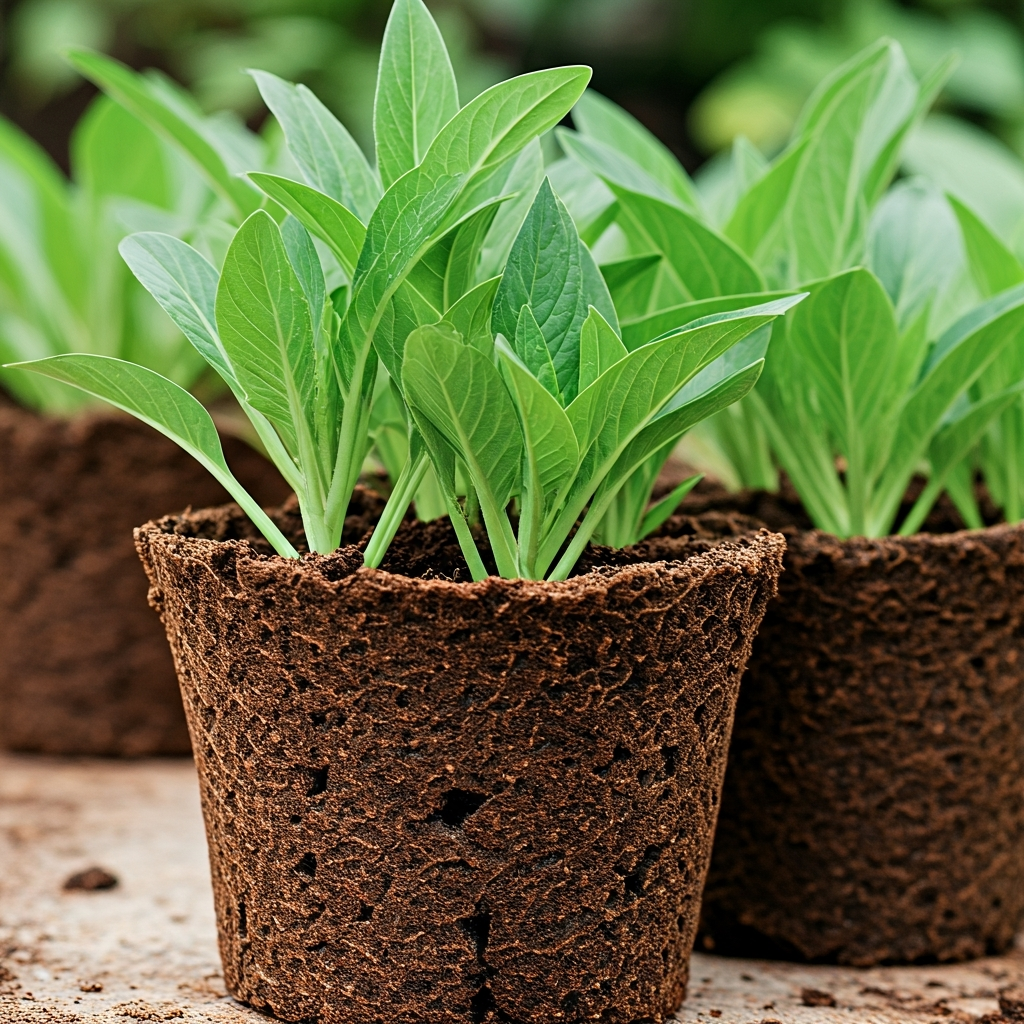
The Complete Guide to Cocopeat: Uses, Benefits & Best Plants for a Thriving Garden
Menggunakan cocopeat is a transformative step for any gardener seeking a healthier, more sustainable garden. If you’ve been searching for a superior alternative to traditional soils and peat moss, your search ends here. This guide provides everything you need to know to master this incredible growing medium.
For decades, gardeners relied on peat moss, but growing environmental concerns over peat bog destruction have paved the way for a more sustainable hero. Enter cocopeat, a versatile byproduct of the coconut industry. In fact, the global market for coco coir products is projected to grow substantially, highlighting a major shift towards eco-friendly gardening practices.
What is Cocopeat? From Coconut Husk to Garden Gold
Cocopeat is a 100% natural growing medium made from the fibrous pith found between a coconut’s hard internal shell and its outer coat. Once considered a waste product, this material is now celebrated for its remarkable properties that enhance plant growth.
After being harvested, the coconut husks are aged, washed, dried, and often compressed into bricks or blocks for easy transport and storage. This process results in a sterile, lightweight, and soil-free medium perfect for a variety of horticultural applications. Before use, a compressed brick of cocopeat is rehydrated with water, swelling up to 5-7 times its original volume and creating a fluffy, soil-like substrate.

The Three Main Types of Cocopeat Products
Cocopeat is not a one-size-fits-all product. It comes in three primary forms, each with unique properties that are often blended to create the perfect mix:
- Coco Pith (or Coco Dust): This has a fine, peat-like texture. It boasts excellent water retention, making it ideal for most gardening applications, but it requires good drainage to prevent waterlogging.
- Serat Kelapa: These are the longer, stringy fibers that improve aeration. While they don’t hold much water, they create essential air pockets in the growing medium, allowing oxygen to reach plant roots.
- Coco Chips: These are small chunks of the coconut husk that function like bark or perlite. They provide large air gaps while also retaining water, creating a balanced and long-lasting structure for roots.
10 Proven Benefits of Using Cocopeat in Your Garden
The advantages of incorporating cocopeat into your gardening are numerous. It’s not just a sustainable choice; it actively improves plant health and vigor.
- Kemampuan Retensi Air yang Unggul: Cocopeat can hold up to 10 times its weight in water, ensuring a consistent moisture supply to plant roots and reducing the frequency of watering.
- Excellent Aeration and Drainage: Despite its high water retention, the fibrous structure of cocopeat prevents compaction. This creates essential air pockets that deliver oxygen to roots, preventing root rot.
- Neutral pH Level: Typically having a pH between 5.5 and 6.8, cocopeat is ideal for most plants without the need for lime amendments that acidic peat moss requires.
- Environmentally Sustainable: As a byproduct of the coconut harvest, it’s a renewable and eco-friendly alternative to peat moss, the mining of which destroys valuable wetland ecosystems.
- Reduces Pests and Diseases: Cocopeat is naturally anti-fungal due to its high lignin content, helping to suppress pathogens like Pythium and Phytophthora and creating a healthier root environment.
- Promotes Strong Root Growth: Its airy, loose structure allows roots to expand effortlessly, leading to a more robust and extensive root system.
- Lightweight and Easy to Handle: Whether in compressed brick form or fluffed up, it is significantly lighter than soil, making it perfect for container gardening, hanging baskets, and rooftop gardens.
- Reusable and Durable: Cocopeat breaks down very slowly thanks to its lignin content. It can be reused for several growing cycles with proper care, offering excellent value. According to a study on soilless substrates, its physical properties remain stable over long periods.
- Nutrient-Free Blank Slate: It contains minimal nutrients, giving you full control over your plant’s nutrition through liquid fertilizers. This is particularly advantageous in hydroponics.
- Easy to Store: Compressed bricks are small, easy to transport, and can be stored indefinitely as long as they are kept dry.

Cocopeat vs. Peat Moss vs. Soil: A Head-to-Head Comparison
How does cocopeat stack up against other common growing media? This table breaks down the key differences to help you choose the best option for your garden’s needs.
| Fitur | Cocopeat | Gambut | Topsoil |
|---|---|---|---|
| Sumber | Kulit Kelapa (Terbarukan) | Rawa Sphagnum (Tidak Terbarukan) | Natural Earth Layer |
| Keberlanjutan | Tinggi | Sangat Rendah | Sedang |
| Retensi Air | Bagus sekali | Bagus sekali | Variabel |
| Tingkat pH | 5.5 – 6.8 (Ideal) | 3.5 – 4.5 (Acidic) | Variabel |
| Rewets Easily | Yes | No (Hydrophobic when dry) | Yes |
| Jangka hidup | 2-4 Years | 1-2 Years | Permanent (but compacts) |
How to Prepare and Use Cocopeat: A Step-by-Step Guide
Preparing cocopeat is simple, but one step—buffering—is crucial for preventing nutrient lockout and ensuring plant health. Here’s how to prepare it correctly.
- Rehydration: Place your compressed cocopeat brick in a large container, like a wheelbarrow or a storage tote. Add the amount of warm water specified on the packaging (typically 15-20 liters for a 5kg brick).
- Expansion: Wait 20-30 minutes for the brick to absorb the water and expand. It will transform into a dark, fluffy material. Break up any remaining chunks with your hands or a small trowel.
- Buffering (The Crucial Step): Raw cocopeat is high in sodium and potassium, which can interfere with calcium and magnesium uptake. To buffer, soak the hydrated cocopeat in a solution of calcium nitrate and magnesium sulfate for 8-12 hours, then rinse thoroughly. Note: Many high-quality brands sell pre-buffered cocopeat, saving you this step.
- Percampuran: For a balanced potting mix, you can use pure cocopeat or create a blend. A popular recipe is 50% cocopeat, 30% perlite (or pumice), and 20% compost or worm castings.
- Planting: Use your prepared cocopeat mix just as you would any other potting soil for containers, seed starting, or amending garden beds.
Tips dari Pakar: The rinse water from low-quality cocopeat can be dark brown due to tannins. While mostly harmless, high-quality, aged cocopeat will have a much clearer runoff, indicating a more stable product.
Best Plants for Cocopeat: What Thrives and What Doesn’t
Because of its excellent water retention and aeration, cocopeat is a fantastic choice for a wide variety of plants. Here are some of the best plants to grow in it.
Vegetables and Fruits
- Tomatoes, Peppers, and Cucumbers: These heavy feeders and drinkers love the consistent moisture and root aeration.
- Leafy Greens: Lettuce, spinach, and kale grow rapidly in the loose structure of cocopeat.
- Root Vegetables: Carrots and radishes can grow straight and uniform without the resistance of dense soil.
- Strawberries: Often grown in hanging baskets or vertical towers, they benefit from the lightweight nature of the medium.
Flowering and Indoor Plants
- Orchids and Anthuriums: Many epiphytes thrive in a chunky cocopeat mix that mimics their natural growing environment.
- Roses: Benefit from the excellent drainage and aeration, which helps prevent fungal root diseases.
- Succulents and Cacti: While it seems counterintuitive, a mix of cocopeat chips and perlite provides the fast drainage these plants require.
While most plants do well, avoid using pure cocopeat for mature trees or large shrubs that need the structural support and microbial diversity of native soil.

Beyond the Pot: Cocopeat for Hydroponics and Seed Starting
The versatility of cocopeat extends beyond traditional container gardening. Its unique properties make it a star performer in more specialized applications.
Excellent for Seed Starting
Cocopeat’s fine, sterile texture provides an ideal environment for delicate seedlings. It holds moisture evenly, promoting germination without waterlogging, and its anti-fungal nature helps prevent “damping off” disease. Its loose structure also makes it easy for young roots to develop and for you to transplant seedlings without causing root shock.
A Top Choice for Hydroponic Systems
In hydroponics, cocopeat is a leading substrate choice. As an inert medium, it gives growers full control over nutrient delivery. Its superior water-holding capacity acts as a buffer against pump failure, while its excellent aeration keeps roots oxygenated. For more information on soilless systems, university extensions like the University of Minnesota Extension offer valuable resources. Some advanced agricultural operations also use byproducts like Garam Kalsium dari Asam Lemak Minyak Sawit to optimize yields.
Makmur Amanah Sejahtera menyediakan produk kelapa sawit berkualitas tinggi seperti Mesin Pengekstrak Inti Sawit, Cangkang Inti Sawit, Crude Palm Oil, Palm Kernel Oil, and Tepung Kopra. Kindly contact us at WhatsApp +6282140002198 atau kirim email kepada kami di admin@makmuramanah.co.id.
Pertanyaan yang Sering Diajukan Tentang Cocopeat
Is cocopeat better than soil?
Cocopeat excels for containers and hydroponics due to its sterility, light weight, and superior water control. Soil offers natural nutrients and microbes but can be heavy and compact. So, it’s not “better,” but different, depending on the application.
What are the disadvantages of cocopeat?
The main drawbacks are its lack of nutrients, which means you must provide all plant food. Low-quality, unbuffered cocopeat can also have high salt levels that may harm plants. It also offers less structural support for very large plants.
Berapa lama cocopeat bertahan?
Cocopeat breaks down very slowly due to its high lignin content. It typically remains an effective growing medium for 2 to 4 years before its structure starts to degrade, making it a cost-effective and durable choice for gardeners.
Can you reuse cocopeat?
Yes, reusability is a key benefit. After a growing season, simply remove old roots, flush the medium thoroughly to remove any built-up fertilizer salts, and you can use it again for a new crop of plants.
Do I need to add fertilizer to cocopeat?
Absolutely. Cocopeat is an inert medium with virtually no nutrients. You must supply 100% of your plant’s nutritional needs through a balanced liquid fertilizer, especially one formulated for soilless systems that includes calcium and magnesium.
Conclusion: The Future of Your Garden is Cocopeat
As we’ve seen, cocopeat offers an incredible array of benefits for almost any gardening scenario. From its sustainable origins to its unmatched water management and aeration capabilities, it empowers gardeners to grow stronger, healthier plants with less guesswork and environmental impact.
By understanding how to prepare and use it correctly, you can unlock a new level of success. Whether you’re starting seeds, potting up houseplants, or cultivating a hydroponic garden, making the switch to cocopeat is a decision you won’t regret. Embrace the power of the coconut and start using cocopeat today!
 Indonesian
  English
  Chinese
  Arabic