
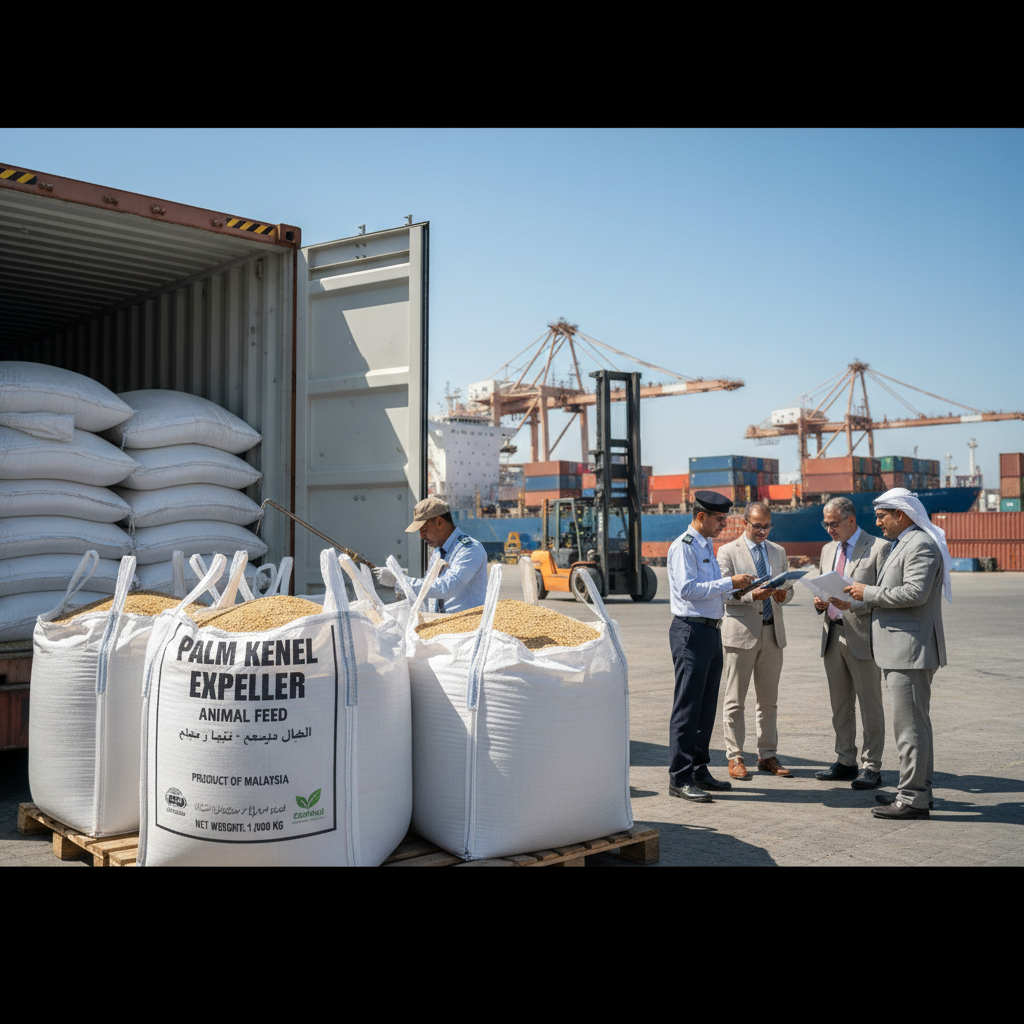
Palm Kernel Expeller (PKE) for Animal Feed in Egypt: A Complete 2026 Guide for Importers
Menggunakan Palm Kernel Expeller for animal feed in Egypt is no longer just an alternative; it’s a strategic imperative. For savvy importers aiming to secure a competitive edge in 2026, this guide provides the definitive roadmap to mastering PKE importation, from sourcing to formulation, ensuring you avoid common pitfalls and maximize profitability.
The Egyptian livestock and poultry sectors are expanding rapidly, but this growth brings a significant challenge: the rising cost and inconsistent supply of traditional feed ingredients. According to the Organisasi Pangan dan Pertanian (FAO), feed costs can represent up to 70% of total production expenses.
This economic pressure forces importers and farm owners to seek cost-effective, high-performance alternatives. Enter PKE, a byproduct of palm oil extraction that offers a potent combination of protein, energy, and fiber. This guide is for Egyptian importers, nutritionists, and farm managers, providing expert insights into leveraging PKE to its full potential.
Apa Sebenarnya yang Dimaksud dengan Palm Kernel Expeller (PKE)?
Palm Kernel Expeller (PKE), often called Palm Kernel Cake, is a nutrient-dense feed ingredient. It is a byproduct of the mechanical extraction of oil from the kernel of the oil palm fruit. After the kernel is crushed to release its oil, the remaining solid fibrous residue is PKE.
It is a globally recognized commodity prized for its balanced energy and protein content, making it a staple in livestock diets. Its consistency and availability make it a reliable component for feed mills worldwide.
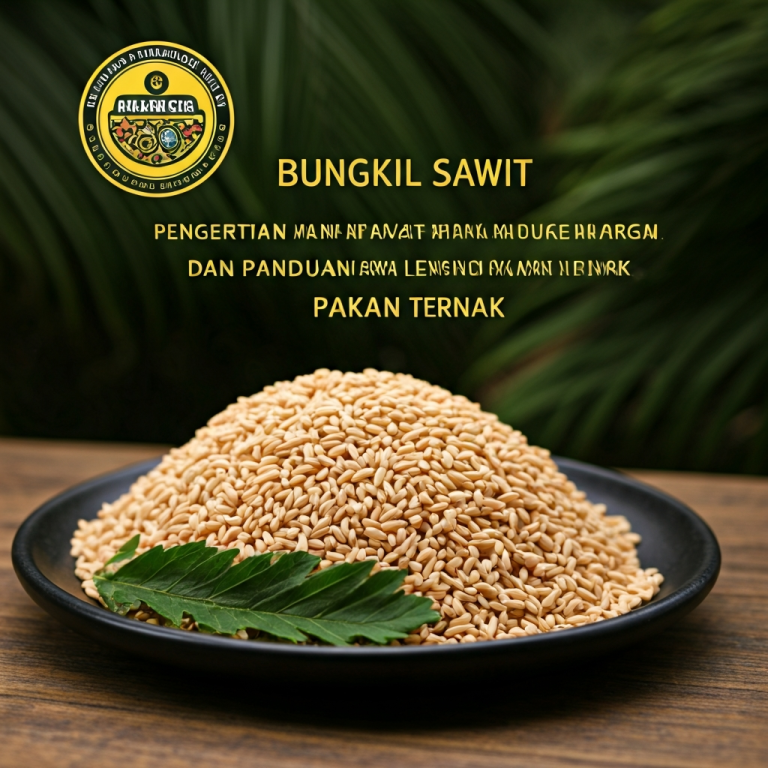
[Image: A high-quality, close-up shot of golden-brown Palm Kernel Expeller, showing its granular texture. | alt: Close-up of Palm Kernel Expeller for animal feed in Egypt. | title: High-Quality Palm Kernel Expeller (PKE)]
From Palm Fruit to Expeller: The PKE Production Process
Understanding the PKE production journey is crucial for quality assessment. The process is straightforward but requires precision to maintain the nutritional integrity of the final product.
- Panen: Ripe palm fruit bunches are harvested and transported to the mill.
- Sterilization & Threshing: Fruits are sterilized with steam to halt enzymatic reactions and then separated from the bunch.
- Ekstraksi Minyak: The fruit’s flesh (mesocarp) is pressed to produce Crude Palm Oil. The remaining nut is cracked open to retrieve the kernel.
- Penghancuran Biji: The palm kernel is then crushed and put through a screw press in a process known as mechanical extraction (or expelling). This separates the Palm Kernel Oil from the solid residue.
- Hasilnya: The leftover solid material, rich in protein and fiber, is the Palm Kernel Expeller. It is then dried to a safe moisture level (typically below 12%) for storage and transport.
PKE vs. Palm Kernel Meal (PKM): Key Differences
While often used interchangeably, PKE and PKM can differ based on the oil extraction method. It is vital for importers to understand this distinction, as it directly impacts nutritional value.
- Mesin Pengekstrak Inti Sawit (PKE): Produced via mechanical pressing. This method is less efficient at oil extraction, leaving a higher residual oil content of 6-10%. This fat content means higher metabolizable energy.
- Tepung Inti Sawit (PKM): Typically undergoes solvent extraction (using a solvent like hexane) after initial mechanical pressing. This results in a much lower residual oil content (1-3%) and a slightly higher protein percentage, but lower energy.
For most livestock applications, especially for ruminants, the balanced energy-protein profile of PKE is preferred.
Why Palm Kernel Expeller for Animal Feed in Egypt is a Game-Changer
The strategic shift towards using Palm Kernel Expeller for animal feed in Egypt is driven by clear economic and nutritional advantages. As traditional feed costs fluctuate, PKE provides a stabilizing, cost-effective solution without compromising animal performance.
Economic Advantages for Importers
For Egyptian feed importers, the primary benefit of PKE lies in its price stability and cost-effectiveness compared to soybean meal or corn. Sourced primarily from Indonesia and Malaysia, PKE offers a hedge against market volatility in other commodities.
Furthermore, its dense form allows for efficient shipping and storage, optimizing logistical costs. By integrating PKE, feed mills can lower the per-ton cost of their final product, passing savings to farmers or increasing their own profit margins.
Nutritional Profile: A Deep Dive
PKE is not just a filler; it is a valuable nutritional component. Its unique composition makes it particularly suitable for ruminant animals but also beneficial for monogastrics in controlled ratios.
- Protein Kasar: 14-18%
- Lemak Kasar: 6-10%
- Serat Kasar: 16-22%
- Energi yang Dapat Dimetabolisme: 2,200-2,500 kcal/kg for ruminants
The high fiber content is particularly beneficial for gut health in cattle, while the residual oil is an excellent source of energy. Moreover, PKE contains essential minerals like magnesium, iron, and zinc. For other feed options, you might consider Tepung Kopra, which offers a different nutritional profile.
Navigating the PKE Importation Process in Egypt
Successfully importing PKE into Egypt requires a clear understanding of regulations, logistics, and supplier vetting. A misstep in this process can lead to costly delays, customs issues, or receiving a substandard product.
Essential Egyptian Import Regulations (2026 Update)
As of 2026, all agricultural commodity imports into Egypt fall under the purview of the Ministry of Agriculture and the General Organization for Export and Import Control (GOEIC). Importers must ensure their shipment is accompanied by:
- Sertifikat Asal: Authenticated by the Chamber of Commerce in the origin country.
- Sertifikat Fitosanitari: Issued by the agricultural authority of the exporting country, certifying the PKE is free from pests and diseases.
- Sertifikat Analisis (COA): From an accredited lab, detailing the nutritional composition and confirming it is free from contaminants like Aflatoxin.
- Bill of Lading & Commercial Invoice.
For the most current regulations, it is always best to consult the official Egyptian Customs Authority website. Failure to comply can result in shipment rejection at ports like Alexandria or Port Said.
Finding Reliable PKE Suppliers
Your success hinges on the quality of your supplier. Look for established exporters with a proven track record and experience shipping to the Middle East. A reliable supplier will provide transparent documentation and consistent quality.
Ask for references, past performance data, and be wary of prices that seem too good to be true. Building a long-term relationship with a trustworthy supplier like Makmur Amanah Sejahtera is key to a stable supply chain.
[Image: Infographic concept titled “The PKE Journey to Egypt”. It shows the process from palm fruit harvesting in Indonesia -> oil extraction -> PKE production -> bulk carrier ship -> arrival in an Egyptian port (Alexandria/Port Said) -> use in a farm. | alt: Infographic showing the supply chain of PKE to Egypt. | title: PKE Supply Chain from Origin to Egypt]
PKE Application in Different Types of Animal Feed
The versatility of PKE allows for its inclusion in various animal diets. However, optimal inclusion rates vary significantly between species. Proper formulation by an animal nutritionist is key to unlocking its full value.
Formulating PKE for Ruminants (Cattle, Sheep)
PKE is exceptionally well-suited for ruminant animals. The high fiber content is a boon for rumen function, and its slow-release energy is ideal for dairy and beef cattle. Studies in journals like Ilmu dan Teknologi Pakan Ternak have repeatedly confirmed its efficacy.
- Sapi Perah: Can be included at 20-30% of the total ration. The high fiber aids in milk fat production.
- Sapi potong: Inclusion rates can go up to 50% in finisher rations, providing a cost-effective source of energy and protein for weight gain.
- Sheep & Goats: Generally included at 15-25% of the diet.
When balancing rations, consider supplementing with a product like Garam Kalsium dari Asam Lemak Minyak Sawit to boost energy for high-yielding dairy cows.
PKE vs. Soybean Meal for Egyptian Ruminant Feed
When formulating rations, it’s helpful to compare Palm Kernel Expeller for animal feed in Egypt against other common ingredients like Soybean Meal.
| Atribut | Mesin Pengekstrak Inti Sawit (PKE) | Soybean Meal (SBM) |
|---|---|---|
| Protein Kasar | 14-18% | 44-48% |
| Serat Kasar | 16-22% (High) | 3-7% (Low) |
| Manfaat Utama | Cost-effective energy & fiber | High-quality protein source |
| Ideal for… | Ruminants, balancing high-energy rations | Monogastrics (poultry, swine) |
| Titik Harga | Generally lower | Secara umum lebih tinggi |
Benefits for Poultry Feed
For monogastric animals like poultry, PKE must be used strategically. Its high fiber content is harder for them to digest than for ruminants. However, with proper formulation, it is still a valuable ingredient for cost management.
- Layers: Inclusion rates of 5-7% are common. The fibrous nature can have a positive effect on feather pecking and gut motility.
- Broilers: Typically limited to 3-5%, especially in starter feeds. Exceeding this can dilute the diet’s energy density and impact growth rates.
Quality Specs for Palm Kernel Expeller for Animal Feed in Egypt
Not all PKE is created equal. The quality of your imported Palm Kernel Expeller for animal feed in Egypt directly impacts animal health, performance, and your reputation. Importers must be vigilant about specifications.
[Image: A healthy-looking dairy cow eating from a trough that contains a mix of feed including PKE. | alt: Dairy cow in Egypt consuming a balanced ration with Palm Kernel Expeller for animal feed in Egypt. | title: Optimizing Dairy Feed with PKE]
Understanding the Certificate of Analysis (COA)
The COA is your most important quality control document. Do not finalize a purchase without reviewing it. Key parameters to check are:
- Kelembapan: Must be below 12% to prevent mold and bacterial growth during transit and storage.
- Protein Kasar: Should be within the 14-18% range, as promised by the supplier.
- Lemak Kasar: Look for 6-10% for mechanically expelled PKE.
- Aflatoksin: This is non-negotiable. It must be well below the maximum limit set by Egyptian authorities (typically <20 ppb). High levels are toxic to livestock.
Common Quality Issues and How to Avoid Them
Vigilance is key to preventing costly mistakes with low-quality PKE.
How to Spot and Avoid Low-Quality PKE
- Adulteration: Some suppliers may mix in cheaper materials like Cangkang Inti Sawit or sand to increase weight. A high ash content (>6%) on the COA is a major red flag.
- Mold Growth: Look for visual signs of mold or a musty smell upon arrival. This is caused by high moisture content (>12%) and poor storage.
- Overheating: If the PKE appears very dark brown or black and has a burnt smell, it was likely overheated during drying. This damages protein digestibility and reduces nutritional value.
The best prevention is working with reputable exporters and using a third-party inspection service at the port of loading.
A Grade Above: The Ideal PKE for the Egyptian Market
The ideal PKE for Egypt has a golden-brown color, a fresh nutty smell, and a granular texture. It meets all COA specifications and arrives in clean, well-packed containers. Insisting on this quality ensures you deliver a superior product to your end-users, building a reputation for excellence.
While PKE is a primary focus, importers also diversify with other high-value palm-based products. These can range from high-energy cooking oils like RBD CP8 to sustainable agricultural amendments like Cocopeat.
Makmur Amanah Sejahtera menyediakan produk kelapa sawit berkualitas tinggi seperti Mesin Pengekstrak Inti Sawit, Palm Kernel Shell, Crude Palm Oil, Palm Kernel Oil, etc. Kindly contact us at WhatsApp +6282140002198 atau kirim email kepada kami di admin@makmuramanah.co.id.
Pertanyaan yang Sering Diajukan (FAQ)
What is the ideal inclusion rate for PKE in poultry feed?
For poultry, PKE inclusion is conservative due to its high fiber. Limit it to 3-5% for broilers. For laying hens, 5-7% is acceptable and can improve gut health. This helps manage feed costs without significantly impacting performance.
Is PKE suitable for dairy cows?
Absolutely. PKE is excellent for dairy cows, includable at 20-30% of the ration. Its high digestible fiber boosts rumen function and supports milk fat synthesis, making it an economically smart choice for improving herd nutrition and profitability.
How do I verify the quality of a PKE shipment upon arrival?
Upon arrival in Egypt, draw a sample for visual inspection (mold, color, smell). Most importantly, send this sample to an accredited local lab to independently verify protein, moisture, and aflatoxin levels against the supplier’s Certificate of Analysis (COA).
What’s the main difference between PKE and Copra Meal?
The main difference is the source plant. PKE derives from oil palm fruit kernels, while Copra Meal comes from dried coconut. PKE typically has higher fiber content, whereas Copra Meal is often valued for its superior protein quality and high palatability.
Can PKE be used in fish feed (aquaculture)?
Yes, but its use is limited. PKE can be included in diets for herbivorous fish like tilapia at levels up to 30%. However, its high fiber and lower protein digestibility make it unsuitable for most carnivorous fish species.
Conclusion: Your Competitive Edge in the Egyptian Feed Market
The integration of high-quality PKE into Egypt’s animal feed industry is a strategic decision with profound benefits. For importers, it offers a path to lower costs, stable supply, and a competitive edge. For farmers, it provides a reliable, nutrient-dense ingredient that can sustain livestock performance.
By understanding the production process, navigating import regulations diligently, and prioritizing quality, you can unlock the full potential of this commodity. As the market evolves beyond 2026, those who master the supply chain will lead the industry.
[Image: Embedded Video Concept. Title: “How to Test PKE Quality: A 3-Minute Guide for Importers”. A short video showing a professional visually inspecting PKE, checking for mold, and explaining how to read a Certificate of Analysis. | alt: Video guide on testing PKE quality. | title: How to Test PKE Quality]
In conclusion, the strategic importation of Palm Kernel Expeller for animal feed in Egypt offers a powerful competitive advantage. Mastering this supply chain will position you to lead the market, delivering value from the port all the way to the farm.
 Indonesian
  English
  Chinese
  Arabic