

Discovering what is cocopeat used for can transform your home gardening or commercial agriculture operations into highly efficient, sustainable growing systems. As global growers transition away from non-renewable resources, this natural coconut coir pith has quickly emerged as the gold standard for modern cultivation.
Cocopeat, also known as coconut coir substrate, is an eco-friendly organic soilless medium derived from processed coconut husks. It offers incredible water retention capability, root aeration, and a neutral pH environment, making it ideal for both home gardens and commercial operations.
What Is Cocopeat Used For in Modern Agriculture?
To understand what is cocopeat used for across global farming, we must examine its physical structure. Derived from the fibrous outer husk of coconuts, coir pith acts as a high-performance growing medium, soil amendment, and hydroponic substrate.
According to horticultural research published by the Departemen Pertanian Amerika Serikat (USDA), sustainable organic amendments enhance moisture retention and soil structure in degraded agricultural lands.
For commercial agricultural managers seeking top-tier raw materials, integrating eco-friendly substrates like commercial-grade Cocopeat offers an effective way to optimize irrigation cycles and accelerate early root development.
[Image: High-quality hydrated cocopeat substrate being held in hands showing fluffy texture | Alt: Detailed demonstration of what is cocopeat used for in modern soil conditioning | Title: What Is Cocopeat Used For – Soil Texture Analysis]
7 Primary Uses of Cocopeat Every Grower Should Know
When asking what is cocopeat used for in everyday cultivation, growers find its applications extend far beyond basic potting soil. Here are seven primary ways coir pith improves plant health and agricultural productivity:
- Seed Starting and Propagation: Provides a lightweight, sterile texture for fragile seedling roots to penetrate easily.
- Hydroponic Crop Production: Serves as an inert substrate for recirculating liquid fertilizer systems in commercial greenhouses.
- Clay Soil Conditioning: Breaks up heavy, compacted clay soils to improve water drainage and oxygen movement.
- Commercial Potting Mix Base: Replaces non-renewable Sphagnum peat moss in standard potting soils to create light root zones.
- Protective Surface Mulching: Acts as an insulating top layer to minimize evaporation, suppress weeds, and prevent topsoil erosion.
- Vermicomposting Worm Bedding: Creates a moist, high-carbon habitat that supports earthworm health without compacting over time.
- Mushroom Casing Layer: Delivers a clean, carbon-rich casing layer optimal for mycelium expansion and fruiting body formation.
1. Understanding What Is Cocopeat Used For in Seed Starting & Propagation
When evaluating what is cocopeat used for during plant propagation, seedling establishment rates stand out immediately. Young seedlings require an uncompacted, moisture-retentive medium to form healthy feeder root systems.
Because processed coir pith is naturally sterile, it protects fragile young roots from soil-borne fungal pathogens like Pythium and Rhizoctonia. Furthermore, its spongy cellular matrix retains water evenly, preventing delicate seeds from drying out during germination.
2. Hydroponic Crop Production & Soilless Cultivation
Memahami benefits of using coconut coir in hydroponics gives commercial growers a distinct edge. In controlled environment agriculture (CEA), crops rely on liquid nutrient solutions delivered directly to the root zone.
Cocopeat provides high capillary action while maintaining 20% to 30% air-filled porosity when fully saturated. This unique air-to-water ratio prevents root rot while optimizing oxygen delivery during fertigation.
3. Soil Conditioning for Heavy Clay & Sandy Soils
Applying coir as a natural soil amendment fundamentally improves coarse sand and dense clay. In sandy soils, the fibrous particles lock in moisture and soluble minerals that would otherwise leach away into the subsoil.
Conversely, mixing coir pith into dense clay fractures hard crusts, allowing air and plant roots to penetrate easily. Over time, this natural amendment creates a resilient crumb structure in agricultural topsoil.
4. Sustainable Potting Mix Base & Peat Moss Replacement
Traditional container nursery mixes relied heavily on mined peat moss. However, ecological concerns have pushed commercial growers to search for renewable alternatives for sustainable gardening.
Cocopeat breaks down much slower than peat moss due to its high lignin content. This resistance to decay ensures container mixes preserve structural aeration for up to five full growing seasons.
[Image: Comparative Infographic diagram comparing moisture retention and air porosity between cocopeat and peat moss | Alt: Infographic showing what is cocopeat used for compared to traditional peat moss | Title: What Is Cocopeat Used For – Substrate Comparison Infographic]
5. Protective Mulching & Topsoil Moisture Conservation
Spreading a 2-inch layer of coarse coir pith across garden beds creates a protective insulating barrier against harsh solar heat. This blanket reduces topsoil evaporation, cutting farm water demands by up to 30%.
Additionally, coir mulch buffers soil temperature fluctuations between daytime heat and nighttime cooling. This thermal protection shields delicate microflora and Earthworm populations active near the surface.
6. Eco-Friendly Worm Bedding in Vermicomposting Systems
Vermicomposting operations require a stable, high-carbon substrate that holds moisture without decomposing into anaerobic sludge. Coir pith creates the ideal moist home for Red Wigglers (Eisenia fetida).
The neutral pH of quality coir prevents skin irritation in earthworms, encouraging faster consumption of organic food scraps. It also absorbs odors, keeping indoor vermicomposting bins clean and fresh.
7. Mushroom Cultivation & Mycelium Casing Medium
Mushroom cultivators rely on unfertilized coir as a sterile casing layer over grain spawn blocks. The substrate maintains continuous humidity required to induce pinhead formation in gourmet mushroom varieties.
Because raw coir contains complex structural cellulose, mushroom mycelium colonizes the medium efficiently without competing against wild bacterial contaminants.
Cocopeat vs. Potting Soil: Detailed Comparison
Many home gardeners wonder what is cocopeat used for when compared directly against standard potting soil. While typical potting soil contains mineral dirt, organic compost, and sand, coir pith is a pure organic fiber.
Analyzing a cocopeat vs potting soil comparison helps growers select the ideal substrate for container plants:
| Feature / Characteristic | Cocopeat Substrate | Standard Potting Soil |
|---|---|---|
| Retensi Air | Extremely High (700%–800% dry weight) | Moderate (200%–300% dry weight) |
| Air Porosity & Aeration | High (25%–30% air space) | Low to Moderate (compacts over time) |
| pH Balance | Slightly Acidic to Neutral (5.8–6.5) | Variable (5.0–7.5, requires agricultural lime) |
| Pathogen & Weed Risk | Naturally Sterile | May contain weed seeds, fungal spores & pests |
| Dapat digunakan kembali | Reusable up to 3–5 growing cycles | Single-season use (looses structure quickly) |
| Cation Exchange Capacity (CEC) | High (60–90 meq/100g) | Moderate (20–40 meq/100g) |
| Dampak Lingkungan | Sustainable byproduct of coconut harvesting | Mining depletes natural topsoil and peatlands |
Understanding these fundamental differences helps nursery managers blend custom substrates tailored to specific plant species.
Physiological Benefits of Using Coconut Coir Substrate
Integrating coir pith into cultivation systems yields clear physiological advantages for crops. As documented in Wikipedia’s coir overview, coconut fibers resist structural breakdown for multiple years.
Key plant physiological advantages include:
- Reduced Irrigation Frequency: Superior retention cuts water demands, safeguarding plants during heat waves.
- Accelerated Root Branching: High oxygen diffusion stimulates vigorous lateral root branching throughout containers.
- Suppression of Root Diseases: Exceptional drainage inhibits root rot and fungus gnat breeding common in wet composts.
- Eco-Friendly Peat Substitution: Utilizing coir preserves delicate wetland peat bog ecosystems worldwide.
Furthermore, peer-reviewed research published in Frontiers in Plant Science demonstrates that optimizing root zone gas exchange using coconut coir yields measurable increases in overall crop biomass.
[Image: Hydroponic tomato crop growing in cocopeat substrate grow bags inside modern greenhouse | Alt: Hydroponic setup demonstrating what is cocopeat used for in commercial farming | Title: What Is Cocopeat Used For – Hydroponic Greenhouse Application]
How to Prepare and Use Cocopeat Blocks (Step-by-Step Guide)
To master how to prepare cocopeat blocks for planting, growers must properly rehydrate and buffer compressed bricks. Follow this simple guide for optimal results:
Step 1: Hydration and Expansion Techniques
Place your dry coir block into a large tub. Add warm water (approximately 4–5 liters per 1 kg block) and allow it to absorb for 15 minutes. Break apart the expanded material using your hands or a garden fork until soft and fluffy.
Step 2: Buffering Unbuffered Coir with Calcium and Magnesium
Raw coconut coir contains naturally occurring sodium and potassium ions locked inside its fiber matrix. Flush unbuffered coir with a Calcium-Magnesium (Cal-Mag) solution to displace these salts and stabilize the cation exchange sites.
According to extension guides from the University of Florida IFAS Extension, proper buffering prevents calcium lockouts in high-value container horticultural crops.
Step 3: Mixing Ratios for Custom Growing Media
Learn how to use cocopeat for indoor plants by mixing 50% hydrated coir pith, 30% organic compost, and 20% perlite. This creates a light, nutrient-rich soilless medium perfect for potted indoor house plants.
[Image: Step-by-step visual demonstration showing compressed coir block hydration in water tub | Alt: Step-by-step guide illustrating what is cocopeat used for in seedling preparation | Title: What Is Cocopeat Used For – Block Rehydration Steps]
Sustainable Synergies: Integrating Agricultural Byproducts
Modern commercial agriculture relies on circular resource loops to maximize efficiency and reduce operational waste. Integrating premium growing substrates like commercial Cocopeat works hand-in-hand with broader agricultural byproduct utilization.
For instance, livestock operations utilize high-nutrient feed supplements like Mesin Pengekstrak Inti Sawit and protein-dense Tepung Kopra to maintain optimal herd nutrition alongside sustainable crop farming.
Additionally, renewable bio-energy sources such as Cangkang Inti Sawit provide efficient biomass fuel for boilers that heat commercial greenhouses during winter cultivation.
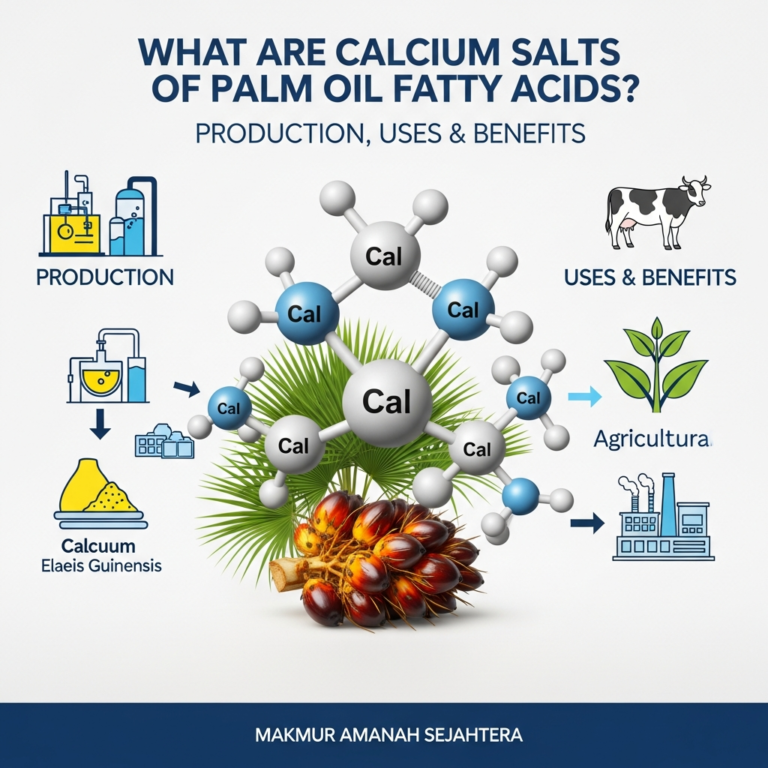
Processed derivatives like RBD CP8 olein and specialized livestock fats such as Garam Kalsium dari Asam Lemak Minyak Sawit showcase how sustainable palm and coconut industries support global food production ecosystems.
Looking for Premium Palm & Coconut Agricultural Products?
Makmur Amanah Sejahtera Menyediakan produk-produk kelapa sawit berkualitas tinggi seperti bungkil inti kelapa sawit, cangkang inti kelapa sawit, minyak kelapa sawit mentah, minyak inti kelapa sawit, dll. Silakan hubungi kami di WhatsApp +6282140002198 atau kirim email kepada kami di admin@makmuramanah.co.id.
Frequently Asked Questions About What Is Cocopeat Used For
Is cocopeat better than regular soil?
Cocopeat offers superior water retention capability and root zone oxygenation compared to standard topsoil. While natural dirt contains minerals, coir pith is sterile and pest-free, giving growers complete control over fertilizer delivery in container pots and hydroponic growing systems.
Does cocopeat contain natural nutrients for plants?
No, unamended coir pith contains virtually no essential plant macro-nutrients. It functions as an inert growing medium. Commercial growers must supplement crops cultivated in pure coir with balanced liquid fertilizer formulations, organic compost, or slow-release fertilizer granules.
How long does cocopeat last in container pots?
Cocopeat breaks down exceptionally slowly due to its high natural lignin content. It maintains structural porosity in container pots for 3 to 5 years without compacting, outlasting peat moss and reducing substrate replacement costs for long-term perennial crops.
How do you mix cocopeat with potting soil?
A highly effective standard recipe is blending 50% hydrated coir pith, 30% organic compost, and 20% perlite. This mixture provides high moisture retention, micro-nutrients, and fast drainage necessary for vigorous root establishment in potted indoor plants.
Why is coir buffering necessary before planting?
Unbuffered coir naturally binds to calcium and magnesium ions while releasing sodium and potassium into the root zone. Buffering coir pith with a concentrated Cal-Mag rinse neutralizes these cation sites, preventing nutrient deficiencies in delicate vegetable seedlings.
Kesimpulan
Understanding exactly what is cocopeat used for empowers modern farmers and home gardeners to optimize root aeration, conserve water, and accelerate crop growth across any agricultural application. Whether utilized as a soil amendment, hydroponic substrate, or seed propagation mix, coir pith remains an essential tool for high-yield farming.
By implementing the rehydration methods, buffering steps, and substrate mixing ratios detailed in this guide, you can maximize crop yields while advancing sustainable cultivation in 2026. Explore premium coconut and palm products today to upgrade your agricultural operations!
 Indonesian
  English
  Chinese
  Arabic