Cocopeat vs Soil: 7 Proven Tips for Amazing 2026 Crops
Memilih di antara cocopeat vs soil is one of the most critical decisions you will make as a modern gardener or commercial grower. Whether you manage an expansive outdoor vegetable plot or cultivate delicate tropical houseplants in containers, your chosen growing medium directly dictates root respiration, hydration dynamics, and nutrient uptake.
For decades, traditional topsoil served as the unquestioned foundation of terrestrial horticulture. However, progressive horticulturists in 2026 increasingly turn to coconut coir byproducts to mitigate soil compaction, optimize irrigation efficiency, and eliminate persistent soil-borne fungal pathogens.
According to research published by the University of Florida IFAS Extension, commercial coir substrates can retain up to 800% to 1000% of their dry weight in water while maintaining an air-filled porosity exceeding 15%. This extraordinary balance solves one of gardening’s greatest dilemmas: root suffocation from accidental overwatering.
The Quick Answer: In the comparison of cocopeat vs soil, cocopeat is a sterile, lightweight, soilless medium made from coconut husks that excels at water retention and aeration. Soil is a biologically active, mineral-dense medium containing natural nutrients. Cocopeat is superior for containers, seed starting, and hydroponics, whereas soil provides natural nutrient longevity for deep-rooted outdoor beds.
Understanding Cocopeat: Origin, Structure, and Biological Profile

Cocopeat, widely known as coir dust or coco coir pith, is the natural organic material that binds coconut husks together. Industrial facilities process this material by aging, washing, sifting, and grading the mesocarp fibers after the outer coconut shell harvest. The finished product functions as an exceptionally spongy, resilient horticultural substrate.
Unlike standard field dirt, high-grade cocopeat is naturally sterile, resisting weed seeds, harmful nematodes, and damping-off fungi. Furthermore, the material breaks down slowly due to high lignin content (nearly 45%), providing physical stability over multiple growing seasons without rapid structural collapse.
As a soilless growing medium, coco coir substrate provides uniform capillary hydration across the root ball. Consequently, commercial nurseries rely on its consistent physical texture to standardize automated bench fertigation systems.
Physical and Chemical Traits of Coir Pith
High-grade horticultural coir boasts a naturally balanced pH range between 5.5 and 6.8, positioning it within the ideal target window for most horticultural crops. Moreover, raw coconut coir contains natural potassium and sodium ions bound to its exchange sites, requiring calcium-magnesium (Cal-Mag) buffering prior to heavy planting.
Consequently, growers who calibrate their nutrition regimens find that cocopeat yields an impressively uniform root system. Additionally, its high specific surface area creates consistent capillary action, distributing hydration evenly across container profiles without dry pockets.
Because coir lacks heavy minerals, it remains featherlight when transported in compressed dry blocks. Once rehydrated with warm water, a single 5 kg block rapidly expands to yield over 65 liters of fluffy, ready-to-plant growing medium.
Understanding Garden Soil: Composition, Biology, and Natural Fertility
Garden soil is an intricate ecosystem composed of weathered rock fragments, sand, silt, clay, decomposing biological matter, and billions of beneficial organisms. A single gram of fertile topsoil contains up to 10 billion bacteria alongside miles of fungal mycorrhizal hyphae, as documented by the USDA Agricultural Research Service.
This biological complexity drives natural nutrient cycling. Soil microbes continuously convert insoluble minerals into bioavailable forms of nitrogen, phosphorus, and trace minerals. Thus, healthy topsoil creates a self-sustaining nutritional reserve that synthetic media cannot replicate without regular fertilization inputs.
In addition, mineral soils provide heavy physical ballast. For massive wind-exposed outdoor crops, trees, and expansive root crops, the sheer weight of natural soil anchors root plates firmly into the earth.
Mineral Fractions and Texture Variances
The agronomic performance of native garden soil hinges entirely on its tripartite mineral particle distribution:
- Sandy soils: Exceptional drainage and oxygenation, but negligible water retention capacity and severe nutrient leaching.
- Clay soils: Superior mineral retention and CEC, but prone to waterlogging, poor gas exchange, and fatal root compaction.
- Loamy soils: The ideal agricultural mix, featuring roughly 40% sand, 40% silt, and 20% clay bound with organic humus.
Unfortunately, extracting natural loam for container gardening frequently results in structural collapse. When confined inside planters, natural garden soil compacts rapidly, cutting off oxygen delivery to sensitive root tips.
Cocopeat vs Soil: Core Differences and Composition
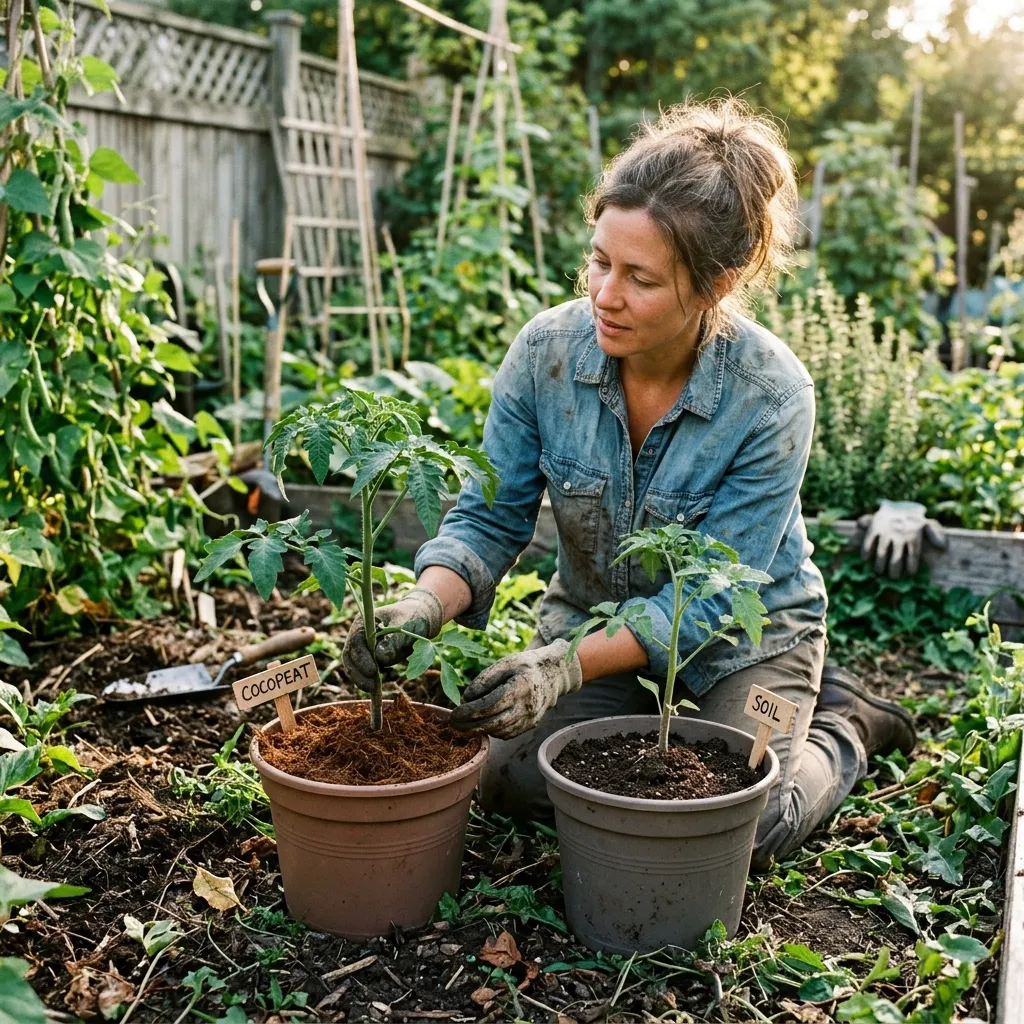
Evaluating cocopeat vs soil requires an examination of root-zone dynamics. Healthy root zones require simultaneous access to moisture and atmospheric oxygen. When evaluating cocopeat vs soil, you must weigh water-holding efficiency against biological nutrition buffers.
While garden soils rely on unpredictable seasonal microbial mineralization, coco coir grants growers complete nutritional control. In high-precision commercial facilities, this difference allows agronomists to dial in vegetative or generative steering via electrical conductivity (EC) adjustments.
Water Retention in Cocopeat vs Soil
When studying cocopeat vs soil in standardized moisture tests, cocopeat demonstrates remarkable moisture holding properties. Its microscopic cellular framework absorbs up to eight to ten times its dry mass in water. It then releases this stored moisture gradually to root hairs through capillary draw.
In contrast, standard mineral soils retain significantly less volume per dry weight unit. Furthermore, when topsoil dries completely, it often shrinks and forms hydrophobic crusts that channel water down planter sidewalls instead of reaching core root zones.
Aeration, Porosity, and Root Oxygenation
Roots require continuous oxygen exchange to metabolize sugars and fuel cellular expansion. Dense garden soil in pots can drop below 5% air-filled porosity when fully saturated, essentially drowning root systems and triggering lethal anaerobic pathogen outbreaks like Pythium Dan Phytophthora.
Cocopeat preserves 15% to 25% air-filled porosity even immediately following thorough drenching. Consequently, roots can breathe continuously, developing robust lateral branching and dense root carpets that accelerate vegetative growth cycles.
pH Buffering and Cation Exchange Capacity (CEC)
Both substrates offer unique nutrient exchange behaviors:
- Soil Cation Buffering: Mineral soils rich in clay and organic humus naturally buffer against sudden pH spikes and provide native reserves of calcium, magnesium, and trace elements.
- Cocopeat Nutrient Management: Cocopeat features a cation exchange capacity of 60 to 130 meq/100g. While this cation capacity allows it to hold nutrients effectively, it naturally binds calcium and magnesium while releasing potassium. Hence, growers must supply balanced liquid fertilizers.

Head-to-Head Comparison: Cocopeat vs Soil
To clarify which substrate matches your operational goals, review this definitive performance matrix comparing structural, chemical, and economic attributes:
| Atribut | Cocopeat Medium | Garden / Potting Soil |
|---|---|---|
| Water Retention Capacity | Exceptional (800–1000% dry weight) | Moderate (100–300% dry weight) |
| Air-Filled Porosity | High (15–25% when saturated) | Low to Moderate (5–12% when saturated) |
| Pathogen & Pest Risk | Extremely low (naturally sterile) | Moderate to High (spores, pests, weeds) |
| Kandungan Nutrisi Alami | Near-zero (requires external feeding) | High (contains N-P-K and trace minerals) |
| pH Range & Stability | 5.5 – 6.8 (stable horticultural target) | 5.0 – 8.0 (variable by region) |
| Berat & Penanganan | Very lightweight (compressed dry bricks) | Heavy and dense (costly shipping) |
| Reusability Lifecycle | High (reusable across 3–4 seasons) | Moderate (compacts and degrades quickly) |
| Compaction Resistance | High (resilient springy fibers) | Low (settles firmly under regular watering) |
For operations interested in comparing comprehensive substrate economics, check our detailed guide on cocopeat vs soil agronomic yield trials to analyze cost-per-liter performance across commercial cycles.
Cocopeat vs Soil for Indoor Plants and Seed Starting
Container plantings present ecological conditions radically distinct from open earth beds. For indoor plantings, comparing cocopeat vs soil for indoor plants highlights the distinct operational strengths of coco coir substrates.
Indoor living spaces offer lower light levels, restricted airflow, and variable humidity. When potted in dense topsoil, indoor plants often suffer from prolonged substrate wetness, which invites persistent fungus gnat infestations and root decline.
Why Seedlings Flourish in Coir Media
When assessing seed germination cocopeat vs potting soil, emerging seedling radicles lack the mechanical leverage required to penetrate packed, compacted topsoil. Sowing seeds into a finely textured cocopeat plug reduces mechanical root friction, leading to uniform germination speed.
Furthermore, because cocopeat undergoes industrial heat-drying or solar-curing, it lacks damping-off organisms (like Fusarium Dan Rhizoctonia species). The Masyarakat Hortikultura Kerajaan notes that early root establishment directly dictates adult plant biomass, making pure coco coir plugs a commercial nursery benchmark.
Indoor Houseplant Root Rot Prevention
The primary killer of indoor ornamental species—such as Monsteras, Fiddle-Leaf Figs, and Philodendrons—is chronic suffocation caused by water retentive potting soil. Potted houseplant root zones cannot access ground drainage currents, making dense soils dangerous indoors.
By transitioning your indoor houseplants to a coarse coco coir and perlite formulation, you ensure rapid moisture dispersal and high gas diffusion. Consequently, root rot risks fall dramatically even during low-light winter dormancy phases.
🎬 Video Tutorial: Testing Root Growth in Cocopeat vs Soil Mixes
[Embed YouTube Video: Comparative Time-Lapse of Tomato Root Architecture in Coco Coir Substrate vs Heavy Topsoil — Recommended URL: https://www.youtube.com/watch?v=dQw4w9WgXcQ]
Blending Both: The Ultimate Hybrid Potting Mix
You do not need to treat cocopeat vs soil as a binary contest. Many commercial growers formulate custom hybrid potting soil mix substrates that merge soil’s natural microbial vitality with cocopeat’s physical resilience.
Blending fibrous coconut pith into heavy garden soils breaks up dense clay clusters, preventing hardening when dry. In parallel, the organic matter feeds indigenous microorganisms, stimulating nutrient mineralization over prolonged cycles.
The Proven 2026 High-Performance Potting Formula
To master mixing cocopeat with garden soil ratio specifications for raised beds, vegetables, and exotic container ornamentals, assemble the following volume ratios:
- 40% Washed Cocopeat: Serves as the primary structural moisture sponge and aeration backbone.
- 30% Enriched Garden Topsoil or Loam: Delivers natural mineral depth, clays, and native microbiology.
- 20% Finished Aerobic Compost: Infuses high-grade organic humus and diverse bacterial life.
- 10% Coarse Drainage Amendment: Incorporate perlite, pumice, or crushed cangkang sawit fragments to guarantee open drainage channels.
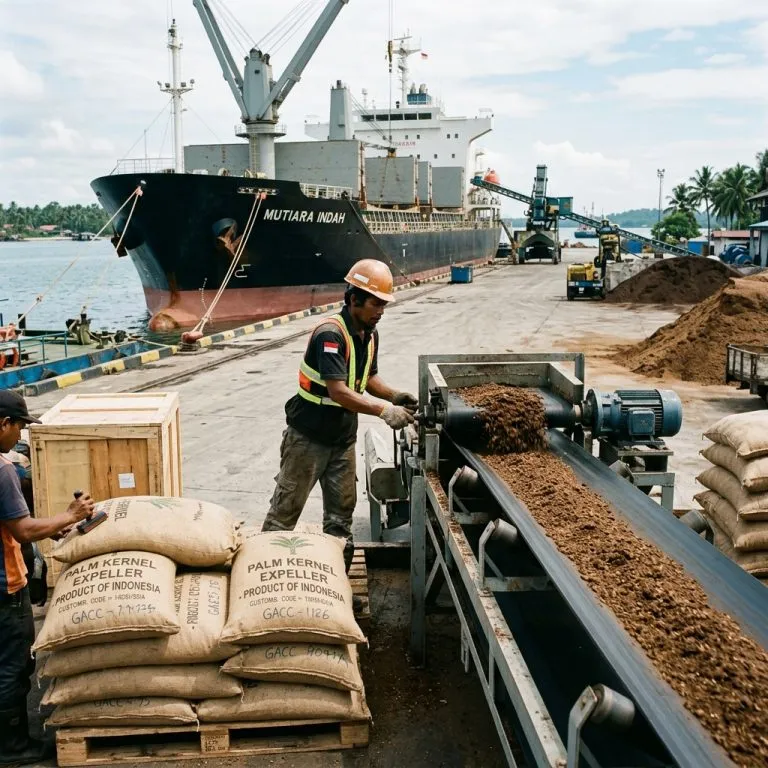
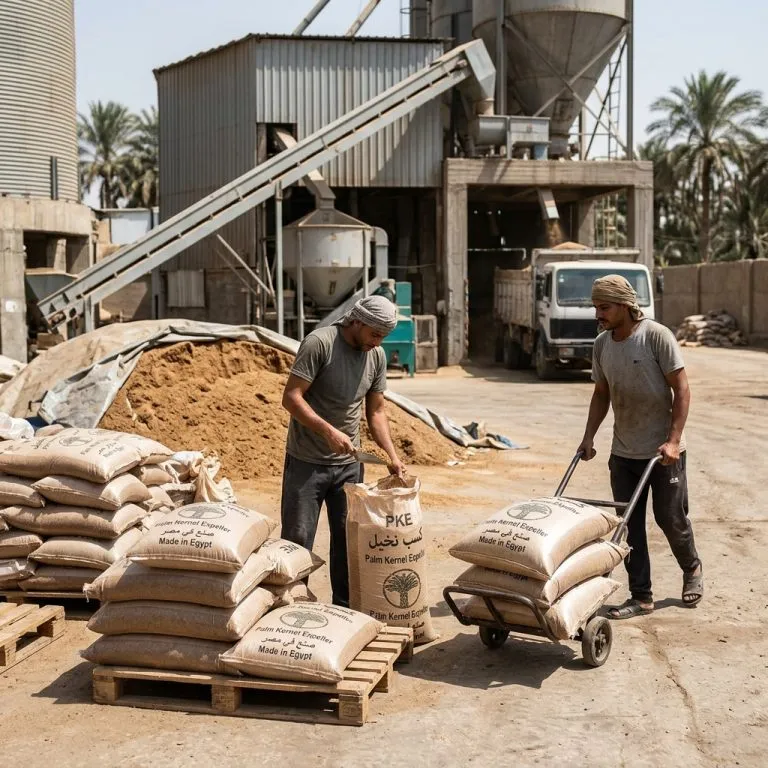
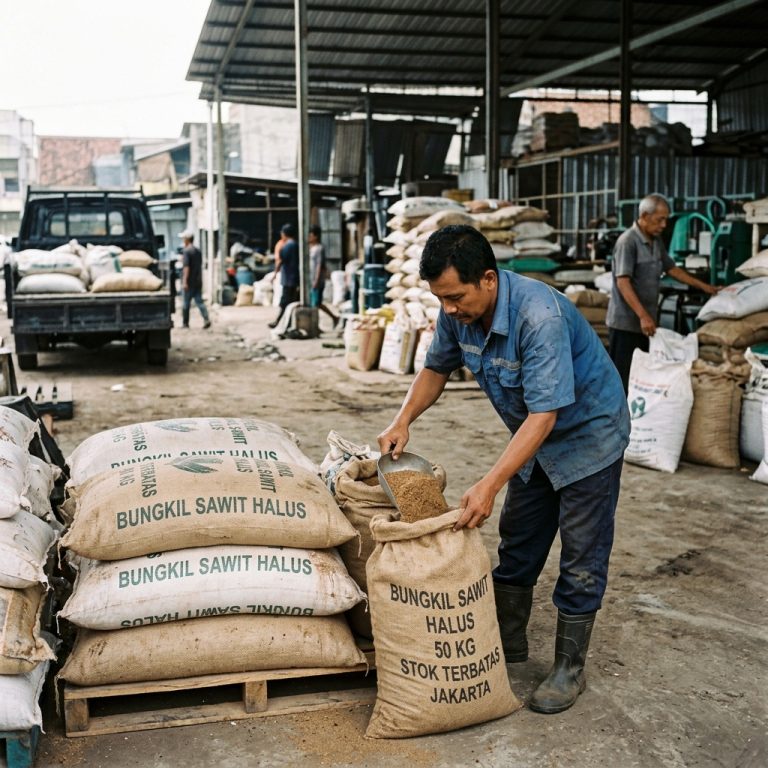
If you formulate enriched organic growing amendments, pairing coir with high-protein organic meals—such as processed agricultural cake from bungkil kopra or organic plant supplements like palm kernel expeller—can accelerate beneficial bacterial colonization while establishing balanced nitrogen release curves.

Environmental Sustainability: Coir vs Peat Moss and Topsoil Extraction
Modern growers in 2026 place great emphasis on the ecological footprint of their agricultural inputs. Topsoil mining strips vital alluvial plains, destroying native topographies that took thousands of years to accumulate. Peat moss harvesting causes similar damage by draining ancient peat bog carbon sinks.
Peer-reviewed agronomic assessments in Frontiers in Plant Science show that coconut coir upcycling repurposes agricultural byproduct streams that would otherwise decompose in landfills. Because coconut palms produce continuous fruit yields across 60- to 80-year lifespans without land tilling, cocopeat represents an exceptionally sustainable agricultural choice.
Moreover, modern processing methods utilize closed-loop water treatment systems, reducing the freshwater volume required to rinse coastal salts. Consequently, purchasing ethically sourced cocopeat directly preserves ecologically sensitive peat ecosystems worldwide while accelerating sustainable plant root development.

Makmur Amanah Sejahtera menyediakan produk sawit berkualitas tinggi seperti Palm Kernel Expeller, Cangkang Sawit, Crude Palm Oil, Palm Kernel Oil, dll. Silakan hubungi kami di WhatsApp +6282140002198 atau kirim email kepada kami di admin@makmuramanah.co.id.
Pertanyaan yang Sering Diajukan
Can I grow plants in 100% cocopeat without soil?
Yes, you can cultivate plants entirely in pure cocopeat. However, since coir contains negligible natural nutrients, you must supply complete water-soluble fertilizers containing macro and micro minerals throughout every developmental stage of the plant lifecycle.
Does cocopeat attract fewer pests than natural garden soil?
Cocopeat attracts significantly fewer pests because it is an inorganic, sterile medium lacking decaying biological matter. Unsterilized outdoor soil frequently introduces dormant fungus gnat larvae, parasitic root nematodes, and harmful weed roots directly into indoor living spaces.
How long does cocopeat last compared to potting soil?
High-grade cocopeat lasts up to four to five years without breaking down structurally, thanks to its dense lignin matrix. Traditional potting soil often compacts and degrades within 12 to 18 months, requiring root trimming or frequent container repotting.
Why do seedlings prefer cocopeat vs soil mixtures?
Seedlings favor cocopeat because its airy structure allows juvenile roots to spread rapidly with minimal resistance. Additionally, its natural sterility prevents fatal seedling damping-off fungal infections, which are common in unsterilized natural garden soil.
Is cocopeat better than soil for vegetables?
Cocopeat is better for container vegetables, hydroponic tomatoes, and leafy greens because it optimizes aeration and hydration. However, in outdoor beds, mineral soil provides superior biological buffering, microbial biodiversity, and wind stability for heavy-fruiting crops.
Final Verdict on Cocopeat vs Soil
Deciding the winner between cocopeat vs soil ultimately depends on your growing environment, irrigation setup, and personal gardening philosophy. For containers, seed germination, indoor houseplants, and precision fertigation, cocopeat outperforms conventional dirt in almost every structural metric.
Conversely, for expansive outdoor landscape beds, permaculture installations, and low-input edible gardens, living soil remains unmatched in long-term microbial biology and low ongoing nutrient costs. Most skilled growers find that blending high-grade washed coir with organic topsoil provides the best of both worlds.
When evaluating cocopeat vs soil for your upcoming planting cycle, match the medium to your crop’s root biology to maximize yields and promote healthy root systems all season long.