Mengetahui untuk apa cocopeat digunakan can permanently transform your horticultural success, nursery yields, and long-term soil health. Gardeners and commercial agronomists worldwide struggle with compacted potting soil, erratic irrigation cycles, and stunted root development. Cocopeat provides the ultimate natural solution, delivering an optimal balance of moisture retention, root oxygenation, and eco-friendly sustainability.
Agricultural researchers estimate that unsuitable potting media account for over 50% of home gardening failures. In contrast, commercial growers utilizing processed coconut coir report up to 40% faster root propagation. Whether you manage delicate indoor houseplants, run high-tech hydroponic gutters, or enrich exhausted garden beds, mastering this renewable material will elevate your harvest. This definitive guide unpacks the science, applications, and professional handling techniques you need for vibrant botanical growth.
What Is Cocopeat? (Featured Definition)
Cocopeat, commercially known as coco coir pith or coir dust, is a natural, fibrous growing medium extracted from the processed mesocarp of coconut husks (Cocos nucifera). It functions primarily as a sustainable, peat-free soil amendment, seedling substrate, and inert hydroponic growing medium celebrated for absorbing up to ten times its dry weight in water while maintaining outstanding pore aeration.
[Image: High-resolution close-up of rehydrated, fluffy organic cocopeat in an artisan wooden potting bench | Alt: rehydrated organic coir medium demonstrating what is cocopeat used for in nurseries | Title: Understanding What Is Cocopeat Used For]
What Is Cocopeat Used For in Commercial Agriculture?
Commercial agronomists continually evaluate untuk apa cocopeat digunakan across intensive greenhouse and field operations. Unlike dense field soils, processed coir pith boasts a resilient cellular matrix that resists natural compression. Furthermore, its chemical makeup resists rapid bacterial decay, allowing multiple crop cycles without structural breakdown.
According to research from the University of Florida IFAS Extension, horticultural coir demonstrates an ideal air-filled porosity ranging between 15% and 25%. This architectural balance ensures that root systems access dissolved oxygen even directly after heavy irrigation. Commercial greenhouses also combine coir with sustainable organic amendments such as Bungkil Kopra to fortify base biological fertility naturally.
Moreover, modern research from the Layanan Riset Pertanian USDA highlights how coir pith maintains physical integrity under intensive drip irrigation. Unlike standard sphagnum peat that slumps after prolonged feeding, coco coir pith maintains uniform drainage channels throughout extended commercial growing cycles.
What Is Cocopeat Used For: 7 Practical Applications
Understanding the versatile uses of coconut coir unlocks better gardening outcomes. Here are the seven primary agricultural, commercial, and domestic functions that define its widespread popularity:
1. Seedling Germination and Propagation Trays
Developing radicles require minimal physical resistance to establish early branching. Cocopeat provides a loose, uniform texture that fosters rapid root branching without binding fragile feeder roots. In addition, its natural sterile profile reduces the incidence of damping-off disease caused by pathogens like Pythium Dan Rhizoctonia.
When sowing tiny vegetable or flower seeds, fill propagation trays with finely screened coir. The material provides continuous hydration, eliminating severe moisture fluctuations that frequently abort tender sprouts during early germination.
2. What Is Cocopeat Used For in Hydroponics Systems?
Commercial hydroponic farmers frequently examine what is cocopeat used for in hydroponics operations, particularly closed-loop and run-to-waste drip setups. Cocopeat acts as an inert structural anchor for high-wire tomatoes, bell peppers, and Dutch strawberries. Because it contains negligible baseline nutrition, growers maintain pinpoint precision over electrical conductivity and liquid fertilizer dosing.
Cocopeat also exhibits an exceptional cation exchange capacity (CEC) ranging between 40 and 100 meq/100g. To source verified horticultural grades processed specifically for soilless cultivation, growers regularly rely on certified Cocopeat substrates engineered for uniform drainage.
3. Custom Potting Mix Formulation for Houseplants
Tropical indoor plants like Monsteras, Philodendrons, and Calatheas require potting substrates that balance moisture retention with root aeration. Traditional peat moss often turns severely hydrophobic when dry, shrinking away from nursery pot walls and resisting standard top-watering. In stark contrast, cocopeat re-wets effortlessly with plain water.
You can engineer a high-performance indoor potting mix using this balanced recipe:
- 40% buffered coco peat brick material for uniform water retention capacity
- 30% coarse horticultural perlite or pumice to maximize soil aeration
- 20% graded orchid bark for durable macro-pore drainage channels
- 10% screened worm castings for sustained microbial diversity
4. Substrate for Gourmet Mushroom Cultivation
Specialty mushroom cultivators depend heavily on pasteurized coir as a primary fruiting substrate. When mixed with coarse vermiculite, cocopeat serves as an exceptional bulk casing layer for edible species such as Pleurotus ostreatus (oyster mushrooms). Its high lignin concentration decomposes slowly, providing dependable moisture to expanding fungal mycelium.
Because coir lacks high concentrations of readily available simple sugars, it naturally deters unwanted airborne mold spores. This low contamination risk delivers significantly higher biological efficiency during multiple mushroom flushes.
5. Vermicomposting Bedding for Worm Farms
Composting earthworms like red wigglers (Eisenia fetida) need damp, carbon-dense environments to thrive. Many indoor hobbyists find that cocopeat produces the cleanest, virtually odorless bedding available. It absorbs heavy food leachate effortlessly without going sour or producing anaerobic pockets.
Unlike acidic pine shavings or ink-printed cardboard, coconut coir features a comfortable neutral pH that protects sensitive worm skin. This stable pH promotes continuous worm activity and faster conversion of kitchen scraps into organic castings.
6. In-Ground Soil Conditioning and Bed Remediation
Whether dealing with compacted clay or porous sand, blending washed coir into the top six inches of native earth transforms soil structure. In dense clay soils, the fibrous particles create essential air voids that prevent surface puddling. In contrast, sandy topsoils gain substantial water-holding capacity and mineral retention.
Academic investigations published in Scientia Horticulturae confirm that coir dust dramatically improves physical water retention over consecutive growing seasons. Furthermore, its resilient lignified fibers resist rapid decomposition compared to standard green manure amendments.
7. Animal Bedding and Environmental Remediation
Beyond botanical uses, cocopeat is widely utilized as clean, absorbent bedding for exotic reptiles, poultry coops, and equine stables. The microscopic cell structure traps ammoniacal odors safely while remaining soft under foot. Additionally, disaster management teams utilize dry coir pith blocks as biodegradable sorbents to safely capture minor industrial oil and chemical spills.
[Image: Infographic diagram showcasing the 7 commercial applications of coconut coir pith from seed germination to soil remediation | Alt: diagram illustrating what is cocopeat used for across 7 distinct agricultural sectors | Title: Seven Primary Uses of Cocopeat Diagram]
Key Horticultural Benefits of Cocopeat Substrates
To fully grasp untuk apa cocopeat digunakan in professional greenhouses, growers evaluate its distinctive physical and biochemical advantages over traditional media:
- Superior Water Retention Capacity: Cocopeat absorbs roughly 800% to 1,000% of its dry weight in water, steadily releasing hydration directly to root hairs via capillary movement.
- Balanced Natural pH: Premium washed coir provides a stable pH between 5.8 and 6.8, creating an ideal physiological window for root-level mineral uptake.
- Eco-Friendly Peat Moss Alternative: Extracting wild sphagnum peat depletes ancient wetland bogs that store carbon. The Royal Horticultural Society (RHS) actively encourages peat-free alternatives to prevent irreversible ecological damage.
- Natural Antifungal Resilience: Raw coconut husks naturally synthesize polyphenols and beneficial trichoderma strains that suppress destructive soil pathogens.
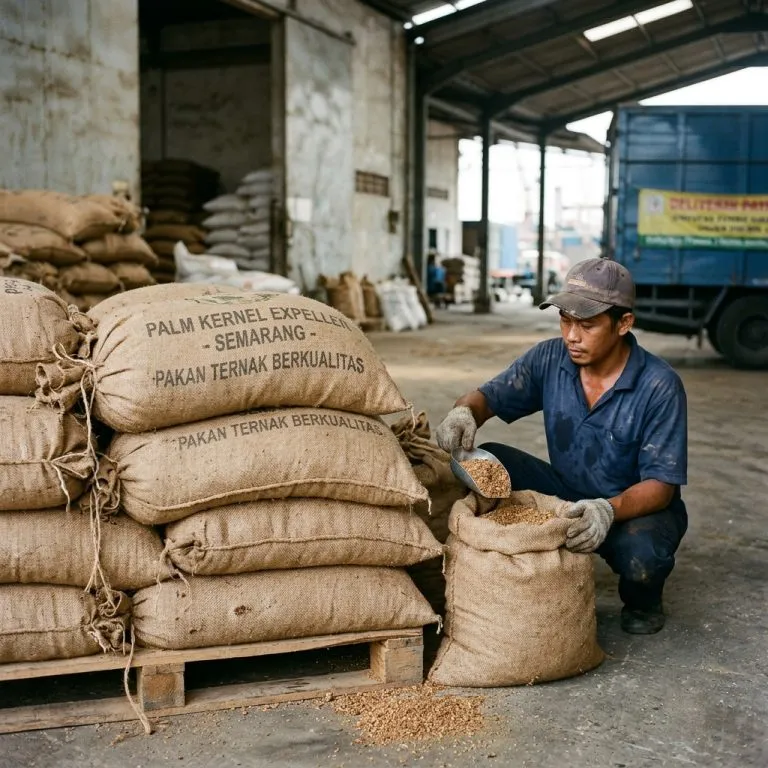
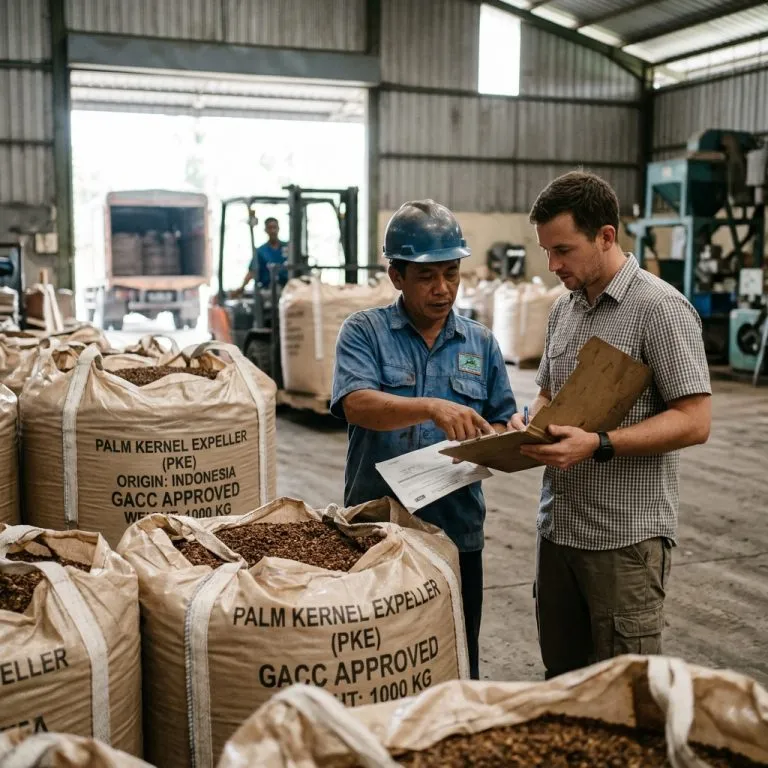
Furthermore, enterprises running broad livestock operations or biomass boilers frequently complement their coir sourcing with bulk supplies of Palm Kernel Expeller and renewable Cangkang Sawit to streamline raw-material logistics.
Cocopeat vs. Peat Moss vs. Perlite: Performance Comparison
Selecting the ideal growing medium requires a side-by-side assessment of physical durability, water retention, and sustainability. The comparison table below highlights how coir compares to other standard horticultural media:
| Metrik Performa | Cocopeat (Coir Pith) | Lumut Gambut Sphagnum | Horticultural Perlite |
|---|---|---|---|
| Primary Horticultural Function | Water retention & aeration | Moisture retention & soil acidification | Macro-pore drainage & aeration |
| Rentang pH Alami | 5.8 – 6.8 (Slightly Acidic/Neutral) | 3.5 – 4.5 (Highly Acidic) | 7.0 – 7.5 (Neutral/Inert) |
| Water Absorption Capacity | 8x – 10x berat kering | 10x – 12x dry weight | Minimal (surface adsorption only) |
| Re-wetting Efficiency | Immediate without surfactants | Severely hydrophobic when desiccated | Instantaneous |
| Ecological Footprint | Renewable agricultural byproduct | Destructive to endangered peatlands | Energy-intensive thermal expansion |
| Structural Longevity | 3–5 years (high lignin content) | 1–2 years before compacting | Indefinite (does not decay) |
[Image: Split-view comparison showcasing healthy plant root systems grown in buffered cocopeat versus compacted conventional garden soil | Alt: root development comparison highlighting what is cocopeat used for in container gardening | Title: Plant Root Growth in Cocopeat Media]
How to Prepare and Buffer Cocopeat for Indoor Plants
Although cocopeat boasts magnificent physical characteristics, unwashed raw coconut husks contain naturally elevated levels of sodium (Na+) and potassium (K+). Learning how to properly prepare and buffer raw coir prevents catastrophic nutrient lockout and leaf tip burn.
- Rehydrate the Compressed Brick: Place your dehydrated coco peat brick into a clean 5-gallon container. Add approximately 4 to 5 liters of warm water per 1 kg of compressed coir, allowing 15 minutes for the compressed fibers to fully expand.
- Rinse Out Residual Salts: Agitate the rehydrated coir vigorously in fresh water. Strain the fibers through fine mesh, measuring the runoff water with an Electrical Conductivity (EC) meter until readings drop safely below 0.5 mS/cm.
- Buffer with Calcium and Magnesium (Cal-Mag): Because unbuffered coir naturally binds calcium and expels excess potassium, submerge the coir in a dedicated Cal-Mag solution (7.5 ml Cal-Mag per gallon of water) for 12 to 24 hours. The strong divalent calcium ions replace the weaker monovalent sodium ions on the coir exchange sites.
- Final Press and Aeration: Squeeze out excess moisture until the coir reaches a damp-sponge consistency. Your coir substrate is now chemically stabilized and ready for potting, seed propagation, or blending.
Once you understand untuk apa cocopeat digunakan in combination with targeted fertilization, you can dial in crop vigor while eliminating common transplant shocks.
Agricultural Byproducts and Sustainable Synergies
Modern commercial agriculture relies on integrating organic co-products across supply chains to eliminate waste and enrich biological systems. Just as coconut coir converts agricultural discards into premier horticultural media, palm processing yields valuable inputs for feed and soil sectors.
Livestock producers frequently integrate high-energy supplements such as Garam Kalsium dari Asam Lemak Minyak Sawit alongside fibrous feeds to boost dietary efficiency. When commercial operations align their substrate sourcing with sustainable agricultural co-products, they achieve significant cost reductions while supporting circular bio-economy goals.
[Video Suggestion: “How to Buffer and Prepare Compressed Cocopeat Blocks for Maximum Root Health – Step by Step Tutorial”]
Makmur Amanah Sejahtera menyediakan produk sawit berkualitas tinggi seperti Palm Kernel Expeller, Cangkang Sawit, Crude Palm Oil, Palm Kernel Oil, dll. Silakan hubungi kami di WhatsApp +6282140002198 atau kirim email kepada kami di admin@makmuramanah.co.id.
Pertanyaan yang Sering Diajukan
What is cocopeat used for in basic home gardening?
In home gardening, cocopeat is primarily used to loosen heavy garden soils, retain moisture in potted plants, and propagate young seedlings. Its exceptional capillary action keeps delicate roots evenly moist while preventing compacted dirt, dramatically reducing the frequency of daily garden irrigation cycles.
Can you grow plants in 100% pure cocopeat?
Yes, plants can thrive in 100% pure cocopeat if you feed them liquid hydroponic fertilizer continuously. Because clean coir contains negligible intrinsic plant nutrients, growers must provide essential nitrogen, phosphorus, potassium, and supplemental calcium-magnesium with each irrigation cycle to prevent mineral deficiencies.
Is cocopeat better than regular potting soil?
Cocopeat outperforms standard potting soil in aeration, re-wetting ease, and pathogen resistance. However, regular potting soils contain baseline compost nutrients, whereas raw coir requires added fertilizer. Master gardeners regularly combine both substrates to achieve outstanding physical soil structure alongside balanced organic nutrition.
How many times can you reuse cocopeat?
You can safely reuse high-grade cocopeat for 3 to 5 growing seasons. Thanks to its dense lignin framework, coir resists rapid decomposition. Simply extract old root fragments, rinse away accumulated mineral salts, re-buffer with calcium-magnesium solution, and plant your next crop confidently.
Does cocopeat attract harmful insects or fungus gnats?
Sterile cocopeat does not naturally attract fungus gnats because it contains no free decomposing organic matter for gnat larvae to feed upon. However, if containers are continually overwatered or blended with uncomposted kitchen waste, gnats may colonize the moist upper substrate surface over time.
[Image: Commercial greenhouse grower holding lush, vibrant leafy greens cultivated using coco coir substrate | Alt: flourishing crops demonstrating what is cocopeat used for in sustainable agriculture | Title: Sustainable Agriculture with Cocopeat]
Final Verdict: Maximizing Plant Health with Cocopeat
Memahami untuk apa cocopeat digunakan gives both hobbyists and commercial growers an undeniable advantage in root acceleration, moisture buffering, and ecological responsibility. By replacing mined sphagnum peat with renewable coconut coir, you protect irreplaceable bog biomes while boosting your overall harvest quality. Make sure to rinse and buffer your coir thoroughly, blend it for targeted aeration, and deliver balanced micro-nutrition. Adopt cocopeat into your planting routines today to experience resilient, vigorous root systems all year long!