 by admin
Coconut Shell Charcoal: The Ultimate 2025 Guide to Benefits & Uses
Inhoudsopgave
Have you ever considered what happens to a coconut after the flesh and water are used? Often, the shell is discarded. However, this humble byproduct holds the key to a superior, eco-friendly fuel: coconut shell charcoal. This guide will explore everything you need to know about this amazing resource, from its powerful benefits to its diverse applications.
This innovative fuel is revolutionizing everything from backyard barbecues to industrial purification systems. It stands out as a cleaner, hotter, and longer-lasting alternative to traditional wood or petroleum-based charcoals, making it an excellent choice for both consumers and the environment.
What is Coconut Shell Charcoal?
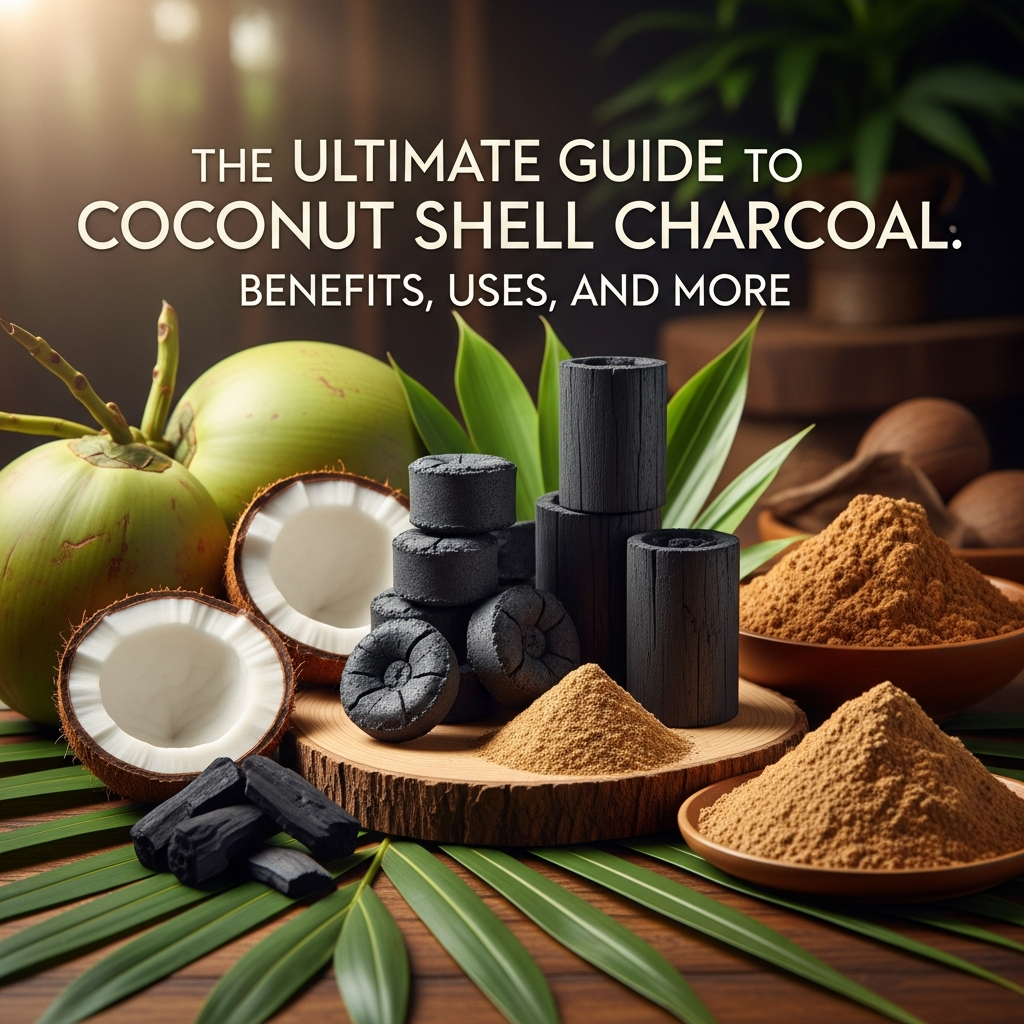
Coconut shell charcoal is a product created by burning coconut shells in a low-oxygen environment, a process known as pyrolysis. This method removes volatile compounds like water, methane, and hydrogen, leaving behind pure carbon. The resulting material is lightweight, porous, and has a very high carbon content.
Unlike traditional lump charcoal, which comes from wood, this sustainable alternative utilizes a waste product from the coconut industry. This makes it a highly sustainable and renewable resource, preventing agricultural waste from ending up in landfills.

The Unbeatable Benefits of Coconut Charcoal
Why make the switch? The advantages of using this type of charcoal are numerous, impacting performance, health, and the planet.
Eco-Friendly and Sustainable
The number one benefit is its sustainability. No trees are cut down to produce this fuel. By using waste shells, it promotes a circular economy and reduces the environmental burden. This is a fuel you can feel good about using.
High Heat and Long-Lasting Burn
Coconut shell charcoal burns hotter and longer than most traditional charcoals. It can reach high temperatures quickly and maintain them consistently, giving you better control over your cooking. A smaller amount of this charcoal does the job of a much larger quantity of regular briquettes.
Cleaner Burning: Low Smoke and Odor
Say goodbye to overpowering smoky flavors that mask your food’s natural taste. This charcoal produces very little smoke and is virtually odorless. It’s also free from the binders and fillers found in many commercial briquettes, ensuring a clean, chemical-free burn perfect for grilling.
Incredible Versatility
From grilling to purification, the applications are vast. The unique properties of this material make it suitable for a wide range of uses, which we will explore in detail below. Its consistency and reliability are prized in every application.
Top Uses for This Versatile Fuel
This remarkable product is far more than just BBQ fuel. Its porous structure and high carbon content make it an invaluable resource in several industries.
Grilling and Barbecuing
For BBQ enthusiasts, coconut shell charcoal is a game-changer. It provides a steady, high heat that is perfect for searing steaks or slow-cooking ribs. Because it’s odorless, it allows the true flavor of the food to shine through. For expert grilling tips, authority sites like AmazingRibs.com offer a wealth of knowledge.
Activated Carbon for Purification
When “activated” with steam, the charcoal develops a vast network of micropores, turning it into an incredibly effective filter. This activated carbon is used globally to purify water and air. According to the Environmental Protection Agency (EPA), activated carbon is a key technology in removing contaminants from drinking water.
Hookah and Shisha
The clean, long-lasting, and odorless burn of coconut-based charcoal makes it the preferred choice for hookah enthusiasts. It doesn’t interfere with the shisha flavor and produces minimal ash, ensuring a smoother and more enjoyable experience.
Gardening and Soil Improvement (Biochar)
In agriculture, it is used as biochar to enhance soil quality. As documented in studies on ScienceDirect, biochar improves water retention, reduces soil acidity, and increases nutrient availability for plants. Adding it to your garden can lead to healthier, more productive plants.
How to Choose the Best Coconut Shell Charcoal
When shopping, look for products that are 100% natural and made purely from coconut shells. Avoid brands that use fillers, binders, or chemical accelerants. The best products come in uniform briquettes, which ensures an even and consistent burn every time.
Coconut Charcoal vs. Other Types
How does it stack up against the competition? Here’s a quick comparison:
| Functie | Coconut Shell Charcoal | Lumpwood Charcoal | Standard Briquettes |
|---|---|---|---|
| Source | Renewable Waste (Shells) | Hardwood Logs/Scraps | Wood Dust, Fillers, Binders |
| Heat Output | Very High & Consistent | High but Inconsistent | Medium & Consistent |
| Burn Time | Very Long | Short | Medium |
| Smoke & Odor | Very Low | Medium (Woody Flavor) | High (Can be Chemical) |
| Ash Production | Very Low | Low | High |
Veelgestelde vragen
Is coconut charcoal better than regular charcoal?
For most applications, yes. It burns hotter, longer, and cleaner than traditional lump charcoal or briquettes. Its sustainability is also a major advantage for eco-conscious consumers.
Is it safe for cooking?
Absolutely. High-quality coconut shell charcoal is 100% natural and contains no harmful chemicals, making it one of the safest and cleanest fuels for grilling and cooking.
How do you light coconut shell charcoal?
It can be lit just like other charcoals, though it may take a few minutes longer due to its density. A charcoal chimney starter is the most effective method. Avoid using lighter fluid, as it can introduce chemical flavors.
Exploring Other Sustainable Bio-Fuels
While coconut-based charcoal is a fantastic sustainable option, the world of eco-friendly energy is vast and growing. Many innovative fuels are derived from agricultural byproducts, helping to reduce waste and provide cleaner energy. The oil palm industry, for example, produces several valuable resources beyond just oil.
These byproducts serve as excellent alternative fuels and resources:
- Palm Kernel Shell (PKS): Much like coconut shells, these are used as a high-grade biofuel for power generation.
- Palm Kernel Expeller (PKE): The leftover residue after oil extraction from the palm kernel, PKE is a crucial ingredient in animal feed.
- Oliepalmfruitbos: After the fruit is removed, the empty bunches can be converted into energy or used as fertilizer.
The industry also yields valuable oils, such as Ruwe palmolie en Palm Kernel Oil, which are globally significant commodities. The raw Palmpit itself is the seed from which this oil and expeller are derived. Exploring these materials highlights the importance of utilizing all parts of an agricultural product to build a more sustainable future.
The Final Word
From the backyard griller to the industrial engineer, coconut shell charcoal offers a superior, sustainable, and high-performance solution. By choosing this innovative fuel, you are not only getting a better burn but also making a positive impact on the environment. It’s a small change that delivers powerful results, proving that one person’s waste can truly be another’s treasure.
Makmur Amanah Sejahtera levert hoogwaardige palmolieproducten zoals palmpitexpeller, palmpitschil, ruwe palmolie, palmpitolie, enz. Neem contact met ons op via WhatsApp +6282140002198 of stuur ons een e-mail op admin@makmuramanah.co.id.
 Dutch
Dutch  Indonesian
  English
  Chinese
  Arabic
  Thai
Thai  Vietnamese
  Turkish