📑 Table of Contents
- What Is Copra Meal (Coconut Meal)?
- How Is Copra Meal Produced?
- Nutritional Profile & Specifications
- 10 Incredible Benefits of Copra Meal for Animal Feed
- Copra Meal vs. Other Feed Ingredients: Honest Comparison
- Applications in Livestock, Poultry & Aquaculture
- Global Copra Meal Market Trends in 2026
- How to Choose the Best Copra Meal Supplier
- Storage, Handling & Quality Preservation
- Frequently Asked Questions
Copra meal — also widely known as coconut meal — is one of the most underrated yet incredibly effective animal feed ingredients available in global agriculture today. This protein-rich byproduct of coconut oil extraction has fueled livestock farming across tropical regions for decades, and its popularity is now surging worldwide as feed manufacturers seek affordable, sustainable alternatives to conventional protein sources.
According to the Food and Agriculture Organization (FAO), global coconut production exceeded 63 million metric tons in 2025, with Indonesia, the Philippines, and India accounting for over 75% of total output. This massive production base translates into a reliable, year-round supply of copra meal for the global feed industry.
Whether you’re formulating feed for dairy cattle, poultry flocks, swine operations, or aquaculture ponds, understanding the full potential of copra meal is essential for optimizing nutrition while controlling costs in 2026. This complete guide covers everything you need — from production processes and nutritional data to market insights and supplier selection strategies.
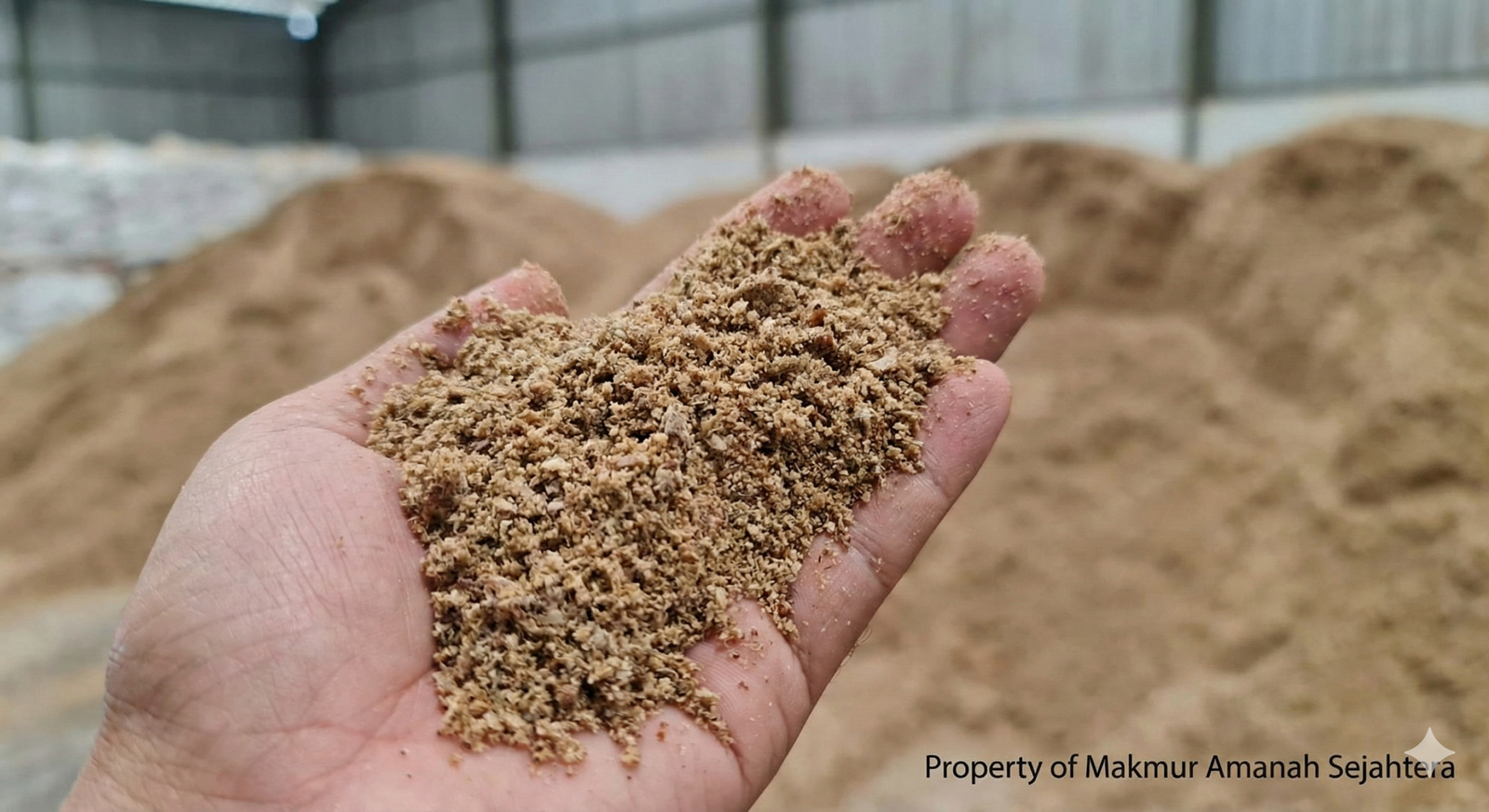
[Image: High-quality copra meal in a feed storage bin with coconuts and coconut shells in the background — Alt text: “Premium copra meal coconut meal for animal feed production” — Title: “Copra Meal Coconut Meal Feed Grade”]
What Is Copra Meal (Coconut Meal)?
Copra meal is the solid residual material left after oil has been extracted from dried coconut flesh (copra). It is a medium-protein, high-fiber, energy-dense byproduct that serves as a valuable ingredient in animal feed formulations across the world.
The term “copra” refers to the dried kernel or meat of the coconut. Once the coconut oil — one of the world’s most versatile oils — is extracted through either mechanical pressing (expeller) or solvent extraction, the remaining cake is processed into copra meal or copra cake.
Key Characteristics of Copra Meal
- Physical appearance: Light to medium brown, coarse to powdery texture
- Odor: Mild, slightly sweet coconut aroma
- Protein content: 20–24% crude protein
- Residual oil: 6–12% (expeller-pressed) or 1–3% (solvent-extracted)
- Crude fiber: 10–16%
- Moisture: Maximum 10–12%
- Shelf life: 3–6 months under proper storage conditions
What makes copra meal particularly interesting is its amino acid profile. While its total protein content is moderate compared to soybean meal, it contains beneficial levels of methionine — an essential amino acid often limiting in plant-based feed ingredients. Additionally, the residual coconut oil provides lauric acid, a medium-chain fatty acid with proven antimicrobial and gut health benefits documented in peer-reviewed research.
How Is Copra Meal Produced?
The production of copra meal follows a well-established process that begins in coconut plantations and ends at the oil extraction facility. Understanding this process helps buyers assess quality differences between suppliers.
Step-by-Step Production Process
- Coconut Harvesting: Mature coconuts (11–12 months old) are harvested from coconut palms (Cocos nucifera) and transported to processing centers.
- Dehusking & Splitting: The outer husk is removed, and coconuts are split open to expose the white coconut meat (kernel).
- Drying (Copra Production): The fresh coconut meat is dried using sun drying (traditional), kiln drying, or hot air drying to reduce moisture from 50% to approximately 6–8%. This dried product is called “copra.”
- Oil Extraction: Dried copra is fed into mechanical screw presses (expellers) or solvent extraction plants to extract coconut oil. Expeller pressing yields copra meal with 6–12% residual oil, while solvent extraction produces copra meal with only 1–3% oil.
- Meal Processing: The remaining solid cake is cooled, broken down, screened for particle size consistency, and packaged as copra meal for sale to feed manufacturers and livestock farmers.
Expeller-Pressed vs. Solvent-Extracted Copra Meal
There are two primary types of copra meal, and the difference matters significantly for animal nutrition:
- Expeller-pressed copra meal: Higher residual oil (6–12%), higher energy value, slightly lower protein concentration. Preferred for ruminant and dairy feed.
- Solvent-extracted copra meal: Lower residual oil (1–3%), higher protein concentration, lower energy value. More suitable for poultry and swine where precise fat control is needed.
[Image: Infographic illustrating the copra meal production process from coconut harvest to finished copra meal product — Alt text: “Copra meal production process from coconut to animal feed” — Title: “How Copra Meal Is Made”]
Copra Meal Nutritional Profile & Specifications
The nutritional composition of copra meal makes it a highly versatile feed ingredient. Here’s a detailed breakdown of typical specifications.
Standard Copra Meal Analysis
| Parameter | Expeller-Pressed | Solvent-Extracted |
|---|---|---|
| Crude Protein | 20–22% | 22–24% |
| Crude Fat / Oil | 6–12% | 1–3% |
| Crude Fiber | 10–14% | 12–16% |
| Moisture | Max 10% | Max 12% |
| Ash | 5–7% | 6–8% |
| Nitrogen-Free Extract (NFE) | 40–45% | 43–48% |
| Metabolizable Energy | 10.5–12 MJ/kg | 8.5–10 MJ/kg |
| Aflatoxin | Max 50 ppb | Max 50 ppb |
Amino Acid Profile Highlights
Copra meal contains notable levels of methionine (0.3%), arginine (2.6%), and glutamic acid (3.8%). The methionine content is particularly valuable because this amino acid is often the first limiting factor in poultry diets, making copra meal a useful supplementary protein source. However, lysine content (0.6%) is relatively low, so supplementation may be needed for monogastric animals.
Research published in Animal Feed Science and Technology confirms that the mannose-based non-starch polysaccharides (galactomannans) in copra meal can serve as prebiotics, promoting beneficial gut bacteria in livestock.
10 Incredible Benefits of Copra Meal for Animal Feed
The growing adoption of copra meal in feed formulations worldwide is driven by these ten compelling advantages.
1. Exceptional Cost-to-Protein Ratio
Copra meal delivers 20–24% protein at significantly lower cost than soybean meal or fish meal. For budget-conscious farmers and feed mills, it provides outstanding value without sacrificing nutritional performance.
2. Rich in Beneficial Medium-Chain Fatty Acids
The residual coconut oil in copra meal is rich in lauric acid and capric acid — medium-chain fatty acids (MCFAs) with documented antibacterial, antiviral, and antifungal properties. These MCFAs support gut health and reduce pathogen load in the digestive tract.
3. Natural Prebiotic Effects
The galactomannan content in copra meal acts as a natural prebiotic, feeding beneficial gut bacteria and supporting a healthy microbiome. This can reduce the need for antibiotic growth promoters — a significant advantage as the global livestock industry moves toward antibiotic-free production.
4. Excellent Rumen Fermentation Characteristics
For ruminant animals, copra meal’s fiber structure promotes steady, sustained rumen fermentation. This produces consistent volatile fatty acid (VFA) levels, supporting stable milk production and efficient feed conversion in dairy cattle.
5. High Methionine Content vs. Other Plant Proteins
Copra meal’s methionine content is notably higher than many competing plant protein sources, making it a valuable component in poultry and swine diets where methionine is often the first limiting amino acid.
6. Year-Round Tropical Supply Chain
Coconut palms produce fruit year-round in tropical regions, ensuring consistent, uninterrupted supply of copra meal. Unlike seasonal crops like corn or soybeans, buyers can source copra meal throughout the entire year without supply disruption.
7. Versatile Multi-Species Application
Copra meal is successfully used in feed formulations for dairy cattle, beef cattle, goats, sheep, pigs, poultry (layers and broilers), and various aquaculture species. Few feed ingredients offer this level of cross-species versatility.
8. Supports Sustainable Agriculture
As a byproduct of coconut oil production, copra meal represents circular economy principles in action. Using it in animal feed maximizes resource utilization from coconut farming, reducing waste and environmental impact.
9. Improves Feed Palatability
The mild coconut aroma and taste of copra meal enhances overall feed palatability. Animals — particularly cattle and goats — show strong preference for feeds containing coconut meal, leading to better feed intake and reduced feed refusal.
10. Easy Blending & Formulation Flexibility
Copra meal blends easily with grains, other protein meals, minerals, and vitamins. Its physical properties allow smooth mixing in both manual and automated feed processing systems, making it practical for operations of all sizes.
Copra Meal vs. Other Feed Ingredients: An Honest Comparison
To truly understand the value proposition of copra meal, it’s essential to compare it objectively with alternative feed ingredients commonly available in the market.
| Feature | Copra Meal | Palm Kernel Expeller | Soybean Meal | Rice Bran |
|---|---|---|---|---|
| Protein | 20–24% | 14–18% | 44–48% | 12–15% |
| Fat/Oil | 6–12% | 5–8% | 1–2% | 12–18% |
| Fiber | 10–16% | 15–20% | 3–5% | 8–12% |
| Lauric Acid | ✅ High | ✅ Moderate | ❌ None | ❌ None |
| Cost | 💰💰 Medium | 💰 Low | 💰💰💰 High | 💰 Low |
| Best For | All livestock | Ruminants | Poultry, swine | General energy |
The comparison clearly shows that copra meal occupies a unique “sweet spot” — higher protein than palm kernel expeller and rice bran, more affordable than soybean meal, and uniquely enriched with health-boosting lauric acid that no competing ingredient can match.
Applications of Copra Meal in Livestock, Poultry & Aquaculture
Copra meal serves diverse roles across multiple animal farming sectors. Here’s how it’s used in each major application.
Dairy Cattle Feed
Dairy farmers incorporate copra meal at 15–30% of the total mixed ration. The combination of moderate protein, beneficial fats, and prebiotic fiber supports consistent milk production while promoting healthy rumen function. Studies show improved milk fat content when copra meal replaces a portion of grain concentrates.
Beef Cattle & Feedlot Operations
Beef producers use copra meal at inclusion rates of 20–40% as an energy and protein supplement. The slow-fermenting fiber profile provides sustained energy release, supporting efficient weight gain without the acidosis risks associated with high-grain diets.
Poultry (Broilers & Layers)
For poultry, copra meal inclusion is typically limited to 10–20% due to its fiber content. However, its methionine content and antimicrobial MCFAs make it a valuable supplementary ingredient. Layer hens fed copra meal-supplemented diets show improved eggshell quality and gut health.
Swine Production
Pig farmers include copra meal at 10–25% in grower and finisher rations. The lauric acid content provides natural antimicrobial protection in the gut, reducing reliance on antibiotic growth promoters and supporting healthier, more profitable pig production.
Aquaculture
Emerging research supports the use of copra meal at 10–20% inclusion in tilapia, catfish, and shrimp feeds. The protein and energy contribution reduces dependency on expensive fishmeal, while MCFAs help control pathogenic bacteria in aquaculture environments.
[Image: Collage showing copra meal being used in various farming applications — dairy cattle, poultry, and aquaculture — Alt text: “Copra meal applications in dairy cattle poultry and aquaculture feed” — Title: “Multi-Species Copra Meal Applications”]
Global Copra Meal Market Trends in 2026
The global copra meal market is evolving rapidly in 2026, shaped by changing demand patterns, sustainability trends, and regional production dynamics.
Production & Supply
Indonesia and the Philippines remain the two largest copra meal producers, together accounting for approximately 65% of global supply. India, Sri Lanka, and Papua New Guinea contribute the remaining significant volumes. Global copra meal production is estimated at 5–6 million metric tons in 2026.
Major Import Markets
- South Korea & Japan: Consistent importers for dairy and livestock feed
- India: Massive domestic consumption plus growing import demand
- European Union: Increasing interest in non-GMO, tropical feed alternatives
- Vietnam & China: Rapidly expanding livestock sectors driving import growth
- Australia & New Zealand: Supplementary feed demand for dairy and beef
Pricing Overview
Copra meal prices in 2026 range from $180–$260 per metric ton FOB Indonesia/Philippines, depending on oil content, protein level, and contract volume. Expeller-pressed copra meal with higher oil content commands premium pricing, while solvent-extracted grades offer more competitive pricing for protein-focused formulations.
According to IndexMundi commodity data, copra meal pricing has shown relatively lower volatility compared to soybean meal over the past five years, providing cost predictability for feed manufacturers.
How to Choose the Best Copra Meal Supplier
Sourcing high-quality copra meal requires careful supplier evaluation. Here are the critical factors every buyer should assess.
Quality Assurance Standards
Demand Certificate of Analysis (COA) for every shipment, covering crude protein, crude fat, crude fiber, moisture, ash, aflatoxin levels, and sand/silica content. Quality inconsistency is the most common issue with copra meal, so suppliers with ISO 9001 or HACCP certification demonstrate higher quality commitment.
Aflatoxin Control
Copra meal — due to the drying process involved in copra production — can be susceptible to aflatoxin contamination. Reliable suppliers implement strict aflatoxin monitoring (maintaining levels below 50 ppb) and use proper drying and storage protocols. This is a non-negotiable quality criterion.
Traceability & Origin Documentation
The best suppliers provide full traceability from coconut farm to final packaged product. This includes information about the copra drying method (sun-dried vs. kiln-dried), the oil extraction method (expeller vs. solvent), and the specific production facility.
Logistics & Export Capability
Evaluate the supplier’s export track record, documentation capability (phytosanitary certificates, fumigation certificates, certificate of origin), and shipping flexibility (bulk, container, or break-bulk options). Experienced exporters ensure smoother transactions and fewer customs delays.
🥥 Source Premium Copra Meal & Palm Products from Indonesia
Makmur Amanah Sejahtera provides high-quality palm products such as Palm Kernel Expeller, Palm Kernel Shell, Crude Palm Oil, Palm Kernel Oil, etc. Kindly contact us at WhatsApp +6282140002198 or email us at admin@makmuramanah.co.id.
Storage, Handling & Quality Preservation of Copra Meal
Proper storage is critical for maintaining the nutritional integrity and safety of copra meal from arrival to feeding.
Essential Storage Guidelines
- Temperature: Store below 30°C in a cool, shaded facility
- Humidity: Maintain relative humidity below 65% to prevent mold growth
- Ventilation: Ensure good air circulation to prevent hot spots and moisture condensation
- Stacking: Stack bags maximum 8–10 high on wooden pallets, away from walls
- Pest management: Implement regular inspection for insects and rodents; fumigate as needed
- First In, First Out (FIFO): Always use older stock first to prevent quality deterioration
Aflatoxin Prevention During Storage
Aflatoxin growth is the primary storage risk for copra meal. Maintaining moisture below 10% and humidity below 65% are the two most effective preventive measures. Consider using aflatoxin binder additives in feed formulations as an additional safety layer, especially in tropical storage environments.
[Image: Clean warehouse facility with properly stored copra meal bags on pallets with temperature/humidity monitoring equipment — Alt text: “Proper copra meal storage facility with quality monitoring” — Title: “Copra Meal Storage Best Practices”]
[Video Suggestion: “Complete Guide to Copra Meal — From Coconut Farm to Animal Feed” — A 6–8 minute educational video covering coconut harvesting, copra drying methods, oil extraction, copra meal grading, and feeding applications. Include interviews with feed nutritionists and livestock farmers. Embed from YouTube.]
Frequently Asked Questions About Copra Meal
What is the difference between copra meal and copra cake?
Copra meal and copra cake are essentially the same product — both are the solid residue after coconut oil extraction. “Copra cake” usually refers to the unprocessed pressed cake form, while “copra meal” refers to the ground, screened, and standardized product ready for feed formulation.
Can copra meal replace soybean meal in animal feed?
Copra meal can partially replace soybean meal — typically 25–50% replacement depending on the animal species and production stage. However, due to lower protein and lysine content, complete replacement is not recommended. Supplementation with synthetic lysine or complementary protein sources may be needed.
Is copra meal safe for poultry?
Yes, copra meal is safe for poultry at inclusion rates of 10–20%. Higher inclusion may reduce feed efficiency due to fiber content. However, the lauric acid and methionine content provide valuable health and nutritional benefits for both broilers and layers.
How does copra meal compare to palm kernel expeller for cattle feed?
Both are excellent ruminant feed ingredients. Palm kernel expeller has higher fiber and lower protein, making it ideal as an energy/fiber source. Copra meal has higher protein and beneficial MCFAs, making it better suited as a protein supplement. Many farmers use both in combination for optimal results.
What aflatoxin levels are acceptable in copra meal?
Most international standards set maximum aflatoxin levels at 50 ppb (parts per billion) for copra meal used in animal feed. The European Union has stricter limits of 20 ppb for some animal categories. Always request aflatoxin test results in the Certificate of Analysis from your supplier.
What is the current price of copra meal in 2026?
Copra meal prices in 2026 range from $180–$260 per metric ton FOB Indonesia/Philippines. Pricing varies based on oil content (expeller vs. solvent-extracted), protein level, aflatoxin certification, and contract volume. Bulk orders of 5,000+ metric tons typically receive more competitive pricing.

 English
  Indonesian
  Chinese
  Arabic