📑 Table of Contents
- What Is Palm Kernel Shell?
- How Is Palm Kernel Shell Produced?
- Palm Kernel Shell Specifications & Quality Parameters
- 9 Powerful Benefits of Palm Kernel Shell as Biomass Fuel
- Palm Kernel Shell vs. Other Biomass Fuels: Detailed Comparison
- Applications Beyond Biomass: Industrial & Construction Uses
- Global Palm Kernel Shell Market Trends 2026
- How to Choose a Trusted Palm Kernel Shell Supplier
- Storage, Handling & Shipping Logistics
- Environmental Impact & Carbon Neutrality
- Frequently Asked Questions
Palm kernel shell has emerged as one of the world’s most important renewable biomass fuels, powering industries, electricity generation, and cement production across Asia, Europe, and beyond. This hard, lignin-rich shell — a byproduct of the palm oil milling process — delivers exceptional calorific value while supporting global carbon reduction goals in 2026.
According to the International Renewable Energy Agency (IRENA), biomass energy now accounts for approximately 6% of global energy supply, with palm kernel shell representing one of the fastest-growing biomass fuel sources. Countries like Japan, South Korea, and Thailand have dramatically increased palm kernel shell imports as they transition away from fossil fuels toward renewable energy portfolios.
Whether you’re an energy plant operator, cement manufacturer, industrial boiler manager, or sustainability executive evaluating biomass options, this ultimate guide provides everything you need to understand why palm kernel shell is the biomass fuel of choice in 2026 — from technical specifications and market pricing to environmental credentials and supplier selection strategies.
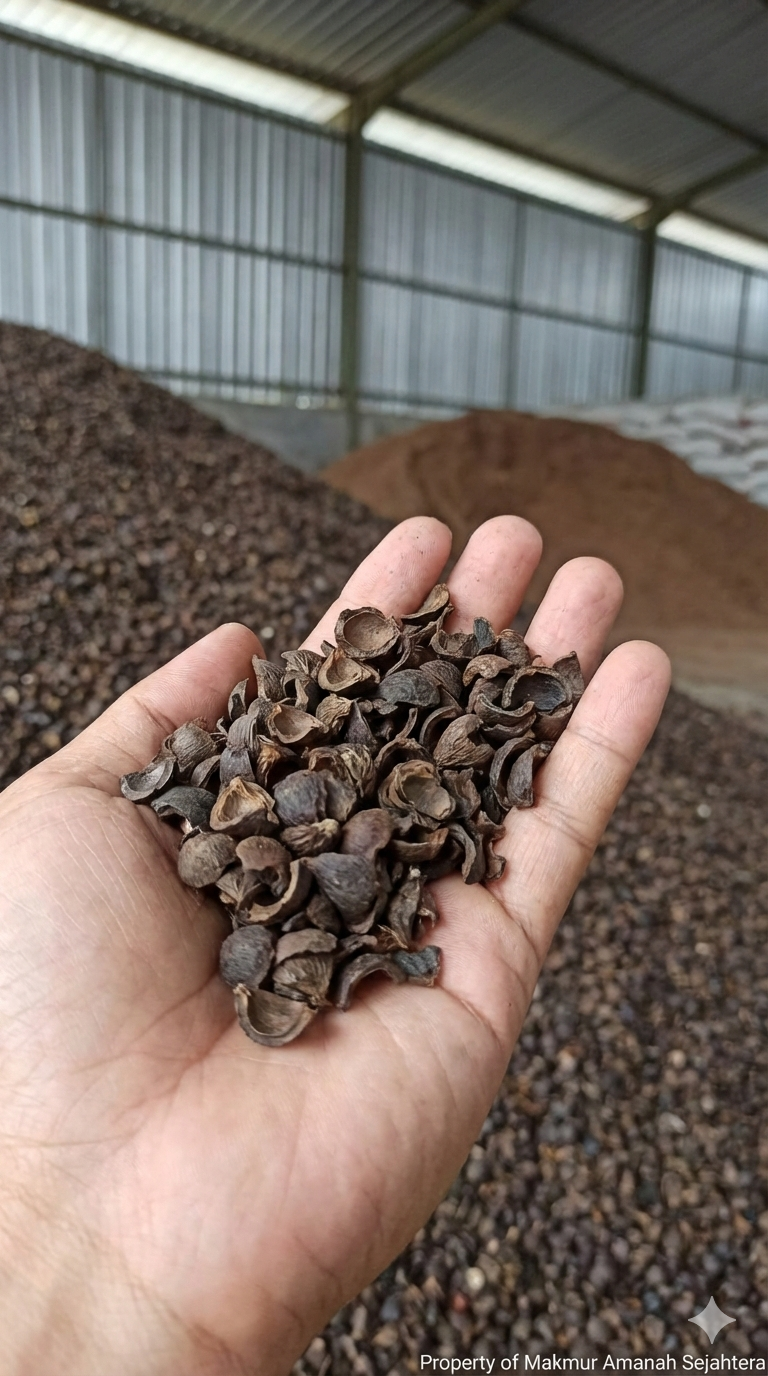
[Image: Close-up photograph of clean, high-quality palm kernel shells in a bulk storage facility with industrial boiler visible in background — Alt text: “High-quality palm kernel shell biomass fuel for industrial energy” — Title: “Palm Kernel Shell PKS Biomass Fuel”]
What Is Palm Kernel Shell?
Palm kernel shell (PKS) is the hard, dark brown to black endocarp that surrounds the palm kernel nut inside oil palm fruit. After the kernel is cracked and separated during the palm oil milling process, the remaining shell fragments — typically 5–20mm in size — are collected as a valuable biomass fuel byproduct.
The exceptional energy density of palm kernel shell comes from its high lignin content (approximately 50–55%), which gives it a calorific value comparable to sub-bituminous coal while producing significantly lower sulfur emissions. This unique combination of high energy, low emissions, and renewable sourcing is what makes PKS a cornerstone of the global biomass energy revolution.
Key Physical & Chemical Characteristics
- Physical form: Hard, angular shell fragments, 5–20mm size
- Color: Dark brown to black
- Calorific value: 3,800–4,200 kcal/kg (16–18 MJ/kg)
- Moisture content: 12–18% (as received)
- Volatile matter: 70–78%
- Ash content: 1–5%
- Sulfur content: < 0.1% (extremely low)
- Fixed carbon: 18–22%
- Bulk density: 500–650 kg/m³
Palm kernel shell originates from the Elaeis guineensis palm, which is commercially cultivated primarily in Indonesia, Malaysia, Thailand, Colombia, and West Africa. Indonesia alone produces over 4 million metric tons of PKS annually, making it the world’s largest palm kernel shell producer and exporter.
How Is Palm Kernel Shell Produced?
Understanding the production pathway of palm kernel shell is essential for evaluating quality differences between suppliers and origins.
Step-by-Step Production Process
- Fresh Fruit Bunch (FFB) Reception: Harvested oil palm fruit bunches arrive at the palm oil mill within 24 hours of harvesting to preserve fruit quality.
- Sterilization: FFBs are sterilized in high-pressure steam autoclaves at 140°C for 75–90 minutes, softening the fruit and facilitating oil extraction.
- Threshing & Digestion: Sterilized fruit is stripped from the bunch stalks and mechanically digested to release crude palm oil (CPO) from the mesocarp.
- Pressing: The digested fruit mass is pressed in screw presses to extract CPO. The remaining press cake contains palm nuts (kernel + shell), fiber, and residual oil.
- Nut/Fiber Separation: The press cake is processed through a depericarper to separate palm fiber from palm nuts using air separation (cyclones).
- Nut Cracking: Dried palm nuts are fed into ripple mills or centrifugal crackers that break the hard shell to release the palm kernel inside.
- Shell/Kernel Separation: The cracked mixture of shells and kernels is separated using hydrocyclones (wet separation) or claybath systems. Kernels proceed to palm kernel oil extraction, while the shells are collected separately.
- PKS Collection & Grading: Separated palm kernel shell fragments are stockpiled, graded for quality (moisture, shell content purity, fiber contamination), and either used on-site as boiler fuel or sold commercially.
Yield Ratios
For every metric ton of FFB processed, approximately 5–7% of the total weight becomes palm kernel shell. A typical large-scale palm oil mill processing 60 tons of FFB per hour generates 3–4 tons of PKS per hour — translating to 70–100 tons per day of biomass fuel production.
[Image: Infographic showing the palm oil milling process with the palm kernel shell separation stage highlighted — Alt text: “Palm kernel shell production process in palm oil mill” — Title: “How PKS Is Produced in Palm Oil Mills”]
Palm Kernel Shell Specifications & Quality Parameters
The commercial value and combustion performance of palm kernel shell depend directly on its physical and chemical specifications. Here’s a comprehensive breakdown.
Standard PKS Technical Specifications
| Parameter | Premium Grade | Standard Grade | Economy Grade |
|---|---|---|---|
| Calorific Value (GCV) | 4,000–4,200 kcal/kg | 3,800–4,000 kcal/kg | 3,500–3,800 kcal/kg |
| Moisture Content | Max 12% | 12–15% | 15–20% |
| Ash Content | 1–3% | 3–5% | 5–8% |
| Volatile Matter | 72–78% | 68–74% | 65–70% |
| Fixed Carbon | 20–22% | 18–20% | 15–18% |
| Sulfur | < 0.05% | < 0.1% | < 0.1% |
| Fiber Contamination | < 5% | 5–10% | 10–15% |
| Shell Size | 5–20mm | 5–25mm | 5–30mm (mixed) |
Why Calorific Value and Moisture Matter Most
Calorific value determines how much energy each ton of palm kernel shell delivers. Higher moisture reduces effective calorific value because energy is consumed evaporating water rather than generating heat. Premium-grade PKS with ≤12% moisture and ≥4,000 kcal/kg delivers maximum energy efficiency — crucial for power plants where fuel costs directly impact electricity generation costs.
According to research published in the Renewable Energy journal, palm kernel shell combustion achieves thermal efficiency rates of 85–92% in modern grate boilers, comparable to or exceeding many coal-fired installations. The extremely low sulfur content (< 0.1%) means PKS combustion produces negligible SOx emissions — a critical advantage for meeting air quality regulations.
Proximate & Ultimate Analysis
For technical buyers and boiler engineers, here is a typical ultimate analysis of palm kernel shell on a dry basis:
- Carbon (C): 47–52%
- Hydrogen (H): 5.5–6.5%
- Oxygen (O): 38–42%
- Nitrogen (N): 0.5–1.0%
- Sulfur (S): < 0.1%
- Chlorine (Cl): < 0.05%
The low nitrogen and chlorine content minimizes NOx emissions and corrosion risks in boiler systems — making PKS compatible with a wide range of combustion technologies without requiring expensive flue gas treatment.
9 Powerful Benefits of Palm Kernel Shell as Biomass Fuel
Industries worldwide are rapidly adopting palm kernel shell as their preferred biomass fuel for these nine compelling reasons.
1. Exceptional Energy Density for a Biomass Fuel
At 3,800–4,200 kcal/kg, palm kernel shell delivers one of the highest calorific values among commercially available biomass fuels. This rivals sub-bituminous coal (4,000–5,500 kcal/kg) while offering dramatically lower emissions and carbon-neutral credentials.
2. Carbon-Neutral Combustion
Because the carbon released during PKS combustion was absorbed from the atmosphere by the oil palm tree during its growth, burning palm kernel shell is classified as carbon-neutral under UNFCCC (United Nations Framework Convention on Climate Change) guidelines. This is fundamentally different from fossil fuels, which release ancient carbon stores.
3. Ultra-Low Sulfur Emissions
With sulfur content below 0.1%, PKS combustion produces virtually zero sulfur dioxide (SO₂) emissions. Coal typically contains 0.5–3.0% sulfur. This eliminates the need for expensive desulfurization equipment and ensures compliance with even the strictest air quality regulations.
4. Low Ash Content Reduces Maintenance
The 1–5% ash content of palm kernel shell is significantly lower than coal (10–25% ash), meaning less ash disposal, reduced boiler slagging and fouling, and lower maintenance costs for combustion equipment. This translates directly to higher operational uptime and profitability.
5. Consistent Year-Round Supply
Oil palm harvesting occurs continuously throughout the year in tropical regions. Unlike seasonal biomass sources (agricultural residues from annual crops), palm kernel shell supply from Indonesia and Malaysia is available 365 days per year — providing unmatched supply chain reliability for energy producers.
6. Compatible with Existing Coal Infrastructure
PKS can be co-fired with coal in existing coal-fired power plants and industrial boilers with minimal or no modification. Many facilities begin with 10–20% co-firing ratios and progressively increase biomass percentage, enabling a gradual, low-risk transition from fossil fuels to renewable energy.
7. Competitive Pricing vs. Fossil Fuels
In 2026, palm kernel shell pricing remains highly competitive against coal and natural gas, especially when carbon taxes and emission trading costs are factored in. For facilities subject to carbon pricing mechanisms, switching to PKS can generate significant cost savings while meeting regulatory obligations.
8. Supports Renewable Energy Certificates (RECs)
Electricity generated from PKS combustion qualifies for Renewable Energy Certificates in most jurisdictions — including Japan’s Feed-in Tariff (FIT) program, South Korea’s Renewable Portfolio Standard (RPS), and EU renewable energy directives. These RECs represent additional revenue streams for power generators.
9. Circular Economy & Waste Reduction
Using palm kernel shell as fuel transforms what would otherwise be an industrial waste product into a valuable energy resource. This supports circular economy principles and reduces the environmental footprint of the palm oil industry — turning a disposal challenge into a profitable, sustainable energy solution.
Palm Kernel Shell vs. Other Biomass Fuels: Detailed Comparison
How does palm kernel shell stack up against other popular biomass fuels? This comprehensive comparison helps energy buyers make data-driven fuel selection decisions.
| Parameter | Palm Kernel Shell | Wood Pellets | Rice Husk | Sub-Bituminous Coal |
|---|---|---|---|---|
| Calorific Value | 3,800–4,200 kcal/kg | 4,000–4,500 kcal/kg | 2,800–3,200 kcal/kg | 4,000–5,500 kcal/kg |
| Moisture | 12–18% | 8–12% | 10–15% | 15–30% |
| Ash Content | 1–5% ✅ | 0.5–2% ✅ | 15–22% ❌ | 10–25% ❌ |
| Sulfur | < 0.1% ✅ | < 0.05% ✅ | < 0.1% ✅ | 0.5–3.0% ❌ |
| Carbon Neutral | ✅ Yes | ✅ Yes | ✅ Yes | ❌ No (fossil) |
| Price (FOB 2026) | $50–$80/MT 💰 | $120–$180/MT 💰💰💰 | $30–$50/MT 💰 | $60–$100/MT 💰💰 |
| Supply Stability | ✅ Year-round | ✅ Year-round | ⚠️ Seasonal | ✅ Year-round |
| Processing Needed | Minimal ✅ | Heavy (pelletizing) ⚠️ | Minimal ✅ | Mining + processing ❌ |
The data reveals that palm kernel shell delivers the optimal balance of energy density, low emissions, competitive pricing, and year-round availability. While wood pellets offer slightly higher calorific value, their significantly higher cost ($120–$180/MT vs. $50–$80/MT for PKS) makes palm kernel shell the more economically attractive choice for most industrial applications.
[Image: Side-by-side comparison photo showing palm kernel shell, wood pellets, rice husk, and coal in separate containers with calorific value labels — Alt text: “Palm kernel shell compared to wood pellets rice husk and coal biomass fuel” — Title: “Biomass Fuel Comparison PKS”]
Applications Beyond Biomass: Industrial & Construction Uses
While energy generation is the primary market for palm kernel shell, its unique physical properties have opened doors to several additional industrial applications.
Power Generation & Electricity
The largest commercial use of PKS is in dedicated biomass power plants and co-firing with coal. Japan’s biomass power sector alone imports over 2 million metric tons of PKS annually under its Feed-in Tariff program. South Korea, Thailand, and EU member states are rapidly expanding PKS-fueled power generation capacity.
Cement & Clinker Manufacturing
Cement kilns require extremely high temperatures (1,400–1,500°C). PKS is increasingly used as an alternative fuel in cement manufacturing, replacing coal and petroleum coke. Its consistent calorific value and low ash/sulfur content make it ideal for clinker production without compromising cement quality.
Industrial Steam Boilers
Manufacturing facilities — particularly in the food processing, textile, rubber, and paper industries — use PKS-fired boilers to generate process steam. The economic savings compared to diesel or natural gas are substantial, often achieving 40–60% fuel cost reduction.
Activated Carbon Production
Palm kernel shell is an excellent raw material for producing activated carbon (activated charcoal) due to its high carbon content and microporous structure. Activated carbon from PKS is used in water purification, air filtration, gold recovery, and pharmaceutical applications.
Road Construction & Lightweight Aggregate
Research from several universities has demonstrated that crushed palm kernel shell can serve as a lightweight aggregate in concrete and road sub-base construction. While still emerging, this application could absorb significant PKS volumes as construction industry sustainability requirements tighten.
Biochar Production
Pyrolysis of PKS produces biochar — a carbon-rich material used for soil amendment, carbon sequestration, and water filtration. Biochar from palm kernel shell has excellent adsorption properties and contributes to long-term carbon storage in agricultural soils.
Global Palm Kernel Shell Market Trends 2026
The global palm kernel shell market continues to expand rapidly in 2026, driven by energy transition policies, carbon pricing mechanisms, and growing industrial demand for renewable fuels.
Market Size & Volume
Global PKS trade volume is estimated to exceed 10 million metric tons in 2026, up from approximately 7 million metric tons in 2023. Indonesia exports approximately 5–6 million metric tons, with Malaysia contributing another 2–3 million metric tons. The market value is estimated at $600–$800 million annually.
Top Importing Countries
- Japan: Largest single importer — 2.5+ million MT/year for biomass power under FIT program
- South Korea: 1.5+ million MT/year for RPS compliance
- Thailand: Growing domestic consumption for power and cement industries
- European Union: Increasing demand for co-firing and standalone biomass plants
- India: Emerging market for cement kiln alternative fuel
- China: Growing interest in biomass power generation
Pricing Overview 2026
PKS prices in 2026 range from $50–$80 per metric ton FOB Indonesian ports, depending on quality grade, moisture content, and contract volume. CIF prices to Japan typically add $20–$35/MT for shipping, while CIF Europe adds $40–$60/MT. Long-term contract pricing (12+ months) generally offers 5–10% discount versus spot market rates.
Regulatory Drivers
Several key policies are driving PKS demand growth:
- Japan’s Feed-in Tariff (FIT): Guarantees premium electricity prices for biomass-generated power
- South Korea’s RPS: Mandates increasing renewable energy percentage in utility portfolios
- EU Carbon Border Adjustment Mechanism (CBAM): Making fossil fuel use increasingly expensive
- Paris Agreement commitments: National carbon reduction targets driving coal-to-biomass switching
How to Choose a Trusted Palm Kernel Shell Supplier
The quality and reliability of your palm kernel shell supply directly impacts combustion efficiency, boiler performance, and operating costs. Here’s what to evaluate in potential suppliers.
Quality Assurance & Testing
Demand Certificate of Analysis (COA) for every shipment, covering calorific value, moisture, ash content, volatile matter, fixed carbon, sulfur, and fiber contamination. Reputable suppliers provide independent third-party lab testing (e.g., SGS, Sucofindo, Bureau Veritas) rather than only in-house results.
Supply Volume & Consistency
Evaluate whether the supplier has direct access to multiple palm oil mills — ensuring consistent monthly volumes even during lower-production periods. Large-scale suppliers operating their own mill clusters or aggregating from 10+ mills offer the best supply security.
Moisture Management
Moisture is the single most variable quality parameter in PKS. The best suppliers implement covered storage, rain protection during loading, and moisture monitoring protocols. Ask about their moisture management procedures — this separates professional suppliers from opportunistic traders.
Sustainability & Traceability
With increasing scrutiny on biomass sustainability, ensure your supplier can provide:
- Traceability documentation linking PKS to specific palm oil mills
- RSPO membership or equivalent sustainability commitments
- Compliance with importing country sustainability criteria (e.g., Japan’s biomass sustainability requirements)
- NDPE (No Deforestation, No Peat, No Exploitation) policy adherence
Logistics & Shipping Experience
International PKS trade requires expertise in bulk vessel chartering, draft surveys, moisture sampling at load port, and destination port discharge procedures. Choose suppliers with proven international shipping track records and established relationships with reliable freight partners.
🔥 Source Premium Palm Kernel Shell from Indonesia
Makmur Amanah Sejahtera provides high-quality palm products such as Palm Kernel Expeller, Palm Kernel Shell, Crude Palm Oil, Palm Kernel Oil, etc. Kindly contact us at WhatsApp +6282140002198 or email us at admin@makmuramanah.co.id.
Storage, Handling & Shipping Logistics for Palm Kernel Shell
Proper storage and logistics management is critical for preserving the quality and commercial value of palm kernel shell.
Storage Best Practices
- Covered storage: Always store PKS under roof or tarpaulin cover to prevent rain exposure and moisture absorption
- Concrete pad: Store on paved or concrete surfaces to prevent soil contamination and moisture wicking
- Ventilation: Allow air circulation within stockpiles to prevent internal heating and spontaneous combustion risk
- Stockpile height: Limit stockpile height to 5–6 meters to prevent compaction and self-heating
- Temperature monitoring: Insert temperature probes in large stockpiles — internal temperatures above 60°C indicate self-heating risk
- First In, First Out: Rotate stock regularly to prevent extended storage degradation
Shipping Methods
PKS is typically shipped in:
- Bulk vessels (Handysize/Supramax): 10,000–55,000 MT shipments — most cost-effective for large buyers
- Container shipments: 25–27 MT per 40ft container — suitable for smaller trial orders or niche markets
- Domestic barges: 3,000–8,000 MT capacity for inter-island transport within Indonesia
Critical Shipping Documentation
- Bill of Lading (B/L)
- Certificate of Analysis (COA) from independent surveyor
- Certificate of Origin
- Phytosanitary Certificate
- Draft Survey Report (for bulk shipments)
- Commercial Invoice and Packing List
Environmental Impact & Carbon Neutrality of Palm Kernel Shell
The environmental credentials of palm kernel shell are one of its most compelling advantages in the global energy transition.
Carbon Neutrality Explained
When palm kernel shell is combusted, it releases CO₂ that was absorbed from the atmosphere by the oil palm tree during its 25–30 year productive lifecycle through photosynthesis. This creates a closed carbon cycle — the CO₂ released equals the CO₂ absorbed — resulting in net-zero carbon emissions. Fossil fuels, by contrast, release carbon that has been sequestered underground for millions of years, adding new CO₂ to the atmosphere.
Emissions Reduction Potential
Switching from coal to PKS in a typical 10 MW power plant can reduce annual CO₂ emissions by approximately 50,000–70,000 metric tons. At an average carbon price of $30–$50/ton CO₂ in 2026, this represents $1.5–$3.5 million in annual carbon cost savings or carbon credit revenue.
Sustainability Challenges & Responsible Sourcing
It’s important to acknowledge that palm oil industry sustainability remains a critical global concern. Responsible PKS sourcing requires ensuring that the parent palm oil operations adhere to:
- No-deforestation policies
- Protection of high conservation value (HCV) areas
- Respect for indigenous and community land rights
- Legal compliance in all operating jurisdictions
Buyers should prioritize suppliers who demonstrate transparent, traceable, and sustainable supply chains — supporting the palm oil industry’s ongoing transformation toward truly sustainable practices.
[Image: Industrial biomass power plant with palm kernel shell being loaded into fuel storage, with green landscape and zero visible smoke emissions — Alt text: “Palm kernel shell biomass power plant with clean emissions” — Title: “PKS Carbon-Neutral Biomass Energy”]
[Video Suggestion: “Palm Kernel Shell — The Future of Renewable Biomass Fuel in 2026” — An 8–10 minute documentary-style video showing PKS production at an Indonesian palm oil mill, quality testing procedures, loading onto bulk vessels, and combustion at a Japanese biomass power plant. Include interviews with energy executives and sustainability experts. Embed from YouTube.]
Frequently Asked Questions About Palm Kernel Shell
What is palm kernel shell used for?
Palm kernel shell is primarily used as a renewable biomass fuel for power generation, industrial steam boilers, and cement kiln operations. Additional applications include activated carbon production, biochar manufacturing, and experimental use as lightweight aggregate in road construction and concrete.
Is palm kernel shell carbon neutral?
Yes. Under UNFCCC guidelines, biomass fuels including palm kernel shell are classified as carbon-neutral because the CO₂ released during combustion equals the CO₂ absorbed by the palm tree during growth. This closed carbon cycle makes PKS a key tool in meeting national and corporate carbon reduction targets.
What is the calorific value of palm kernel shell?
Premium-grade palm kernel shell delivers 4,000–4,200 kcal/kg gross calorific value, comparable to sub-bituminous coal. Standard grades range from 3,500–4,000 kcal/kg depending on moisture content and fiber contamination levels.
How much does palm kernel shell cost in 2026?
PKS prices in 2026 range from $50–$80 per metric ton FOB Indonesian ports. CIF pricing varies by destination — approximately $70–$115/MT CIF Japan and $90–$140/MT CIF Europe. Pricing depends on quality grade, moisture, contract term, and shipment size.
Can palm kernel shell replace coal in power plants?
Yes. PKS can directly replace coal in many existing power plant configurations. Co-firing (mixing PKS with coal at 10–50% ratios) requires minimal equipment modification. Full coal-to-biomass conversion requires grate modifications and fuel handling system upgrades but is increasingly common, particularly in Japan and South Korea.
What certifications should a PKS supplier have?
Look for independent third-party testing capability (SGS, Sucofindo, Bureau Veritas), sustainability traceability documentation, RSPO membership, compliance with destination country biomass sustainability requirements, and proven international shipping experience with proper documentation procedures.
 English
  Indonesian
  Chinese
  Arabic