📑 Table of Contents
- What Is RBD CP8 Coconut Oil?
- How Is RBD CP8 Produced? Manufacturing Process
- RBD CP8 Technical Specifications & Quality Standards
- 8 Essential Benefits of RBD CP8 for Industry & Health
- RBD CP8 vs. Other Coconut & Palm Oils: Complete Comparison
- Applications: Food, Cosmetics, Pharmaceutical & Industrial
- Global RBD CP8 Market Insights 2026
- How to Select the Right RBD CP8 Supplier
- Storage, Handling & Shelf Life Management
- Frequently Asked Questions
RBD CP8 — Refined, Bleached, and Deodorized Coconut Oil enriched with caprylic acid (C8) — is one of the most sought-after specialty oils in the global food, cosmetics, and pharmaceutical industries. This premium-grade coconut oil fraction is prized for its exceptional stability, neutral flavor, high lauric acid content, and unique medium-chain triglyceride (MCT) profile.
As consumer demand for clean-label, natural, and functional ingredients accelerates worldwide, RBD CP8 has positioned itself at the intersection of nutrition science and industrial versatility. According to Allied Market Research, the global coconut oil market is projected to reach $6.2 billion by 2027, with refined coconut oil grades — particularly MCT-rich fractions like CP8 — experiencing the fastest growth segments.
Whether you’re a food manufacturer formulating confectionery products, a cosmetics company developing skin care lines, a pharmaceutical producer creating MCT-based drug carriers, or a nutritional supplement brand launching keto-friendly products, this comprehensive guide to RBD CP8 covers everything you need — from technical specifications and applications to market trends and sourcing strategies in 2026.
[Image: Crystal-clear RBD CP8 coconut oil in glass laboratory bottle alongside fresh coconuts, with food and cosmetic products in background — Alt text: “Premium RBD CP8 refined coconut oil for food and cosmetics industry” — Title: “RBD CP8 Coconut Oil Premium Grade”]
What Is RBD CP8 Coconut Oil? Complete Definition
RBD CP8 stands for Refined, Bleached, and Deodorized Coconut Oil with a carbon chain profile centered on C8 (caprylic acid) and the broader medium-chain fatty acid spectrum. The “CP8” designation specifically indicates that this coconut oil fraction has been processed to have an enhanced medium-chain fatty acid profile, particularly caprylic acid (C8:0) and capric acid (C10:0), while retaining the characteristic lauric acid (C12:0) backbone of coconut oil.
The RBD process removes impurities, free fatty acids, color pigments, and volatile compounds from crude coconut oil, producing a neutral-flavored, odorless, light-colored oil with extended shelf life and superior processing characteristics. This makes it ideal for industrial applications where consistency, stability, and neutral sensory properties are essential.
Key Characteristics of RBD CP8
- Appearance: Clear, colorless to pale yellow liquid (above melting point) or white solid (below melting point)
- Odor: Neutral — virtually odorless after deodorization
- Taste: Bland, neutral — no coconut flavor
- Melting point: 24–26°C (exists as liquid in tropical temperatures, solidifies in cooler climates)
- Lauric acid content: 45–52%
- Caprylic acid (C8:0): 6–10%
- Capric acid (C10:0): 5–8%
- Total MCT (C8+C10+C12): 60–70%
- Free fatty acid (FFA): < 0.1%
- Iodine value: 7–12
- Shelf life: 12–18 months under proper storage
The high concentration of medium-chain triglycerides (MCTs) in RBD CP8 is what distinguishes it from standard RBD coconut oil. MCTs are metabolized differently from long-chain fatty acids — they are rapidly absorbed and transported directly to the liver for immediate energy conversion, making them highly valued in sports nutrition, ketogenic diets, and clinical nutrition applications.
How Is RBD CP8 Produced? Manufacturing Process
The production of RBD CP8 involves a sophisticated multi-stage refining process that transforms crude coconut oil into a pure, stable, food-grade product.
Stage 1: Crude Coconut Oil Production
The process begins with crude coconut oil (CNO), which is extracted from copra (dried coconut meat) through mechanical pressing or solvent extraction. High-quality RBD CP8 production requires crude oil with low initial FFA levels — typically below 3% — to minimize refining losses.
Stage 2: Degumming
Crude coconut oil is treated with phosphoric acid or citric acid to remove phospholipids (gums) that can cause cloudiness and promote oxidation. This step improves oil clarity and stability.
Stage 3: Neutralization (Refining)
Free fatty acids are removed through alkali neutralization using sodium hydroxide (NaOH). The FFA reacts with the alkali to form soap stock, which is separated by centrifuge. This reduces FFA to below 0.1% — critical for achieving food-grade quality.
Stage 4: Bleaching
The neutralized oil passes through activated bleaching earth (ABE) under vacuum at 100–110°C. This removes color pigments (carotenoids, chlorophyll), oxidation products, trace metals, and residual soaps. The result is a light, clear oil.
Stage 5: Deodorization
The bleached oil undergoes steam distillation under high vacuum (2–5 mbar) at 230–260°C. This removes volatile compounds responsible for odor and taste, producing the neutral, bland sensory profile that defines RBD-grade oil. This is also where remaining FFA and peroxides are stripped to minimal levels.
Stage 6: Fractionation (CP8 Enhancement)
For CP8-grade production, the deodorized coconut oil may undergo controlled crystallization (fractionation) to separate olein (liquid fraction) from stearin (solid fraction). This process concentrates the medium-chain fatty acid profile, particularly enhancing the C8 (caprylic) and C10 (capric) acid content relative to standard RBD coconut oil.
Stage 7: Quality Control & Packaging
The finished RBD CP8 undergoes comprehensive quality testing — FFA, peroxide value, moisture, color, fatty acid composition, and microbiological analysis — before being packaged in food-grade containers (flexitanks, ISO tanks, drums, or jerry cans) for distribution.
[Image: Infographic showing the complete RBD CP8 coconut oil refining process from crude coconut oil to finished product — Alt text: “RBD CP8 coconut oil manufacturing and refining process” — Title: “How RBD CP8 Is Produced”]
RBD CP8 Technical Specifications & Quality Standards
Industrial buyers of RBD CP8 require precise technical specifications. Here’s a comprehensive breakdown of standard quality parameters.
Standard RBD CP8 Quality Specifications
| Parameter | Specification | Test Method |
|---|---|---|
| Free Fatty Acid (FFA) | Max 0.1% (as lauric) | AOCS Ca 5a-40 |
| Moisture & Impurities | Max 0.1% | AOCS Ca 2d-25 |
| Iodine Value (IV) | 7.0–12.0 | AOCS Cd 1-25 |
| Peroxide Value (PV) | Max 1.0 meq/kg | AOCS Cd 8-53 |
| Color (Lovibond 5¼” cell) | Max 3R / 30Y | AOCS Cc 13e-92 |
| Melting Point | 24–26°C | AOCS Cc 3-25 |
| Saponification Value | 248–265 | AOCS Cd 3-25 |
| Unsaponifiable Matter | Max 0.5% | AOCS Ca 6a-40 |
Fatty Acid Composition Profile
| Fatty Acid | Carbon Chain | Typical Range (%) | Category |
|---|---|---|---|
| Caproic Acid | C6:0 | 0.3–0.8% | SCFA |
| Caprylic Acid | C8:0 | 6–10% | MCT ⭐ |
| Capric Acid | C10:0 | 5–8% | MCT ⭐ |
| Lauric Acid | C12:0 | 45–52% | MCT ⭐ |
| Myristic Acid | C14:0 | 16–21% | LCFA |
| Palmitic Acid | C16:0 | 7–10% | LCFA |
| Oleic Acid | C18:1 | 5–8% | MUFA |
| Linoleic Acid | C18:2 | 1–3% | PUFA |
The fatty acid profile confirms that RBD CP8 is among the richest natural sources of medium-chain triglycerides, with total MCT content (C8+C10+C12) reaching 60–70%. Research published in the Journal of Nutrition and Metabolism (PubMed Central) has extensively documented the metabolic benefits of MCT-rich oils, including rapid energy conversion, thermogenic effects, and potential cognitive enhancement.
8 Essential Benefits of RBD CP8 for Industry & Health
The extraordinary versatility of RBD CP8 across multiple industries stems from these eight fundamental advantages.
1. Richest Natural Source of Medium-Chain Triglycerides
With 60–70% total MCT content, RBD CP8 delivers one of the highest natural MCT concentrations available commercially. MCTs bypass normal fat digestion and are rapidly metabolized by the liver, providing quick energy — a property that drives demand in sports nutrition, ketogenic diets, and clinical nutrition worldwide.
2. Exceptional Oxidative Stability
The high saturation level of RBD CP8 (over 90% saturated fatty acids) makes it remarkably resistant to oxidation and rancidity. This translates to extended shelf life (12–18 months), reduced need for antioxidant additives, and superior performance in high-temperature food processing applications.
3. Neutral Flavor & Odor Profile
The RBD process completely removes the characteristic coconut flavor and aroma. This neutral sensory profile makes RBD CP8 ideal for applications where coconut taste is undesirable — including confectionery, bakery, dairy alternatives, and pharmaceutical preparations where taste masking is critical.
4. Superior Skin Compatibility for Cosmetics
The medium-chain fatty acid profile — particularly lauric, caprylic, and capric acids — provides excellent skin penetration, moisturization, and antimicrobial protection. RBD CP8 is a preferred ingredient in premium skin care, hair care, soap, and personal care formulations globally.
5. Antimicrobial Properties from Lauric Acid
Lauric acid (45–52% of RBD CP8) is converted to monolaurin in the body — a compound with documented antibacterial, antiviral, and antifungal properties. This natural antimicrobial capacity adds functional health value beyond basic nutrition.
6. Clean Label & Natural Origin
In an era where consumers demand transparency, RBD CP8 qualifies as a natural, plant-based, non-GMO ingredient. It meets clean-label requirements for food manufacturers seeking to replace synthetic fats, hydrogenated oils, and artificial ingredients in their product formulations.
7. Versatile Physical Properties
With a melting point of 24–26°C, RBD CP8 transitions smoothly between solid and liquid states near room temperature. This property is valuable for confectionery coatings (provides satisfying “snap” and melt-in-mouth quality), topical cosmetics, and pharmaceutical suppository formulations.
8. Cost-Effective Alternative to Isolated MCT Oil
Pure isolated MCT oil (C8 or C8+C10 only) is significantly more expensive due to additional fractionation and distillation steps. RBD CP8 provides substantial MCT benefits at a fraction of the cost, making it an economically rational choice for manufacturers who need MCT functionality without premium MCT pricing.
RBD CP8 vs. Other Coconut & Palm Oils: Complete Comparison
Understanding how RBD CP8 compares to related oils helps buyers select the optimal grade for their specific application requirements.
| Feature | RBD CP8 | Virgin Coconut Oil | RBD Palm Oil | Pure MCT Oil (C8) |
|---|---|---|---|---|
| Lauric Acid | 45–52% ✅ | 47–53% ✅ | 0.1–0.5% ❌ | 0–2% ❌ |
| Caprylic Acid (C8) | 6–10% ✅ | 5–9% | < 1% ❌ | 95–99% ✅✅ |
| Flavor/Odor | Neutral ✅ | Coconut aroma | Neutral ✅ | Neutral ✅ |
| Shelf Stability | ⭐⭐⭐⭐⭐ Excellent | ⭐⭐⭐ Moderate | ⭐⭐⭐⭐ Good | ⭐⭐⭐⭐⭐ Excellent |
| Price (relative) | 💰💰 Medium | 💰💰💰 High | 💰 Low | 💰💰💰💰 Very High |
| Best For | Food, cosmetics, pharma | Premium food, health | Cooking, industrial | Supplements, keto |
RBD CP8 occupies the optimal position for most industrial applications — delivering substantial MCT and lauric acid content with neutral sensory properties at a price point significantly below virgin coconut oil and pure MCT oil. For food manufacturers and cosmetics companies seeking the best balance of functionality and economy, RBD CP8 is the clear winner.
[Image: Four bottles of different oils — RBD CP8, virgin coconut oil, RBD palm oil, and pure MCT oil — with labeled comparison cards showing key properties — Alt text: “RBD CP8 compared to virgin coconut oil palm oil and MCT oil” — Title: “Coconut Oil Grade Comparison”]
Applications of RBD CP8: Food, Cosmetics, Pharmaceutical & Industrial
The neutral profile and unique fatty acid composition of RBD CP8 make it indispensable across a remarkable range of industries.
Food & Beverage Industry
- Confectionery coatings & chocolate: Provides “snap” at room temperature and smooth melting on the tongue — critical for compound chocolate and candy coatings
- Bakery shortening: Creates flaky pastry textures and extends product shelf life
- Non-dairy creamers & milk alternatives: Provides rich, creamy mouthfeel in coffee creamers and plant-based milks
- Cooking oil & spray oils: High smoke point and oxidative stability for cooking applications
- Ice cream & frozen desserts: Contributes smooth texture and prevents ice crystal formation
- Infant formula: MCT content supports infant nutrition (used in specific formulations with regulatory approval)
Cosmetics & Personal Care
- Moisturizers & lotions: Excellent skin penetration and hydration
- Soap manufacturing: Creates abundant, stable lather with conditioning properties
- Hair care products: Reduces protein loss from hair, conditions deeply
- Lip balms & body butters: Smooth application with skin-protective MCFAs
- Massage oils: Lightweight, non-greasy feel with antimicrobial benefits
Pharmaceutical & Nutraceutical
- MCT supplement base: Cost-effective base for MCT oil supplements and ketogenic products
- Drug carrier systems: MCTs serve as effective carriers for lipophilic drug compounds
- Suppository bases: Melting point ideal for pharmaceutical suppository formulation
- Medical nutrition: Clinical nutrition products for patients requiring easily digestible fats
Industrial Applications
Beyond food and cosmetics, RBD CP8 finds use in biodiesel blending, surfactant production, oleochemical manufacturing, and as a raw material for producing fatty acid derivatives like palm kernel oil-based chemicals. Industries utilizing crude palm oil and its derivatives often incorporate RBD CP8 into their product portfolios for specialized applications.
Global RBD CP8 Market Insights 2026
The RBD CP8 market is positioned for strong growth in 2026, driven by health-conscious consumers, clean-label trends, and expanding industrial applications.
Market Drivers
- Keto & MCT trend: The global ketogenic diet market continues expanding, driving demand for MCT-rich oils
- Clean-label movement: Food manufacturers replacing hydrogenated fats and artificial ingredients with natural coconut oil fractions
- Cosmetics naturalization: Beauty industry’s shift toward plant-derived, sustainable ingredients
- Asian food processing growth: Expanding confectionery and bakery industries in Southeast Asia, China, and India
- Pharmaceutical innovation: New drug delivery systems leveraging MCT-based carriers
Key Producing Countries
- Philippines: World’s largest coconut oil producer and major RBD supplier
- Indonesia: Second-largest producer with rapidly expanding refining capacity
- India: Significant domestic production centered in Kerala and Karnataka
- Sri Lanka, Vietnam, Papua New Guinea: Smaller but growing production bases
Pricing Trends 2026
RBD CP8 prices in 2026 range from $900–$1,400 per metric ton FOB, depending on specification grade, fatty acid composition, packaging format, and order volume. Bulk flexitank (20 MT) and ISO tank (22–24 MT) shipments offer the most competitive per-unit pricing. Prices correlate closely with Philippine coconut oil benchmark rates, which remain the global reference.
Industry pricing data tracked by IndexMundi shows coconut oil price volatility has moderated in 2026 compared to the sharp fluctuations experienced in 2022–2023, providing more predictable cost planning for manufacturers.
How to Select the Right RBD CP8 Supplier
Given the technical precision required in RBD CP8 applications, supplier selection demands careful evaluation.
Quality Certification Requirements
- Food safety: FSSC 22000, ISO 22000, or BRC certification
- Quality management: ISO 9001 certification
- Halal certification: Essential for Muslim-majority markets (Indonesia, Malaysia, Middle East)
- Kosher certification: Required for certain food and pharmaceutical applications
- Organic certification (if needed): USDA Organic, EU Organic, or equivalent
Technical Capability Assessment
Evaluate whether the supplier has in-house refining and fractionation capability (rather than just trading/repackaging). Suppliers with their own refining plants can provide greater consistency, customization, and quality control. Ask about their laboratory equipment — GC (Gas Chromatography) analysis capability for fatty acid profiling is essential.
Documentation & Compliance
Every shipment should include Certificate of Analysis (COA), Certificate of Origin, Health Certificate, MSDS (Material Safety Data Sheet), and any specific documentation required by your country’s food safety regulations (FDA, EFSA, BPOM, etc.).
Supply Chain Reliability
Coconut oil production is influenced by weather patterns, coconut harvest yields, and global demand fluctuations. Choose suppliers who maintain strategic raw material reserves and have long-term copra supply agreements — ensuring consistent delivery even during supply-tight periods.
🥥 Source Premium RBD CP8 & Palm Products from Indonesia
Makmur Amanah Sejahtera provides high-quality palm products such as Palm Kernel Expeller, Palm Kernel Shell, Crude Palm Oil, Palm Kernel Oil, etc. Kindly contact us at WhatsApp +6282140002198 or email us at admin@makmuramanah.co.id.
Storage, Handling & Shelf Life Management for RBD CP8
Proper storage of RBD CP8 is critical for maintaining quality, preventing oxidation, and ensuring product safety throughout the supply chain.
Storage Guidelines
- Temperature: Store at 25–35°C to maintain liquid state; if solidified, gentle warming (not exceeding 50°C) reliquefies without quality degradation
- Light protection: Store away from direct sunlight — UV exposure accelerates oxidation
- Air exposure: Minimize headspace in containers; use nitrogen blanketing for bulk storage tanks to prevent oxidation
- Container material: Use food-grade stainless steel tanks, HDPE drums, or food-grade flexitanks. Avoid copper, brass, and iron — these metals catalyze oil oxidation
- Contamination prevention: Dedicated storage — do not store near strong-odor chemicals, solvents, or non-food products
- Shelf life: 12–18 months from production date under proper storage conditions
Shipping & Packaging Options
- Flexitank in 20ft container: 18–22 MT — most common for international trade
- ISO tank container: 22–24 MT — reusable, ideal for regular shipments
- Steel drums (190kg): Suitable for smaller orders or distribution to end-users
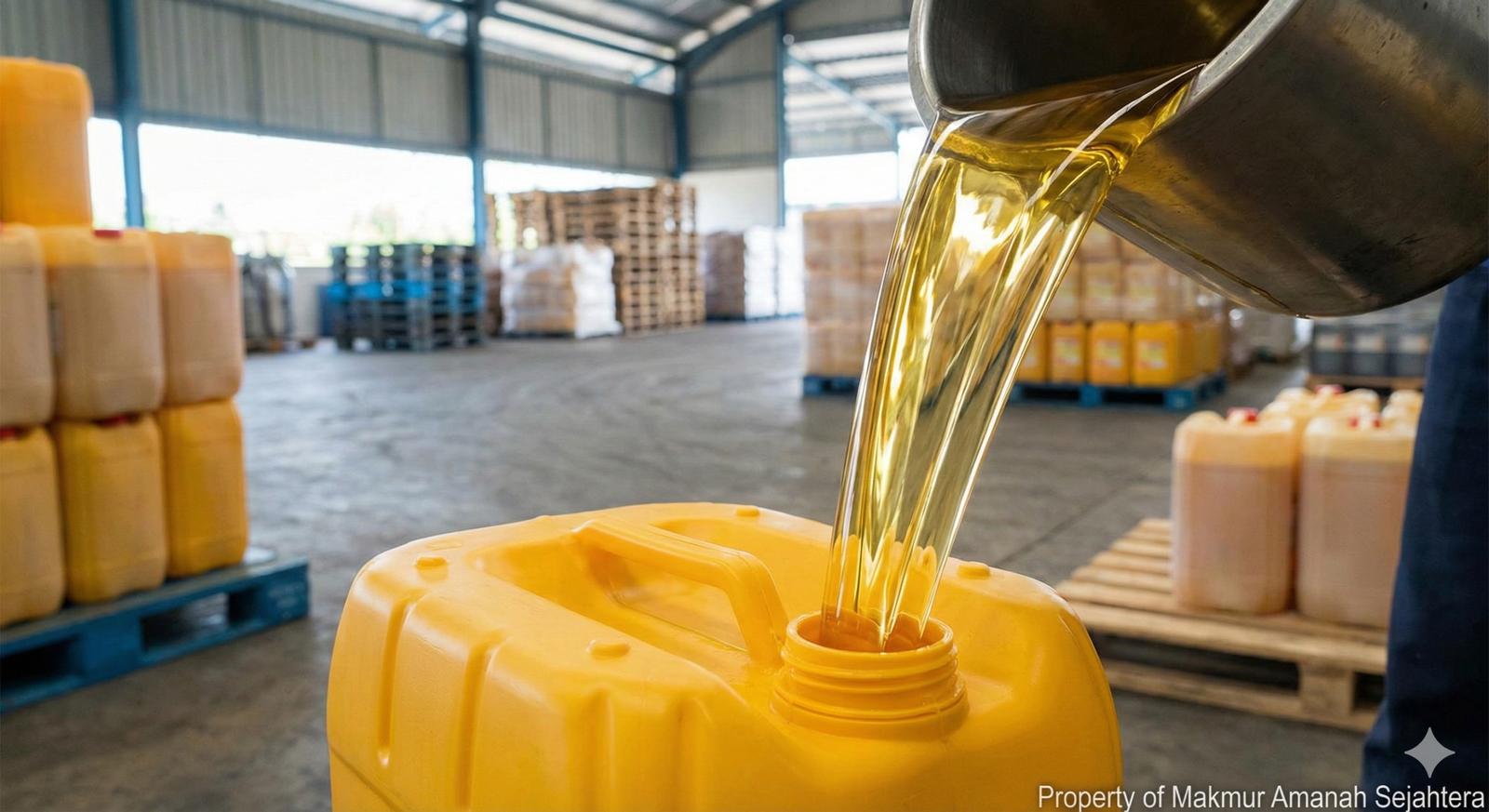
- Jerry cans (18–20L): Retail and small-scale industrial use
- IBC tanks (1,000L): Intermediate size for medium-volume users
[Image: Flexitank loading at port facility and stainless steel RBD CP8 storage tanks at a refinery — Alt text: “RBD CP8 coconut oil storage tanks and flexitank shipping” — Title: “RBD CP8 Storage and Logistics”]
[Video Suggestion: “RBD CP8 Coconut Oil — From Coconut Farm to Your Product in 2026” — A 6–8 minute video covering coconut oil refining, quality testing with GC analysis, packaging in flexitanks, and application showcases in food factory, cosmetics lab, and pharmaceutical facility. Embed from YouTube.]
Frequently Asked Questions About RBD CP8
What does RBD CP8 stand for?
RBD CP8 stands for Refined, Bleached, and Deodorized Coconut Oil with enhanced caprylic acid (C8) content. The “RBD” refers to the three-stage refining process that produces a neutral, stable, food-grade oil. “CP8” indicates the coconut oil grade with notable caprylic acid (C8:0) presence in its fatty acid profile.
Is RBD CP8 the same as MCT oil?
No. RBD CP8 is a full-spectrum refined coconut oil containing all naturally occurring fatty acids — including 45–52% lauric acid (C12) plus C8 and C10 MCTs. Pure MCT oil is a further-fractionated product containing primarily C8 (caprylic) and C10 (capric) acids with minimal lauric acid. RBD CP8 is more versatile and significantly more affordable.
Is RBD CP8 suitable for cooking?
Yes. RBD CP8 has a smoke point of approximately 204°C (400°F) and excellent oxidative stability, making it suitable for frying, baking, and general cooking. Its neutral flavor won’t impart coconut taste to dishes — making it versatile for all cuisine types.
Can RBD CP8 be used in organic products?
RBD CP8 can be used in organic products only if it carries certified organic certification (USDA Organic, EU Organic, or equivalent). Standard RBD CP8 is not automatically organic — the coconuts must be organically grown and the refining process must use approved organic methods.
What is the shelf life of RBD CP8?
Properly stored RBD CP8 has a shelf life of 12–18 months from production date. Key preservation factors include: storage away from direct sunlight, maintaining airtight containers, avoiding metal contamination (especially copper and iron), and keeping temperature stable between 25–35°C.
How is RBD CP8 typically shipped internationally?
The most common shipping method is flexitank in 20-foot containers (18–22 MT per container). ISO tanks (22–24 MT) are used for larger regular shipments. All shipping containers must be food-grade certified and clean. Documentation includes COA, Certificate of Origin, Health Certificate, and phytosanitary documentation.

 English
  Indonesian
  Chinese
  Arabic