
内容
- What Exactly Is Palm Kernel Shell Biomass?
- 5 Proven Reasons Palm Kernel Shell Biomass Is Cost-Effective in 2025
- The Compelling Environmental Advantage of PKS Biomass
- Potential Challenges and Smart Considerations
- Case Study: Is PKS Biomass Right for Your Operations?
- The Final Verdict: A Sound and Sustainable Investment for 2025
In the global push for cleaner energy, industries are constantly seeking fuel sources that are not only sustainable but also economically viable. The question “is it cost-effective to use palm kernel shell biomass?” has become increasingly relevant. The answer is a resounding yes, and this guide will break down exactly why this agricultural byproduct is a powerhouse for affordable and responsible energy production in 2025.
As a leading form of renewable energy, this biofuel offers a unique combination of high energy output, low cost, and environmental benefits. It stands out as a practical alternative to fossil fuels like coal, providing a stable and predictable energy solution for power plants, factories, and industrial boilers worldwide.
What Exactly Is Palm Kernel Shell Biomass?
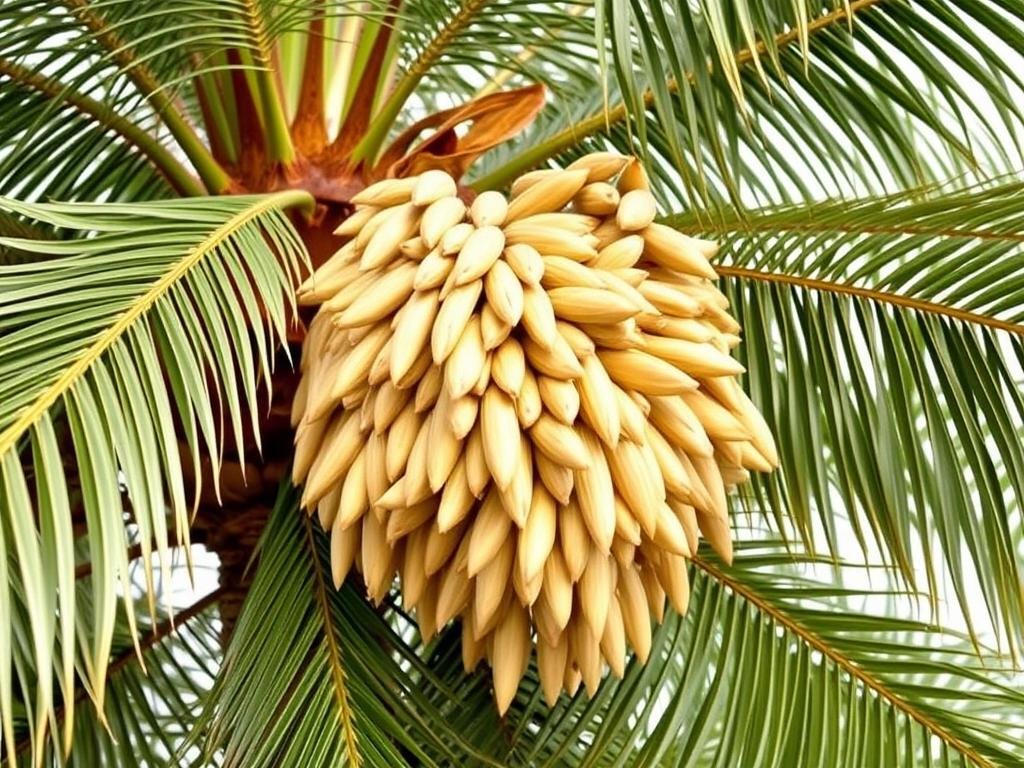
Palm kernel shells (PKS) are the hard, woody shell fragments left over after the 棕榈仁 is extracted from the fruit’s nut. The entire process starts with the 油棕果串 and is a core part of producing 粗棕榈油 和 棕榈仁油. Instead of being discarded, these shells, officially known as 棕榈仁壳, are repurposed into a high-value energy source. This distinguishes them from other byproducts like 棕榈仁压榨机, which is used for animal feed.
The inherent properties of palm kernel shell biomass make it an exceptional fuel. It boasts a high calorific value, meaning it produces a significant amount of energy when burned. Furthermore, it has naturally low moisture and ash content, which translates to a cleaner, more efficient burn with fewer operational headaches. This profile makes PKS a top-tier choice among solid biofuels.

5 Proven Reasons Palm Kernel Shell Biomass Is Cost-Effective in 2025
The financial viability of PKS biomass isn’t based on a single factor but a combination of powerful economic advantages. These elements work together to lower overheads, improve efficiency, and provide long-term price stability that fossil fuels cannot match.
1. Abundant Supply from a Global Industry
The palm oil industry is vast, particularly in Southeast Asian countries like Indonesia and Malaysia. This creates a continuous and massive supply of PKS as a direct byproduct. According to the Food and Agriculture Organization (FAO), millions of tons are produced annually. This sheer volume ensures a stable supply chain, preventing the wild price fluctuations often seen with other fuels.
This abundance means that PKS is not a niche product but a readily available commodity. This scale helps keep acquisition costs competitive and predictable for energy producers looking to secure a reliable fuel source for the long term.
2. Superior High Energy Content
Energy content, or calorific value, is a critical measure of a fuel’s cost-effectiveness. A higher value means you need less fuel to generate the same amount of heat or electricity. PKS biomass typically has a gross calorific value between 4,000 and 4,500 kcal/kg.
This energy density is significantly higher than many other biomass types, such as wood chips or rice husks, and is comparable to some grades of coal. As documented in studies published on research platforms like 科学直接, this high efficiency means lower fuel consumption, directly reducing the cost per unit of energy produced.
3. Reduced Operational and Maintenance Costs
Using PKS as a fuel leads to significant savings in plant operations. Its low sulfur and ash content result in much cleaner combustion. This minimizes the buildup of corrosive deposits (fouling and slagging) inside boilers and heat exchangers, which are common and costly problems when burning coal.
Less fouling means reduced downtime for cleaning and fewer expensive repairs, leading to higher plant availability and productivity. The uniform, granular nature of PKS also simplifies storage and automated feeding systems, further cutting down on operational labor and complexity. Using a high-quality fuel source like PKS is a direct investment in your facility’s longevity.
4. Competitive and Stable Market Pricing
While fossil fuel markets are notoriously volatile and subject to geopolitical tensions, the market for palm kernel shell biomass is comparatively stable. Its price is primarily influenced by logistics and regional demand rather than speculative trading. As a byproduct, its base cost is inherently low.
This stability allows for more accurate long-term financial planning and budgeting. Companies can lock in prices and secure a consistent fuel budget, a significant advantage in today’s unpredictable economic climate.
5. Access to Financial Incentives and Carbon Credits
Governments and international bodies are actively promoting the switch to renewable energy. Using this green fuel often qualifies companies for financial incentives, such as tax credits, grants, or subsidies. These programs are designed to offset the initial investment of converting or building a biomass-compatible facility.
Furthermore, because PKS is considered carbon-neutral, its use can generate carbon credits under frameworks like the Clean Development Mechanism (CDM). These credits can be sold on the open market, creating an additional revenue stream that directly improves the overall cost-effectiveness of using this green fuel.
The Compelling Environmental Advantage of PKS Biomass
Beyond direct costs, sustainability is now a crucial economic metric. Using palm kernel shell biomass offers powerful environmental benefits that translate into financial value. As a carbon-neutral fuel, it releases approximately the same amount of carbon during combustion as the palm tree absorbed during its lifetime.
This helps companies lower their carbon footprint and meet increasingly strict environmental regulations, avoiding potential carbon taxes or penalties. Furthermore, repurposing PKS prevents it from ending up in landfills, where it would decompose and release methane, a potent greenhouse gas. Reports from agencies like the 美国环境保护署(EPA) consistently highlight the benefits of converting waste streams into energy.
Potential Challenges and Smart Considerations
While the benefits are clear, a balanced view is essential. The primary challenge associated with PKS biomass is logistics. Transportation costs can be a significant factor, especially if the end-user is located far from major production hubs in Southeast Asia. Efficient shipping and supply chain management are key to keeping costs down.
Additionally, sustainability sourcing is paramount. It is crucial to procure PKS from suppliers who adhere to responsible and certified practices, such as those recognized by the 可持续棕榈油圆桌会议(RSPO). This ensures the entire supply chain is environmentally and ethically sound, protecting brand reputation and ensuring long-term viability.

Case Study: Is PKS Biomass Right for Your Operations?
Consider a medium-sized textile factory that currently relies on a coal-fired boiler. By switching to PKS biomass, the factory faces an initial capital cost to retrofit its boiler. However, the long-term savings quickly become apparent.
The monthly fuel bill is reduced due to the competitive price per ton of PKS. Maintenance costs drop by over 30% because of the cleaner burn. The factory also becomes eligible for a national renewable energy subsidy, and by reducing its emissions, it avoids a new carbon tax. Within 3-4 years, the initial investment is paid back, and the factory enjoys pure operational savings, proving the cost-effectiveness of palm kernel shell biomass.
The Final Verdict: A Sound and Sustainable Investment for 2025
The evidence is overwhelmingly clear: using palm kernel shell biomass is a highly cost-effective strategy for any industry seeking reliable and sustainable energy. Its strengths—abundant supply, high energy output, low operational costs, stable pricing, and eligibility for green incentives—create a powerful financial case.
As the world moves toward a low-carbon future, PKS biomass stands out not just as an alternative, but as a superior fuel choice. It delivers economic value and environmental responsibility, making it a smart, forward-thinking investment for 2025 and beyond.
Makmur Amanah Sejahtera 提供高品质的棕榈产品,例如棕榈仁压榨料、棕榈仁壳、原棕榈油、棕榈仁油等。请通过 WhatsApp +6282140002198 或发送电子邮件至 admin@makmuramanah.co.id 与我们联系。.正在寻找高品质的棕榈产品?
 Chinese
  English
  Indonesian
  Arabic