
目录
目录
Once considered agricultural waste, the humble palm kernel shell (PKS) is now a globally recognized resource with immense economic and environmental value. The diverse uses of palm kernel shell span from generating green energy to purifying our water, making it a cornerstone of the circular economy. This guide explores the incredible applications of this sustainable byproduct.
As industries shift towards greener alternatives, understanding the potential locked within materials like PKS is crucial. This byproduct of 粗棕榈油 milling is no longer discarded but celebrated for its efficiency, low cost, and positive environmental impact. Let’s delve into the specific uses that make it so valuable.
What Are Palm Kernel Shells, Exactly?
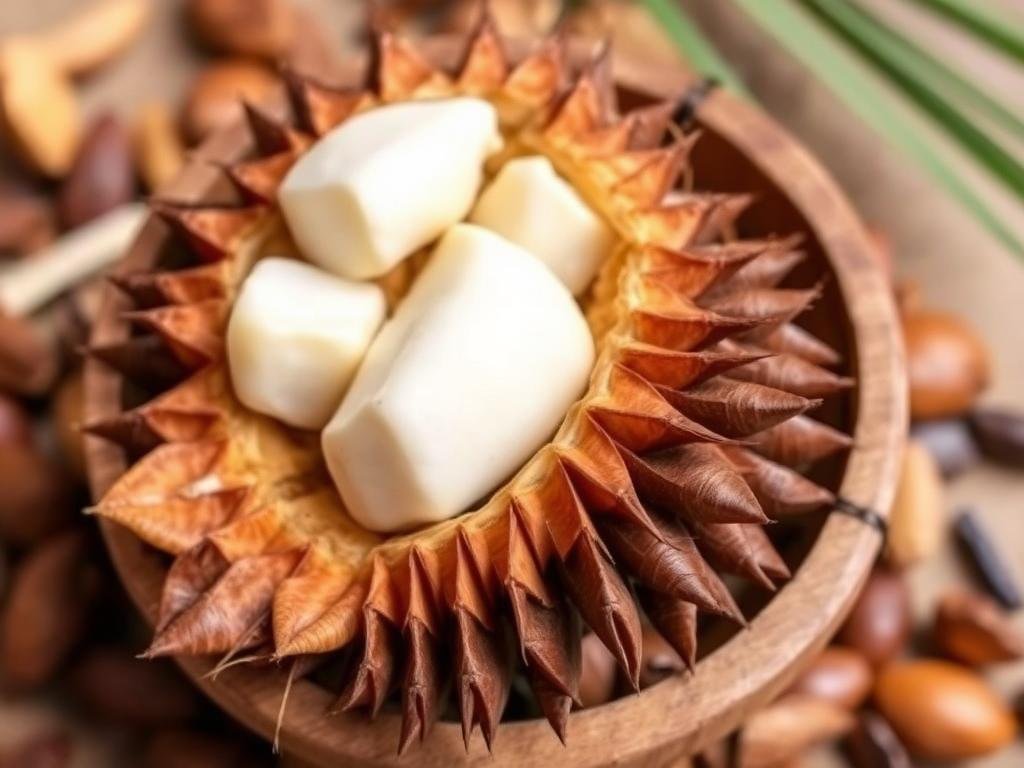
Palm kernel shells are the hard, fibrous casings left behind after the 棕榈仁 is extracted from the palm fruit’s nut. For decades, these shells were a disposal problem for palm oil mills. Today, they are celebrated as a high-grade biomass fuel and a raw material for various industrial processes. Their high calorific value and low sulfur content make the many uses of palm kernel shell particularly attractive for clean energy generation. The entire palm fruit is a source of immense value, from the 油棕果串 to the valuable extracts like 棕榈仁油 and the resulting meal, 棕榈仁压榨机.

1. A Powerful Biofuel Source: A Primary Use of Palm Kernel Shell
The most prominent use of PKS is as a solid biofuel. It serves as a direct, eco-friendly substitute for coal and other fossil fuels in industrial boilers and power plants. Its natural properties make it an almost perfect biomass fuel for energy co-firing.
Key advantages include:
- High Calorific Value: PKS has a high energy content (around 16-19 MJ/kg), providing excellent thermal efficiency.
- Low Ash and Sulfur Content: This results in cleaner emissions, reduced air pollution, and less corrosion in boilers compared to coal.
- Low Moisture: Naturally low moisture content means less energy is wasted on evaporating water during combustion.
Nations like Japan and South Korea are major importers of PKS for their power plants, demonstrating the global significance of this specific use of palm kernel shell. According to the 国际可再生能源机构(IRENA), biomass like PKS is critical for transitioning to a sustainable energy future.
2. Activated Carbon Production: A High-Value Use of Palm Kernel Shell
Another high-value application is the production of activated carbon. The hard, dense structure of PKS makes it an ideal precursor for creating a highly porous carbon material with a vast internal surface area. The process involves heating the shells in a low-oxygen environment (pyrolysis) followed by an activation process.
PKS-derived activated carbon is used extensively in:
- Water and Wastewater Treatment: For removing pollutants, contaminants, and unpleasant odors.
- 空气净化: In filters to absorb volatile organic compounds (VOCs) and other harmful gases.
- 黄金回收率: In the mining industry, it is used to adsorb gold from cyanide solutions.
This valuable use of palm kernel shell transforms a simple byproduct into a critical purification agent, as detailed in research published by authoritative journals.
3. Construction Aggregate: A Surprising Use of Palm Kernel Shell
The construction industry has discovered the benefits of using PKS as a lightweight aggregate. When used to partially replace conventional gravel or crushed stone in concrete, it can significantly reduce the overall weight of the structure without compromising strength for certain applications.
This use of palm kernel shell is particularly beneficial for creating lightweight concrete blocks and non-structural panels. Furthermore, crushed PKS serves as an excellent filler material for roadbeds and pavements, offering good drainage properties and stability. Its durability and low cost make it a sustainable choice for modern infrastructure, a topic explored in numerous civil engineering studies.

4. Eco-Friendly Charcoal: A Sustainable Use of Palm Kernel Shell
PKS can be carbonized to produce high-quality charcoal briquettes. This process, known as torrefaction or slow pyrolysis, creates a fuel that burns hotter, longer, and with significantly less smoke than traditional wood charcoal. This makes it an ideal fuel for both domestic cooking and industrial heating.
By utilizing an agricultural byproduct, this use of palm kernel shell helps reduce the demand for wood, thereby combating deforestation. It offers a sustainable solution for communities that rely on charcoal for their daily energy needs.
5. Surprising Uses of Palm Kernel Shell in Agriculture
Beyond energy and industry, PKS has found a niche in modern agriculture. When crushed, it serves as an excellent soil conditioner and mulching agent. Its porous nature helps improve soil aeration and water drainage, preventing root rot in potted plants and garden beds.
As PKS decomposes slowly, it gradually releases organic matter into the soil, enhancing its long-term fertility. This application aligns with sustainable farming principles promoted by organizations like the 联合国粮食及农业组织(粮农组织), which champions improving soil health through organic materials.
6. Industrial Fillers: Expanding the Uses of Palm Kernel Shell
The physical properties of ground palm kernel shell make it a useful filler material in various manufacturing processes. It can be incorporated into polymer composites, plastics, and resins to reduce the amount of synthetic material required, thereby lowering costs and improving the product’s environmental footprint.
This use of palm kernel shell extends to creating particleboards and other composite building materials. Its abrasive nature also makes it suitable for sandblasting and polishing applications, providing a biodegradable alternative to mineral-based abrasives.
7. The Future: What’s Next for Palm Kernel Shell Uses?
Research and development continue to unlock even more potential uses of palm kernel shell. Scientists are exploring its conversion into bio-oil through advanced pyrolysis, which could be refined into liquid transport fuels. Other emerging applications include the creation of advanced carbon composites, supercapacitors for energy storage, and even biodegradable plastics.
结论:强大的副产品
From powering cities to purifying water, the journey of the palm kernel shell from waste product to valuable commodity is a testament to innovation and sustainability. The many uses of palm kernel shell highlight a global shift towards a circular economy, where every byproduct has the potential to become a resource. As we continue to seek greener solutions in 2025 and beyond, this versatile material will undoubtedly play an even more significant role in our industrial and energy landscapes.
Your Trusted Source for Palm Products
正在寻找高品质的棕榈产品?
Makmur Amanah Sejahtera 提供高品质的棕榈产品,例如棕榈仁压榨料、棕榈仁壳、原棕榈油、棕榈仁油等。请通过 WhatsApp +6282140002198 或发送电子邮件至 admin@makmuramanah.co.id 与我们联系。.
 Chinese
  English
  Indonesian
  Arabic