
什么是空棕榈果串?
这 空棕榈果串 (EFB) is a fibrous byproduct of the palm oil milling process, left over after the valuable 油棕果串 is processed. After the fresh fruit bunches are sterilized and the fruits are stripped for oil extraction, this woody, fibrous material is what remains. Historically considered waste, this humble bunch is now celebrated as a valuable resource in the circular economy.
For every ton of 粗棕榈油 produced, approximately one ton of EFB is generated. Instead of being discarded, this biomass powerhouse is finding new life in a variety of industries. It’s a key component in a sustainable ecosystem that also produces valuable goods like 棕榈仁油 from the fruit’s 棕榈仁. The high fiber and nutrient content make the 空棕榈果串 an incredibly versatile and sustainable material.
This guide will walk you through the most innovative and practical applications, transforming how we view agricultural byproducts.

目录
- 1. A Powerful Biofuel Source
- 2. 有机堆肥和肥料
- 3. 可持续纸浆和纸张生产
- 4. Plantation Mulching
- 5. Mushroom Cultivation Substrate
- 6. Bio-Based Chemical Production
- 7. Fiberboard and Particleboard Manufacturing
- 8. Sustainable Animal Feed
- 9. High-Quality Biochar Creation
- 10. Eco-Friendly Acoustic and Insulation Panels
- 11. Natural Erosion Control
11 Ultimate Uses for the Empty Palm Fruit Bunch
1. A Powerful Biofuel Source
One of the most significant uses for the 空棕榈果串 is as a source of renewable energy. Its high calorific value makes it an excellent fuel for boilers in palm oil mills, reducing their reliance on fossil fuels. The EFB can be burned directly or processed into pellets and briquettes, much like other byproducts such as the 棕榈仁壳, which is also used for energy. This creates a self-sustaining energy loop.
This biomass-to-energy conversion not only provides a green energy source but also mitigates greenhouse gas emissions. According to a study in the 《清洁生产杂志》, utilizing EFB for power generation can significantly reduce the carbon footprint of palm oil production.
2. 有机堆肥和肥料
Rich in organic matter and essential nutrients like potassium (K), the 空棕榈果串 is perfect for composting. When decomposed, it turns into a nutrient-dense material that improves soil structure and fertility. This organic fertilizer is often used back in the palm plantations, creating a closed-loop system and reducing the need for chemical fertilizers.
Using EFB compost enhances soil moisture retention, promotes healthy microbial activity, and provides a slow release of nutrients to crops, leading to healthier plants and better yields.
3. 可持续纸浆和纸张生产
The long, fibrous nature of the 空棕榈果串 makes it a viable alternative to wood in the pulp and paper industry. This non-wood fiber source helps reduce deforestation by providing a sustainable raw material for paper, cardboard, and packaging. The process involves pulping the EFB fibers and then forming them into paper sheets.
While the technology is still evolving, the potential for EFB to supplement traditional wood pulp is immense, offering a greener path for a resource-intensive industry.
4. Plantation Mulching
Applying shredded 空棕榈果串 directly onto the soil in oil palm or other crop plantations is an effective mulching technique. This organic layer conserves soil moisture by reducing evaporation, suppresses weed growth, and reduces the need for herbicides. As the mulch slowly decomposes, it releases valuable nutrients back into the soil, acting as a natural, slow-release fertilizer.
5. Mushroom Cultivation Substrate
The cellulosic and nutrient-rich composition of the 空棕榈果串 creates an ideal substrate for growing edible mushrooms, like oyster mushrooms. The EFB is shredded, sterilized, and inoculated with mushroom spawn. This application provides an additional revenue stream for farmers and contributes to local food security by upcycling a byproduct into a high-value food product.
6. Bio-Based Chemical Production
Advanced biorefinery processes can convert the 空棕榈果串 into valuable bio-based chemicals. Through fermentation and enzymatic hydrolysis, EFB can produce biofuels like bioethanol and platform chemicals such as lactic acid and xylitol. These are building blocks for bioplastics, pharmaceuticals, and other green products, paving the way towards a sustainable bio-economy. You can explore technical details in resources from the 联合国粮食及农业组织(粮农组织).
7. Fiberboard and Particleboard Manufacturing
The strong fibers from the 空棕榈果串 can be compressed with a resin to create medium-density fiberboard (MDF) and particleboard. These composite wood products are widely used in the furniture and construction industries. Using the 空棕榈果串 for fiberboard reduces the demand for virgin wood, thus helping to conserve forests and creating durable materials for desks, cabinets, and panels.
8. Sustainable Animal Feed
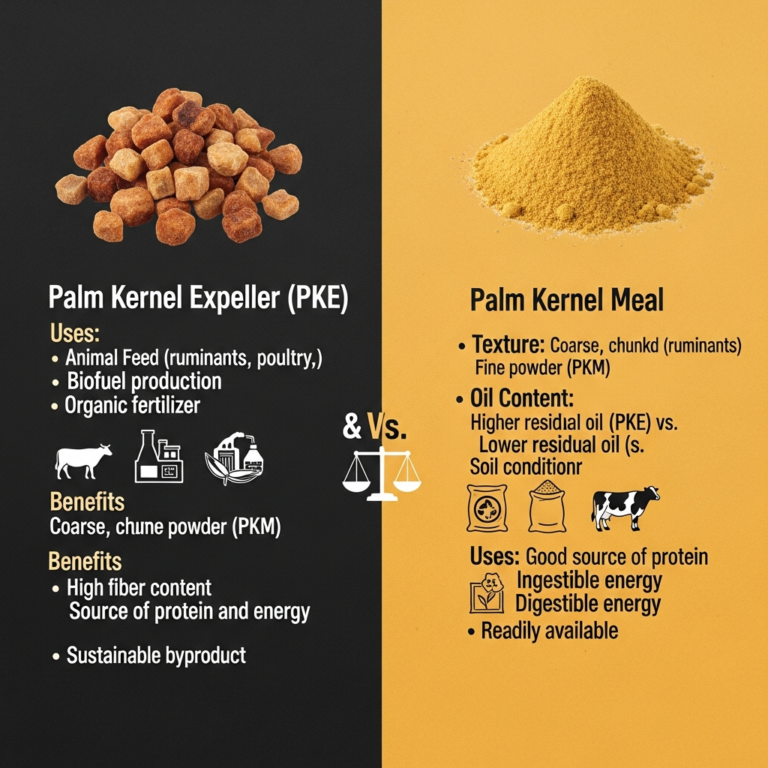
而原始的 空棕榈果串 has low digestibility, it can be processed into a suitable feed for ruminant animals like cattle and goats. Treatments like steam explosion or fermentation can break down the tough fibers, making nutrients more accessible. The resulting product serves as a good source of roughage, often complementing other palm-based feeds like 棕榈仁压榨机 (PKE)。.

9. High-Quality Biochar Creation
Biochar is a charcoal-like substance made by heating the 空棕榈果串 in a low-oxygen environment (pyrolysis). The resulting EFB biochar is an exceptional soil amendment that improves aeration, increases water retention, and enhances nutrient availability. Furthermore, biochar is a powerful tool for carbon sequestration, as the carbon can remain stable in the soil for centuries. The 国际生物炭倡议 提供关于其益处的详尽信息。.
10. Eco-Friendly Acoustic and Insulation Panels
The porous and fibrous structure of the 空棕榈果串 gives it excellent sound-absorbing and thermal insulation properties. Researchers are developing eco-friendly panels from EFB fibers for use in building construction. These panels can reduce noise pollution and improve a building’s energy efficiency by reducing heat transfer, making them a sustainable construction material.
11. Natural Erosion Control
Finally, the fibrous mass of the 空棕榈果串 can be used to create biodegradable mats or logs to control soil erosion on slopes, riverbanks, and construction sites. These EFB mats slow down water runoff, trap sediment, and add organic matter to the soil as they decompose, helping vegetation to re-establish.
结论:不仅仅是浪费
这 空棕榈果串 is a testament to the potential hidden within agricultural byproducts. From generating green energy to enriching soil and creating sustainable materials, its 11 versatile applications highlight a significant shift towards a more resourceful and circular economy. By harnessing the power of the EFB, industries can reduce waste, create value, and contribute to a healthier planet. The future is not just about what we produce, but also about what we creatively reuse.
—
Makmur Amanah Sejahtera 提供高品质的棕榈产品,例如棕榈仁压榨料、棕榈仁壳、原棕榈油、棕榈仁油等。请通过 WhatsApp +6282140002198 或发送电子邮件至 admin@makmuramanah.co.id 与我们联系。.正在寻找高品质的棕榈产品?

 Chinese
  English
  Indonesian
  Arabic