
Once considered agricultural waste, the 空棕榈果串 (EFB),也称为 油棕果串 post-harvest, is now emerging as a powerhouse of sustainability and economic value. This fibrous byproduct of the palm oil industry is shedding its reputation as waste and is being recognized as a crucial resource for a greener future. As we move into 2025, understanding its potential is more important than ever.
From generating renewable energy to enriching our soil, the applications of this humble material are vast and transformative. This guide will walk you through the seven most significant uses and benefits of the empty palm fruit bunch, showcasing its role in building a circular economy.
目录
What Exactly is an Empty Palm Fruit Bunch?
一个 空棕榈果串 (EFB) is the lignocellulosic biomass left over after the fruitlets have been stripped from the Fresh Fruit Bunch (FFB). This happens during the palm oil milling process, where these fruitlets are used to produce 粗棕榈油. For every ton of CPO produced, a significant amount of EFB is generated, making it one of the most abundant agricultural residues in tropical regions.
Essentially, it’s the stalk that holds the palm fruits, which contain the valuable 棕榈仁. The kernel itself is later processed to create 棕榈仁油. This fibrous EFB material is rich in cellulose, hemicellulose, and lignin. Instead of being discarded, modern processes now convert this “waste” into valuable products, proving the 空棕榈果串 is a key player in sustainable industry.

7 Proven Uses & Benefits of Empty Palm Fruit Bunch
The versatility of the EFB is remarkable. Its applications span across agriculture, energy, and manufacturing, contributing to both environmental sustainability and economic growth. Let’s explore its seven most impactful uses.
1. Empty Palm Fruit Bunch as a Biofuel Powerhouse
One of the most significant uses of an 空棕榈果串 is in energy generation. It can be used directly as a solid biofuel in boilers to produce steam for electricity generation. Furthermore, it can be processed into higher-value energy products like pellets, bio-oil, or syngas through thermochemical conversion processes.
By replacing fossil fuels, EFB helps reduce greenhouse gas emissions, offering a cleaner energy alternative. According to the 国际可再生能源机构(IRENA), biomass like EFB is a cornerstone of the global transition to sustainable energy.
2. Using EFB as a Natural Organic Fertilizer
堆肥后, 空棕榈果串 transforms into a nutrient-rich organic fertilizer. It is particularly high in potassium, a vital nutrient for plant growth. Applying EFB compost to soil improves its structure, enhances water retention capacity, and boosts microbial activity.
This practice, known as “bunch application,” is common in palm plantations. It helps recycle nutrients back into the soil, reducing the need for chemical fertilizers and promoting a closed-loop agricultural system. This method significantly improves soil health, as detailed in various studies on soil science and management.
3. 纸浆和造纸生产的可持续来源
The high fiber content of the EFB makes it a viable non-wood alternative for producing pulp and paper. This helps alleviate pressure on forests, a crucial step in combating deforestation. The pulp derived from the 空棕榈果串 can be used to manufacture various paper products, including writing paper, cardboard, and packaging materials.
As the world seeks more sustainable material sources, using agricultural residues like EFB is becoming an increasingly attractive and eco-friendly option for the paper industry.
4. 蘑菇栽培的理想介质
The sterile, fibrous nature of the 空棕榈果串 makes it an excellent substrate for growing edible mushrooms, such as oyster mushrooms. The EFB provides the necessary nutrients and physical support for the mycelium to grow and produce fruit bodies.
This application creates an additional revenue stream for farmers and communities in palm oil-producing regions. It’s a fantastic example of upcycling an agricultural byproduct into a high-value food product, contributing to local food security and economies.
5. A Building Block for Biocomposites and Fiberboard
The strong natural fibers within the EFB can be extracted and used to reinforce polymers, creating biocomposite materials. These materials are lightweight, durable, and biodegradable. They are used in various industries, from manufacturing automotive interior parts and furniture to creating medium-density fiberboard (MDF).
利用 空棕榈果串 in composites reduces the reliance on synthetic fibers and plastics, paving the way for more sustainable consumer and industrial products. Research into these green materials is rapidly expanding, as seen in journals like 聚合物.

6. A Viable Supplementary Animal Feed
After treatment to improve its digestibility, the 空棕榈果串 can be used as a source of roughage in animal feed for ruminants like cattle and goats. While not a primary feed source due to its high fiber content, it serves as an effective and low-cost supplement, particularly during dry seasons when other forage is scarce.
Processing methods like fermentation or steam treatment can break down the tough lignin and cellulose, making the nutrients more accessible to the animals. This application supports sustainable livestock farming by utilizing a readily available local resource.
7. A Raw Material for High-Value Bio-based Chemicals
Beyond basic uses, the EFB is a feedstock for producing a range of valuable bio-based chemicals. Through advanced biorefinery processes, components like cellulose and hemicellulose can be broken down to produce biofuels like bioethanol, or platform chemicals such as xylitol (a sugar substitute) and lactic acid.
This waste-to-wealth approach positions the 空棕榈果串 as a key element in the bio-based economy, reducing dependence on petrochemicals. The 联合国粮食及农业组织(粮农组织) of the UN often highlights the importance of such innovations for rural development.
The Future of Empty Palm Fruit Bunch in a Circular Economy
As the world shifts towards a circular economy, the role of materials like the 空棕榈果串 becomes increasingly critical. Its ability to be repurposed into numerous value-added products exemplifies the core principles of eliminating waste and continually reusing resources. The EFB is no longer the end of the line for the palm fruit; it’s the beginning of many new, sustainable value chains.
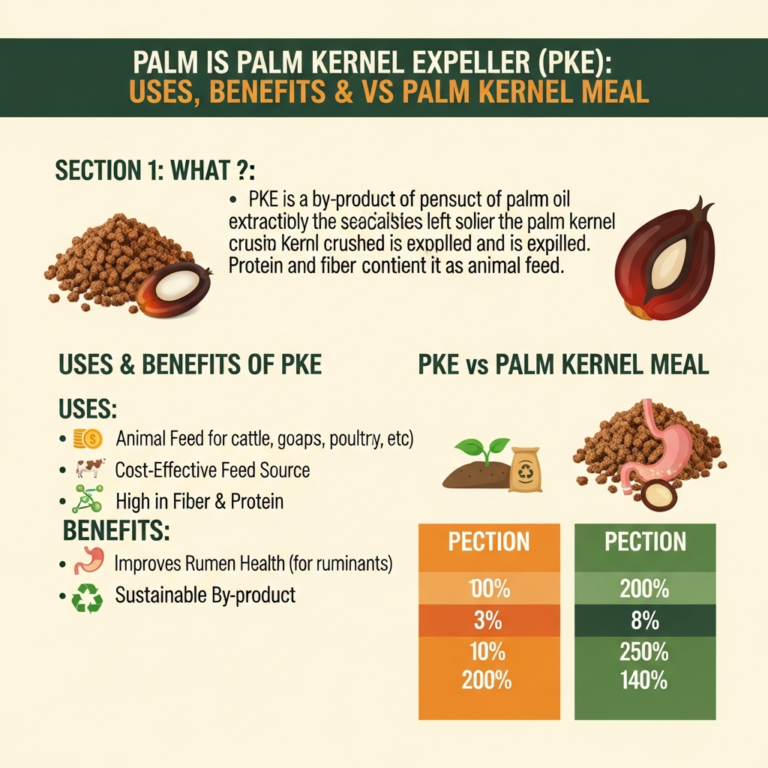
Alongside other valuable byproducts like the durable 棕榈仁壳 (used for biomass energy) and the nutrient-rich 棕榈仁压榨机 (a high-protein animal feed), the EFB completes the zero-waste potential of the palm oil industry. This holistic approach is the cornerstone of sustainable agriculture.
Ongoing research and technological advancements in 2025 and beyond will undoubtedly unlock even more potential for this incredible resource.
结论:变废为宝
The journey of the 空棕榈果串 from a problematic waste product to a celebrated resource is a powerful testament to innovation in sustainability. Its seven key uses—spanning energy, agriculture, and advanced manufacturing—demonstrate its incredible versatility and economic potential.
By harnessing the power of the EFB, we can reduce waste, create greener products, cut carbon emissions, and build more resilient, circular economies. The humble 空棕榈果串 is a true champion of the waste-to-wealth revolution.
Makmur Amanah Sejahtera 提供高品质的棕榈产品,例如棕榈仁压榨料、棕榈仁壳、原棕榈油、棕榈仁油等。请通过 WhatsApp +6282140002198 或发送电子邮件至 admin@makmuramanah.co.id 与我们联系。.正在寻找高品质的棕榈产品?

 Chinese
  English
  Indonesian
  Arabic