
目录
- 什么是棕榈仁压榨机(PKE)?
- The Core Difference: PKE vs. Palm Kernel Cake (PKC)
- Understanding the Nutritional Profile of PKE
- 在动物饲料中使用棕榈仁粕的5大主要益处
- 棕榈仁粕(PKE)的常见用途
- 潜在缺点和重要考虑因素
- 常见问题解答
什么是棕榈仁压榨机(PKE)?
棕榈仁压榨机(PKE) is a valuable co-product from the palm oil industry. Specifically, it’s what remains after oil has been mechanically extracted from the kernel, or seed, of the oil palm fruit. This process, known as expeller pressing, makes PKE a dense, protein-rich meal widely used in the global animal feed industry.
For decades, farmers and feed manufacturers have relied on this ingredient as a cost-effective source of energy and fiber. Its consistency and nutritional value make it a staple, particularly for ruminant animals like cattle, helping to support sustainable and productive livestock farming worldwide.
The entire process begins with the fruit of the 油棕 tree. Once the 粗棕榈油 is extracted from the fruit’s fleshy mesocarp, the hard nut is cracked to reveal the 棕榈仁. This kernel is then crushed and pressed to release 棕榈仁油, leaving behind the solid residue we know as PKE.

The Core Difference: PKE vs. Palm Kernel Cake (PKC)
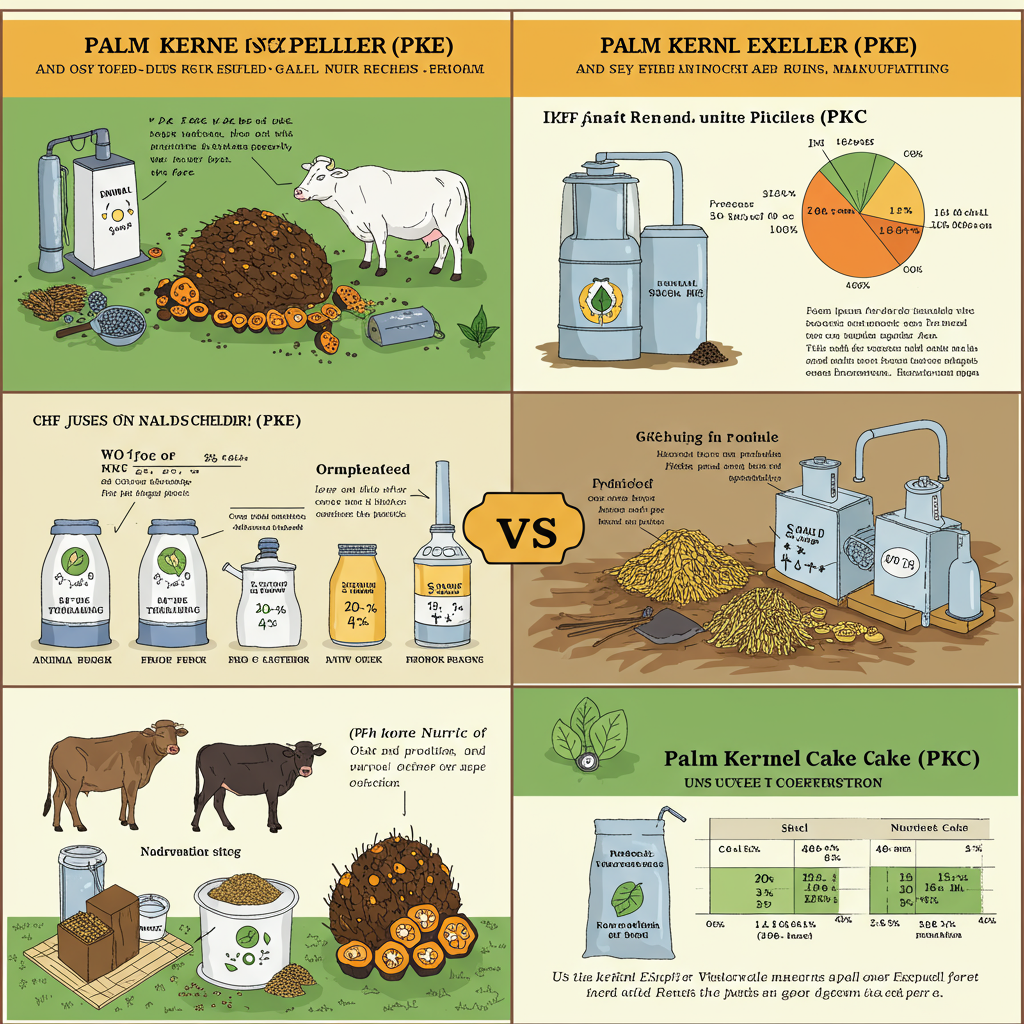
While the terms 棕榈仁压榨机(PKE) and Palm Kernel Cake (PKC) are often used interchangeably, a key difference lies in the oil extraction method. This distinction significantly impacts the final nutritional composition, especially the residual fat content.
- 棕榈仁压榨机(PKE): This is produced using a mechanical process called expeller or screw pressing. The kernels are physically squeezed under immense pressure to force the oil out. This method is less efficient at oil removal, resulting in a PKE with a higher residual oil (fat) content, typically ranging from 8-12%.
- 棕榈仁饼(PKC): This term often refers to the meal produced via solvent extraction. After an initial pressing, a solvent (like hexane) is used to draw out the remaining oil. This is far more efficient, leaving a PKC with a much lower fat content (usually 1-3%) and a slightly higher protein concentration.
In summary, the higher fat content in PKE gives it a greater energy value, making it an excellent choice for animal diets where energy density is crucial. For more details on extraction methods, you can review literature from authoritative sources like the 食品科学与技术杂志.
Understanding the Nutritional Profile of PKE
The nutritional value of PKE makes it a formidable ingredient in feed formulations. While exact values can vary based on the source and processing method, a typical analysis provides a balanced profile of protein, fiber, and energy.
Here is a general breakdown of its key components:
- 粗蛋白: Typically 14-18%. While not as high as soybean meal, it provides essential amino acids for growth and milk production.
- 粗纤维: Around 15-20%. This high fiber content is particularly beneficial for promoting healthy digestion in ruminants.
- Ether Extract (Fat): Between 8-12%. This residual oil is a significant source of metabolizable energy.
- 矿物质: PKE is a good source of minerals like phosphorus, magnesium, and iron. However, it’s also high in copper, which requires careful management.
This composition makes PKE an excellent supplement to forage-based diets. For an in-depth nutritional database, Feedipedia offers a comprehensive analysis of palm kernel meal.
在动物饲料中使用棕榈仁粕的5大主要益处
The widespread use of 棕榈仁压榨机(PKE) is driven by several key advantages that benefit both the animals and the farmers.
1. Superb Cost-Effectiveness
PKE is often more affordable than traditional protein sources like soybean meal or corn. This allows for the formulation of high-quality, nutritious rations at a lower cost, improving the economic viability of livestock operations.
2. High Energy Content
Thanks to its significant residual oil content, PKE is an energy-dense feed ingredient. This energy is crucial for supporting high milk yields in dairy cattle and promoting healthy weight gain in beef cattle.
3. Rich in Digestible Fiber
The high fiber in PKE is a major benefit for ruminants. It supports healthy rumen function, aids digestion, and helps maintain the proper gut environment, reducing the risk of metabolic disorders.
4. Good Protein Source
It provides a solid protein profile that complements other feedstuffs. It contributes the necessary building blocks for muscle development, animal growth, and lactation, making it a balanced component in any feed mix.
5. Excellent Palatability for Cattle
Ruminants, especially cattle, generally find the expeller highly palatable. Its unique aroma and texture encourage feed intake, ensuring animals consume the nutrients they need to thrive.

棕榈仁粕(PKE)的常见用途
多功能性 棕榈仁压榨机(PKE) allows it to be used across various sectors, although its primary application remains in animal nutrition.
- Dairy and Beef Cattle Feed: This is the largest market for PKE. It is a cornerstone ingredient in total mixed rations (TMR) and supplementary feeds due to its ideal balance of energy, protein, and fiber. The 联合国粮食及农业组织(粮农组织) lists it as a key global feed resource.
- Swine and Poultry Feed: Its use here is more limited. The high fiber content can be difficult for monogastric animals (pigs and chickens) to digest. However, with the addition of enzymes, lower inclusion rates of PKE can be successfully incorporated.
- Sheep and Goat Feed: PKE can be used for sheep and goats, but with extreme caution. Sheep are highly sensitive to copper, and its naturally high copper levels can lead to toxicity if not carefully managed in the overall diet.
- Biofuel and Biomass: Beyond feed, PKE is also used as a biomass fuel for producing electricity and heat in industrial boilers. Alongside other byproducts like 棕榈仁壳 以及 油棕果串, it contributes to renewable energy goals.
潜在缺点和重要考虑因素
While PKE is an excellent resource, users must be aware of its limitations to ensure animal safety and performance.
The most critical consideration is its high copper content. While copper is an essential nutrient, sheep have a very low tolerance for it. Accumulation in the liver can lead to copper toxicity, which is often fatal. For this reason, PKE should only be fed to sheep under expert guidance, as highlighted in veterinary resources like the MSD兽医手册.
Another factor is the potential for mycotoxin contamination if the product is not stored correctly. Sourcing PKE from reputable suppliers who follow strict quality control and storage protocols is essential to guarantee a safe and effective feed ingredient.
Makmur Amanah Sejahtera 提供高品质的棕榈产品,例如棕榈仁压榨料、棕榈仁壳、原棕榈油、棕榈仁油等。请通过 WhatsApp +6282140002198 或发送电子邮件至 admin@makmuramanah.co.id 与我们联系。. The main difference is the extraction method. Palm Kernel Expeller (PKE) is from mechanical pressing and has higher fat (8-12%), while Palm Kernel Cake (PKC) is often from solvent extraction and has lower fat (1-3%). PKE is ideal for ruminants like dairy and beef cattle. It can be included in moderation in swine, poultry, and goat diets, but its use in sheep feed is highly restricted due to high copper levels. PKE is a co-product, meaning it makes use of material that would otherwise be discarded in the palm oil production process. Its sustainability is directly linked to the sustainability of the palm oil industry itself. Sourcing PKE from certified sustainable palm oil producers is the best way to ensure it is an environmentally responsible choice.正在寻找高品质的棕榈产品?
常见问题解答
1. What is the main difference between PKE and PKC?
2. What animals can eat Palm Kernel Expeller (PKE)?
3. Is PKE a sustainable feed source?
 Chinese
  English
  Indonesian
  Arabic