
目录
- 什么是空棕榈果串(EFB)?
- 空棕榈果串的独特组成
- 7 Ultimate Uses and Benefits of Empty Palm Fruit Bunch
- Environmental Impact and Sustainability of EFB
- The Future of Empty Palm Fruit Bunch Utilization
- 结论:变废为宝
什么是空棕榈果串(EFB)?
这 空棕榈果串 (EFB) is the fibrous byproduct that remains after fruitlets are stripped from the main 油棕果串 during the extraction process for 粗棕榈油. Generated in massive quantities, this material was for decades considered agricultural waste, often left to rot or burned, causing significant environmental concerns.
However, the perspective on the empty palm fruit bunch has dramatically shifted. Today, it is recognized as a valuable renewable resource with diverse applications in energy, agriculture, and manufacturing. This transformation from waste to resource is a perfect example of the circular economy in action, offering sustainable solutions for modern challenges.

空棕榈果串的独特组成
Understanding the composition of an empty palm fruit bunch is key to unlocking its potential. It is rich in cellulose, hemicellulose, and lignin, which are the building blocks of plant cell walls. This composition gives it a high biomass potential, making it suitable for various conversion processes.
Additionally, EFB contains essential nutrients like potassium, nitrogen, and phosphorus. While its high moisture content can be a challenge for some applications, modern processing techniques have turned this characteristic into an advantage for processes like composting and anaerobic digestion. The versatility of this byproduct stems directly from this unique chemical makeup.
7 Ultimate Uses and Benefits of Empty Palm Fruit Bunch
The applications for this once-discarded material are expanding rapidly. Here are seven of the most impactful uses and benefits of the empty palm fruit bunch that highlight its incredible value.
1. 生物燃料和可再生能源的强大引擎
One of the most significant uses of EFB is as a solid biofuel. It can be processed into pellets or briquettes, which serve as a clean, renewable alternative to coal and other materials like 棕榈仁壳 in industrial boilers. This not only reduces greenhouse gas emissions but also provides a sustainable energy source for palm oil mills and nearby communities.
Furthermore, through processes like gasification and pyrolysis, EFB can be converted into syngas and bio-oil. Research published in the journal 生物质和生物能源 highlights its potential in advanced biofuel production, making the empty palm fruit bunch a key player in the global push for renewable energy.
2. Creating Nutrient-Rich Compost and Organic Fertilizer
Thanks to its high organic matter and nutrient content, especially potassium, the empty palm fruit bunch is an excellent raw material for composting. When composted, it decomposes into a dark, rich humus that significantly improves soil structure, water retention, and fertility.
Using EFB compost reduces the need for chemical fertilizers, which can have detrimental effects on the environment. This sustainable practice helps close the nutrient loop in oil palm plantations, returning vital nutrients to the soil and promoting healthier crop growth, a principle supported by organizations like the 联合国粮食及农业组织(粮农组织).

3. 纸浆和造纸生产的可持续来源
The high cellulose fiber content in EFB makes it a viable alternative to wood in the pulp and paper industry. This helps reduce deforestation and pressure on natural forests. The paper produced from EFB is suitable for various applications, including packaging materials and writing paper.
While the process requires specific pulping technologies to handle the unique fiber characteristics, advancements are making it increasingly economical. This application showcases how industrial waste like the empty palm fruit bunch can be upcycled into high-value products.
4. An Effective Medium for Mushroom Cultivation
The fibrous and nutrient-rich nature of EFB makes it an ideal substrate for growing mushrooms, particularly species like the oyster mushroom. After shredding and sterilization, it provides the necessary structure and nutrients for mycelium to thrive, leading to high-yield harvests.
This application provides an additional revenue stream for farmers and contributes to local food security. It’s a fantastic example of a symbiotic relationship where agricultural waste is converted into a nutritious food source, turning this byproduct into a profitable asset.
5. Innovating with Bio-based Products and Bioplastics
The empty palm fruit bunch is a feedstock for a new generation of eco-friendly materials. Its fibers can be used to create medium-density fiberboard (MDF) as a substitute for wood-based panels. The cellulose can also be extracted to produce bioplastics, which are biodegradable alternatives to petroleum-based plastics.
According to a study on 聚合物, the development of bio-composites from EFB fibers is a promising field that could revolutionize the packaging and automotive industries, further cementing EFB as a cornerstone of the green economy.
6. Enhancing Soil Health Through Mulching and Erosion Control
When applied directly to the soil surface in plantations, the empty palm fruit bunch acts as an excellent organic mulch. This layer of EFB helps to conserve soil moisture by reducing evaporation, suppresses weed growth, and regulates soil temperature.
As the mulch slowly decomposes, it releases nutrients back into the soil, improving its long-term fertility. It also protects the topsoil from being washed away by heavy rainfall, a critical factor in preventing soil erosion and land degradation in tropical climates.
7. A Viable Animal Feed Supplement
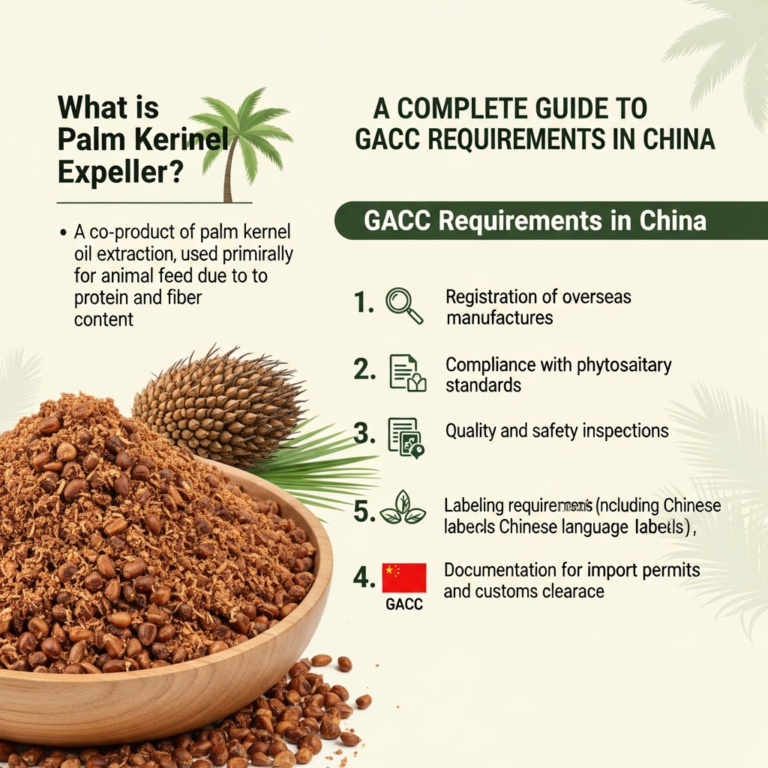
While not as common, with proper treatment, EFB can be processed into a fibrous feed for ruminant animals like cattle and goats. It can supplement other valuable feed sources derived from the oil palm, such as 棕榈仁压榨机. Processes like fermentation or steam treatment can break down the tough lignin and cellulose, improving its digestibility and nutritional value.
This turns a waste stream into a source of low-cost animal feed, reducing the overall cost of livestock farming and promoting a more integrated agricultural system. It is another example of the versatility of this byproduct.
Environmental Impact and Sustainability of EFB
The proper utilization of this biomass has profound environmental benefits. By diverting this biomass from landfills or open burning, we prevent the release of methane and carbon dioxide, potent greenhouse gases. Using EFB as a resource promotes a circular economy, reducing waste and creating value.
Sustainable management of the empty palm fruit bunch is critical. As highlighted by environmental groups like the 世界自然基金会(WWF), responsible palm oil production involves managing all byproducts effectively. This approach also applies to other parts of the palm, such as the 棕榈仁, which is processed into 棕榈仁油. By turning EFB into valuable products, the industry can significantly reduce its environmental footprint.
The Future of Empty Palm Fruit Bunch Utilization
The future for EFB looks incredibly bright. Ongoing research is focused on more efficient conversion technologies to produce high-value biochemicals, advanced biofuels, and nanomaterials. As technology advances, we can expect even more innovative applications to emerge.
Governments and industries are increasingly recognizing the economic and environmental importance of this resource. Policies that support biomass utilization and the circular economy will further accelerate the adoption of EFB-based technologies, solidifying the role of the empty palm fruit bunch in a sustainable future.
Makmur Amanah Sejahtera 提供高品质的棕榈产品,例如棕榈仁压榨料、棕榈仁壳、原棕榈油、棕榈仁油等。请通过 WhatsApp +6282140002198 或发送电子邮件至 admin@makmuramanah.co.id 与我们联系。. 这 空棕榈果串 is a testament to the power of innovation in transforming waste into a valuable resource. From powering industries and enriching soils to creating sustainable materials, its benefits are vast and varied. No longer a symbol of agricultural waste, the EFB now represents a key component of a greener, more sustainable economy. By embracing the full potential of this incredible resource, we can reduce our environmental impact, create economic opportunities, and pave the way for a more circular and sustainable world.正在寻找高品质的棕榈产品?
结论:变废为宝

 Chinese
  English
  Indonesian
  Arabic