
目录
- 椰壳炭究竟是什么?椰壳炭是如何制成的?The Top 5 Benefits of Using Coconut Shell Charcoal椰壳木炭与传统木炭的比较Beyond the Grill: Common UsesThe Bigger Picture: Sustainable Byproducts常见问题解答
If you’re looking for a sustainable, efficient, and clean-burning fuel, it’s time to learn about 椰壳炭. This remarkable product is rapidly gaining popularity not just for grilling, but for a wide range of applications. It represents a significant step forward in utilizing natural resources responsibly, turning a common agricultural byproduct into a high-value energy source.
椰壳炭究竟是什么?
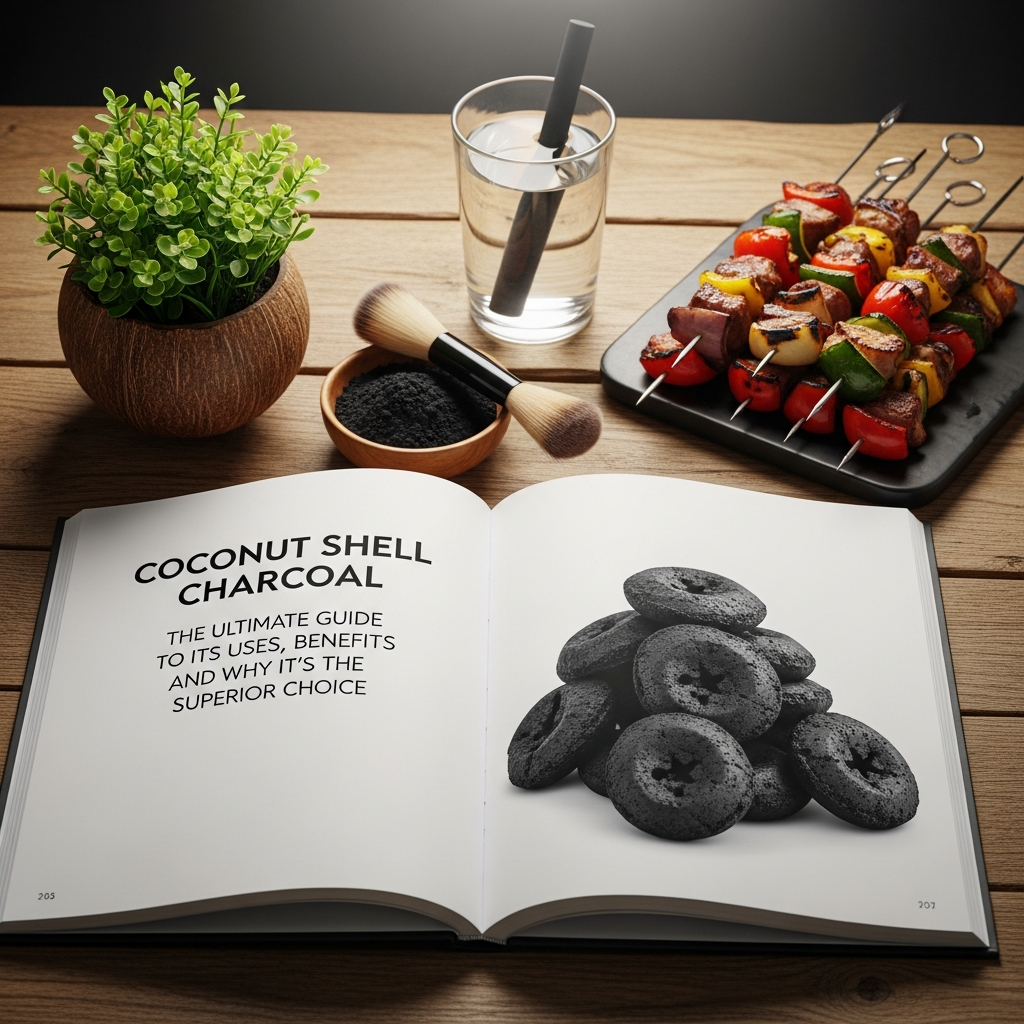
Coconut shell charcoal is a type of charcoal produced from the hard, woody shells of coconuts. Unlike traditional wood charcoal, which contributes to deforestation, this alternative is made from a waste product of the coconut industry. The shells are converted into pure carbon through a process called carbonization, resulting in a dense, high-energy fuel.
The resulting product is known for its high calorific value, minimal smoke, and low ash content. This makes it an incredibly efficient and clean fuel for both domestic and industrial purposes. The unique properties of coconut shell charcoal set it apart as a premium, eco-conscious choice.

椰壳炭是如何制成的?
The production of coconut shell charcoal is a fascinating blend of simplicity and science. It involves heating coconut shells in a low-oxygen environment, a process known as pyrolysis or carbonization. This controlled burn removes moisture and volatile compounds, leaving behind almost pure carbon.
This process is often carried out in special kilns designed to manage airflow and temperature. By restricting oxygen, the shells don’t fully combust into ash but instead transform into a dense, carbon-rich material. As explained in studies on biomass energy, this method maximizes energy retention from the original material. You can learn more about this process from scientific journals on pyrolysis.
The Top 5 Benefits of Using Coconut Shell Charcoal
1. A Superior Eco-Friendly Choice
The most significant advantage is its sustainability. This charcoal is made from coconut shells that would otherwise be discarded. Its use helps reduce waste and, crucially, prevents the need to cut down trees, directly combating deforestation—a major environmental issue highlighted by organizations like the 世界自然基金会(WWF).
2. Burns Hotter and Lasts Longer
Coconut shell charcoal boasts a higher calorific value than most wood-based charcoals. This means it burns hotter and more consistently for a longer period. For grilling enthusiasts, this translates to better searing, more even cooking, and less time spent replenishing coals during a barbecue.
3. 产生的烟雾和气味更少
Because it contains very few impurities, coconut shell charcoal produces significantly less smoke and unwanted odors. This creates a more pleasant cooking environment, especially in residential areas. Your food will be infused with pure, clean heat, not a harsh, smoky flavor.
4. Minimal Ash Production
Tired of a grill full of ash after cooking? Coconut shell charcoal leaves behind as little as 4% ash, compared to the 20-40% from traditional briquettes. This makes cleanup incredibly simple and efficient, letting you enjoy your meal without dreading the aftermath.
5. A Versatile and Powerful Material
Beyond the grill, coconut shell charcoal is the primary source material for producing activated carbon. Its unique microporous structure makes it exceptionally effective for filtration, a fact backed by environmental agencies like the EPA for water purification. We’ll explore more of these uses below.
椰壳炭 vs. 传统木炭:孰优孰劣,孰优孰劣?
When you compare them side-by-side, the advantages of 椰壳炭 become even more apparent.
- 来源: Made from renewable coconut shells (waste byproduct) vs. traditional charcoal made from hardwood trees (contributes to deforestation).Heat Output: Burns hotter and more evenly.燃烧时间: Lasts up to 2-3 times longer than many conventional brands.灰分含量: Very low (4-6%) vs. high (20-40%), making cleanup a breeze.Smoke & Odor: Nearly smokeless and odorless, providing a clean cooking experience.

Beyond the Grill: Common Uses of Coconut Shell Charcoal
While perfect for a BBQ, the applications of this amazing material are incredibly diverse. Its unique structure makes it invaluable in many industries.
Water and Air Filtration
When “activated,” coconut shell charcoal becomes a powerhouse for adsorption. Its vast network of microscopic pores traps impurities, making it a leading material for water filters, air purifiers, and even industrial gas treatment.
Horticulture and Soil Health
In the form of biochar, it can be added to soil to improve aeration, water retention, and nutrient levels. This sustainable practice helps create healthier gardens while sequestering carbon in the ground, as detailed by agricultural resources like the 康奈尔大学推广部.
Health and Beauty Products
The detoxifying properties of activated charcoal have made it a popular ingredient in everything from toothpaste and face masks to digestive supplements. It’s prized for its ability to bind with and remove toxins and impurities.
The Bigger Picture: A World of Sustainable Byproducts
The principle behind coconut shell charcoal—turning agricultural waste into a valuable resource—is part of a larger movement towards a circular economy. Just as coconut shells are repurposed, the oil palm industry offers numerous sustainable byproducts. For instance, the hard covering of the palm fruit, the 棕榈仁壳, serves as an excellent biofuel, much like its coconut counterpart.
From the fruit itself, we get valuable oils like 粗棕榈油 和 棕榈仁油. The leftover pulp after oil extraction, known as 棕榈仁压榨机, becomes a nutritious animal feed. Even the empty 油棕果串 can be used for energy or compost, showcasing a zero-waste approach. This highlights how every part of the harvest, from the 棕榈仁 to the husk, has a purpose in a sustainable model.
常见问题解答
1. Does food cooked with coconut shell charcoal taste like coconut?
No, not at all. The carbonization process removes all the compounds that create the coconut flavor and aroma. It provides a very neutral, clean heat that allows the natural flavor of your food to shine through.
2. Is it harder to light than regular charcoal?
Because it’s denser and contains no chemical accelerants, it can take a few minutes longer to light. However, using a charcoal chimney starter is highly effective and gets the briquettes glowing hot and ready for cooking in about 15-20 minutes.
3. Is coconut shell charcoal more expensive?
While the initial purchase price may be slightly higher, its longer burn time means you use less charcoal per cooking session. This often makes it more economical in the long run, providing better value for your money.
The Superior Choice for You and the Planet
From its sustainable origins to its high-performance burn, 椰壳炭 is a clear winner. It offers a cleaner, more efficient, and environmentally responsible way to grill, purify, and enrich. By making the switch, you’re not just choosing a better product—you’re supporting a smarter use of our planet’s resources and embracing a more sustainable future.
您值得信赖的高品质棕榈产品供应商
正在寻找高品质的棕榈产品?
Makmur Amanah Sejahtera 提供优质棕榈产品,例如棕榈仁榨油机、棕榈仁壳、原棕榈油、棕榈仁油等。请联系我们。 WhatsApp +6282140002198 或发送电子邮件至 admin@makmuramanah.co.id.
 Chinese
  English
  Indonesian
  Arabic