
目录
RBD棕榈油CP6 is one of the most widely traded and consumed edible oils in the world, yet many people are unfamiliar with what the name truly signifies. This versatile oil is a staple in kitchens and food manufacturing facilities globally, prized for its stability, affordability, and neutral taste. Understanding its properties is key to appreciating its role in our daily lives.
From deep-frying to creating the perfect confectionery, this oil’s unique characteristics make it an industry favorite. In this ultimate guide, we will explore everything you need to know about this cooking oil, from its production process to its various applications and the crucial conversation around its sustainability.

RBD棕榈油CP6究竟是什么?
RBD棕榈油CP6 is the liquid fraction obtained from the fractionation of palm oil after it has undergone a refining process. The “RBD” stands for Refined, Bleached, and Deodorized, which are the essential steps that transform 粗棕榈油 into a clean, stable, and usable product. The “CP6” refers to its cloud point of 6°C, a critical quality specification.
This oil is the most popular type of palm olein because its low cloud point makes it suitable for use in temperate and cooler climates without solidifying. Its high stability at high temperatures makes it a premier choice for frying applications across the globe.
Breaking Down the Name: RBD, Olein, and CP6
The name might seem technical, but each part tells a story about the oil’s journey and quality. Let’s break down what makes this popular oil what it is.
RBD:精炼、漂白和除臭
This is a physical refining process designed to remove impurities and improve the oil’s quality.
- 精制: This step removes free fatty acids (FFAs) and other impurities that can cause the oil to smoke or go rancid.
- 漂白: The oil is passed through activated earth (like bentonite clay) to absorb pigments and remove any undesirable color, resulting in a light, golden-yellow liquid.
- 除臭: High-pressure steam is used to strip away any remaining volatile compounds that could give the oil an off-flavor or odor. This ensures the final product is neutral in taste.
棕榈油:液体黄金
Crude palm oil contains both solid (stearin) and liquid (olein) fractions. The process of fractionation separates these two components by carefully cooling the oil until crystals (stearin) form. The remaining liquid is Palm Olein. In contrast, the fruit’s core contains the 棕榈仁, which is processed to create a different type of oil, 棕榈仁油.
CP6:质量基准
“CP” stands for Cloud Point, which is the temperature at which the oil starts to become cloudy or hazy as it solidifies. A CP of 6 means that the olein will remain clear and liquid at temperatures above 6°C (42.8°F). This is a crucial parameter for international trade, ensuring the oil remains manageable in various climates. For more on food standards, you can refer to the Codex Alimentarius by the WHO and FAO.
The Journey from Fruit to Oil: The Production Process
The journey from fruit to oil is a multi-stage process that demands precision to achieve the desired quality. It begins with harvesting fresh 油棕果串 and ends with a globally traded commodity.
- Harvesting & Sterilization: Fresh fruit bunches are harvested and quickly sterilized with steam to halt enzymatic reactions that increase free fatty acids.
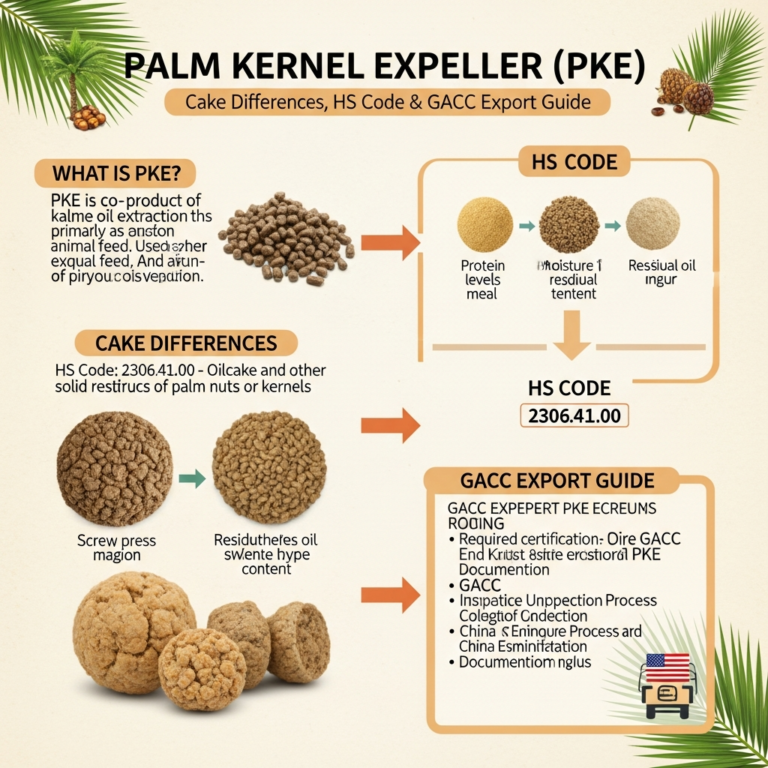
- Threshing & Pressing: The fruit is separated from the bunch and pressed to extract the crude palm oil (CPO). After pressing, valuable by-products are created. The fibrous press cake is often used in animal feed as 棕榈仁压榨机, 以及困难 棕榈仁壳 is an excellent source of biofuel.
- Physical Refining: The CPO undergoes the RBD process described above to become refined palm oil.
- 分馏: The refined palm oil is cooled under controlled conditions, causing the solid stearin to crystallize. These crystals are then filtered out, leaving the liquid palm olein.
Top 5 Incredible Applications of RBD Palm Olein CP6 in 2025
The versatility of this refined olein makes it a cornerstone of the global food industry. Its properties lend it to a wide range of uses that continue to be relevant in 2025.
- 工业油炸: Its high smoke point (around 235°C or 455°F) and resistance to oxidation make it the number one choice for frying instant noodles, potato chips, and other snacks on a large scale.
- 食用油: In households and restaurants, it is a popular all-purpose cooking oil, especially in Asia and Africa.
- 人造黄油和起酥油: It is a key ingredient in producing margarines, shortenings, and other bakery fats due to its textural properties.
- 糖果制品: Used in chocolates, coatings, and fillings to provide the right melt-in-your-mouth feel and prevent blooming.
- 非食品用途: It can be a feedstock for producing soaps, detergents, and even biodiesel. The USDA provides extensive data on global oil and fat consumption.
棕榈油的健康和营养成分
The nutritional composition of palm olein is a subject of much discussion. It is naturally rich in Vitamin E, particularly tocotrienols, which are powerful antioxidants. Research from institutions like the 美国心脏协会 often discusses the role of different fats in diet.
It also has a balanced fatty acid profile, with approximately 50% saturated fatty acids (mainly palmitic acid), 40% monounsaturated fatty acids (oleic acid), and 10% polyunsaturated fatty acids (linoleic acid). Like all oils, it should be consumed in moderation as part of a balanced diet.
The Sustainability Question: Sourcing Responsibly
The palm oil industry has faced significant scrutiny over environmental concerns, primarily deforestation and loss of biodiversity. In response, a global movement toward sustainable production has gained momentum. Organizations like the 可持续棕榈油圆桌会议(RSPO) have established criteria for certified sustainable palm oil.
购买时 RBD棕榈油CP6, it is crucial to look for suppliers committed to RSPO standards or other robust sustainability certifications. This ensures that the oil is produced in a way that protects ecosystems, respects workers’ rights, and supports local communities. Choosing sustainable options is vital for the long-term health of our planet and the industry.
结论:为什么精炼棕榈油精CP6是全球主食
This refined cooking oil is more than just a name on a specification sheet; it represents a globally significant commodity that plays a key role in the food supply chain. Its unique properties—a neutral taste, high stability, and a specific cloud point—make it an incredibly versatile and reliable ingredient.
From ensuring crispy fried foods to creating smooth confectionery, its influence is undeniable. As we move forward, the focus must be on balancing its utility with a firm commitment to sustainable and ethical sourcing, ensuring that this vital commodity can be produced and consumed responsibly for years to come.
联系我们,获取优质棕榈产品
正在寻找高品质的棕榈产品?
Makmur Amanah Sejahtera 提供高品质的棕榈产品,例如棕榈仁压榨料、棕榈仁壳、原棕榈油、棕榈仁油等。请通过 WhatsApp +6282140002198 或发送电子邮件至 admin@makmuramanah.co.id 与我们联系。.

 Chinese
  English
  Indonesian
  Arabic