
Cocopeat: 7 Amazing Plant Uses & Ultimate 2026 Guide
椰糠 is revolutionizing modern gardening and commercial agriculture across the globe. If you are constantly struggling with poor soil aeration, underwatering, or destructive root rot, this organic marvel is the permanent solution you need. We will show you exactly how to transform compressed coir blocks into the ultimate growing medium for explosive plant growth.
Many beginners and seasoned growers alike lose valuable plants to soil compaction and poor water retention. In fact, agricultural studies indicate that improper root zone moisture accounts for over 60% of common indoor plant failures. When delicate roots suffocate, your entire harvest suffers.
Using coconut coir dust—an eco-friendly byproduct of the coconut industry—solves these exact issues instantly. As a highly sustainable alternative to traditional peat moss, it holds up to 10 times its weight in water while maintaining excellent drainage. Whether you are running a massive greenhouse or maintaining a small indoor jungle, mastering this versatile soil amendment is absolutely essential for your 2026 gardening success.
What is Cocopeat? The Science Behind the Substrate
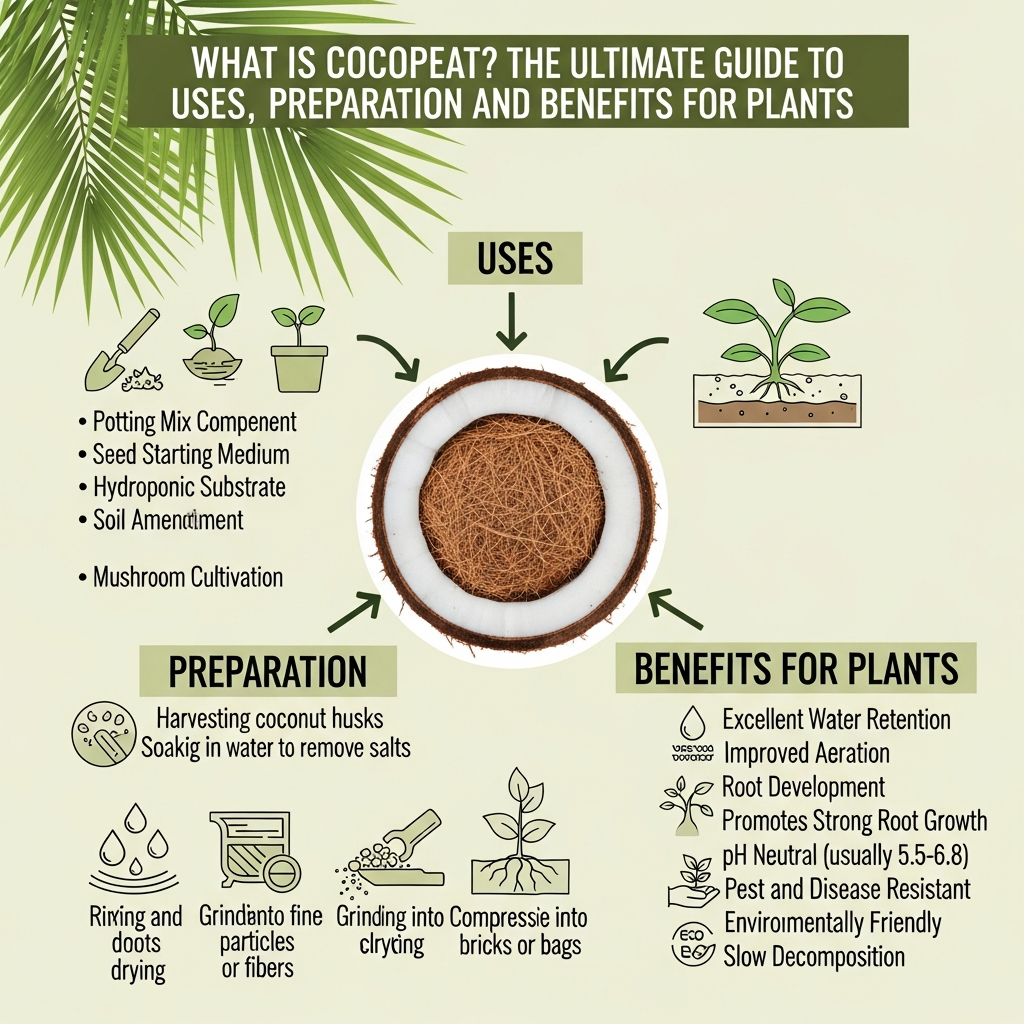
究竟是什么? 椰糠? Also known as coir pith, it is a 100% natural, biodegradable growing medium extracted from the thick, fibrous husks of coconuts. It acts as a highly porous soil amendment that dramatically improves water retention, prevents nutrient leaching, and provides optimal aeration for healthy root development.
[Image: A macro shot of rehydrated coconut coir highlighting its porous cellular texture. Alt: Detailed close-up view of porous cocopeat substrate. Title: The Porous Texture of Cocopeat]
Historically considered a mere waste byproduct of the booming global coconut industry, this fibrous material has evolved into the absolute gold standard for modern soilless agriculture. The intricate extraction process involves washing the raw husks, heat-treating them to eliminate pathogens, and carefully grading the fibers to create a perfectly sterile, pest-free medium.
Furthermore, scientific studies on agricultural coir properties confirm that its unique cellular structure absorbs tremendous amounts of water without ever becoming waterlogged. This scientific advantage effectively eliminates the risk of root suffocation, promoting vigorous top-growth and accelerating overall crop yields.
7 Amazing Benefits of Using Cocopeat for Plants
公司 椰糠 into your overall gardening strategy yields immediate, measurable improvements in plant vitality. The incredible benefits of cocopeat for plants are undeniable. Here are the top seven reasons horticultural experts universally recommend this hydroponic substrate.
- 1. Massive Water Retention: A standard block of coir holds incredible moisture through natural capillary action. This ensures delicate roots stay consistently hydrated and nourished, even during harsh, dry spells or missed watering schedules.
- 2. Superior Root Aeration: Unlike heavy, compacted clay soils, coconut peat maintains microscopic air pockets even when fully saturated. This abundant oxygen supply promotes rapid root expansion, allowing plants to breathe naturally.
- 3. 100% Eco-Friendly & Sustainable: Because it is an upcycled agricultural byproduct, this organic matter is entirely renewable. Utilizing it drastically reduces our global reliance on environmentally damaging soil alternatives, protecting fragile ecosystems.
- 4. Natural Antifungal Properties: High-quality coir dust naturally resists dangerous fungal growth. It provides a biological protective barrier against devastating soil-borne diseases like Pythium, damping-off, and lethal root rot.
- 5. Neutral pH Level: With a natural, stable pH ranging from 5.5 to 6.8, it provides the perfect baseline environment. This sweet spot ensures optimal nutrient absorption for the vast majority of vegetable and houseplant species.
- 6. Ideal for Advanced Hydroponics: Professional growers rely on 椰糠 in commercial hydroponic systems because it supports aggressive, high-frequency feeding schedules. It drains perfectly without accumulating toxic mineral salt buildups.
- 7. Long-Lasting Structural Durability: While traditional potting mixes degrade, compact, and sink rapidly, coir resists structural breakdown. It lasts up to three times longer before needing replacement, saving you significant time and money.
Cocopeat vs. Peat Moss: The Ultimate 2026 Comparison
For decades, traditional gardeners relied heavily on sphagnum peat moss for seed starting and potting mixes. However, systematically harvesting peat moss causes severe ecological consequences by destroying vital, slow-growing carbon sinks that take centuries to form.
When comparing cocopeat vs potting soil enriched with peat, coconut fiber has emerged as the ethical and functionally superior successor. Here is a direct, data-backed comparison of why modern agriculture is completely abandoning depleted peat bogs.
| 特征 | 椰糠 | 泥炭藓 |
|---|---|---|
| 环境影响 | 100% Sustainable and renewable byproduct | Destroys fragile natural bog ecosystems |
| pH值 | Neutral (5.5 – 6.8) – ideal for most plants | Highly acidic (3.5 – 4.5) – requires added lime |
| Water Absorption | Absorbs water instantly, even when bone dry | Repels water when fully dried out (hydrophobic) |
| Lifespan in Soil | Lasts 3 to 4 years before breaking down | Breaks down rapidly within 1 to 2 years |
Additionally, because the substrate rewets so effortlessly, it dramatically reduces the overall water volume needed for large-scale agricultural irrigation. This superior efficiency saves commercial farmers and home hobbyists significant utility costs.
How to Prepare a Compressed Cocopeat Block
Buying coir in compressed brick form is easily the most cost-effective method for bulk gardening. However, understanding how to prepare cocopeat block correctly is critical. You must hydrate, wash, and buffer it properly before introducing it to your sensitive plants.
[Image: Embedded video player showing a tutorial on expanding compressed coir blocks. Alt: Step-by-step video guide for hydrating cocopeat blocks. Title: How to Hydrate Cocopeat Blocks Video]
- Step 1: Choose a Large Container. Place your compressed 椰糠 block into a large wheelbarrow, plastic tub, or heavy-duty bucket. Keep in mind that a single 5kg block will expand up to seven times its original compressed size.
- Step 2: Add Warm Water. Pour clean, warm water gradually over the top of the brick. Warm water actively breaks down the densely compressed coconut fibers much faster and far more evenly than cold tap water.
- Step 3: Allow for Expansion. Let the wet mixture sit undisturbed for 15 to 20 minutes. As it absorbs the moisture and swells upward, gently break apart the softening chunks with your bare hands or a sturdy garden trowel.
- Step 4: Buffer with Cal-Mag. Because raw coir pith has a naturally high cation exchange capacity, it can aggressively bind calcium and magnesium. Soaking it in a diluted Cal-Mag solution ensures these vital macronutrients remain available to your growing plants.
- Step 5: Mix with Additives. Squeeze out all excess water until the fiber feels exactly like a damp sponge. Blend your freshly fluffed substrate with coarse perlite, vermiculite, or rich organic compost to create the ultimate, well-draining potting mix.
Top Agricultural and Industrial Uses
Beyond simple home gardening, the commercial applications for this highly versatile substrate are vast and economically significant. When sourcing wholesale agricultural supplies, material quality matters immensely for maximizing crop yield and overall profitability.
For instance, commercial farmers and urban vertical farms consistently purchase 优质椰糠 for massive greenhouse operations. Its guaranteed sterility provides a safe, completely disease-free starting environment for high-value cash crops and delicate seedlings.
[Image: Infographic showing various industrial applications of coir pith and palm derivatives. Alt: Infographic detailing the agricultural and industrial uses of cocopeat. Title: Industrial Uses of Coir Pith]
Moreover, modern sustainable agriculture relies on a deeply integrated network of high-quality palm and coconut derivatives. While modern greenhouses thrive on coir, the global biomass energy sector relies on robust, eco-friendly materials like 棕榈仁壳 for clean, high-calorie fuel alternatives.
Similarly, the worldwide livestock industry depends heavily on high-grade 棕榈仁压榨机 and highly nutritious 椰干粉 for superior, protein-rich animal nutrition. For specialized dairy cattle diets, adding bypass fats such as 棕榈油脂肪酸钙盐 significantly boosts milk yields and herd health. Furthermore, the global food industry leverages refined, high-quality products like RBD CP8 (RBD Palm Olein) to safely meet massive global edible oil demands. Utilizing these sustainable byproducts ensures a zero-waste agricultural economy that actively drives 2026 climate sustainability goals.
Common Mistakes to Avoid With Coir Pith
While this growing medium is highly forgiving, beginners often make a few critical, easily preventable errors that unexpectedly stunt plant growth. Avoiding these three common mistakes will guarantee your indoor and outdoor gardens thrive beautifully.
- Skipping the Washing Phase: Low-quality, unbranded coir often contains dangerously high sodium levels from coastal sea spray during the drying process. Always ensure you purchase pre-washed and buffered 椰糠, or take the time to rinse it thoroughly yourself to flush out excess salts.
- Treating it Like True Soil: Unlike rich, loamy organic compost, pure coconut coir is completely nutritionally inert. You must actively provide liquid fertilizers or slow-release organic nutrients to properly feed your plants, as the medium only holds water and roots, not food.
- Over-compressing the Mix: When potting your new plants, never pack the wet substrate down tightly into the container. Pressing it down too hard completely destroys the microscopic air pockets that are absolutely essential for healthy root breathing and expansion.
Makmur Amanah Sejahtera 我们提供优质的棕榈产品,例如棕榈仁粕、棕榈仁壳、原棕榈油、棕榈仁油等。请联系我们。 WhatsApp +6282140002198 或发送电子邮件至 admin@makmuramanah.co.id.
关于椰糠的常见问题
How do you use cocopeat for plants?
To use this soil amendment for plants, simply rehydrate the compressed block, squeeze out all excess moisture, and blend it in a 1:1 ratio with standard potting soil and perlite. This custom blend creates an airy, moisture-retaining mix that prevents root rot.
Is cocopeat good for indoor plants?
Yes, it is arguably the best medium available for indoor houseplants. Because it is naturally sterile, well-draining, and antifungal, it protects vulnerable indoor plants from devastating fungus gnats and damping-off disease while keeping the root zone consistently moist without suffocating them.
椰糠可以保存多久?
Due to its incredibly high lignin content, it decomposes very slowly compared to other organic matter. It typically lasts between 3 to 4 years in a raised garden bed or indoor container before breaking down entirely, making it a highly cost-effective, long-term substrate.
Does coconut peat contain natural nutrients?
No, pure coir dust is considered a completely nutritionally inert growing medium. While it naturally contains trace amounts of potassium and phosphorus, you must consistently supplement it with a balanced organic or synthetic liquid fertilizer to support long-term, vigorous plant growth.
Can I mix cocopeat vs potting soil together?
Absolutely. Mixing this lightweight soil builder with heavy, cheap potting soil dramatically improves the overall texture, aeration, and drainage capabilities. A standard ratio of 30% to 50% coir transforms dense, lifeless dirt into a premium, fluffy planting medium perfect for all species.
Conclusion: Elevate Your Gardening With Cocopeat
In summary, integrating premium coir into your soil building and fertilization strategy is the absolute smartest decision you can make for your garden’s health in 2026. This highly sustainable, moisture-retaining miracle effectively transforms poor, compacted dirt into a thriving, oxygen-rich root ecosystem.
[Image: A vibrant, healthy monstera plant thriving in a soilless coir mix indoors. Alt: Lush indoor houseplant growing vigorously in a premium cocopeat mixture. Title: Healthy Plants Grown in Cocopeat]
Whether you are repotting a single indoor monstera, germinating delicate vegetable seeds, or managing acres of high-yield hydroponic crops, the superior aeration and natural durability of 椰糠 will consistently deliver unmatched, explosive plant growth. Stop losing your precious plants to poor drainage and severe soil compaction today. Make the ethical switch to eco-friendly coconut coir and watch your garden flourish like never before.
 Chinese
  English
  Indonesian
  Arabic