
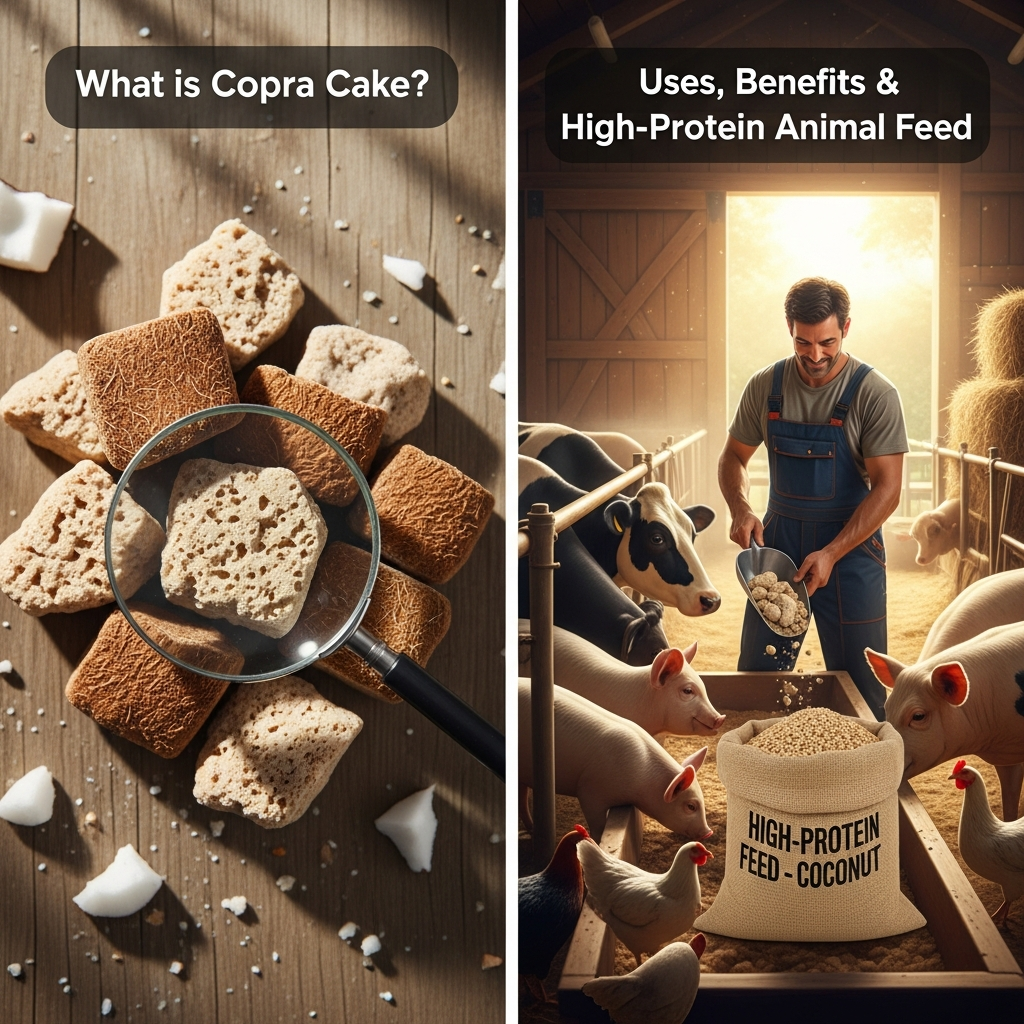
Copra Cake: 7 Ultimate Tips for Amazing Animal Feed (2026)
椰肉饼 is rapidly becoming the #1 solution for modern livestock farmers aiming to drastically slash feed costs while simultaneously skyrocketing livestock health in 2026. If you have been struggling with the relentless price fluctuations of conventional soybean meal, finding a highly nutritious, reliable alternative is no longer an option—it is essential for agricultural survival. This comprehensive, expert-led guide reveals everything you need to know about maximizing your farm’s profitability, animal yields, and operational efficiency with this incredible, high-protein animal feed.
According to recent global agricultural metrics published by the 联合国粮食及农业组织(粮农组织), international feed demands are surging to unprecedented levels. This economic pressure is forcing commercial producers to pivot toward sustainable, cost-effective alternatives without sacrificing herd nutrition. What exactly is this powerhouse ingredient? 椰肉饼 is a highly nutritious, dense byproduct created during the mechanical extraction of coconut oil from dried coconut kernels (copra). It serves as an excellent, readily available source of high-quality crude protein, highly digestible dietary fiber, and essential fats for ruminants, equine, and diverse livestock diets.
As a seasoned animal nutrition strategist with over 15 years of experience formulating high-yield dairy rations, I have witnessed firsthand how integrating coconut expeller products revolutionizes commercial feed strategies. In this definitive 2026 guide, we will unpack its superior nutritional profile, outline the best feeding practices, and show you exactly how to bypass costly dietary mistakes that plague novice formulators.
What is Copra Cake? The Ultimate Definition
Many modern farmers and feed mill operators continuously ask about the precise origin and mechanical processing of their bulk feed ingredients. To put it simply and directly, 椰肉饼 is the solid, compressed residue left behind immediately after raw coconut oil is forcefully extracted from dried coconut meat. Unlike highly processed chemical feeds, this ingredient retains a rich matrix of natural nutrients that are biologically primed for complex ruminant digestive systems.
This byproduct is widely celebrated for its dense energy profile and unique lipid composition. The natural toasting process it undergoes during extraction enhances its flavor, making it incredibly palatable to picky eaters. Furthermore, its dry nature prevents the rapid bacterial spoilage commonly associated with wet brewer’s grains or fresh forage.
How Copra Cake is Manufactured
The journey from a tropical palm to a high-protein animal feed is fascinating and heavily reliant on strict temperature controls. Fresh coconuts are harvested, split, and intensely dried—either by sun or specialized mechanical kilns—to create raw copra. This dried botanical material, detailed extensively on Wikipedia, is then fed into heavy-duty expeller presses.
The immense mechanical pressure safely squeezes out the valuable coconut oil, leaving behind thick, nutrient-dense slabs known as the cake. Modern facilities continuously monitor the heat generated by friction during this stage. Maintaining optimal temperatures ensures that the valuable crude protein is not degraded, thereby maximizing its nutritional impact on the final livestock diet.
Copra Cake vs. Copra Meal: Is There a Difference?
While industry professionals often use the terms interchangeably in casual conversation, there is a slight physical distinction you should understand. The cake refers to the solid, unground chunks emerging directly from the press. In contrast, coconut meal or 椰干粉 refers to the exact same product that has been subsequently ground into a finer, granular powder. This secondary grinding facilitates easier mixing in automated feed mills, though both forms are nutritionally identical powerhouse ingredients.
[Image: Close-up of premium golden-brown copra cake freshly processed at a commercial mill]
Nutritional Profile of Copra Cake for Livestock
Understanding the precise biochemical makeup of your feed is the cornerstone of profitable animal nutrition. When compared to traditional ingredients, 椰肉饼 boasts a highly unique, specialized profile that specifically targets the metabolic needs of high-yielding dairy cows and growing beef cattle. Its specific ratio of protein to fiber creates an ideal environment for rumen bacteria, ensuring optimal nutrient absorption without the risk of dangerous digestive upsets.
Furthermore, international nutritional databases maintained by Feedipedia confirm that this ingredient is exceptionally rich in residual coconut oil. This oil is packed with medium-chain triglycerides (MCTs), primarily lauric and capric acids, which provide a rapid, clean energy source that animals can convert directly into body mass or milk fat without storing it as visceral fat. For operations seeking even higher energy densities, pairing this feed with 棕榈油脂肪酸钙盐 is a highly effective, advanced strategy.
| Nutritional Component | 椰干饼 | 豆粕 | 棕榈仁压榨机 |
|---|---|---|---|
| 粗蛋白 | 20% – 22% | 44% – 48% | 14% – 16% |
| 粗纤维 | 12% – 15% | 3% – 5% | 15% – 18% |
| Fat (Residual Oil) | 8% – 12% | 1% – 2% | 6% – 8% |
| 成本效益 | 出色的 | Moderate/High | Outstanding |
High Crude Protein and Rumen Bypass Efficiency
The high crude protein found in this feed is classified largely as rumen undegradable protein, commonly known as bypass protein. This means a significant portion safely survives the harsh, competitive fermentation of the rumen and passes directly into the lower intestine. Here, essential amino acids are absorbed with maximum efficiency, fueling muscle growth and milk synthesis.
Additionally, the highly digestible fiber acts as a fantastic natural buffer. Because it requires extensive chewing and rumination, it stimulates massive saliva production, which maintains optimal rumen pH levels and effectively prevents life-threatening conditions like acute ruminal acidosis.
[Image: Detailed infographic showing the exceptional nutritional benefits of copra cake compared to standard feeds]
7 Incredible Benefits of Using Copra Cake in Animal Feed
Why are top-tier nutritionists aggressively formulating ruminant diets around this specific ingredient? Here are the 7 proven reasons why transitioning to this feed will dramatically elevate your agricultural operations in 2026:
- Unmatched Rumen Bypass Protein: As highlighted in advanced veterinary studies on PubMed Central, the heat generated during the expeller process naturally protects the protein, allowing it to bypass early rumen degradation entirely.
- Skyrockets Milk Butterfat: The rich residual coconut oil directly influences the lipid profile of dairy cows, reliably leading to creamier, high-fat milk that commands premium prices at the dairy cooperative.
- Highly Cost-Effective Strategy: By strategically replacing up to 30% of expensive soybean or canola meals, farmers can drastically reduce overhead feed costs while maintaining identical, if not superior, herd growth rates.
- Improves Coat and Hoof Health: The naturally occurring essential fatty acids and diverse trace minerals present in 椰肉饼 contribute to a glossy, resilient coat and stronger hooves, minimizing expensive veterinary interventions.
- 极佳的适口性: The naturally sweet, toasted aroma of the coconut expeller makes it highly attractive to livestock, encouraging consistent dry matter intake even during stressful, high-heat summer months.
- 降低酸中毒风险: Because it contains practically zero starch and is rich in digestible fiber, it provides a very safe, non-heating energy source that stabilizes the complex, delicate gut microbiome.
- Extended Shelf Life: When responsibly stored in dry, well-ventilated conditions, the naturally low moisture content prevents dangerous mold and toxic aflatoxin development, ensuring long-term bulk feed security.
Best Practices for Feeding Copra Cake to Livestock
While the benefits are undeniably powerful, absolute precision is required when formulating a balanced commercial diet. Integrating 椰肉饼 into your daily feeding regimen must be done systematically to allow the animal’s delicate gut bacteria to acclimate properly. Sudden, drastic changes to any feed ratio can cause temporary digestive setbacks, so a gradual phase-in over 10 to 14 days is universally recommended by veterinary experts.
Additionally, providing unlimited access to clean, fresh drinking water is absolutely non-negotiable. Because this feed ingredient is highly absorptive, animals will naturally increase their water intake to process the dense dietary fiber and protein effectively.
Ruminants and Dairy Cattle Rations
For high-producing dairy cows, it can safely constitute 1.5 to 2.5 kilograms per head per day, heavily depending on the baseline forage quality. Beef cattle in the rapid finishing phase can consume slightly higher amounts to drive rapid weight gain and dramatically improve meat marbling. It is often masterfully blended with 棕榈仁压榨机 to create a perfectly balanced, dual-action energy and protein supplement.
To further boost caloric intake during early lactation, some advanced nutritionists also top-dress these custom rations with liquid energy sources like RBD CP8. This comprehensive approach guarantees that the cows never slip into a negative energy balance.
Poultry and Swine Limitations
In stark contrast to its massive success with ruminants, feeding 椰肉饼 to monogastric animals like poultry and swine requires careful limitation. Because pigs and chickens completely lack a multi-chambered rumen, they struggle to digest high-fiber ingredients efficiently. Therefore, strict inclusion rates should be capped at 5% to 10% for broiler chickens and gestating sows to entirely prevent nutrient dilution and reduced growth velocities.
[Image: Healthy, high-yielding dairy cows eagerly feeding on a precision-mixed copra cake based diet]
Sourcing the Best Quality Copra Cake in 2026
Not all agricultural byproducts are created equal in the global market. When sourcing your bulk inventory, it is strictly vital to partner with transparent, certified manufacturers who consistently utilize modern, temperature-controlled expeller presses. Substandard pressing techniques can leave too much moisture behind, inviting rapid spoilage, or severely burn the protein, rendering it totally indigestible.
Always aggressively demand a recent certificate of analysis (COA) detailing exact moisture, crude protein, and crude fat percentages. Furthermore, modern feed mills seeking to lower their operational fuel costs frequently pair their ingredient orders with highly efficient 棕榈仁壳 to power their industrial biomass boilers cleanly and sustainably.
For operations looking to secure the absolute top-tier ingredients, we strongly recommend comprehensively comparing our premium 椰肉饼 options. Additionally, for total stall management, leading modern farmers often utilize our highly absorbent 椰糠 as superior, long-lasting livestock bedding, practically guaranteeing a cleaner, disease-free environment for the entire herd.
[Embedded Video Suggestion: “How to Formulate Profitable Dairy Rations Using Copra Cake for Maximum Milk Yield”]
Makmur Amanah Sejahtera 我们提供优质的棕榈产品,例如棕榈仁粕、棕榈仁壳、原棕榈油、棕榈仁油等。请联系我们。 WhatsApp +6282140002198 或发送电子邮件至 admin@makmuramanah.co.id.
关于椰干饼的常见问题
椰干饼有什么用途?
Copra cake is primarily used as a high-energy, high-protein ingredient in commercial livestock feed. It is specifically formulated into ruminant diets for dairy and beef cattle to sustainably boost daily milk yields, enhance butterfat content, and rapidly improve overall body condition scores.
How much protein is in copra cake?
Typically, high-quality copra cake contains between 20% to 22% crude protein. This makes it an excellent, highly coveted bypass protein source that intelligently avoids early ruminal degradation, effectively delivering vital amino acids directly to the lower intestine for maximum, efficient absorption.
Is copra cake good for poultry?
While highly beneficial for cattle and horses, feeding this fibrous ingredient to poultry must be done in strict moderation due to its high dietary fiber and fat content. It can safely make up about 5% to 10% of broiler and layer diets without negatively impacting monogastric digestion.
What is the difference between coconut meal and copra cake?
These terms are frequently used interchangeably within global animal nutrition circles. Coconut meal generally refers to the finely ground, powdered version, whereas copra cake specifically defines the dense, solid, unground residue expelled directly from the mechanical oil press before milling.
Does copra cake increase milk fat?
Yes, extensive agricultural field studies confirm that the rich residual coconut oil found in copra cake significantly enhances the butterfat content in dairy cow milk. This highly reliable lipid transfer makes it an absolute favorite among commercial, profit-driven dairy producers globally.
[Image: Massive, secure sacks of wholesale copra cake stacked neatly and ready for global export]
Conclusion: Maximize Yields with Copra Cake
In the highly competitive, volatile agricultural landscape of 2026, relying on outdated, overly expensive feed ingredients is a guaranteed, rapid path to shrinking profit margins. By actively and intelligently integrating this nutrient-dense coconut byproduct into your daily livestock rations, you are proactively investing in superior animal health, vastly improved milk quality, and unparalleled cost-efficiency. From its incredible rumen bypass protein mechanics to its digestion-stabilizing dietary fiber, the operational benefits are both scientifically proven and economically undeniable.
Ultimately, utilizing 椰肉饼 empowers you to formulate smarter, safer, and significantly more profitable diets for your entire herd. Do not let aggressively fluctuating global feed markets dictate your commercial farm’s success. Take absolute control of your livestock nutrition today, upgrade your professional feed formulations, and rapidly experience the transformative power of this ultimate high-protein animal feed.
 Chinese
  English
  Indonesian
  Arabic