
Cocopeat: 7 Ultimate Uses & Amazing Benefits Guide (2026)
Understanding how to use 椰糠 correctly can instantly transform your dying indoor plants into thriving, vibrant greenery. Gardeners globally face the severe problem of compacted, nutrient-depleted soil that suffocates fragile root systems. Fortunately, the ultimate organic solution has arrived, rapidly shifting the horticultural landscape in 2026.
This 100% natural, sustainable medium completely revitalizes root aeration and water retention. By integrating this organic marvel into your daily gardening routine, you guarantee exponential growth and unparalleled crop yields. Whether you manage a massive commercial greenhouse or a small indoor collection, this material is absolutely essential.
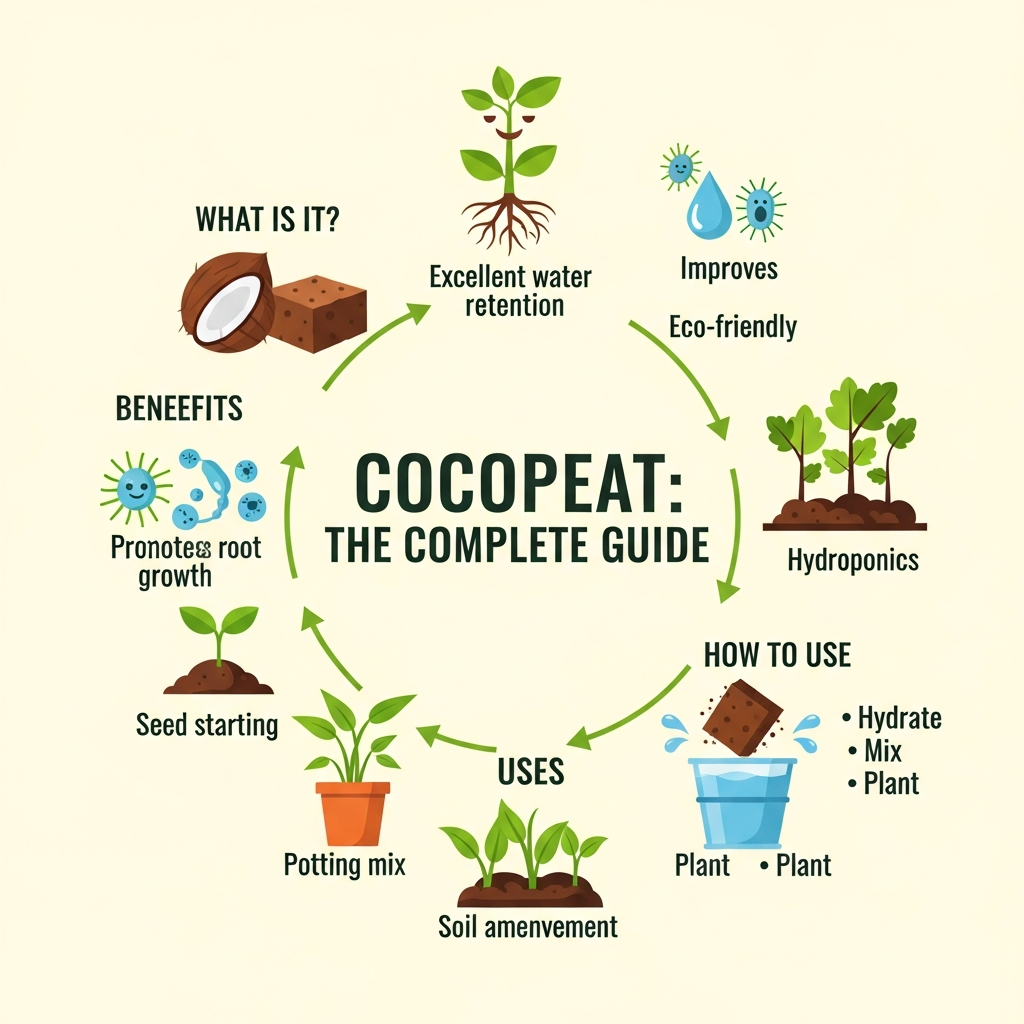
What exactly is this miracle medium? Simply put, 椰糠 is a multi-purpose organic growing medium made entirely from repurposed coconut husks. The fibrous husks are thoroughly washed, machine dried, carefully sieved, and made completely free from sand and harmful contaminations. It offers a highly porous structure, allowing for optimal root aeration and exceptional moisture retention.
What is Cocopeat? The Science Behind the Growing Medium
To truly master modern horticulture, you must first understand the fundamental science behind 椰糠. Historically referred to as coir pith or coconut coir dust, this ingenious byproduct of the coconut industry has revolutionized global agriculture. According to extensive botanical research, the physical properties of this specific soil amendment remain scientifically unmatched.
It possesses a naturally stable pH balance ranging from 5.5 to 6.8, which is perfectly optimal for the vast majority of plant species. Furthermore, its exceptionally high cation exchange capacity (CEC) allows it to hold and release valuable nutrients efficiently over time. For more detailed scientific documentation regarding coir’s unique structural properties, you can review the authoritative Wikipedia database on Coir.
Unlike traditional, heavy potting mediums, this lightweight coconut dust actively prevents nutrient leaching. This ensures your high-value plants receive consistent, steady nourishment between watering cycles. Additionally, it is naturally resistant to harmful bacteria, aggressive fungal spores, and common soil-borne pathogens.
The Manufacturing Process: How It Is Made
Understanding the meticulous origin of your growing medium highlights precisely why this substrate is exceptionally beneficial. The production journey begins at tropical coconut plantations where skilled farmers harvest mature coconuts primarily for their oil and meat. Historically, the leftover fibrous husks were considered useless agricultural waste and were frequently burned, causing severe air pollution.
However, modern horticultural science eventually discovered the immense, untapped value hidden within these discarded husks. First, the husks undergo a rigorous retting process, soaking in clean water for several months to successfully soften the tough, woody fibers. Next, specialized industrial decorticator machines meticulously separate the long, coarse coconut fibers from the fine, spongy coir pith.
After extraction, the raw material is washed repeatedly in fresh water to remove naturally occurring sodium and potassium salts. Following the thorough washing process, the material is laid out under the tropical sun to dry organically until the moisture content drops safely below 20%. Finally, modern manufacturing facilities compress the dried pith into the compact, convenient bricks you see in premium gardening stores today.
Ensuring Low Electrical Conductivity (EC)
For professional, commercial growers, verifying the electrical conductivity (EC) level of their growing substrate is a non-negotiable, paramount concern. EC precisely measures the total concentration of soluble salts present within the medium, which can drastically impact delicate root health. Unwashed or poorly processed coir pith unfortunately retains dangerously high salt levels from the harsh coastal environments where coconuts naturally grow.
Consequently, premium agricultural suppliers utilize extensive, multi-stage freshwater buffering processes to lower the EC to highly safe levels, typically below 0.5 mS/cm. When purchasing your supplies, always strictly verify that your chosen supplier provides a certified “washed” or “buffered” product.
Furthermore, expertly integrating 棕榈仁压榨机 can beautifully balance the broader agricultural ecosystem. While 椰糠 optimizes the soil structure for plants, utilizing high-quality expeller maximizes parallel livestock operations on mixed-use farms.
7 Amazing Benefits of Using Cocopeat for Plants
Implementing this highly sustainable peat moss alternative offers incredibly lucrative advantages for both novice hobbyists and large-scale commercial growers. Here are the seven amazing benefits of using 椰糠 strategically in your modern agricultural endeavors:
- 无与伦比的保水能力: This remarkably fibrous material can quickly absorb up to ten times its dry weight in water, completely preventing fatal plant dehydration.
- 根部通气效果极佳: The unique, spongy texture actively prevents dense soil compaction, allowing vital oxygen to consistently reach the vulnerable root zone.
- 100% Eco-Friendly: Because it exclusively utilizes repurposed coconut waste, it remains an entirely renewable, environmentally conscious resource.
- Neutral pH Levels: Unlike highly acidic traditional mediums, this product naturally sits at a highly balanced pH, requiring significantly fewer harsh chemical adjustments.
- Pathogen Resistance: The naturally high lignin content effectively repels harmful root pests, drastically minimizing your need for expensive, toxic pesticides.
- Enhanced Nutrient Delivery: It securely holds onto valuable liquid fertilizers and slowly, steadily releases them back into the active root system.
- Long-Lasting Durability: A single, proper application can astonishingly last up to five full years before eventually breaking down, saving growers substantial money.
Moreover, top agricultural experts universally recognize these specific traits as absolutely essential for building climate-resilient farming systems. You can thoroughly explore more about these vital sustainable agricultural practices through the official USDA’s sustainable agriculture guidelines.
Cocopeat vs. Peat Moss: A Detailed Comparison
For several decades, traditional gardeners relied almost exclusively on standard peat moss for basic moisture retention and overall soil conditioning. However, the aggressive, continuous harvesting of natural peat bogs continuously releases massive amounts of sequestered carbon directly into the atmosphere. Consequently, 椰糠 has rapidly emerged globally as the premier, highly environmentally responsible alternative.
Below is a comprehensive, highly detailed comparison highlighting exactly why this innovative coconut-based product is vastly superior:
| 特征 | 椰糠 | 泥炭藓 |
|---|---|---|
| 可持续性 | 100% Renewable (Coconut waste) | Non-renewable (Destroys bog ecosystems) |
| pH值 | Neutral to slightly acidic (5.5 – 6.8) | Highly acidic (3.5 – 4.5) |
| Water Absorption | Excellent (Absorbs quickly even when bone dry) | Poor when dry (Actively repels water initially) |
| 寿命 | Lasts a highly impressive 3 to 5 years | Breaks down rapidly in 1 to 2 years |
| 通风 | Highly porous, strongly resists soil compaction | Tends to compress heavily over time |
In stark contrast to peat moss, the resilient coconut husk fiber rehydrates absolutely instantly, even after enduring prolonged periods of severe drought. The prestigious Royal Horticultural Society actively advocates for peat-free gardening specifically to protect fragile global ecosystems. By consciously making this remarkably simple switch today, you actively contribute to massive environmental conservation while simultaneously boosting overall plant health.
How to Prepare and Use Cocopeat Blocks
Typically, modern manufacturers tightly compress this airy medium into dense bricks or heavy blocks for highly cost-effective international shipping and easy storage. Therefore, you must accurately prepare, properly expand, and thoroughly wash your 椰糠 blocks before safely applying them to your sensitive plants.
Follow this proven, highly efficient step-by-step process for achieving strictly optimal growing results:
- Step 1: Proper Hydration. Carefully place the tightly compressed block directly into a sufficiently large, clean plastic container or metal wheelbarrow.
- Step 2: Adding Warm Water. Very gradually pour roughly 4 to 5 gallons of lukewarm water slowly over a standard, commercially sized 5kg block.
- Step 3: Patient Expansion. Patiently wait approximately 15 to 30 minutes. The dry block will rapidly absorb the liquid and miraculously expand up to six times its original physical volume.
- Step 4: Manual Fluffing. Vigorously use your hands or a standard garden fork to completely break apart any remaining hard, unexpanded chunks.
- Step 5: Final Rinsing (Crucial Step). Generously flush the newly expanded material with copious amounts of fresh water to confidently remove any residual natural salts.
Mixing Cocopeat with Palm Kernel Shells and Soil
For establishing mature, thriving outdoor plants, effectively blending your core growing medium creates a highly structured, exceptionally resilient soil profile. Experienced agronomists highly recommend deliberately combining expanded 椰糠 with incredibly sturdy organic matter to permanently prevent long-term soil settling.
For instance, strategically incorporating premium 棕榈仁壳 into your custom potting mix drastically improves essential water drainage for sensitive tropical plants. This highly strategic combination perfectly mimics the rich, incredibly well-draining forest floor environment that many rare exotic houseplants desperately crave.
Furthermore, you can generously add nutrient-rich organic compost directly to this custom blend, instantly creating the ultimate nutrient-dense environment. This guarantees your root systems possess both the necessary physical space to expand and the steady chemical fuel to heavily produce.
Essential Applications in Hydroponics and Gardening
Moving significantly beyond traditional soil-based gardening, this revolutionary material utterly dominates the fast-paced modern hydroponic industry. Because it is a largely inert medium, it successfully provides technical growers with complete, uncompromising control over the plant’s delicate daily nutrient intake.
Professional hydroponic farmers consistently praise its unique ability to anchor heavy roots securely while simultaneously delivering oxygen-rich nutrient solutions constantly. Furthermore, multiple recent agronomy studies on advanced coir substrates clearly highlight its vastly superior overall performance in commercial tomato and strawberry production.
Whether you are deliberately utilizing a specialized drip irrigation system or a standard flood-and-drain hydroponic setup, this material effortlessly adapts to your precise engineering needs. Professional growers highly favor this medium for hydroponics due to several specific mechanical advantages:
- Excellent Cation Exchange: Buffers essential nutrients efficiently, making them readily available.
- Structural Integrity: Will not dissolve, compress, or turn to heavy sludge underwater over time.
- Rapid Rooting: Soft fibers encourage incredibly fast micro-root development for explosive vegetative growth.
Boosting Total Farm Yields with Copra Meal
To successfully maximize your total agricultural output, smartly integrating complementary, high-quality organic supplements remains a heavily proven, time-tested strategy. While the 椰糠 reliably provides the perfect, highly stable structural foundation for your plants, integrated farming systems demand holistic nutritional management.
By proactively incorporating nutrient-dense 椰干粉 as an effective, natural organic fertilizer or premium livestock feed, you successfully create a massive powerhouse farming ecosystem. Additionally, for dairy and beef cattle operations connected to your farm, introducing 棕榈油脂肪酸钙盐 acts as a spectacular high-energy rumen bypass fat supplement.
This highly synergistic combination perfectly balances necessary crop structural aeration with highly reliable, slow-release protein and energy sources for the entire farm. Consequently, successful commercial farmers aggressively adopting this specific multi-faceted approach routinely report a truly staggering 30% tangible increase in their seasonal yields.
Troubleshooting Common Cocopeat Problems
While this substrate is virtually flawless, inexperienced growers occasionally encounter mild issues when first transitioning from traditional soils. The most prevalent problem involves a sudden calcium or magnesium deficiency within the rapidly growing plant tissues. Because raw coir naturally holds high levels of potassium and sodium, it can temporarily lock out calcium and magnesium absorption.
To permanently eliminate this frustrating issue, you must deliberately flush the raw substrate with a specialized Cal-Mag (Calcium-Magnesium) buffering solution before planting. This crucial chemical buffering process rapidly displaces the unwanted sodium ions, seamlessly replacing them with highly beneficial calcium and magnesium ions.
Another occasional issue is accidental overwatering due to the medium’s genuinely incredible moisture retention capabilities. Although 椰糠 drains much better than standard peat moss, maintaining a strict, observant watering schedule prevents the root zone from remaining excessively saturated. Always ensure the top inch of the medium feels noticeably dry to the touch before reapplying fresh water or liquid nutrients.
常见问题解答 (FAQ)
What are the disadvantages of cocopeat?
The single primary disadvantage of 椰糠 is its naturally high salt content before undergoing the rigorous commercial washing process. If improperly processed, these harsh salts can severely stunt sensitive young plant growth. Active growers must routinely apply complete hydroponic fertilizers to ensure healthy development.
How long does this growing medium last?
This premium coconut-based medium boasts an incredibly long, highly resilient lifespan, typically lasting strictly between three to five full years. Its naturally high lignin content actively and aggressively resists rapid bacterial breakdown, making it a highly cost-effective and remarkably low-maintenance investment.
Do I need to add fertilizer to cocopeat?
Yes, you absolutely must add fertilizer when utilizing this product for your primary plant cultivation. Because it is a strictly inert, structurally sterile growing medium, it does not naturally contain the essential macronutrients required for sustained, vigorous plant growth.
Can cocopeat replace regular soil completely?
Yes, this versatile material can completely replace traditional, heavy potting soil, especially in modern hydroponic and specialized container gardening setups. However, when using it as a strict 100% soil replacement, you must meticulously manage the precise nutrient delivery and exact pH levels.
Is cocopeat totally safe for all indoor plants?
Absolutely. This natural substrate is incredibly safe and highly beneficial for virtually all sensitive indoor house plants globally. Its vastly superior drainage and unparalleled aeration properties specifically prevent deadly root rot, which remains the absolute most common cause of indoor plant death.
Conclusion: Why Cocopeat is the Future of Gardening
As we carefully navigate the increasingly complex agricultural challenges of 2026, finding highly sustainable, extreme-performance materials is absolutely non-negotiable. In conclusion, deliberately integrating 椰糠 into your comprehensive cultivation strategy remains a guaranteed, highly proven method to instantly elevate your gardening success. Its truly unparalleled natural ability to securely retain vital moisture while simultaneously providing maximum root aeration makes it vastly superior to outdated traditional peat moss.
Moreover, its highly eco-friendly, fully renewable origins successfully ensure that your beautiful, thriving gardens absolutely do not come at the heavy expense of our planet’s fragile ecosystems. Whether you are carefully germinating delicate, expensive seeds or managing a massive, highly profitable commercial hydroponic farm, this extracted coconut coir dust remains your ultimate horticultural ally.
If you are genuinely ready to completely revolutionize your total crop yields today, immediately investing in 优质椰糠 is definitively the smartest first step. By seamlessly combining this spectacular substrate with other sustainable agricultural products, you actively guarantee long-term, extremely lucrative farming prosperity.
 Chinese
  English
  Indonesian
  Arabic