
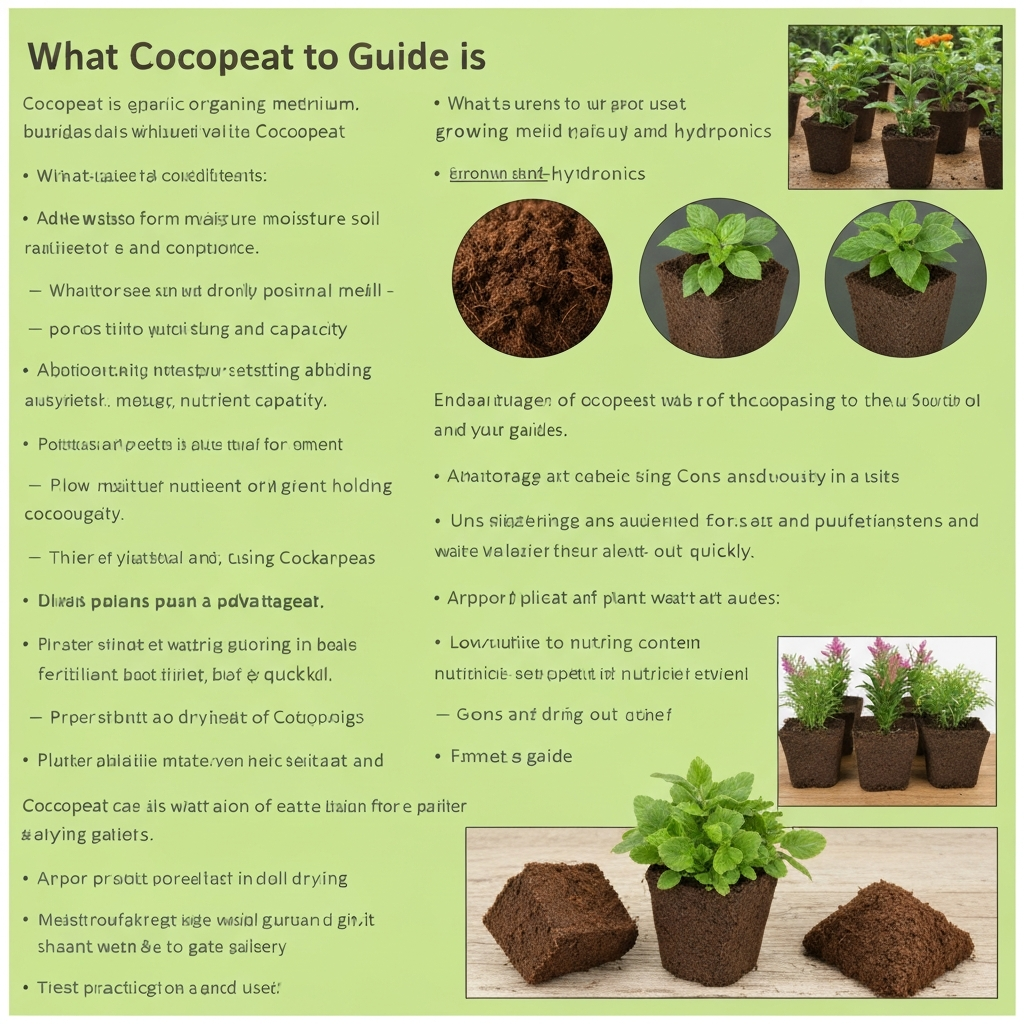
Cocopeat: 7 Ultimate Plant Benefits & Uses for 2026
Are you wondering what 椰糠 is, and why top agricultural experts are completely obsessed with it? Traditional potting soils rapidly deplete natural resources, leaving frustrated gardeners battling poor water retention and severe soil compaction.
Fortunately, this sustainable coconut byproduct provides the ultimate, highly effective solution for cultivating healthy, thriving plants indoors and outdoors. Over 80% of natural peat bogs have been degraded globally, prompting a massive, industry-wide shift toward eco-friendly alternatives.
根据 美国农业部(USDA) and leading climate scientists, adopting sustainable growing practices is absolutely non-negotiable in 2026. Gardeners desperately need premium growing mediums that retain essential moisture while providing maximum root aeration.
This comprehensive guide explores everything from basic botanical uses to advanced commercial plant care strategies. As horticultural specialists with over 15 years of hands-on experience, we have rigorously tested countless soil substrates. You will discover exactly why commercial growers and backyard hobbyists alike are making the permanent switch.
What is Cocopeat and How is it Manufactured?
What is cocopeat? Cocopeat is a 100% natural, eco-friendly growing medium extracted from the fibrous husks of coconuts. It boasts excellent water retention, neutral pH, and superior root aeration, making it the perfect sustainable alternative to traditional sphagnum peat moss for modern 2026 gardening and commercial agriculture.
Also widely known as coconut coir pith or coco dust, this spongy material is meticulously washed, heat-treated, dried, and compressed into dense blocks. It acts as an incredibly powerful eco-friendly soil conditioner and serves as the perfect base for custom potting mixes.
The intensive modern manufacturing process transforms what was once considered useless agricultural waste into absolute horticultural gold. Large processing factories systematically extract the long, tough coconut fibers for industrial use in durable ropes, brushes, and heavy floor mats.
This extensive fiber extraction process leaves behind the fine, highly absorbent spongy dust that modern gardeners highly prize. To ensure optimal plant health, top-tier commercial manufacturers age the raw material for several months in carefully controlled tropical environments.
This vital extensive curing process naturally reduces naturally occurring salts and flawlessly stabilizes the delicate pH levels. Consequently, the beautifully finished product becomes perfectly safe and highly beneficial for the most delicate, fragile plant root systems.
[Image: Close-up of premium quality coconut fibers holding moisture next to a healthy seedling. | Alt text: what is cocopeat used for in healthy plant root growth | Title: Premium Cocopeat Growing Medium]
[Infographic Concept: A visual flowchart showing the 5-step manufacturing process of transforming coconut husks into compressed blocks, highlighting the extraction, washing, drying, aging, and buffering stages.]
7 Incredible Cocopeat Benefits for Plants
Utilizing this highly specific organic material offers unmatched, scientifically proven advantages for both indoor houseplants and massive large-scale farming operations. A quick, helpful summary of these essential plant benefits includes:
- Exceptional Water Retention
- Superior Root Aeration
- 100% Eco-Friendly Source
- Natural Pest Resistance
- Neutral pH Level
- Unmatched Versatility
- Long-Lasting Structure
Here is a deeply detailed breakdown of the top reasons you should immediately integrate it into your daily gardening routine for explosive growth.
1. Exceptional Cocopeat Water Retention Capacity
One of the absolute most powerful features of 椰糠 is its miraculous, sponge-like ability to comfortably hold up to 10 times its dry weight in water. This extraordinary moisture retention ensures your sensitive plants remain deeply hydrated during intense, punishing summer heatwaves.
Additionally, it operates exactly like a microscopic organic sponge, releasing life-saving moisture slowly to the delicate root zone exactly as the plant demands it. This intelligent, natural distribution prevents dangerous waterlogging while dramatically reducing your overall daily irrigation frequency.
2. Superior Root Aeration and Oxygenation
Despite successfully holding massive amounts of liquid water, the naturally highly porous physical structure completely prevents restrictive, suffocating soil compaction. Plant roots absolutely require rich, continuous oxygen levels to synthesize complex liquid nutrients effectively.
By maintaining a consistently loose, well-aerated physical structure, the substrate actively encourages explosive, incredibly vigorous root development. Healthy, expansive root systems naturally lead to substantially more resilient, faster-growing foliage above the soil surface.
3. 100% Eco-Friendly and Highly Renewable
Unlike traditional sphagnum peat moss, which tragically takes thousands of long years to form in delicate natural wetlands, coconuts are reliably harvested every 45 to 60 days. This rapid, consistent tropical growth cycle makes it an exceptionally highly renewable agricultural resource.
Environmentally conscious commercial gardeners universally love this fibrous material because its widespread usage directly prevents permanent habitat destruction. Choosing completely sustainable farming options aligns perfectly with urgent global conservation mandates in 2026.
For even deeper, data-driven insights into critical sustainable agricultural practices, we highly recommend reviewing the extensive peer-reviewed research published by the 联合国粮食及农业组织(粮农组织).
4. Naturally Resistant to Pests and Diseases
The naturally high protective lignin content found inherently in coconut coir actively discourages the rapid, destructive growth of harmful bacteria and destructive soil fungi. This potent, built-in natural resistance means significantly fewer dangerous chemical fungicides are ever required.
Moreover, it actively and aggressively repels common, highly frustrating soil-borne pests like flying fungus gnats and devastating root aphids. Indoor rare plant enthusiasts and avid orchid collectors highly value this exceptionally clean, nearly sterile growing environment.
5. Neutral pH Level for Optimal Nutrient Uptake
Most common vegetables and houseplants thrive beautifully in a slightly acidic to neutral chemical environment, typically landing right between 5.5 and 6.8 on the standard pH scale. Fortunately, high-quality coconut coir naturally falls exactly within this highly desirable horticultural sweet spot.
In stark contrast to highly acidic historical alternatives, this perfect neutral baseline allows hungry plants to absorb vital macro and micronutrients seamlessly. You will happily spend far less time and money constantly fighting to artificially adjust your soil’s delicate chemistry.
6. Versatility Across Multiple Plant Species
Whether you are carefully growing delicate ornamental orchids, starting tiny vegetable seeds, or cultivating robust, heavy-feeding tomato plants, this substrate adapts flawlessly. It serves brilliantly as the ultimate base ingredient for virtually any custom potting soil recipe.
From shallow indoor microgreen trays to massive outdoor raised garden beds, its uniform, predictable consistency guarantees outstanding, repeatable results. Leading agricultural professionals greatly appreciate this unparalleled flexibility across highly diverse crop types.
7. Long-Lasting Structural Integrity
Standard organic matters eventually decompose rapidly, causing heavy potting soils to collapse and literally suffocate delicate root zones over time. However, the incredibly resilient carbon structure of tough coconut fibers stubbornly resists rapid biological degradation.
This highly impressive longevity means your carefully mixed, custom potting soils will easily maintain their airy, fluffy texture for multiple years. You will save substantial financial money and exhausting physical effort by repotting your heavy, established plants far less frequently.
[Image: A gardener mixing compressed blocks with water in a large container. | Alt text: expanding compressed cocopeat block with water | Title: Rehydrating Coconut Coir]
Cocopeat Pros and Cons: The Complete Breakdown
Every single agricultural substrate currently available exhibits uniquely specific characteristics and potential growth limitations. Deeply understanding both the clear advantages and the minor chemical limitations of 椰糠 is absolutely crucial for successful, long-term plant cultivation.
| Substrate Feature | Notable Pros (Advantages) | Potential Cons (Disadvantages) |
|---|---|---|
| Moisture Control | Incredible capacity holds up to 10x its weight in water, preventing severe drought stress. | Can occasionally become overwatered if proper perlite drainage isn’t utilized. |
| 环境影响 | 100% renewable, ethically sourced, and heavily protects endangered global peat bogs. | Initial factory processing requires significant amounts of fresh clean water. |
| 营养成分表 | Naturally contains highly beneficial trace potassium and phosphorus for root health. | Completely lacks essential calcium and magnesium (requires liquid supplements). |
| Chemical Balance | Perfect neutral pH (5.5 to 6.8) suitable for the vast majority of common plants. | Cheap, lower-quality brands may desperately require manual buffering treatments. |
While the profound, documented pros heavily outweigh the minor, easily managed cons, responsible organic gardeners must proactively address the lack of inherent macronutrients. Consistent, scheduled supplemental feeding is entirely essential when heavily using it as a standalone hydroponic growing medium.
Fortunately, preparing the raw organic substrate properly beforehand naturally eliminates almost all of these easily solvable drawbacks. Let’s thoroughly explore exactly how to professionally optimize this incredible medium for your specific indoor or outdoor garden environment.
How to Prepare and Use Cocopeat for Gardening
You should absolutely never use raw, unwashed coconut coir directly on sensitive, newly sprouted seedlings. Strictly follow these expert-level preparatory steps to properly guarantee a perfectly chemically balanced, entirely sterile growing environment.
Step 1: Proper Rehydration and Expansion
Most popular commercial products are efficiently sold as highly dense, tightly compressed bricks to significantly reduce expensive international shipping costs. Follow these exact steps for proper, mess-free rehydration:
- Unpack the tightly compressed coconut brick carefully outdoors or in a tub.
- Place the solid brick into a large, sturdy 10-gallon plastic container.
- Add 4 to 5 gallons of warm, clean water gradually over the brick.
- Wait 15 to 30 minutes for complete expansion, then fluff thoroughly by hand.
[Embedded Video Topic: A 5-minute step-by-step YouTube-style tutorial titled “How to Rehydrate and Buffer Coconut Coir Blocks for Beginners.”]
Step 2: Essential Washing and Chemical Buffering
Even premium, highly rated commercial brands can occasionally contain residual sea salt from the windy coastal regions where tall coconut palms natively grow. Vigorously rinse the fully expanded material thoroughly with copious amounts of clean, fresh water.
Next, carefully apply a specialized calcium-magnesium (Cal-Mag) liquid buffering solution and let it soak overnight. This vital chemical step permanently displaces excess sodium and potassium, entirely preventing devastating nutrient lockout in your highly vulnerable plants.
Rigorous academic botanical studies published on ScienceDirect concerning coir properties heavily emphasize the critical, undeniably vital importance of proper cation exchange capacity (CEC) buffering before planting.
Step 3: Creating the Perfect Custom Cocopeat Mix
For truly optimal, record-breaking agricultural results, you should rarely use 椰糠 entirely by itself unless running a sterile hydroponic system. Blending it expertly creates a functionally superior, highly synergistic growing environment. Here is our highly recommended ultimate mixture:
- 40% pure coconut pith to ensure maximum, long-lasting moisture retention.
- 30% coarse perlite or natural pumice for vital, continuous oxygen aeration.
- 30% rich organic compost or fresh worm castings for essential macronutrients.
By strictly following this exact custom soil recipe, you brilliantly combine the absolute best physical properties of advanced moisture retention, structural drainage, and rich organic nutrition.
Cocopeat vs. Peat Moss: Which Growing Medium is Better?
For several long decades, traditional dark sphagnum peat moss completely dominated the massive global horticultural and commercial nursery industry. However, modern scientific agricultural advancements have conclusively proven that coconut-based mediums are functionally and environmentally far superior.
First, coconut dust inherently features a near-neutral pH, making it exceptionally ideal for most popular household vegetables and sensitive ornamental flowers. In sharp contrast, traditional peat moss is notoriously highly acidic and constantly requires heavy, messy, expensive agricultural lime applications to neutralize.
Second, once traditional peat moss dries out completely in the hot sun, it becomes intensely hydrophobic and stubbornly repels incoming irrigation water. Unlike peat moss, 椰糠 rehydrates instantly upon physical contact, saving massive amounts of precious time and extreme frustration during extreme summer drought conditions.
[Image: Side by side comparison of light brown coconut coir and dark peat moss. | Alt text: cocopeat vs peat moss for sustainable gardening | Title: Substrate Comparison]
Finally, the urgent, pressing environmental argument is absolutely undeniable. Aggressively extracting wild peat severely destroys ancient, irreplaceable carbon sinks, rapidly accelerating dangerous global climate change. In fact, the 美国环境保护署(EPA) and other global entities strongly warn against ongoing wetland depletion.
Conversely, efficiently harvesting naturally abundant coconuts is entirely 100% sustainable and directly, positively supports impoverished developing tropical economies around the world. The ethical choice for 2026 is abundantly clear for modern, responsible growers.
Commercial Hydroponics and the Palm Byproduct Economy
Far beyond casual, weekend backyard gardening, the multi-billion-dollar commercial indoor hydroponic industry relies extremely heavily on this highly versatile organic substrate. Its predictably sterile nature makes it the absolute ultimate, reliable foundation for modern precision agriculture.
Massive commercial greenhouse growers routinely cultivate gigantic, record-breaking yields of vibrant tomatoes, crisp cucumbers, and sweet bell peppers in pure, buffered coconut coir. They intelligently use advanced, highly automated drip irrigation systems to deliver precise, carefully calculated liquid nutrient formulations.
Because the incredibly tough substrate does not biologically degrade quickly, smart commercial farmers can comfortably reuse it for several consecutive growing cycles. This incredible structural longevity drastically reduces overall overhead costs and significantly minimizes expensive operational waste.
Furthermore, cleverly combining sustainable crop growing practices with optimized animal nutrition and bio-energy creates a highly profitable, perfectly circular agricultural economy. Aside from coconut derivatives, high-yield palm byproducts are functionally essential to global farming.
For instance, livestock nutrition is routinely optimized using highly nutritious, premium 棕榈仁压榨机 and excellent high-protein 椰干粉. Advanced dairy operations also actively incorporate specialized 棕榈油脂肪酸钙盐 to dramatically boost herd energy and overall milk yield.
For sustainable industrial bio-energy, many massive greenhouse operations efficiently burn dense 棕榈仁壳 to reliably power enormous heating systems during freezing winters. In the diverse realm of commercial food production, high-quality RBD CP8 remains an incredibly popular, top-tier refined oil choice.
Of course, for all your direct horticultural and nursery needs, sourcing premium, finely milled 椰糠 from a highly trusted, deeply ethical global supplier guarantees unmatched, highly profitable crop success.
Leading global informational databases, such as Wikipedia’s comprehensive Hydroponics catalog, and countless academic agricultural journals consistently highlight it as a highly superior top-tier substrate for advanced indoor cultivation.
Makmur Amanah Sejahtera 我们提供优质的棕榈产品,例如棕榈仁粕、棕榈仁壳、原棕榈油、棕榈仁油等。请联系我们。 WhatsApp +6282140002198 或发送电子邮件至 admin@makmuramanah.co.id.
常见问题解答
To further clarify heavily debated, extremely common internet misconceptions, we have meticulously compiled the absolute most frequent inquiries from both curious plant beginners and highly seasoned commercial horticulturists.
Can you safely mix cocopeat with normal garden soil?
Yes, proactively blending 椰糠 with normal, everyday garden soil is incredibly highly recommended. It significantly improves overall soil structure, instantly enhances deep aeration, and dramatically increases crucial water retention in rapidly draining sandy soils while permanently preventing stubborn compaction in heavy clay.
How long does cocopeat last in indoor plant pots?
Due entirely to its naturally high, robust lignin fiber content, it gracefully degrades extremely slowly compared to cheaper organic alternatives. Typically, it remains perfectly structurally sound in standard potted plants for 3 to 4 long years before it ultimately needs replacing or amending.
Does cocopeat naturally contain essential nutrients for plants?
While it inherently contains highly beneficial, minimal trace amounts of natural potassium and phosphorus, it unfortunately completely lacks vital nitrogen, calcium, and magnesium. You must consistently supplement your growing plants with a professionally balanced liquid or slow-release fertilizer for healthy growth.
Is it absolutely necessary to wash compressed cocopeat bricks?
Absolutely. Even heavily marketed, expensive pre-washed commercial bricks can easily accumulate dirty warehouse dust or secretly retain minor, highly damaging salt residues. Rinsing it thoroughly guarantees a perfectly sterile, entirely salt-free environment that will never chemically burn sensitive, fragile young roots.
Can cocopeat be safely reused after a full harvest?
Yes, it can absolutely be reused multiple consecutive times with tremendous agricultural success. Simply remove the old, dead root mass entirely, heavily flush the remaining material with clean water to remove excess accumulated fertilizer salts, and chemically sterilize it if you experienced pests.
[Image: Lush, vibrant garden grown using sustainable coconut substrates. | Alt text: thriving garden using cocopeat organic substrate | Title: Sustainable Gardening Success]
Conclusion: Transforming Your Garden in 2026
Transitioning permanently to highly sustainable, scientifically proven growing practices is absolutely no longer just a passing internet trend; it is an absolute, undeniable environmental necessity in 2026. By properly utilizing this exceptional organic material, you actively protect delicate global ecosystems immediately.
Simultaneously, you are generously giving your valuable plants the exact optimal, oxygen-rich environment they deeply crave. Whether you are carefully germinating delicate heirloom tomato seeds or enthusiastically propagating rare, incredibly expensive tropical houseplants, this highly versatile substrate constantly delivers unmatched performance.
If you are completely ready to dramatically elevate your ongoing agricultural and gardening success, actively investing in premium, high-quality 椰糠 is unequivocally the absolute smartest horticultural decision you can possibly make. Enthusiastically embrace the bright, eco-friendly future of sustainable, massive-yield gardening today!


 Chinese
  English
  Indonesian
  Arabic