
Copra Cake: 10 Powerful Feed Benefits to Leverage (2026)
What is 椰干饼, and why is it rapidly revolutionizing animal nutrition strategies worldwide? Rising agricultural costs and fluctuating global grain markets demand that modern farmers secure highly nutritious, sustainable, and cost-effective feed alternatives to remain profitable.
If you want to maximize milk yields and accelerate healthy livestock weight gain in 2026, incorporating this powerful tropical byproduct is absolutely essential. In this comprehensive guide, we reveal exactly how to optimize your feed regimens, reduce overhead, and drastically improve herd health.
What is Copra Cake? The Ultimate Livestock Feed
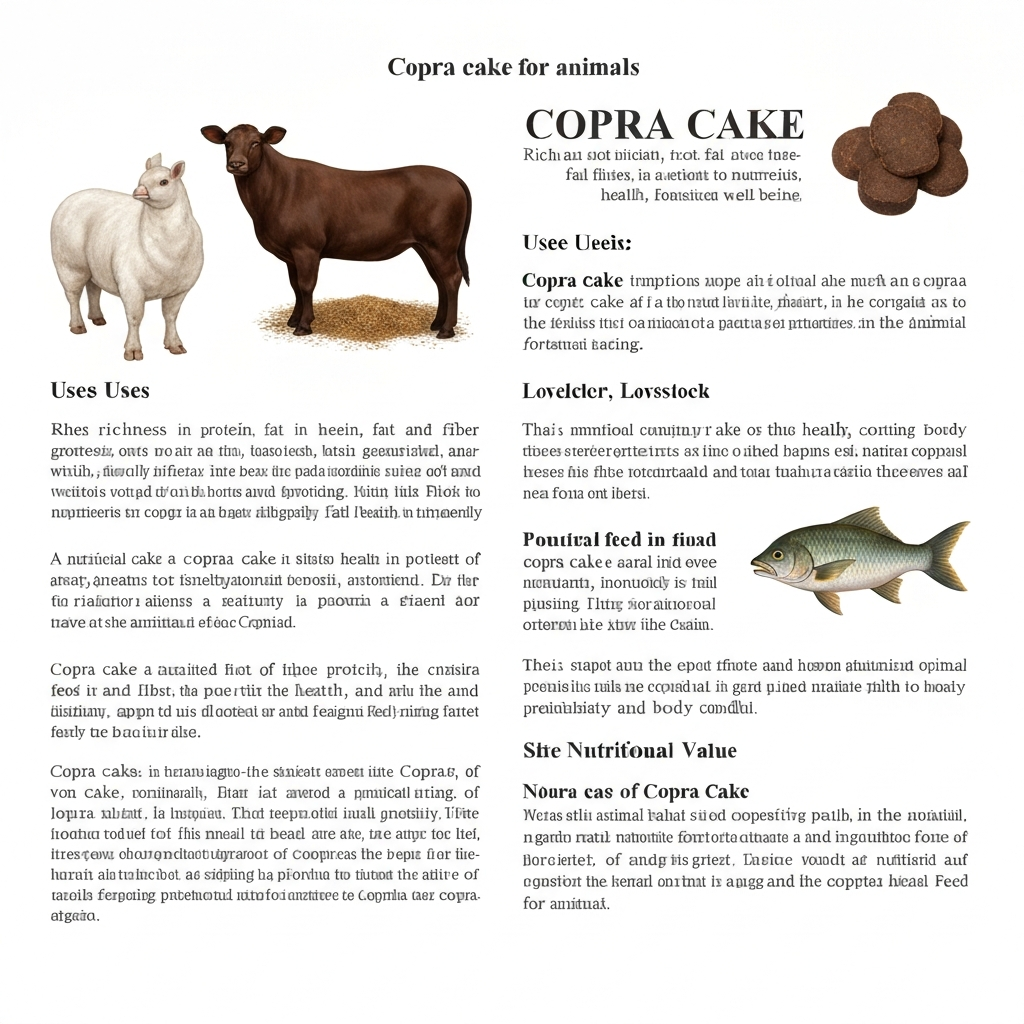
Copra cake is the highly nutritious, fibrous byproduct remaining after extracting coconut oil from dried coconut meat (copra). Rich in dietary fiber, moderate protein, and residual fat, it serves as a valuable, energy-dense feed ingredient primarily used for ruminants to naturally enhance milk production and meat quality.
[Image: A detailed close-up of premium Copra Cake texture on a wooden table, illustrating livestock feed quality. Alt: High-quality Copra Cake ready for animal feed mixing. Title: Premium Copra Cake for Livestock.]
The Mechanical Extraction Process Explained
Understanding the precise origin of your livestock feed is crucial for maintaining uncompromising quality control on the farm. The manufacturing process begins with mature coconuts harvested across tropical regions, which are carefully split and sun-dried to create raw copra.
Once the copra reaches optimal moisture levels, it undergoes rigorous mechanical pressing via an industrial expeller to extract the valuable virgin coconut oil. The dense, highly functional fibrous material left behind is the esteemed 椰干饼.
Furthermore, because this specific extraction process is mechanical rather than heavily chemical, the resulting feed retains highly beneficial residual fats. This makes it an incredibly rich energy source compared to heavily solvent-extracted grain meals.
椰干饼 vs. 椰干粉
While frequently used interchangeably, subtle differences exist between these terms. The “cake” refers to the compacted, dense chunks directly from the expeller press. Conversely, 椰干粉 is the exact same product ground into a much finer, uniform powder for easier mixing into total mixed rations (TMR). Both offer identical nutritional profiles.
Comprehensive Nutritional Value of Copra Cake
Veterinary nutritionists consistently praise this coconut byproduct for its exceptionally balanced and highly digestible nutrient profile. When evaluating any feed ingredient, assessing the exact macronutrient breakdown is essential for formulating precise, safe daily rations.
According to extensive agricultural data from the 联合国粮食及农业组织(粮农组织), this unique ingredient provides an unparalleled blend of safe energy and high-quality protein. It features a remarkably high level of bypass protein, completely escaping rumen degradation.
Below is a standardized nutritional comparison table showcasing the typical laboratory analysis:
| 营养成分 | 平均百分比(%) | Primary Livestock Benefit |
|---|---|---|
| 粗蛋白 | 20% – 22% | Supports muscle growth and critical milk protein synthesis. |
| Residual Fat (Oil) | 8% – 12% | Provides dense, slow-release energy and improves coat health. |
| 粗纤维 | 12% – 16% | Maintains healthy rumen function and optimal digestion. |
| 水分含量 | 10% Max | Prevents dangerous mold growth and extends shelf life. |
Understanding Bypass Protein in Ruminants
Bypass protein, or undegradable intake protein (UIP), is a critical factor for high-producing dairy cows. Unlike soluble proteins that break down instantly in the rumen, the protein found in this feed bypasses microbial fermentation. It flows directly into the small intestine, where essential amino acids are fully absorbed to maximize milk protein synthesis.
The Role of Residual Fat and MCFAs
The residual coconut oil retained in the cake is predominantly composed of medium-chain fatty acids (MCFAs). These fats provide immediate, slow-release metabolic energy. Because they are not starches, they entirely eliminate the risk of lactic acidosis—a common, life-threatening digestive issue caused by high-grain diets.
[Image: Infographic showing the nutritional breakdown of coconut meal including protein, fat, and fiber percentages. Alt: Nutritional value chart of Copra Cake for livestock diets. Title: Copra Cake Nutritional Analysis.]
10 Powerful Feed Benefits of Copra Cake for Animals
Why are top-tier agricultural operations rapidly shifting their focus to this specific ingredient in 2026? The biological advantages of feeding 椰干饼 extend far beyond basic caloric intake.
- Exceptional Bypass Protein Delivery: Supplies essential amino acids directly to the small intestine, dramatically boosting milk yields and overall muscle synthesis.
- High Energy Density: The residual oil provides a safe, concentrated energy source, delivering vital calories without triggering digestive acidosis.
- Superior Palatability: Livestock naturally crave the sweet, roasted aroma of coconut, effectively increasing overall daily dry matter intake.
- Cost-Effective Nutrition: As an upcycled byproduct, it consistently prices competitively against premium grains, drastically reducing total feed overhead.
- Rich in Antimicrobial Lipids: The unique fat profile offers natural antimicrobial properties, proactively supporting the immune system of grazing animals.
- Improves Coat and Hoof Health: The rich lipid content directly translates to visibly shinier coats, stronger hooves, and superior physical conditioning.
- Excellent Water Absorption: When soaked, it expands significantly, creating an excellent carrier for water-soluble supplements and maintaining optimal hydration.
- Reduces Methane Emissions: Specific fatty acids naturally suppress methanogenic bacteria in the rumen, lowering the farm’s environmental footprint.
- 保质期长: When properly dried below 10% moisture, it exceptionally resists rapid spoilage, ensuring a stable, long-term supply.
- Promotes Rumen Stability: The functional, highly digestible fiber maintains steady rumen pH levels, promoting a thriving microbiome for cattle and sheep.
Copra Cake vs. Palm Kernel Expeller: A Strategic Comparison
Formulating the perfect ration often requires choosing between different high-quality tropical byproducts. Many commercial farmers actively debate the merits of coconut meal versus 棕榈仁压榨机 (PKE)。.
While both provide excellent functional fiber, 椰干饼 generally offers higher palatability and a more favorable amino acid profile specifically engineered for dairy operations. Conversely, PKE is globally renowned for its exceptional cost-efficiency in bulk beef cattle fattening.
For a diversified feeding strategy, successful operations frequently blend coconut meal with 棕榈仁壳 processing byproducts. This strategic blending allows farm managers to perfectly balance raw costs with premium nutritional output.
[Video Suggestion: Embed a YouTube video demonstrating the visual differences and mixing techniques for these feeds. Title: Mixing Coconut Byproducts for Cattle Feed.]
Scientific Perspectives: Boosting Yields with Tropical Byproducts
Modern veterinary science has extensively researched the exact metabolic impacts of coconut-derived feeds on ruminants. Trusting outdated anecdotal evidence is no longer sufficient; today’s precision agriculture relies strictly on peer-reviewed data.
A landmark scientific study published in the 动物科学杂志 extensively highlights the profound effects of the medium-chain triglycerides present in coconut oil. These specific fats uniquely bypass standard biohydrogenation in the rumen.
Enhancing Dairy Cattle Milk Production
Research consistently demonstrates that replacing 15% of standard grain rations with 椰干饼 leads to a measurable increase in overall butterfat content. The safe, non-starch energy allows dairy cows to sustain peak lactation curves without losing detrimental amounts of body condition scoring (BCS) during the stressful early lactation phase.
Why Monogastric Animals Require Strict Rationing
As previously mentioned, feeding this product to pigs and chickens requires immense dietary caution. Ruminants possess a highly evolved four-chambered stomach designed specifically to break down tough plant fibers through microbial fermentation.
Monogastric animals lack these highly specialized microbes entirely. Consequently, the high galactomannan content found in coconut meal acts as a limiting anti-nutritional factor, dramatically increasing intestinal viscosity in poultry. Therefore, swine and poultry operators should view it strictly as a minor supplemental ingredient (capped at 5%), rather than a primary calorie base.
Best Practices for Formulating Copra Cake Rations
Maximizing the immense benefits of your feed requires strategic implementation and highly precise dosage. Introducing any new ingredient too rapidly can severely disrupt delicate digestive microbiomes, leading to temporary intake suppression.
For dairy cattle, leading agricultural experts typically recommend limiting intake to 1.5 to 2.0 kilograms per head daily. This ensures adequate energy absorption without unintentionally suppressing the critical fiber-digesting bacteria. When feeding performance horses, always soak the meal thoroughly prior to feeding to instantly create a highly digestible, hydrating mash and prevent esophageal choking.
Advanced Storage Protocols to Prevent Spoilage
Protecting your financial investment means mastering the specific storage requirements of high-fat feeds. This byproduct is highly hydroscopic, meaning it eagerly absorbs atmospheric moisture from the surrounding environment.
If the ambient humidity surpasses 65%, the feed can quickly exceed its maximum safe moisture threshold of 10%. To completely mitigate these risks, modern facilities implement strict storage protocols using breathable bulk bags placed securely on raised pallets.
Additionally, intelligently supplementing your baseline ration with energy-dense fats like RBD CP8 or specialized 棕榈油脂肪酸钙盐 can further elevate daily milk yields when strategically paired with coconut byproducts.
Integrating Sustainable Agriculture with Coconut Byproducts
Sourcing high-quality livestock feed directly impacts critical global sustainability efforts. Utilizing coconut extraction byproducts is widely considered a prime example of revolutionary circular agriculture in the 21st century.
Instead of discarding the fibrous remnants into landfills, the industry brilliantly transforms them into vital animal nutrition. This directly reduces waste, lowers the carbon footprint of commercial meat production, and maximizes overall crop utility.
Authoritative institutions like the 美国农业部(USDA) increasingly highlight the absolute importance of integrating such upcycled byproducts into modern, hyper-resilient farming ecosystems.
Furthermore, utilizing complementary natural bedding materials like 椰糠 ensures that every single harvested part of the coconut tree serves a functional, eco-friendly purpose on your forward-thinking farm.
[Image: A modern, sustainable farm layout featuring coconut trees, livestock feeding stations, and circular agriculture elements. Alt: Sustainable farm integrating coconut meal into circular agriculture. Title: Eco-Friendly Farming with Coconut Byproducts.]
Makmur Amanah Sejahtera 我们提供高品质的棕榈产品,例如棕榈仁粕、棕榈仁壳、原棕榈油、棕榈仁油等。请通过 WhatsApp 联系我们。 +6282140002198 或发送电子邮件至 admin@makmuramanah.co.id.
常见问题解答 (FAQ)
What is copra cake exactly made of?
椰干饼 is made entirely from the dried endosperm (meat) of the mature coconut. After a mechanical expeller pressing effectively removes the majority of the valuable coconut oil, the remaining fibrous, protein-rich residue successfully forms the dense cake used extensively for animal feed.
Is copra meal the exact same as copra cake?
Yes, the terms are frequently used interchangeably within the global agricultural industry. However, “cake” usually refers to the compacted, dense chunks directly from the expeller press, while “meal” specifically refers to the exact same product ground into a finer, more uniform powder.
How much copra cake should be fed to dairy cattle?
For mature dairy and beef cattle, professional veterinary nutritionists typically recommend safely feeding between 1.5 kg to 2.5 kg per head per day. It should never exceed 20% of the total daily dry matter intake to maintain optimal, long-term rumen health.
Can poultry and swine safely consume coconut feed?
While poultry and swine can technically consume it, their inclusion rates must be strictly limited. Monogastric animals severely struggle to digest the high dietary fiber, so it typically comprises less than 5% of their total daily formulated diet to avoid severe intestinal distress.
Does coconut feed contain harmful aflatoxins?
If thoroughly dried and safely stored at a strict moisture level below 10%, the risk of dangerous aflatoxin contamination is practically minimal. Farmers must always source from highly reputable, certified suppliers who utilize rigorous quality control testing.
Conclusion: Elevate Your Feed Strategy Today
Transitioning to high-efficiency, deeply sustainable feed ingredients is arguably the clearest path to ultimate agricultural profitability in 2026. By thoroughly understanding the impressive nutritional profile and myriad commercial uses of this tropical powerhouse, you can easily make highly informed, data-driven decisions for your entire herd.
Whether you are specifically formulating custom diets for high-producing dairy cows, aggressively fattening prime beef cattle, or meticulously managing precise equine nutrition, integrating 椰干饼 confidently offers an absolutely unmatched blend of safe bypass protein and raw energy density.
Embrace the proven power of premium coconut byproducts and aggressively watch your livestock—and your bottom line—thrive like never before. Reach out to highly reputable distributors and safely secure your bulk batch of high-quality feed today.
 Chinese
  English
  Indonesian
  Arabic