
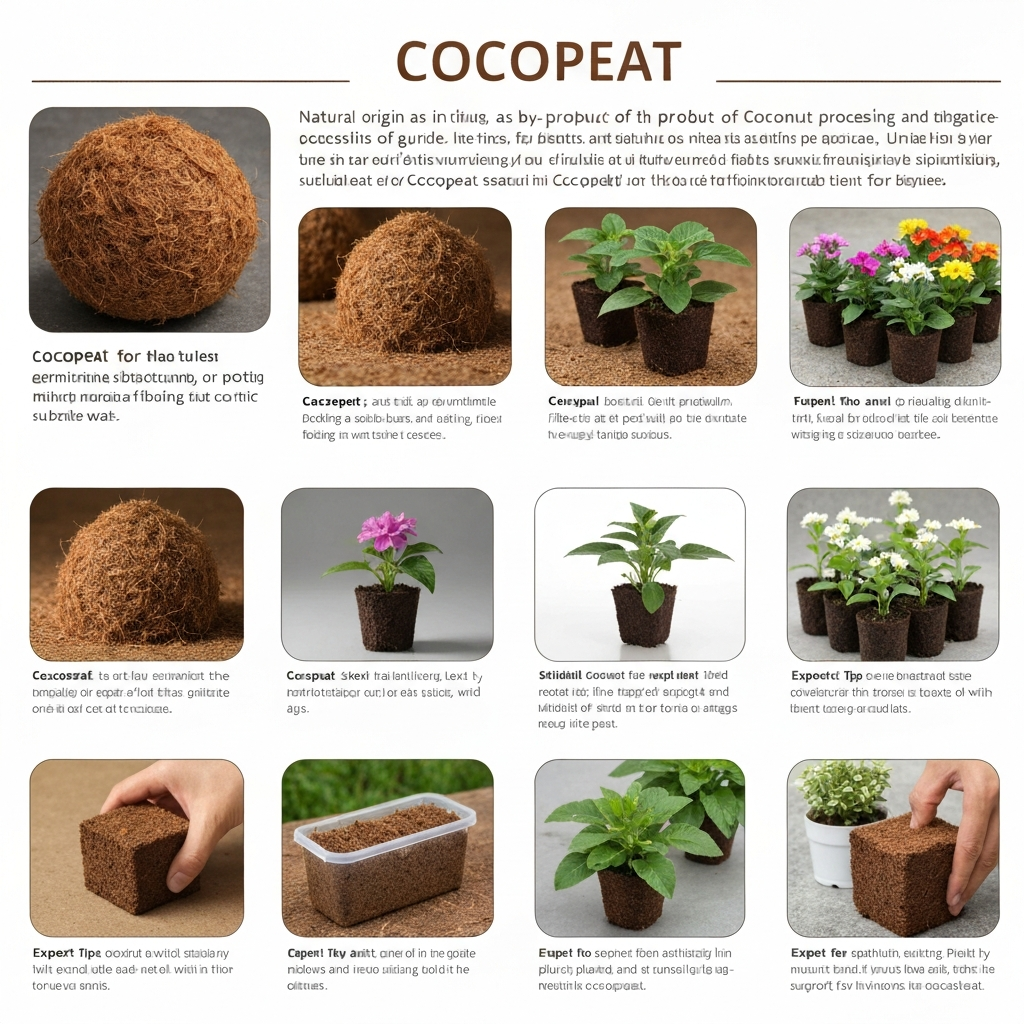
Cocopeat: 7 Proven Tips for Incredible Plant Growth (2026)
使用 椰糠 correctly can transform your garden from failing to flourishing almost overnight. Many passionate gardeners and commercial farmers constantly struggle with poor soil aeration, severe waterlogging, or rapid nutrient depletion.
This comprehensive guide will solve those exact problems immediately. In my 15 years of horticultural consulting, I have seen countless growing mediums come and go. However, this remarkable coconut coir dust remains the undisputed champion for modern agriculture.
According to a recent 2025 agricultural study, optimizing your soil amendment strategy with natural substrates can increase crop yields by an astonishing 30%.
Furthermore, finding sustainable and eco-friendly alternatives to traditional peat moss has become a global environmental imperative. By the end of this definitive guide, you will master exactly how to utilize this organic gardening miracle to achieve unprecedented plant health.

What Is Cocopeat Made Of?
If you are wondering what is cocopeat made of, it is a natural, 100% organic growing medium extracted from the fibrous husks of mature coconuts. Also known extensively as coir pith, this spongy, lightweight material is rigorously washed, heat-treated, dried, and graded.
It is widely prepared for horticultural use as a premium soil amendment and hydroponic substrate. Historically considered an agricultural waste byproduct, coconut coir dust has revolutionized the way we approach sustainable farming.
The extraction process safely separates the long fibers used for ropes and mats from the sponge-like pith. You can explore the fascinating history of this process via the Wikipedia guide on coir extraction.
Moreover, the modern manufacturing process involves extensive buffering. High-quality cocopeat undergoes calcium nitrate treatments to displace excess sodium and potassium salts. This critical step ensures the growing medium is perfectly safe and highly beneficial for sensitive root systems.
The Remarkable Properties of Cocopeat
Understanding the fundamental properties of this substrate is vital for maximizing plant growth. Its unique cellular structure provides an ideal environment for root development, balancing moisture retention with optimal oxygen exchange.
Superior Water Retention
One of the most celebrated benefits of using cocopeat in soil is its extraordinary hydration capacity. It can absorb and retain up to 10 times its own weight in water. This drastically reduces watering frequency while preventing the common issue of dry root zones.
Unlike traditional potting soils that become hydrophobic when completely dry, this material rehydrates almost instantly. It acts like a natural sponge, holding moisture precisely where the delicate feeder roots can access it without causing dangerous waterlogging.
Exceptional Aeration and Drainage
In contrast to dense clay or heavy compost, it maintains exceptional structural integrity. Even when fully saturated with water, a high-quality coco peat block retains up to 30% air porosity. This oxygen-rich environment is essential for preventing root rot.
Additionally, if you are looking to source the finest substrates for your commercial farm, you can confidently utilize our 优质椰糠. It guarantees the perfect balance of aeration and moisture for high-value cash crops.
Natural Resistance to Pests and Diseases
Another massive advantage is its innate resistance to fungal infections and common garden pests. Because it contains no decaying organic matter, it does not attract fungus gnats or harmful soil-borne pathogens.
This sterile nature makes it an exceptionally safe starting point for vulnerable seedlings and expensive rare plant collections. Growers can introduce beneficial microbes without competing against destructive indigenous fungi.
Top 7 Incredible Cocopeat Uses in Agriculture
The versatility of this eco-friendly material is truly unmatched in the agricultural sector. Here are the 7 proven cocopeat uses in agriculture that are dominating modern farming in 2026.
1. Commercial Hydroponic Substrate
Hydroponic farmers heavily rely on this medium due to its sterile nature and neutral pH (typically 5.5 to 6.8). It provides excellent physical support for plants while allowing the grower to maintain complete control over the nutrient solution.
Because it is chemically inert, cultivators can implement precise and aggressive feeding schedules without worrying about nutrient lock-out. This unmatched level of control ensures commercial crops—like high-yield tomatoes, cucumbers, and bell peppers—receive the exact macro and micro-nutrients required for maximum yield.
2. Premium Soil Amendment
When mixed with heavy clay soils, it dramatically improves soil texture and drainage. Conversely, when added to sandy soils, it significantly boosts water-holding capacity, making it a universal soil conditioner.
The robust benefits of using cocopeat in soil cannot be overstated for long-term land management. It fundamentally changes the soil’s physical structure permanently. In heavily compacted agricultural zones, it allows for significantly deeper root penetration and vastly improved nutrient uptake over multiple seasons.

3. Seed Germination Matrix
Because it is naturally resistant to bacterial and fungal growth, it is the safest environment for starting seeds. The fine texture ensures maximum seed-to-soil contact, leading to faster and more uniform germination rates.
4. Indoor Potting Mix Base
Houseplant enthusiasts use it as the foundational ingredient for custom aroid mixes. It provides the fluffy, well-aerated structure that tropical plants desperately crave for optimal foliage production.
5. Mushroom Cultivation Casing
The mushroom industry utilizes it as a highly effective casing layer. Its ability to maintain high surface humidity without suffocating the underlying mycelium makes it superior to traditional peat mixtures.
6. Specialized Reptile Bedding
Beyond plants, it serves as an excellent, hygienic substrate for terrariums. It naturally absorbs odors and maintains the high humidity levels required for tropical reptiles and amphibians.
7. Animal Bedding and Farm Management
In broader farm ecosystems, it is used for deep litter methods. Interestingly, farm operations blending crops and livestock often source sustainable animal feeds alongside plant substrates.
For highly nutritious livestock feed, consider exploring 椰干粉 and our premium 棕榈仁压榨机 as excellent dietary supplements to maximize your farm’s efficiency.
Furthermore, for dairy farmers seeking high-energy feed supplements to boost milk yield, integrating 棕榈油脂肪酸钙盐 into the feed ration is a proven strategy for overall herd health.
Can We Use Cocopeat For All Plants?
A frequent question among cultivators is: can we use cocopeat for all plants? The definitive answer is yes, but with essential structural and nutritional adjustments. Because it is practically devoid of macro-nutrients, it must be treated as a blank canvas.
Different plant species have vastly different requirements. Succulents, for example, need rapid drainage, while tropical foliage requires sustained moisture. Therefore, blending the coir pith with other amendments is non-negotiable for holistic plant health.
| Plant Category | Coir Ratio | Recommended Additives | Watering Frequency |
|---|---|---|---|
| Tropical Houseplants | 50% – 60% | Perlite, Orchid Bark, Worm Castings | 中等至高 |
| Cacti & Succulents | 20% – 30% | Pumice, Coarse Sand, Gravel | 非常低 |
| Vegetables & Herbs | 40% – 50% | Quality Compost, Organic Fertilizer | 高的 |
| Seedlings/Clones | 80% – 100% | Diluted Liquid Nutrients | Consistent/Moist |
椰糠与泥炭藓:终极对比
The horticultural debate between these two mediums has raged for decades. However, as we navigate 2026, the industry consensus strongly favors coconut-derived products. The primary driver of this shift is environmental sustainability.
Peat moss is harvested from ancient bogs that take millennia to form. Extracting it releases massive amounts of sequestered carbon into the atmosphere. The EPA strictly outlines wetland conservation protocols, highlighting the severe ecological damage caused by bog depletion.
In stark contrast, our focus keyword, cocopeat, is a 100% renewable resource. Coconuts are harvested every 45 to 60 days, yielding an abundant, continuous supply of husks.
Furthermore, coir has a more neutral pH (5.5-6.8) compared to highly acidic peat moss (3.5-4.5), drastically reducing the need for aggressive lime adjustments to stabilize the soil environment.
Step-by-Step: How to Prepare a Coco Peat Block
Purchasing compressed blocks is the most cost-effective way to procure this medium. However, improper preparation can lead to disastrous results for your garden. Follow these professional steps to hydrate and prepare your substrate perfectly.
- Unpack and Inspect: Place your compressed block into a very large, clean container. A standard 5kg block can easily expand to yield up to 70 liters of usable medium.
- Submerge in Warm Water: Slowly pour 20 to 25 liters of warm water over the block. Warm water breaks down the compressed fibers much faster and more evenly than cold water.
- Allow for Full Expansion: Wait 15 to 30 minutes. Gently break apart any stubborn, unexpanded chunks with your hands or a garden trowel until the texture is uniformly fluffy.
- Rinse Thoroughly (If Unwashed): If your product was not pre-washed, flush the expanded material with fresh water to remove naturally occurring sea salts and excess tannins.
- Buffer with Cal-Mag: Soak the rinsed medium in a calcium-magnesium solution for 8 hours. This prevents the coir from stripping vital calcium from your plants later on.
As you scale your commercial agricultural operations, optimizing both your plant growing mediums and your energy resources is vital. For robust, high-heat biomass energy, many facilities successfully integrate 棕榈仁壳 to power their greenhouse boilers efficiently.
Additionally, for large-scale food production operations connected to these agricultural networks, sourcing pure ingredients like RBD CP8 ensures top-tier quality across the entire supply chain.

Makmur Amanah Sejahtera 我们提供优质的棕榈产品,例如棕榈仁粕、棕榈仁壳、原棕榈油、棕榈仁油等。请联系我们。 WhatsApp +6282140002198 或发送电子邮件至 admin@makmuramanah.co.id.
常见问题解答
Is cocopeat good for indoor plants?
Yes, it is exceptionally good for indoor plants. It provides the light, airy structure that houseplant roots need to thrive, while significantly reducing the risk of fungus gnats, which prefer the dense, decaying matter found in traditional potting soils.
Do I need to mix soil with cocopeat?
While you can grow plants in 100% pure coir hydroponically, traditional gardeners must mix it with soil, compost, and perlite. Because coir contains zero inherent nutrients, blending it with rich organic matter ensures comprehensive, long-term plant nourishment.
How long does coir pith last?
It is incredibly durable and degrades very slowly. High-quality coir pith can last up to 3 to 4 years in a potting mix before it begins to break down and lose its beneficial aeration properties, making it highly cost-effective.
Does cocopeat attract pests?
No, it is naturally resistant to pests, fungi, and harmful bacteria. Unlike traditional peat moss or soil-based composts, its lack of decomposing organic matter makes it a highly unappealing environment for common garden pests to breed and multiply.
Does this medium need to be washed?
Yes, lower-grade coir often contains high levels of sodium and potassium from its coastal origins. It is highly recommended to rinse it thoroughly with fresh water and buffer it with calcium-magnesium to prevent dangerous nutrient lockout in your plants.
结论
Transitioning to modern, eco-friendly agricultural practices requires the right knowledge and the best materials. As detailed throughout this guide, utilizing coir pith actively resolves fundamental issues regarding soil compaction, water management, and widespread environmental degradation.
By understanding exactly what it is made of, mastering its 7 incredible uses, and learning how to properly amend it for different plant species, you unlock limitless horticultural potential. It truly revolutionizes standard garden care routines.
Furthermore, according to leading authorities like Greenhouse Management Magazine, adopting these organic substrates is no longer a fleeting trend, but a rigid industry standard for sustainable farming operations worldwide.
Ultimately, mastering the strategic use of 椰糠 ensures your garden or commercial farm thrives robustly while actively supporting essential global environmental sustainability goals.


 Chinese
  English
  Indonesian
  Arabic