
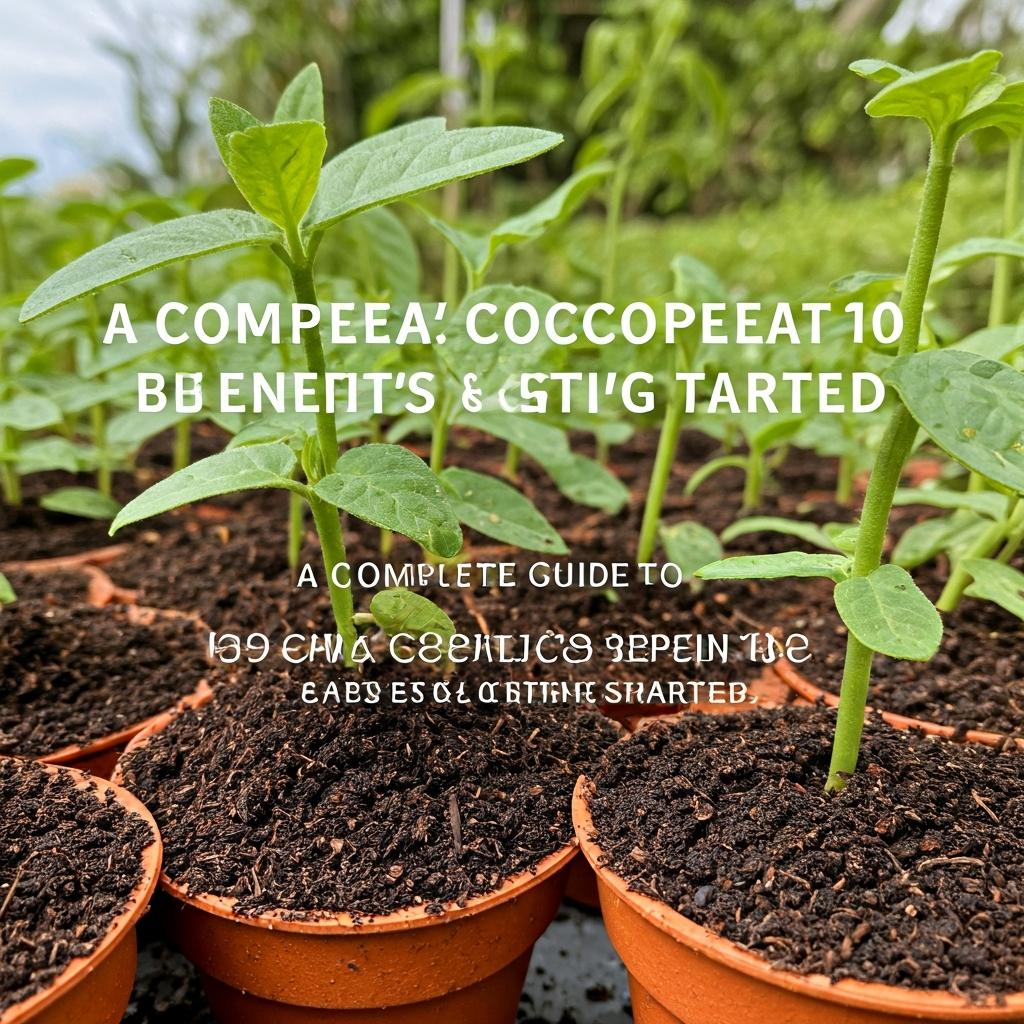
Cocopeat 101: A Complete Guide to Uses, Benefits & Getting Started
椰糠 is the revolutionary, sustainable gardening medium you need, but are you using it correctly? If you”’re struggling with poor soil drainage, slow plant growth, or seeking a greener alternative to traditional peat moss, you”’ve found the definitive solution. This guide will walk you through everything required to master this incredible resource.
For decades, gardeners relied on peat moss, often harvested from sensitive bog ecosystems. However, the environmental cost is significant. As reported by the University of Vermont Extension, the demand for sustainable gardening practices has skyrocketed.
Enter coco coir, a byproduct of the coconut industry, which offers a powerful, renewable, and eco-friendly alternative that can dramatically improve your gardening success. Its impressive water retention and aeration properties make it a game-changer for professionals and hobbyists alike.
What is Cocopeat and Why is it Taking Over Gardens?
椰糠 is a 100% natural growing medium made from the fibrous pith found between the hard, internal shell and the outer coat of a coconut. Also known as coco coir or coir pith, this material was once considered a waste product. Today, it”’s celebrated as a superior substrate for horticulture, hydroponics, and soil amendment. Its fine, sponge-like texture is the key to its remarkable performance in the garden.

From Coconut Husk to Garden Gold
The transformation process is fascinating. After coconuts are harvested, the husks are aged and processed to separate the long fibers (used for ropes) from the short, corky pith—the cocopeat. This raw material is then washed, dried, and compressed into bricks or blocks for easy shipping.
High-quality suppliers, like our partners for our own 椰糠 products, ensure this process removes excess salts for optimal plant health.
The 3 Main Types of Coir
Coir isn”’t a one-size-fits-all product. It comes in three primary forms, each with unique properties:
- Coir Pith/Peat: This is the most common type, with a texture similar to peat moss. It has excellent water retention, making it ideal for most gardening applications.
- 椰壳纤维: Longer fibers that improve aeration and drainage. They are often mixed with pith to create a balanced growing medium.
- 椰壳纤维片: Small chunks of coconut husk that create large air pockets, preventing compaction and improving root zone oxygenation. They function similarly to perlite.
The 7 Undeniable Benefits of Using Cocopeat
Why has this coconut byproduct become a staple for expert gardeners? The advantages are clear, practical, and impactful, directly addressing common gardening challenges.
- Incredible Water Retention: The substrate can hold up to 10 times its weight in water. This means less frequent watering and a consistent moisture supply for your plants, reducing water waste significantly.
- Superior Aeration: Despite holding immense moisture, its fibrous structure doesn”’t compact. It maintains excellent air pockets, providing vital oxygen to plant roots and preventing root rot.
- Neutral pH Level: Most coco coir has a pH range of 5.5 to 6.8, which is ideal for a vast majority of plants. This eliminates the need for lime to adjust pH, unlike acidic peat moss.
- Eco-Friendly and Sustainable: It is a byproduct of a renewable resource. Its use helps reduce the environmental damage caused by peat moss harvesting, as documented in journals like the Acta Horticulturae.
- Anti-Fungal Properties: It contains natural lignins that encourage beneficial microorganisms while deterring harmful pathogens, protecting your plants from disease.
- Easy to Handle and Store: Sold in compressed, lightweight bricks, it is easy to transport and store. A small brick expands to many times its volume, making it highly efficient.
- Reusable and Durable: The physical structure of this medium degrades very slowly. This means you can reuse it for multiple growing cycles (often up to 3-4 years), providing excellent value.

Cocopeat vs. Peat Moss: A Sustainable Choice
For years, peat moss was the go-to soil amendment. However, its significant environmental drawbacks have pushed gardeners to find better alternatives. Here’s how the two compare directly.
| 特征 | 椰糠 | 泥炭藓 |
|---|---|---|
| 来源 | Renewable byproduct of coconut industry | Decomposed sphagnum moss from bogs (non-renewable) |
| 可持续性 | High (Reduces waste) | Low (Harvesting destroys ecosystems) |
| pH值 | 5.5 – 6.8 (Ideal for most plants) | 3.5 – 4.5 (Highly acidic, requires lime) |
| Wetting | Hydrophilic (Absorbs water easily) | Hydrophobic (Resists re-wetting when dry) |
| 耐久性 | Lasts 3-4 years | Breaks down within 1-2 years |
How to Prepare and Use Cocopeat: A Step-by-Step Guide
Unlocking the power of a compressed coco coir brick is simple, but a few key steps are non-negotiable for success. Skipping them can lead to poor plant growth.
Step 1: Expanding the Brick
First, place your compressed brick in a large container—a wheelbarrow or large tub works perfectly. Add the amount of warm water specified on the packaging. The brick will begin to absorb the water and expand dramatically over 15-30 minutes, breaking apart into a fluffy, soil-like material.
We recommend a video guide for a clear demonstration.
Step 2: Rinsing and Buffering (A Critical Step)
Raw coir can contain high levels of salts (sodium and potassium) that can harm plants. While high-quality brands are often pre-washed, it”’s good practice to rinse it yourself. More importantly, it must be “buffered.”
Coir particles have a high cation exchange capacity (CEC) and will grab calcium and magnesium, releasing potassium. To prevent this nutrient lockout from affecting your plants, you must pre-charge the medium with calcium.
- Rinse: Flood the expanded coir with fresh water and let it drain. Repeat 2-3 times.
- Buffer: Soak the rinsed coir for 8-12 hours in a Cal-Mag (Calcium and Magnesium supplement) solution at the recommended dosage. This ensures the coir won’t steal these vital nutrients from your plants.
Step 3: Amending Your Potting Mix
While an excellent base, coco pith is an inert medium with no native nutrients. You must add them. For a complete, all-purpose potting mix, many experts at publications like The Spruce recommend a simple recipe:
- 50% Cocopeat
- 30% Perlite or Pumice (for extra aeration)
- 20% High-quality compost or worm castings (for slow-release nutrients)
This mix creates a perfect balance of water retention, drainage, and initial nutrient supply. Just as 椰干粉 is used in animal feed, every part of the agricultural cycle can be optimized.
Common Mistakes to Avoid with Cocopeat
While this substrate is user-friendly, a few common errors can derail your success. Avoiding these simple pitfalls will ensure you reap all the benefits this amazing medium has to offer.
- Skipping the Buffering Process: This is the most critical mistake. Failing to buffer with Cal-Mag will almost certainly lead to calcium and magnesium deficiencies in your plants, causing stunted growth and yellowing leaves.
- Overwatering: Because it holds so much water, it”’s easy to overwater. The surface may look dry while the root zone is still saturated. Always check the moisture level an inch or two down before watering again.
- Forgetting to Add Nutrients: Remember, it”’s an inert medium. Unlike soil, it contains no food for your plants. You must provide all nutrients through fertilizers or amendments like compost right from the start.
- Poor Drainage: Using 100% pure cocopeat without amendments like perlite or coir chips can sometimes lead to waterlogged roots, especially for plants that prefer drier conditions.
Advanced Applications for Your Coco Coir Mix
Beyond a simple soil amendment, this versatile material excels in specialized applications, proving its value for serious growers.

In Hydroponic Systems
Its inert nature, excellent aeration, and moisture control make it a top-tier medium for hydroponics. According to Wikipedia, its use in hydroponics is widespread. It provides a stable root structure and can be used in drip systems, ebb and flow systems, and Dutch buckets. Unlike Rockwool, it is a fully renewable resource.
For Seed Starting and Propagation
The fine, moist, and sterile nature of coco coir makes it an ideal medium for germinating seeds and rooting cuttings. Its structure allows for delicate young roots to penetrate easily without facing resistance or disease. Just be sure to provide a gentle liquid nutrient once the first true leaves appear.
As a Soil Amendment for Raised Beds
Amending heavy clay or sandy soil with cocopeat yields fantastic results. It improves the structure of clay soil, increasing aeration. In sandy soil, it dramatically increases water and nutrient retention. For added drainage structure in dense soils, materials like 棕榈仁壳 can also be utilized, similar to how coir chips function.
Similarly, other agricultural byproducts like 棕榈仁压榨机 are repurposed, highlighting the efficiency of using all parts of a harvest.
Makmur Amanah Sejahtera 我们提供优质的棕榈产品,例如棕榈仁粕、棕榈仁壳、原棕榈油、棕榈仁油等。请联系我们。 WhatsApp +6282140002198 或发送电子邮件至 admin@makmuramanah.co.id.
关于椰糠的常见问题
Is cocopeat better than soil for all plants?
Not necessarily. While it is a superior growing medium in terms of structure and water retention, it contains no native nutrients. It excels in controlled environments like pots, hydroponics, or as a soil amendment. For in-ground gardening, improving existing soil with it is often the best approach.
How often should I water plants in a cocopeat mix?
This depends on the plant, pot size, and environment, but generally much less often than with traditional potting soil. The top surface may look dry, but the coir below will still be moist. Check the weight of the pot or use a moisture meter to be sure before watering.
Can you reuse cocopeat?
Yes. One of its major benefits is durability. After a harvest, you can rinse it thoroughly, buffer it again if needed, and mix in fresh compost to rejuvenate it. It can often be used for 2-3 cycles, making it highly cost-effective.
Does cocopeat attract pests?
It is naturally resistant to many soil-borne pests and diseases. However, its high moisture retention can attract fungus gnats if the surface is kept consistently wet. Proper watering technique, allowing the top inch to dry out, is key to prevention.
Conclusion: Your Garden”’s Sustainable Future
Embracing cocopeat is more than just a gardening choice; it’s a commitment to smarter, more sustainable, and highly effective cultivation. From its incredible water-holding capacity to its ideal pH and eco-friendly origins, it solves many core problems that plague gardeners.
By understanding how to properly prepare and use it, you unlock a new level of plant health and vitality. Making the switch to a superior, reusable, and responsible medium like 椰糠 is the single best decision you can make for your garden in 2026.


 Chinese
  English
  Indonesian
  Arabic