

GACC Approved PKE: Your Ultimate Guide to China’s Registration, List, and Requirements
Securing GACC Approved PKE status is the single most critical step for exporting palm kernel expeller to China in 2026. Many exporters face confusing regulations and costly rejections, but this guide provides a clear, step-by-step roadmap to ensure your success.
The Chinese market for animal feed ingredients is valued at over $80 billion annually, making it a lucrative target for global suppliers. However, access is strictly controlled by the General Administration of Customs of the People’s Republic of China (GACC).
Without their official approval, your shipments will be turned away at the port, resulting in significant financial loss. This guide is engineered to help you navigate the complexities of GACC registration and secure your place on the coveted approved list.

What Exactly is GACC Approved PKE?
Understanding the terminology is the first step toward compliance. The term “GACC Approved PKE” refers not just to the product itself, but to the entire system of verification and registration that allows it to be legally imported into China for animal feed purposes.
Defining PKE (Palm Kernel Expeller) for Animal Feed
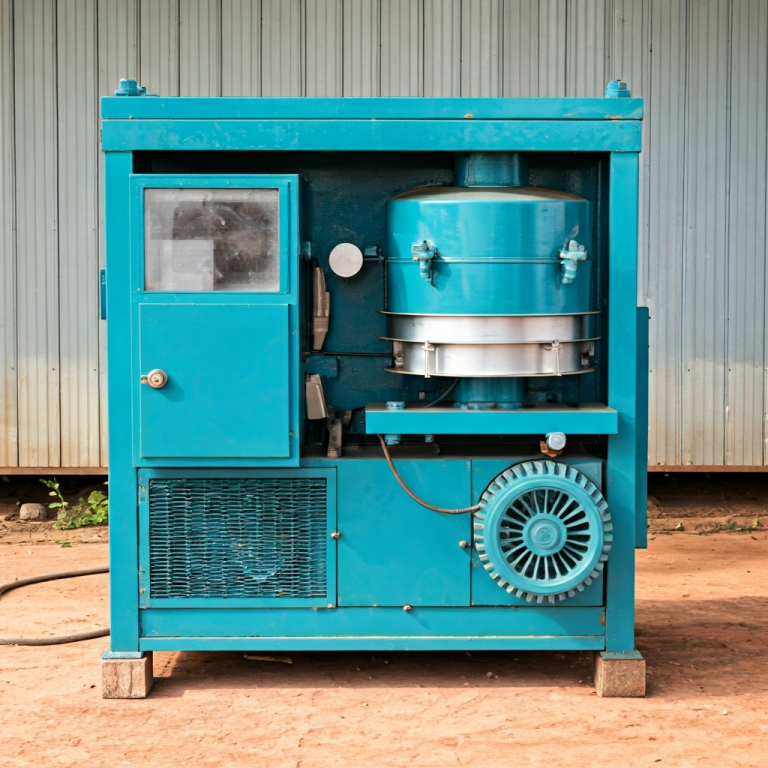
Palm Kernel Expeller (PKE) is a high-energy, high-fiber byproduct of the palm oil extraction process. It’s a crucial ingredient in compound feed for livestock, particularly ruminants like cattle and goats. To be considered for GACC approval, PKE must meet specific nutritional and safety standards. It’s one of many valuable agricultural commodities, similar in use to 椰干粉.
The Role of GACC in China’s Import Safety
The GACC is the gatekeeper for all food and agricultural products entering China. Its primary mandate is to protect public health, animal safety, and the environment. Through regulations like Decree 248, the GACC establishes a rigorous framework that all foreign producers must adhere to.
This modern, streamlined system replaced the former AQSIQ structure, significantly tightening import controls and placing more responsibility on overseas manufacturers.
Why GACC Approval is Non-Negotiable in 2026
In 2026, the enforcement of GACC regulations is stricter than ever. The Chinese government is cracking down on unregistered and non-compliant feed imports to ensure biosecurity and feed quality. Attempting to export PKE to China without proper registration is a guaranteed failure. Achieving GACC Approved PKE status is your license to operate in this massive market.
The GACC Approved PKE Registration Process: A 5-Step Guide
The journey to GACC approval is methodical. Following these five essential steps will streamline your application and maximize your chances of a successful outcome. This process is managed through China’s Import Food Enterprise Registration (CIFER) system.
- 主管机关的建议: Your first step isn’t in China, but in your home country. You must be recommended by your nation’s food safety authority (e.g., the Ministry of Agriculture). This body verifies that your facility complies with both local and Chinese standards before recommending you to the GACC.
- CIFER System Application Submission: Once recommended, you’ll create an account on the GACC’s CIFER online portal. Here, you will fill out a detailed application, including information about your facility, production processes, and quality control systems. Accuracy and completeness are paramount.
- Technical Dossier and Document Review: You must prepare a comprehensive dossier of supporting documents. This includes floor plans, process flowcharts, HACCP plans, traceability protocols, and proof of your quality management system. GACC officials will meticulously review this package for compliance.
- Video Inspection or On-Site Audit: GACC reserves the right to conduct a remote video inspection or a physical on-site audit of your facility. They will verify that the information in your application is accurate and that your real-world practices meet their stringent requirements. Preparation is key to passing this critical stage.
- Approval and Registration Number Issuance: Upon successful review and inspection, GACC will grant your facility an official registration number. This number must be clearly marked on all packaging. You are now officially a provider of GACC Approved PKE.

Key Requirements for GACC Approved PKE Facilities
GACC approval goes beyond paperwork; it’s about your physical operations. Your facility must demonstrate a robust system for producing safe, high-quality PKE. As a producer, you must show that your GACC Approved PKE is managed under the strictest conditions.
Traceability and Raw Material Sourcing
You must have a rock-solid traceability system. This means you can track every batch of PKE from the raw palm kernels to the final packaged product. GACC needs assurance that you can identify and recall a product at any point in the supply chain. This is also essential for other raw materials like 棕榈仁壳 if they are processed in related facilities.
Processing and Quality Control Standards
Your facility must adhere to Good Manufacturing Practices (GMP). This includes having documented procedures for everything from pest control to equipment cleaning. Furthermore, you must have a laboratory (or use a certified third-party lab) to test for potential contaminants. According to research on mycotoxins, contaminants like aflatoxins are a major concern in animal feed, and GACC has strict limits.
Packaging, Labeling, and Storage Requirements for GACC Approved PKE
Proper packaging is crucial to prevent contamination and maintain product integrity. Bags must be new, clean, and strong. Moreover, the labeling must be precise and include:
- Product Name (Palm Kernel Expeller)
- GACC Registration Number
- Net Weight and Gross Weight
- Production Date and Batch Number
- Manufacturer’s Name and Address
- “For Animal Use Only” in both Chinese and English
Navigating the GACC Approved PKE List & Alternatives
Once approved, your company will be added to the official public list of registered exporters. This list is the ultimate source of truth for Chinese importers seeking compliant GACC Approved PKE suppliers.
PKE vs. Other Common Feed Ingredients
Understanding how PKE stacks up against other feed ingredients is useful for both producers and buyers. Each has a different nutritional profile and registration considerations under the GACC framework.
| 属性 | 棕榈仁压榨机(PKE) | 豆粕 | Corn Gluten Meal |
|---|---|---|---|
| Primary Nutrient | Energy & Fiber | 蛋白质 | 蛋白质 |
| Typical Protein % | 14-17% | 44-48% | 60-65% |
| 最适合 | Ruminants (Cattle) | Monogastrics (Poultry, Swine) | Poultry & Aquaculture |
| GACC Focus | Aflatoxin levels, processing safety. | GMO status, pesticide residues. | Processing purity, heavy metals. |
How to Find and Verify the Official GACC List
The official list can be accessed through the GACC’s CIFER portal. It is publicly searchable. Chinese importers will use this database to verify your registration status before initiating a purchase order. It’s wise to check your own listing periodically to ensure all information is correct.

Common Mistakes to Avoid During GACC Registration
The path to approval is littered with potential pitfalls. Awareness of these common errors, as reported by industry publications and trade experts, can save you months of delays and significant costs.
- Incomplete Applications: Submitting an application with missing information is the fastest way to get a rejection. Double-check every field in the CIFER system before submitting.
- Ignoring Official Communications: The GACC will communicate through the CIFER portal. Failing to respond to requests for additional information in a timely manner can lead to your application being abandoned.
- Failing the Audit: A “paperwork-only” approach is not enough. If your real-world facility doesn’t match your documented procedures, you will fail the inspection. Conduct internal audits to prepare.
- 未及时更新: GACC regulations evolve. It is your responsibility to stay informed about changes to decrees and standards. A process that worked in 2024 may not be sufficient for 2026.
Beyond PKE: Expanding Your GACC Registered Product Line
Once you have successfully navigated the system for GACC Approved PKE, you have a powerful advantage. You can use your experience and established relationship to register other products for export to China. Many facilities that produce PKE also handle other palm-derived products that are in high demand.
For instance, the GACC also has specific registration pathways for processed oils intended for feed or human consumption. If your company also produces oils like RBD CP8, you can leverage your existing GACC knowledge to expand your export portfolio and capture additional market share.
Makmur Amanah Sejahtera 我们提供优质的棕榈产品,例如棕榈仁粕、棕榈仁壳、原棕榈油、棕榈仁油等。请联系我们。 WhatsApp +6282140002198 或发送电子邮件至 admin@makmuramanah.co.id.

常见问题解答 (FAQ)
How long does GACC registration for PKE take?
The entire process can take anywhere from 6 to 18 months. The timeline depends heavily on the preparedness of your documentation, the responsiveness of your country’s competent authority, and the GACC’s current workload and audit schedule. Early and thorough preparation is key to a faster approval.
What is the cost of GACC registration?
The GACC itself does not charge an application fee. However, you should budget for internal costs, such as preparing documentation, potential facility upgrades, and translation services. If you choose to use a consulting firm for assistance, their fees will also be a significant part of the cost.
Does GACC registration for PKE expire?
Yes, GACC registration is valid for five years. You must apply for renewal at least three to six months before the expiration date to ensure there is no lapse in your approved status. The renewal process is typically simpler than the initial registration if no major changes have occurred.
What is the difference between GACC and the old AQSIQ system?
The GACC absorbed the responsibilities of the former AQSIQ in a 2018 restructuring. The new system under GACC, governed by Decree 248, is more centralized, digital (via the CIFER system), and places greater responsibility on overseas manufacturers for the entire product lifecycle.
Can I ship PKE to China while my GACC application is pending?
No. You must have a valid and current GACC registration number *before* your product is shipped. Any product that arrives at a Chinese port without a valid registration will be rejected, returned, or destroyed at the exporter’s expense. There is no grace period for pending applications.
Your Essential Partner in the China Market
Navigating the GACC’s requirements is a demanding but achievable goal. By understanding the process, meticulously preparing your documentation, and ensuring your facility meets the highest standards, you can unlock access to one of the world’s most valuable feed markets. This guide serves as your roadmap to success in 2026 and beyond.
Ultimately, achieving and maintaining your registration is the foundation of a successful export strategy. The journey to becoming a supplier of GACC Approved PKE is a testament to your company’s commitment to quality and safety, positioning you for long-term success in the Chinese market.

 Chinese
  English
  Indonesian
  Arabic