
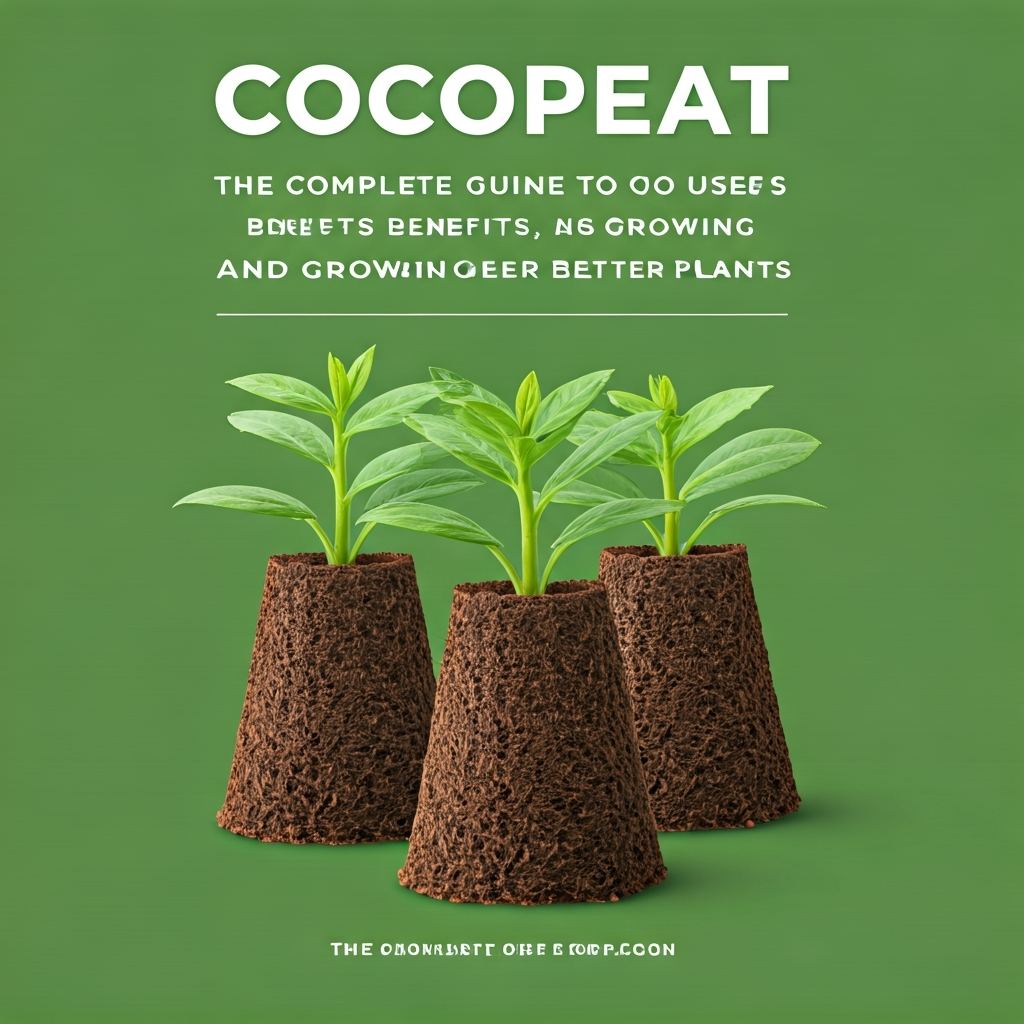
Cocopeat: The Complete Guide to Uses, Benefits, and Growing Better Plants
使用 椰糠 is the single most important change you can make for a healthier, more productive garden this year. For gardeners looking to escape common soil issues like poor drainage or rapid drying, this guide presents the ultimate solution you’ve been searching for.
The quest for the perfect growing medium can be frustrating. Many gardeners struggle with soils that are too dense, lack aeration, or fail to retain adequate moisture, leading to stressed plants and disappointing harvests. According to the United Nations’ Food and Agriculture Organization, over a third of the Earth’s soil is degraded, which directly impacts home garden viability. This is where the power of a superior soil amendment becomes critical.
What Exactly is Cocopeat? A Gardener’s Primer
Cocopeat, also known widely as coco coir or coir pith, is a 100% natural and sustainable growing medium made from the fibrous pith found between the outer shell and the actual coconut. Once considered a waste product, this material has become a horticultural superstar, prized for its unique properties. It serves as an exceptional alternative to traditional peat moss, offering significant environmental and performance benefits.
This powerhouse medium is harvested, processed, and often compressed into blocks for easy shipping. Before use, it requires rehydration, during which it swells to several times its original volume. It transforms into a fluffy, earth-like substance ready to invigorate your garden soil or serve as a standalone medium for hydroponics.

From Coconut Husk to Garden Gold: The Production Process
The journey of coir pith from a raw coconut husk to a valuable garden product is a multi-step process. First, processors soak the husks in water to soften them, a process called “retting.” This makes separating the long fibers from the pith easier.
After separation, the material is washed, dried, and screened. High-quality coco coir undergoes a crucial final step: buffering. This involves treating it with a calcium nitrate solution to displace sodium and potassium salts. Buffering ensures a stable, inert medium that won’t lock out essential nutrients like calcium and magnesium from your plants.
Understanding Cocopeat vs. Coco Coir Terminology
While the terms are often used interchangeably, there are subtle distinctions. “Coco coir” is a broad term that refers to any product derived from the coconut husk. It comes in three main forms:
- Pith (Cocopeat): Has a soil-like texture and is excellent at retaining water.
- Fibers: Long strands that improve aeration but don’t hold much water.
- Chips: Chunky pieces that create large air pockets, perfect for orchids and other epiphytes.
Most commercially available “cocopeat” products are a blend of pith and some fibers, designed to offer a balance of water retention and aeration. For a premium, well-balanced product perfect for general use, consider a reliable source like our 优质椰糠.
The 7 Undeniable Benefits of Using Cocopeat in Your Garden
Integrating this unique medium into your gardening practice unlocks numerous advantages. These benefits address some of the most common challenges gardeners face, leading to healthier plants and more successful outcomes.
1. 卓越的保水性能
Coco coir can hold up to 10 times its weight in water. This incredible capacity means you water less frequently, and your plants have a consistent moisture source, protecting them from drought stress. This is a game-changer for container gardening and hanging baskets.
2. Excellent Aeration for Healthy Roots
Despite its water-holding ability, the substrate remains light and airy, preventing soil compaction. This structure provides essential oxygen to plant roots, promoting robust root development and preventing rot, a common issue in dense, waterlogged soils.
3. Neutral pH and Easy Customization
With a pH range of 5.5 to 6.8, coir pith is neutral to slightly acidic, making it an ideal starting point for almost any plant. Unlike peat moss, which is highly acidic, it doesn’t require lime additions. This gives you complete control to add the specific nutrients your plants need.
4. Sustainable and Eco-Friendly Alternative
Cocopeat is a byproduct of the coconut harvest, making it a renewable and environmentally friendly resource. In contrast, harvesting peat moss involves destroying ancient peat bogs, which are vital carbon sinks and unique ecosystems, a practice discouraged by authorities like the 英国皇家园艺学会(RHS). As documented by the IUCN, protecting peatlands is critical for climate change mitigation.
5. Naturally Anti-Fungal and Pest-Resistant
The presence of certain lignins in coco coir helps suppress common root diseases and fungal growth. It also creates an inhospitable environment for many common garden pests, reducing the need for chemical pesticides and fungicides.
6. Lightweight and Easy to Handle
Sold in compressed, dry bricks, cocopeat is exceptionally lightweight and easy to transport and store. A single small brick can expand to create a large volume of growing medium, making it ideal for urban gardeners or those with limited storage space.
7. Reusable and Long-Lasting
This coconut fiber medium breaks down very slowly due to its high lignin content, meaning it can be reused for several growing seasons. After a harvest, you can simply rinse it, buffer it if needed, and replant, making it a cost-effective and zero-waste option.

Preparing and Using Cocopeat: A Step-by-Step Guide
To unlock the full potential of your coco coir, proper preparation is key. Following these steps ensures your plants get the best possible start.
[Video Embed Suggestion]
A short, engaging video showing how to rehydrate a compressed cocopeat brick and explaining the buffering process would be highly effective here. This visual guide can significantly improve user understanding and on-page time.
- Step 1: Expanding Your Cocopeat Block
Place your compressed brick in a large container, like a wheelbarrow or storage tote. Add the amount of warm water specified on the packaging. The brick will begin to break apart and expand. Fluff it with your hands or a small shovel until it is fully hydrated and has a consistent, soil-like texture. - Step 2: Buffering (The Non-Negotiable Step)
This is the most critical step for preventing nutrient lockout in your plants. First, soak the expanded coir in a solution of water and a calcium-magnesium (Cal-Mag) supplement for at least 8 hours. This displaces sodium ions and pre-charges the medium with calcium, making it ready to deliver nutrients effectively. - Step 3: Mixing Into Your Soil or Potting Mix
After buffering and draining excess water, your cocopeat is ready. You can use it as a standalone hydroponic medium or mix it into your garden or potting soil. A common ratio is 30-50% coco coir to 50-70% soil or compost. For seed starting, a mix of 70% cocopeat and 30% perlite provides an ideal, sterile environment.
Cocopeat vs. Peat Moss vs. Soil: A Head-to-Head Comparison
Choosing the right growing medium is fundamental. Here’s how Cocopeat stacks up against two other common options, clearly demonstrating its advantages for the modern gardener.
| 特征 | 椰糠 | 泥炭藓 | 园土 |
|---|---|---|---|
| 可持续性 | 高(可再生副产品) | Low (Harvested from finite peat bogs) | 多变的 |
| 水分保留 | 出色的 | Very High (Can become hydrophobic when dry) | Variable (Often poor or leads to waterlogging) |
| pH值 | 5.5 – 6.8 (Ideal) | 3.5 – 4.5 (Highly Acidic) | Variable (Often alkaline) |
| 可重复使用性 | Yes (Breaks down slowly) | No (Compacts over time) | Yes |
| 营养成分 | Inert (Requires added nutrients) | 非常低 | Variable (Can contain pathogens/weeds) |

Advanced Applications for Cocopeat Growers
Beyond being a simple soil amendment, this versatile substrate excels in more specialized horticultural applications.
Using Coco Coir for Hydroponics and Aquaponics
Buffered cocopeat is one of the best substrates for hydroponic systems. Its inert nature won’t interfere with your nutrient solution, its water retention keeps roots moist, and its structure provides firm support. This is validated by extensive research, including studies in journals like Agronomy, confirming its efficacy in soilless culture.
Perfecting Your Seed Starting Mix
The fine, sterile texture of our premium cocopeat is ideal for germinating seeds. It holds moisture evenly, preventing seeds from drying out, while its aeration properties prevent damping-off disease. A simple mix of 70% coir pith and 30% perlite creates a professional-grade seed starting mix.
Creating Custom Potting Blends with Cocopeat
Take control of your container garden by creating custom potting mixes. For plants that need more drainage, like succulents, use a higher ratio of coco chips and perlite. For moisture-loving plants like ferns, use a higher percentage of 椰糠 pith. This allows you to tailor the environment perfectly to each plant’s needs.

Makmur Amanah Sejahtera 提供高质量的棕榈产品,例如: 棕榈仁压榨机, 棕榈仁壳, and high-grade 椰干粉. Kindly contact us at WhatsApp +6282140002198 或发送电子邮件至 admin@makmuramanah.co.id.
Frequently Asked Questions about Cocopeat
Is cocopeat better than soil?
It isn’t “better,” but it excels at solving common soil problems. As a soilless medium, it provides superior aeration and water control. It’s best used to amend existing soil or as a base for a custom potting mix where you control all the nutrients.
Do I need to add fertilizer to cocopeat?
Yes, absolutely. Cocopeat is an inert medium containing almost no native nutrients. You must provide all nutrition your plants need via liquid fertilizers or by mixing in compost. Using a Cal-Mag supplement during preparation and feeding is also critical for success.
How long does it take to rehydrate a cocopeat brick?
Rehydration time depends on the brick’s size and water temperature. A typical 5kg (11lb) brick can take 15 to 30 minutes to fully expand using warm water. Cold water works but will take significantly longer, sometimes up to an hour.
Can I reuse my cocopeat?
Absolutely. One of its great benefits is durability. After a crop cycle, flush the medium with water to remove old roots and excess salts. Then, buffer it again with Cal-Mag, and it’s ready for a new plant. It can often last for 2-3 years.
Conclusion: The Future of Your Garden is Cocopeat
In modern gardening, performance, sustainability, and control are paramount. As we’ve explored, cocopeat delivers on all fronts, empowering you to build the perfect growing environment. By moving beyond the limitations of native soil, you gain a powerful tool for success.
Why should you make the switch?
- It provides unmatched water retention, saving water and protecting plants.
- Its superior aeration promotes healthy, rot-free roots.
- It is a 100% sustainable and eco-friendly alternative to peat moss.
- It gives you total control over your plant’s nutrient profile.
By learning how to properly prepare and use it, you are investing in the health and vitality of your garden for years to come. Embrace the power of 椰糠 and watch your plants thrive like never before.

 Chinese
  English
  Indonesian
  Arabic