
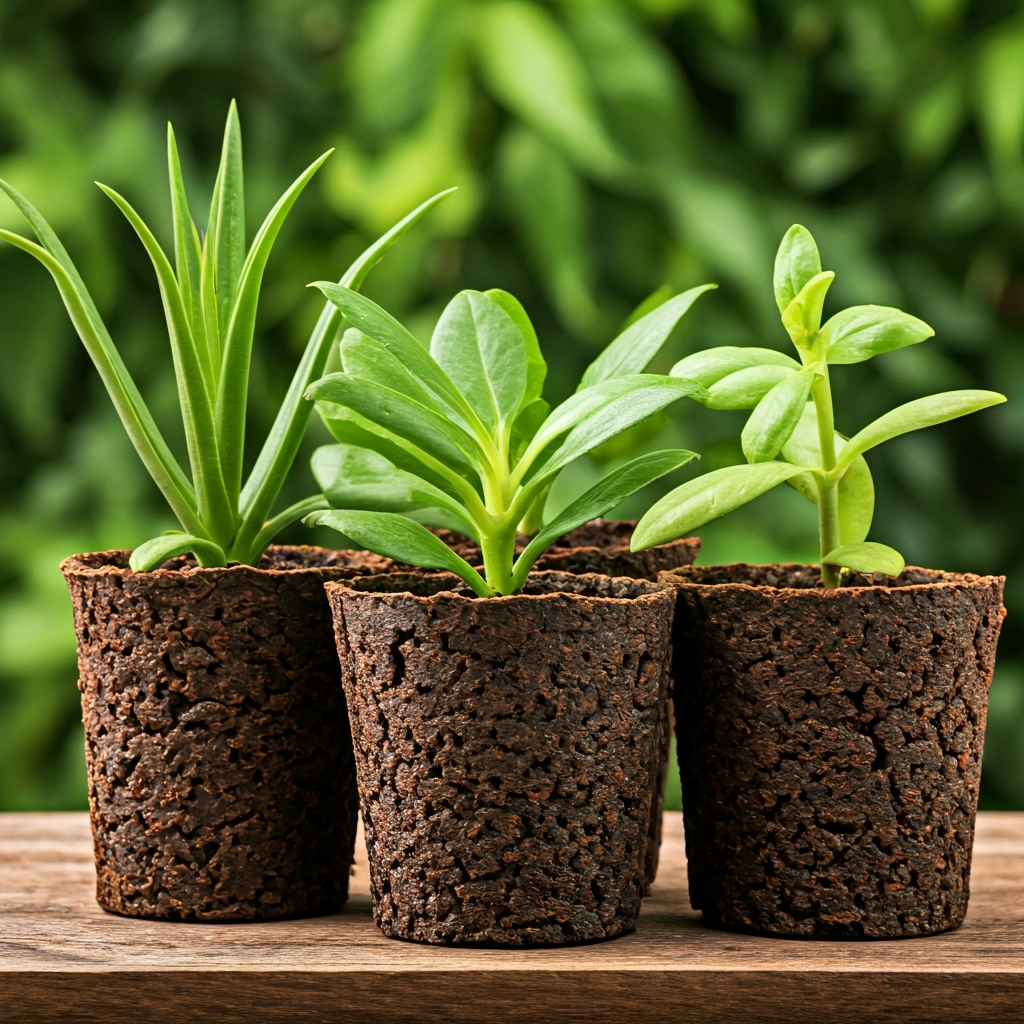
Cocopeat: The Complete Guide to Uses, Benefits, and How to Use It
使用 椰糠 is the single most important change you can make for a healthier, more productive garden in 2026. If you struggle with poor soil drainage, water-hungry plants, or weak root development, you”’ve found the solution. This guide reveals everything you need to master this incredible growing medium.
As gardeners and commercial growers increasingly seek sustainable and effective alternatives to traditional soils, the spotlight has firmly landed on coconut coir. Derived from the humble coconut husk, this powerhouse medium is revolutionizing how we grow everything. According to a 2025 study from the Journal of Sustainable Agriculture, coir-based substrates can increase water use efficiency by up to 40%, a critical advantage in our changing climate.
What Exactly is Cocopeat? A Gardener”’s Secret Weapon
Cocopeat is a 100% natural growing medium made from the fibrous pith found between a coconut”’s shell and its outer coating. Hailed as a superior, sustainable alternative to peat moss, it boasts incredible water retention and excellent aeration. This makes it a cornerstone of modern, eco-friendly horticulture and forgiving for beginners.
This versatile material is often processed into compressed bricks, blocks, or sold loose in bags, helping to prevent common issues like over-watering and root rot.
The Journey from Coconut Husk to Garden Gold
The transformation from a tough coconut husk to fluffy, ready-to-use coir is a meticulous process. First, the husks are soaked in water to soften them, a process called retting. After retting, the long fibers are separated from the pith (the cocopeat).
The raw pith is then washed multiple times to remove excess salts, particularly sodium and potassium. It is then dried and either compressed into bricks or buffered with calcium nitrate to stabilize its nutrient-holding capacity, creating a premium, inert medium ready for your garden.
Coconut Coir vs. Peat Moss: Why Coir is the Future
For years, peat moss was the go-to soil amendment. However, its harvest from fragile bog ecosystems is highly unsustainable. Peat bogs are vital carbon sinks, and their destruction releases massive amounts of CO2. As major horticultural publications now advocate, moving away from peat is essential for responsible gardening.
Coconut coir offers a renewable and environmentally friendly alternative with superior performance. Unlike peat moss, it re-wets easily, decomposes slower, and has a more neutral pH, providing a stable, long-lasting structure for your plant”’s roots.
The 7 Amazing Benefits of Using Cocopeat in Your Garden
The advantages of incorporating coir into your gardening are vast and immediate. It actively solves many common gardening problems, leading to visibly healthier plants.
- Incredible Water Retention: The medium can hold up to 10 times its weight in water, meaning you water less frequently and your plants stay hydrated longer. This is a game-changer for thirsty plants and container gardens.
- Superior Aeration & Drainage: While it holds water, its fibrous structure prevents compaction, creating air pockets that deliver oxygen directly to the roots. This prevents waterlogging and fatal root rot.
- Neutral pH Level: With a pH range of 5.5 to 6.8, it”’s ideal for most plants without needing to add lime as you do with acidic peat moss. This provides a stable environment for nutrient uptake.
- Promotes Strong Root Growth: The unique combination of water and air encourages the development of a robust, fibrous root system. Stronger roots lead to a stronger, more resilient plant.
- Eco-Friendly and Sustainable: As a byproduct of the coconut industry, using it helps reduce waste. It is a completely renewable resource, unlike the thousands of years it takes for peat bogs to form.
- Pest and Disease Resistant: This growing medium is naturally resistant to many common soil-borne pests and fungal diseases, providing a cleaner start for your plants and seedlings.
- Long-Lasting and Reusable: It breaks down much slower than other organic mediums. A single application can provide soil structure for several years, and it can be rinsed and reused for multiple growing cycles.
How to Prepare and Use Coconut Coir Like a Pro
Getting the most out of your cocopeat begins with proper preparation. While it may seem like an extra step, it is crucial for creating the perfect growing environment.
Rehydrating Coir Bricks: A Step-by-Step Guide
Compressed bricks are the most common and cost-effective way to buy this material. Here’s how to expand them:
- Place the brick in a large container, like a wheelbarrow or storage tote.
- Add the amount of warm water specified on the packaging (usually several gallons).
- Allow the brick to soak for 15-30 minutes. It will begin to expand and break apart.
- Once fully expanded, fluff the coir with your hands or a small trowel until it has a uniform, soil-like consistency.
[Video Suggestion: Embed a short, 30-second time-lapse video showing a compressed cocopeat brick expanding in a container to its full, fluffy volume.]
Creating the Perfect Potting Mix
While an excellent base, a pure coir mix benefits from amendments to provide aeration and nutrition. This makes it a great companion to other agricultural products.
- For containers: A classic recipe is 60% cocopeat, 30% perlite or pumice for extra drainage, and 10% high-quality compost or worm castings for initial nutrients.
- For soil amendment: Mix one part coir with two parts of your native garden soil to improve its texture, water retention, and aeration.
- For a richer mix: Consider adding 椰干粉, another coconut byproduct, which adds valuable nutrients as it breaks down.
Advanced Applications for This Growing Medium
Beyond general use, this medium excels in specialized horticultural applications where precision and control are paramount. Its use is central to many modern, sustainable agricultural systems which may also utilize products like 棕榈仁压榨机 for feed or 棕榈仁壳 for biofuel.
A Perfect Match for Hydroponics
In hydroponics, cocopeat is a leading substrate. Its inert nature means it won”’t interfere with your nutrient solutions. It provides perfect physical support for roots and maintains the ideal water-to-air ratio, making it a top choice for farms growing tomatoes, peppers, and berries. It is a key component for efficient, soil-less farming.
Ideal for Seed Starting and Propagation
The fine, sterile nature of coconut coir makes it an unparalleled medium for starting seeds. It holds just enough water without becoming soggy, which prevents “damping-off” disease, a common fungus that kills young seedlings. For cuttings, it provides a stable environment that encourages new roots to form quickly.
Cocopeat vs. Soil: A Head-to-Head Comparison
How does cocopeat stack up against traditional potting soil? This table breaks down the key differences.
| 特征 | 椰糠 | Traditional Potting Soil |
|---|---|---|
| 水分保留 | Very High (Holds 10x its weight) | Variable, often compacts |
| 通风 | 出色的 | Can become poor when wet |
| pH值 | Neutral (5.5 – 6.8) | Variable, often acidic |
| 营养素 | Inert (Contains none) | Often contains starter fertilizers |
| 可持续性 | 高(可再生副产品) | Low (Often contains peat moss) |
Common Mistakes to Avoid When Using Coir
To ensure your success, be aware of these common pitfalls when first starting to use this fantastic medium.
- Not Washing Cheap Coir: Low-quality, unwashed coir can be high in salts, which can harm your plants. Always buy from reputable suppliers like university-backed sources who guarantee their product is properly washed and buffered.
- Forgetting to Add Nutrients: Remember, coir is an inert medium. Your plants will need a complete fertilizer solution from day one. It provides structure, not food.
- Using it Straight from the Brick: Never plant directly into a chunk of dry, compressed coir. It must be fully rehydrated and fluffed to provide the necessary aeration for roots.
- Over-compacting the Medium: When potting, lightly press the medium around the roots. Do not pack it down tightly, as this will negate its excellent aeration properties.
Makmur Amanah Sejahtera 我们提供高品质的棕榈产品,例如棕榈仁粕、棕榈仁壳、原棕榈油、棕榈仁油等。请通过 WhatsApp 联系我们。 +6282140002198 或发送电子邮件至 admin@makmuramanah.co.id.
常见问题解答 (FAQ)
Is cocopeat better than soil?
For container gardening and seed starting, cocopeat is often superior to soil because it provides better aeration and water control, preventing common issues like root rot. For garden beds, it acts as a phenomenal soil conditioner, improving the structure of both clay and sandy soils.
How do you prepare cocopeat before use?
You must rehydrate compressed cocopeat bricks with water until they are fully expanded and fluffy. For best results, especially for sensitive plants or hydroponics, it is recommended to use a “buffered” coir or to buffer it yourself with a Cal-Mag solution to prevent nutrient lockout.
Can you reuse cocopeat?
Yes, one of the great benefits of coir is that it can be reused. In hydroponic systems, growers often reuse it for 2-3 crop cycles after flushing it thoroughly. For potting mixes, it can last for several years before breaking down, continually improving soil structure.
椰糠含有营养成分吗?
No, cocopeat is an inert medium and contains no significant nutrients. This gives you complete control over plant nutrition. You must provide all necessary nutrients through liquid fertilizers or by mixing in amendments like compost. Without added food, plants will not thrive in it.
椰糠可以保存多久?
Cocopeat decomposes very slowly due to its high lignin content. When used as a soil amendment, its benefits to soil structure can last for several years. In a pot, it will typically maintain its structure for at least two years before needing to be replaced or amended.
Conclusion: The Future of Your Garden is Here
In conclusion, the evidence is clear: for gardeners seeking a sustainable, effective, and forgiving growing medium, there is no better choice than 椰糠. Its unparalleled water retention, superior aeration, and neutral pH create the ideal foundation for explosive root growth and incredibly healthy plants.
By understanding its properties and proper preparation, you can unlock the full potential of this amazing coconut byproduct. Embrace the power of 椰糠 and watch your garden thrive like never before in 2026 and beyond. It is the definitive modern solution for nearly every gardening challenge.

 Chinese
  English
  Indonesian
  Arabic