
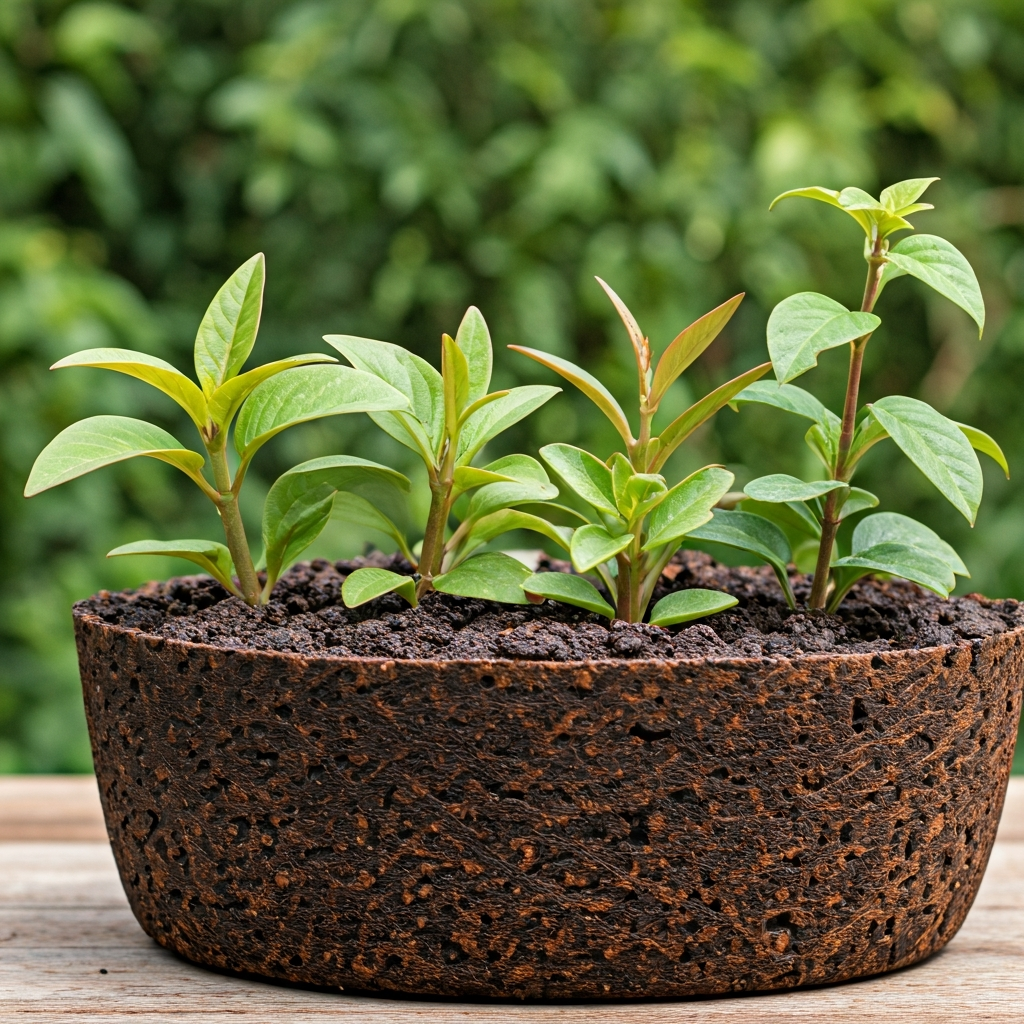
What Plants Grow Best in Cocopeat? A Complete Guide
Discovering what plants grow best in cocopeat is the secret weapon savvy gardeners are using in 2024 for healthier roots and bigger yields. If you’re struggling with compacted soil or inconsistent watering, you’re about to find the ultimate solution. This guide provides everything you need to succeed with this incredible soilless medium.
The shift towards sustainable and efficient gardening has put cocopeat in the spotlight. This fantastic material, derived from coconut husks, is not just a waste byproduct; it’s a superior growing medium. According to research from institutions like the University of California, soilless media like cocopeat can improve water use efficiency by up to 70%, making it a cornerstone of modern horticulture.
It offers a perfect balance of aeration and water retention, creating an ideal environment for root systems to flourish. Unlike traditional garden soil, it’s free from pests, weeds, and diseases, offering a clean and stable start for your plants.
What is Cocopeat and Why Is It a Game-Changer?
Cocopeat, also known as coir pith or coco coir, is a 100% natural fiber extracted from coconut husks. For a long time, it was considered waste, but it has emerged as one of the most effective growing mediums available. Its unique cellular structure, resembling a sponge, allows it to hold up to 10 times its weight in water while still maintaining excellent aeration. This prevents both underwatering and root rot, two of the most common gardening problems.
Furthermore, cocopeat has a neutral pH (typically 5.5 to 6.8), which is ideal for a wide variety of plants. This neutrality gives you complete control over the nutrients your plants receive. For those seeking premium results, using a high-quality, buffered 椰糠 is essential for providing a stable and nurturing environment from the very beginning.
Key Benefits of Using Cocopeat
- Exceptional Water Retention: Reduces watering frequency, making it perfect for thirsty plants and dry climates.
- Superior Aeration: The fibrous texture ensures plant roots receive plenty of oxygen, promoting vigorous growth.
- Disease and Pest-Free: As a soilless medium, it is naturally resistant to soil-borne diseases, fungi, and pests.
- 可持续且环保: Cocopeat is a renewable resource, making it an environmentally conscious choice over non-renewable peat moss.
- Reusable: With proper care, cocopeat can be rinsed and reused for several growing cycles, offering excellent value.
Preparing Your Cocopeat: A Crucial First Step
You can’t just plant directly into dry, compressed cocopeat. Proper preparation is non-negotiable for success. Most cocopeat comes in compressed bricks that need to be rehydrated, a process that also involves rinsing and “buffering” the medium.
Buffering is the most critical part, as explained by hydroponic experts at university extensions like Oklahoma State University. Cocopeat naturally contains high levels of sodium and potassium, which can interfere with the uptake of calcium and magnesium, leading to nutrient lockout. Buffering involves soaking the cocopeat in a calcium-magnesium (Cal-Mag) solution to create a stable medium where nutrients remain available to your plants.
- Hydrate: Place the cocopeat brick in a large container and add water (typically 4-5 liters per kg). It will expand dramatically.
- Rinse: Thoroughly rinse the expanded cocopeat with fresh water until the runoff is clear to remove excess salts.
- Buffer: Soak the rinsed cocopeat in a Cal-Mag solution, following the product’s instructions, for 8-12 hours.
- Final Rinse: Give it one last rinse to remove excess buffering agents, and it’s ready for planting!
What Vegetables Grow Best in Cocopeat?
Many vegetables, especially those used in hydroponics, adapt wonderfully to cocopeat. The consistent moisture and aeration are a perfect match for heavy-feeding crops. Let’s explore some of the top vegetables for your cocopeat garden.
Tomatoes & Peppers
Tomatoes and peppers have extensive root systems that demand oxygen and consistent moisture, making them ideal candidates for cocopeat. The medium’s structure supports strong root development, leading to healthier plants and more abundant fruit. Use a 100% cocopeat medium in pots or grow bags and implement a regular feeding schedule.
Cucumbers & Zucchini
These fast-growing, water-loving plants thrive in cocopeat. Its high water-holding capacity ensures they never go thirsty, preventing the bitter taste that can develop from inconsistent watering. The disease-free nature of cocopeat also helps protect these vine crops from root rot.
Leafy Greens (Lettuce, Spinach, Kale)
For cut-and-come-again harvesting, there’s no better medium. Leafy greens require consistent moisture to prevent bolting (flowering prematurely). Cocopeat provides this stability, promoting lush, rapid growth. A mix of 70% cocopeat and 30% perlite can further enhance aeration for these delicate greens.
Root Vegetables (Carrots & Radishes)
While surprising to some, root vegetables grow exceptionally well in cocopeat. The light, airy texture allows roots to expand freely without resistance from compacted soil, resulting in perfectly formed carrots and radishes. Ensure your container is deep enough and maintain consistent moisture.
Strawberries
Strawberries are a fantastic choice for cocopeat, especially in hanging baskets or vertical towers. The medium’s excellent drainage and sterile nature help prevent common fungal issues like root rot and fruit mold, leading to a cleaner, healthier harvest.
What Flowers Grow Best in Cocopeat?
Cocopeat isn’t just for edibles! Many ornamental and flowering plants flourish in its airy, moist environment. Finding what plants grow best in cocopeat includes a variety of beautiful blooms that are perfect for container gardening.
Orchids & Anthuriums
Epiphytic plants like orchids and anthuriums are a natural fit. In their native habitat, they grow on trees, not in soil, so they require a chunky, airy medium. A mix of cocopeat chips and fiber provides the perfect structure, mimicking their natural environment and allowing roots to breathe.
Roses
While traditionally soil-grown, roses benefit immensely from cocopeat in containers. A blend of cocopeat, compost, and perlite creates a rich, well-draining medium that roses love. The consistent moisture helps produce larger, more vibrant blooms, a practice confirmed by commercial growers in journals like Scientia Horticulturae.
Cocopeat vs. Soil vs. Other Mediums: A Comparison
How does cocopeat stack up against traditional soil or other soilless media? This table breaks it down, helping you understand why so many are choosing it for the plants that grow best in cocopeat.
| 特征 | 椰糠 | 园土 | 泥炭藓 |
|---|---|---|---|
| 水分保留 | 出色的 | 多变的 | 非常高 |
| 通风 | 出色的 | Poor to Fair | 好的 |
| pH值 | Neutral (5.5-6.8) | 多变的 | Acidic (3.5-4.5) |
| 可持续性 | High (Renewable) | N/A | Low (Non-renewable) |
| Pest & Disease Free | Yes | No | Mostly |
| 可重复使用性 | Yes (2-3+ cycles) | No | No |
Expert Growing Tips for Cocopeat Success
To truly master growing with this medium, you must adapt your techniques. Since cocopeat is not soil, you will need to provide all the nutrients your plants need via a balanced, water-soluble fertilizer. Monitor your watering schedule; while cocopeat holds water well, its excellent drainage means you might water more frequently, but with smaller amounts, than in soil.
Understanding Nutrient and Amendment Mixes
For those looking for organic options, amending with nutrient sources like 椰干粉 can provide slow-release nutrition. Other palm byproducts, such as 棕榈仁压榨机, can also serve as part of a balanced organic feed program. The key is understanding how to supplement this inert medium to support what plants grow best in cocopeat.
Makmur Amanah Sejahtera 我们提供优质的棕榈产品,例如棕榈仁粕、棕榈仁壳、原棕榈油、棕榈仁油等。请联系我们。 WhatsApp +6282140002198 或发送电子邮件至 admin@makmuramanah.co.id.
常见问题解答
Is cocopeat better than soil?
For container and hydroponic gardening, cocopeat is often superior to soil due to its excellent water retention, aeration, and sterile nature. For in-ground gardening, however, improving existing soil is usually more practical. It depends entirely on your specific application and gardening goals.
Do I need to add fertilizer to cocopeat?
Yes, absolutely. Cocopeat is an inert medium, containing no native nutrients. You must provide all necessary plant nutrition through liquid or granular fertilizers from the start. This is the most critical step for ensuring healthy growth in any plant grown in coir.
How long does cocopeat last? Can it be reused?
High-quality cocopeat is slow to break down and can be reused for 2-3 growing cycles or up to four years. To reuse it, simply remove old roots, rinse it thoroughly to wash away any leftover fertilizer salts, and re-buffer it with a Cal-Mag solution.
What plants should NOT be grown in cocopeat?
While most plants thrive, some drought-loving succulents and cacti that prefer to dry out completely between waterings may be prone to root rot in pure cocopeat. For these plants, a mix with a high percentage of sand, perlite, or other inorganic material is a better choice.
Can you mix cocopeat with garden soil?
Yes, mixing cocopeat into garden soil is an excellent way to improve its structure. Adding it to heavy clay soil improves aeration and drainage, while mixing it into sandy soil improves water and nutrient retention, making it a versatile and valuable soil amendment.
Conclusion: Your Success with Cocopeat Starts Now
In conclusion, the versatility of cocopeat makes it a superior choice for a vast range of applications, from hydroponic vegetables to container-grown roses. Its ability to provide unmatched aeration and water retention creates the perfect foundation for strong, healthy root systems. Understanding its properties and how to prepare and amend it is the key to success.
Now that you know what plants grow best in cocopeat and how to create the ideal environment for them, you are well-equipped to achieve incredible results. By mastering these techniques, you’ll find that the list of plants is nearly endless. Embrace this sustainable, efficient, and powerful growing medium and watch your garden thrive like never before in 2024 and beyond.
 Chinese
  English
  Indonesian
  Arabic