
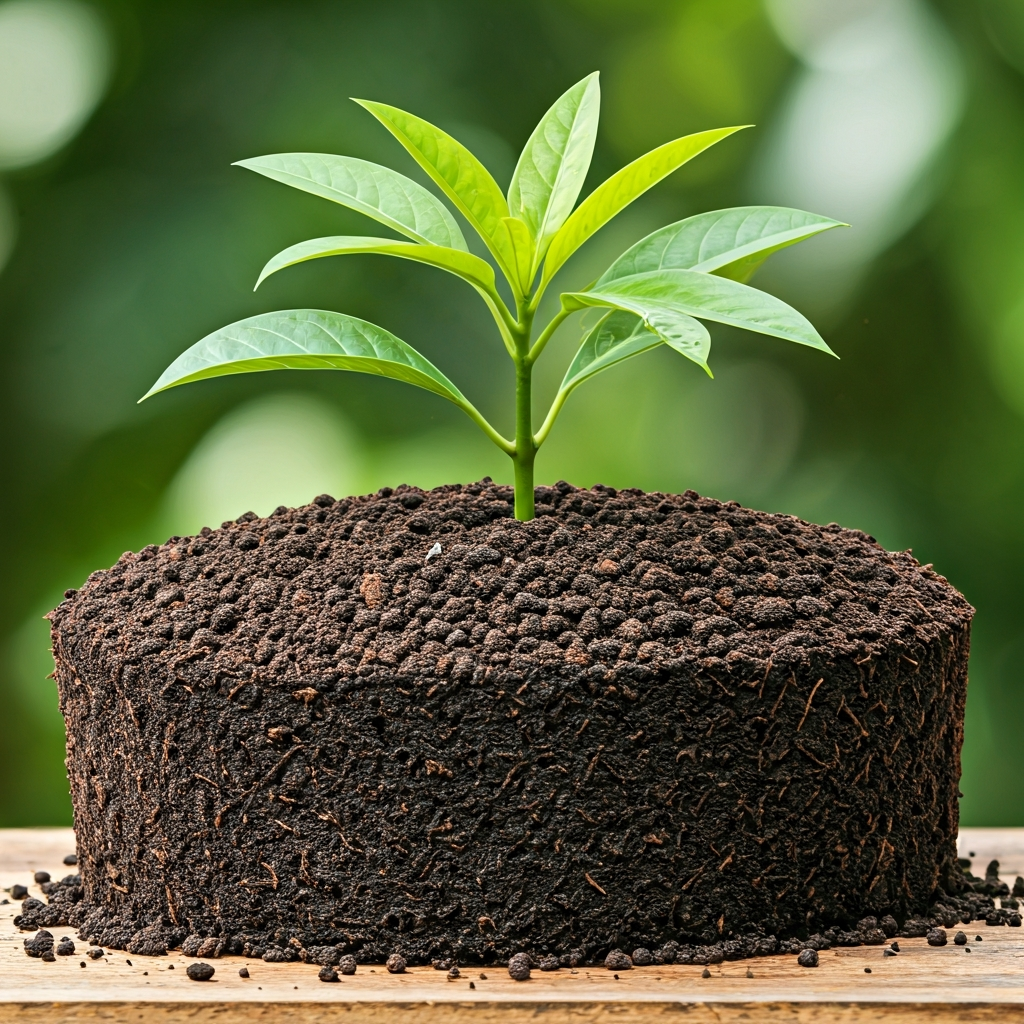
Cocopeat: The Ultimate Guide to Uses, Benefits, and Mixing for Soil
椰糠 is revolutionizing gardens across the globe, but are you using it correctly? Many gardeners miss out on its full potential, leading to disappointing results.
This definitive guide provides the expert knowledge you need to transform your soil, avoid common pitfalls, and achieve incredible plant growth in 2024.
What is Cocopeat, Exactly? A Deep Dive
Cocopeat is a 100% natural, soilless growing medium made from the fibrous pith of a coconut’s inner husk. Once considered agricultural waste, this powerhouse material is now celebrated as a superior, sustainable alternative to traditional peat moss. Its unique properties make it a cornerstone of modern horticulture.
According to research from institutions like the University of California, Davis, soilless media are critical for water conservation, using up to 70% less water than soil-based agriculture. This makes 椰糠 not just good for your plants, but for the planet too.
From Coconut Husks to Garden Gold
The journey from a coconut to your garden is a fascinating one. After harvesting the edible parts, producers age the remaining husks for a significant period. This aging process helps to stabilize the material and wash away excess salts.
Following this, processors separate the long fibers (used for ropes and textiles) from the pithy dust and smaller fibers. They then dry, grade, and compress this leftover material—the coco coir—into easy-to-ship bricks. We ensure our high-quality Cocopeat is properly processed for optimal performance.
Understanding the Types of Cocopeat: Pith, Fiber, and Chips
Cocopeat isn’t a one-size-fits-all product. It comes in three primary forms, each with unique properties:
- Coco Pith (or Coco Dust): The most common type, it looks like fine, ground peat moss. It has excellent water retention, making it ideal for most gardening applications.
- 椰纤维: Longer fibers that improve aeration and drainage. They prevent the pith from compacting, ensuring plant roots get plenty of oxygen.
- 椰子片: Small chunks of coconut husk that act like bark or perlite, creating large air pockets. They are perfect for orchids and other epiphytes.
Buffered vs. Unbuffered Cocopeat: A Critical Choice
This is a crucial distinction for serious gardeners. Unbuffered 椰糠 naturally contains high levels of sodium, which can trigger a “cation exchange” that locks out essential nutrients. As agricultural studies explain, this process starves your plants of calcium and magnesium.
High-quality, buffered cocopeat is pre-treated with a calcium solution, such as 棕榈油脂肪酸钙盐, to displace the sodium. This creates a stable, nutrient-ready medium from the start.

The 7 Astonishing Benefits of Using Cocopeat in Your Garden
Switching to cocopeat can fundamentally improve your gardening success. Its unique structure offers advantages that few other mediums can match.
- Incredible Water Retention: Cocopeat can hold up to 10 times its weight in water, reducing watering frequency and keeping plants hydrated.
- 根部通气效果极佳: Its fibrous, spongy structure prevents compaction and provides ample oxygen to roots, preventing rot and promoting vigorous growth.
- Neutral pH Level: With a pH range of 5.5 to 6.8, cocopeat is ideal for most plants without needing pH adjusters like lime.
- Sustainable & Renewable: As a byproduct of the coconut industry, it’s an eco-friendly alternative to peat moss, the harvesting of which destroys vital peatland ecosystems.
- Resists Pests and Diseases: Cocopeat is naturally antifungal and, as noted by industry publications, resistant to common soil-borne pests, leading to healthier plants with less chemical intervention.
- Reusable & Durable: It breaks down very slowly, meaning a single batch can be used for several growing seasons, offering excellent value.
- Easy to Store and Handle: Sold in compressed, lightweight bricks, it’s easy to transport and store, saving space in your shed or garage.
How to Prepare and Mix Cocopeat for Optimal Results
Unlocking the power of cocopeat begins with proper preparation. Using it straight from the package is a common beginner mistake that limits its effectiveness.
Rehydrating Cocopeat Bricks: Step-by-Step
- Choose a Container: Select a large tub or wheelbarrow that can hold at least 10 times the volume of the dry brick.
- Add Water: Place the brick in the container and add warm water. A good ratio is about 4-5 liters of water per 1 kg of compressed cocopeat.
- Wait and Watch: Allow the brick to sit for 20-30 minutes. It will begin to swell and absorb the water, expanding dramatically.
- Fluff it Up: Once expanded, use your hands or a small trowel to break up any remaining clumps and fluff the material into a uniform, soil-like consistency.
The Perfect Cocopeat Soil Mix Ratio
While you can grow in 100% cocopeat, especially for hydroponics, the best results often come from a custom blend. A great all-purpose recipe is:
- 5 parts Cocopeat: The base of your mix for water retention.
- 2 parts Perlite or Pumice: For added aeration and drainage.
- 3 parts High-Quality Compost or Worm Castings: To provide essential nutrients from day one.
Amending Cocopeat: What to Add
Just as farmers use agricultural byproducts like 棕榈仁压榨机, gardeners can amend cocopeat for plant nutrition. Adding materials like 棕榈仁壳 can improve structure. Even with buffered cocopeat, you must provide a full spectrum of nutrients. For container gardening, a high-quality, slow-release fertilizer or regular liquid feeding is essential for long-term health.

使用椰糠时应避免的常见错误
Cocopeat is fantastic, but it’s not foolproof. Avoiding these common errors will save you from frustration and ensure your plants thrive.
The Dangers of Unbuffered Cocopeat
Using cheap, unbuffered cocopeat is the #1 mistake. The high sodium content can lock out calcium, leading to blossom end rot in tomatoes and peppers, and stunted growth in other plants.
Always invest in pre-buffered cocopeat for peace of mind and healthy, productive plants.
Overwatering: A Common Pitfall
Because it holds so much water, it’s easy to overwater plants in a cocopeat medium. Always check the top 1-2 inches of the mix; if it feels dry, it’s time to water.
If it feels damp, wait another day. Proper drainage in your pots is absolutely non-negotiable to prevent root rot.
Cocopeat vs. The Competition: A Head-to-Head Comparison
How does cocopeat stack up against other popular growing media? This table breaks it down.
| 特征 | 椰糠 | 泥炭藓 | 园土 |
|---|---|---|---|
| 可持续性 | 高(可再生副产品) | Low (Non-renewable) | 多变的 |
| 水分保留 | 出色的 | 非常好 | Poor to Good |
| pH值 | Neutral (5.5-6.8) | Acidic (3.5-4.5) | 多变的 |
| Re-wets Easily | Yes | No (Hydrophobic when dry) | Yes |
| 寿命 | ~4 years | ~2 years | Permanent |

Makmur Amanah Sejahtera 我们提供优质的棕榈产品,例如棕榈仁粕、棕榈仁壳、原棕榈油、棕榈仁油等。请联系我们。 WhatsApp +6282140002198 或发送电子邮件至 admin@makmuramanah.co.id.
常见问题解答 (FAQ)
What are the disadvantages of cocopeat?
The main drawbacks are its lack of native nutrients and high salinity if unbuffered. However, these are easily managed by purchasing quality buffered cocopeat and amending it with compost or a balanced fertilizer to ensure complete plant nutrition.
Can I use 100% cocopeat for planting?
Yes, especially in hydroponics or for starting seeds. For long-term container growing, it’s best to mix it with perlite for aeration and compost for nutrients. Using 100% cocopeat can lead to waterlogged roots if you are not careful with your watering schedule.
椰糠可以保存多久?
Cocopeat has a very slow decomposition rate, making it highly durable. It can typically be reused for 3 to 5 years before it starts to compact and lose its excellent aeration properties. This makes it a very economical and sustainable choice for long-term gardening.
Does cocopeat attract pests?
No, one of the key benefits of cocopeat is that it is naturally resistant to most common soil-borne pests and diseases. It doesn’t create a welcoming environment for fungus gnats and other nuisances that often plague soil-based mixes, leading to healthier plants.
Conclusion: Your Partner for Growth in 2024
As we’ve explored, cocopeat is far more than just ground-up coconut husk; it’s a technically advanced, sustainable, and powerful tool for any gardener. Its unparalleled water retention, perfect pH, and root-boosting aeration solve many common gardening challenges.
By understanding how to prepare, mix, and use it correctly, you can unlock a new level of plant health. Making the switch to a high-quality growing medium is one of the best investments for your garden. For a reliable and eco-friendly foundation, there is no better choice than 椰糠.

 Chinese
  English
  Indonesian
  Arabic