
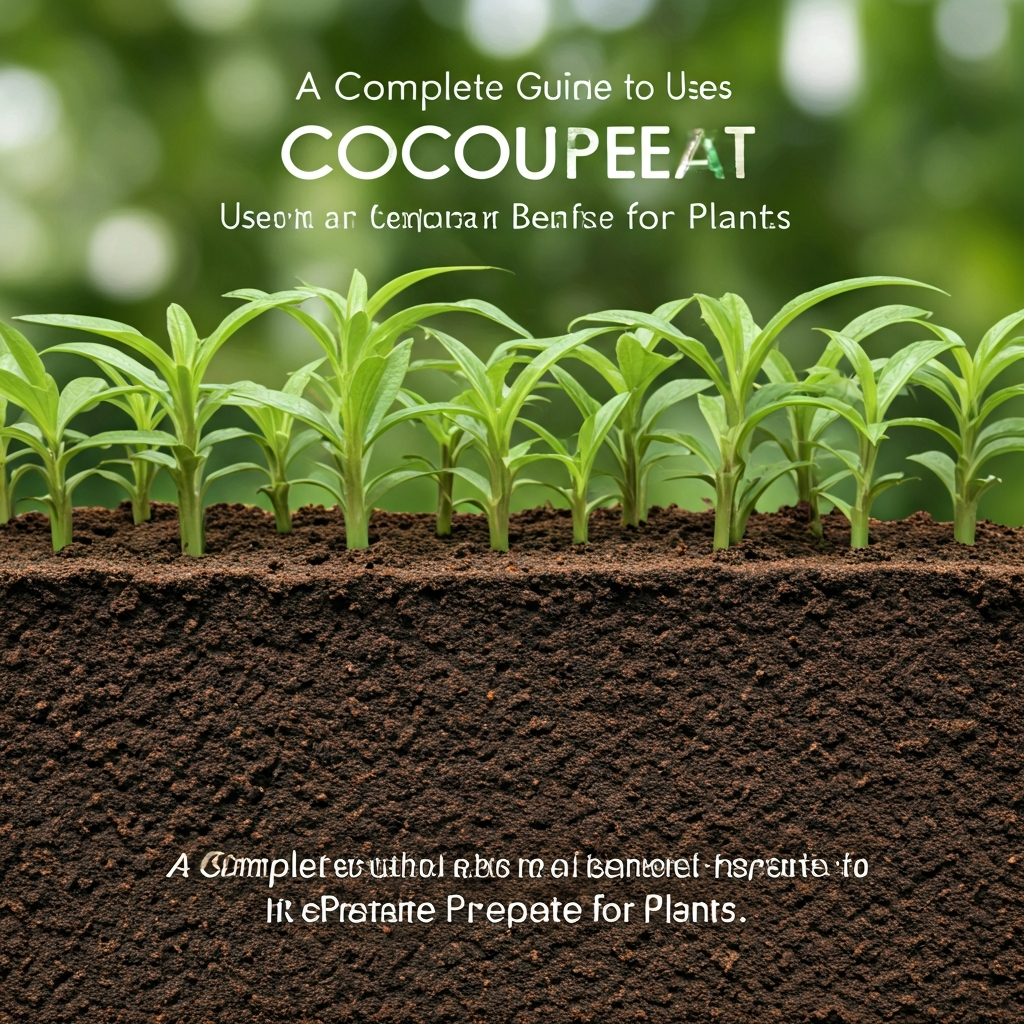
Cocopeat: A Complete Guide to Uses, Benefits, and How to Prepare It for Plants
椰糠 is the revolutionary, sustainable growing medium you need to unlock incredible plant growth in 2024. If you’ve struggled with compacted soil, poor drainage, or inconsistent watering, you’ve found the ultimate solution for a thriving garden.
This guide provides a comprehensive look at how this incredible coconut fiber byproduct works, its amazing benefits, and exactly how to prepare it. We will explore why gardeners and commercial growers alike are making the switch to this versatile and eco-friendly material.
What is Cocopeat? From Coconut Husk to Garden Gold
Cocopeat, also widely known as coco coir or coir pith, is a 100% natural fibrous material derived from coconut husks. For decades, it was considered an agricultural waste product. Today, it has become a premier soil-free growing medium for hydroponics, container gardening, and soil amendment due to its exceptional properties.
The process begins by separating the long fibers from the coconut husk (used for ropes and doormats). The remaining dusty, spongy material is the coir pith, which is washed, dried, and often compressed into blocks. This makes it a lightweight, easy-to-store product that expands significantly when water is added.
Furthermore, as a high-quality amendment, it stands alongside other valuable agricultural resources. For those seeking premium options, you can find top-tier 椰糠 that is pre-washed and buffered for optimal performance.

7 Unbeatable Benefits of Using Cocopeat for Plants
The advantages of incorporating this medium into your gardening are numerous. It addresses many common soil issues while promoting vigorous plant health. Here are the top seven reasons to make the switch.
- Incredible Water Retention: Coir pith can hold up to 10 times its weight in water, meaning your plants stay hydrated longer and you water less frequently. This reduces water waste and protects plants from drought stress.
- Superior Aeration and Drainage: Despite holding immense water, its fibrous structure creates air pockets, providing vital oxygen to plant roots. This prevents soil compaction and suffocating roots, a common cause of root rot.
- Neutral pH Level: With a pH range of 5.5 to 6.8, it is ideal for a wide variety of plants without needing lime or other adjusters. This stable pH ensures that nutrients are readily available to the plants.
- Sustainable & Eco-Friendly: It is a byproduct of the coconut industry and a fully renewable resource. This makes it an environmentally superior alternative to peat moss, the harvesting of which destroys vital peatland ecosystems, a topic highlighted by environmental agencies like the 美国环保署.
- Anti-Fungal Properties: This natural substrate contains compounds that encourage beneficial microbes like Trichoderma. This helps protect roots from fungal pathogens like Pythium and Phytophthora.
- Lightweight and Easy to Handle: Compressed bricks are small and light, making them easy to transport and store. Once expanded, the material is fluffy and manageable, unlike heavy bags of topsoil.
- Reusable for Several Seasons: Unlike soil that can become depleted or contaminated, this growing medium can be rinsed, re-buffered, and reused for 2-3 growing cycles, providing excellent long-term value.
Superior Water Management with Cocopeat
The unique cellular structure of 椰糠 acts like a sponge, locking in moisture and releasing it slowly to the plant’s roots as needed. This characteristic is especially valuable in hanging baskets, container gardens, and for water-loving plants, ensuring a consistent supply of hydration without waterlogging the root system.
Cocopeat vs. Traditional Soil: A Head-to-Head Comparison
Choosing a growing medium can be confusing. This table breaks down the key differences between cocopeat and standard garden soil to help you decide what’s best for your application.
| 特征 | 椰糠 | Traditional Garden Soil |
|---|---|---|
| 水分保留 | Excellent (Holds 8-10x its weight) | Variable, often poor or excessive |
| 通风 | High (Prevents root rot) | Can become easily compacted |
| pH值 | Near-neutral (5.5-6.8) | Varies widely by region/type |
| 营养素 | Inert (Requires added nutrients) | Contains organic matter and minerals |
| Pests/Diseases | Naturally resistant to many pests | Can harbor soil-borne diseases/pests |
| 可持续性 | 高(可再生副产品) | Low (Finite resource, erosion risk) |
| Weight | Very lightweight when dry | Heavy and dense |

How to Prepare Cocopeat Bricks: A Step-by-Step Guide
Preparing coir from a compressed brick is simple, but following these steps is crucial for success. Skipping steps, especially washing, can harm your plants.
- Step 1: Rehydration. Place your cocopeat brick in a large container, such as a wheelbarrow or a large storage tote. Add the amount of warm water recommended by the manufacturer (typically 3-4 gallons for a 5kg brick).
- Step 2: Expansion. Allow the brick to sit for 20-30 minutes. It will absorb the water and swell to 5-7 times its original volume. Break apart the brick with your hands or a small shovel to speed up the process.
- Step 3: Flushing (Washing). This is a critical step. Unwashed coir contains high levels of sodium and potassium, which can be toxic to plants. Fill the container with fresh water, stir the coir, and drain. Repeat this process 3-4 times until the runoff water is clear.
- Step 4: Buffering (Highly Recommended). Cocopeat has a high cation exchange capacity (CEC), which must be managed. To prevent it from stealing calcium and magnesium from your plants, it must be buffered. Soak the washed coir for 8-12 hours in a solution of calcium nitrate and magnesium sulfate (Cal-Mag), then rinse one last time. 科学研究 confirm the importance of this step.
- Step 5: It’s Ready to Use! Your fluffy, prepared cocopeat is now ready to be mixed into a potting blend or used as a standalone hydroponic medium.
正如 椰干粉 is processed for specific nutritional profiles in animal feed, cocopeat must be prepared to create the perfect horticultural environment.
How to Use Cocopeat for Optimal Growth
While this substrate can be used alone, it truly shines as the base for a custom potting mix. This section covers the best ways to use it for incredible results.

A Powerful Cocopeat Potting Mix Recipe
This recipe provides an excellent balance of moisture retention, drainage, and aeration for most container plants.
- 50% Cocopeat: The foundation for water retention and structure.
- 30% 珍珠岩或浮石: Creates air pockets for drainage and oxygen flow.
- 20% Compost or Worm Castings: Provides a slow-release source of essential organic nutrients.
Simply mix these components thoroughly. This blend is perfect for everything from house plants to patio vegetables. For larger agricultural operations, optimizing inputs is key, similar to how producers use materials like 棕榈仁压榨机 或者 棕榈仁壳 for maximum efficiency.
使用椰糠时应避免的常见错误
Avoid these common pitfalls to ensure your success with this fantastic medium:
- Forgetting to Wash and Flush: This is the most frequent cause of failure, leading to salt burn on plant roots.
- Skipping the Buffering Process: Not buffering with Cal-Mag will almost certainly cause calcium and magnesium deficiencies, appearing as yellowing leaves and stunted growth.
- Assuming it Contains Nutrients: Cocopeat is inert. You must provide all nutrients through fertilizers or by mixing it with compost.
- Overwatering: While it drains well, its high water-holding capacity means you need to check for moisture before watering again. Let the top inch or two dry out.
The Role of Cocopeat in Hydroponics
In hydroponic systems, 椰糠 offers the perfect balance of water retention and root aeration that is difficult to achieve with other media. It can be used in grow bags, Dutch buckets, or as a loose medium, providing a stable anchor for roots while allowing for precise control over nutrient delivery.

The Future is Green: Why Cocopeat is Essential for Modern Agriculture
As the world faces challenges with water scarcity and soil degradation, soilless growing media are becoming more critical. Cocopeat is at the forefront of this movement, championed by horticultural authorities like the 英国皇家园艺学会 for its sustainability.
It is the preferred medium for large-scale hydroponic farms growing tomatoes, cucumbers, and berries, as it provides a sterile, consistent, and water-efficient environment. Its use in vertical farms and urban gardening is also exploding, allowing food to be grown in compact spaces with minimal environmental impact.
Makmur Amanah Sejahtera 我们提供优质的棕榈产品,例如棕榈仁粕、棕榈仁壳、原棕榈油、棕榈仁油等。请联系我们。 WhatsApp +6282140002198 或发送电子邮件至 admin@makmuramanah.co.id.
Frequently Asked Questions about Cocopeat
椰糠对所有植物都适用吗?
Yes, almost all plants can benefit from cocopeat. It is particularly excellent for seed starting, succulents, and vegetables like tomatoes that require consistent moisture. Its neutral pH makes it a versatile base for any custom soil mix.
椰糠可以保存多久?
Cocopeat decomposes very slowly due to its high lignin content. In a potting mix, it can maintain its structure and water-holding capacity for 2 to 4 years before needing to be replaced, making it a very durable choice.
Can you reuse cocopeat?
Absolutely. After a growing season, remove the old root matter, flush the coir thoroughly with water to remove any built-up fertilizer salts, and re-buffer it with a Cal-Mag solution. This revitalizes it for another round of successful planting.
椰糠含有营养成分吗?
No, cocopeat is an inert medium, meaning it contains negligible amounts of nutrients. This gives you complete control over your plant’s nutrition. You must add nutrients via compost, worm castings, or a balanced liquid fertilizer.
Why do you need to wash cocopeat?
The coconut husks from which it is made are naturally high in salts like sodium and potassium. Washing, or “flushing,” the cocopeat is essential to rinse these excess salts away. If not removed, these salts can damage plant roots.
Conclusion: Your Best Garden Starts with Cocopeat
In summary, this medium offers an unparalleled combination of water retention, aeration, and sustainability that traditional soils cannot match. From its eco-friendly origins as a coconut byproduct to its versatile application in home gardens and large-scale agriculture, it provides a powerful foundation for healthy plants.
By following the proper preparation steps of hydrating, washing, and buffering, you can unlock its full potential. Ultimately, incorporating 椰糠 into your gardening practice is a game-changer for plant health, water conservation, and environmental responsibility, establishing it as a cornerstone of modern horticulture in 2024 and beyond.

 Chinese
  English
  Indonesian
  Arabic