
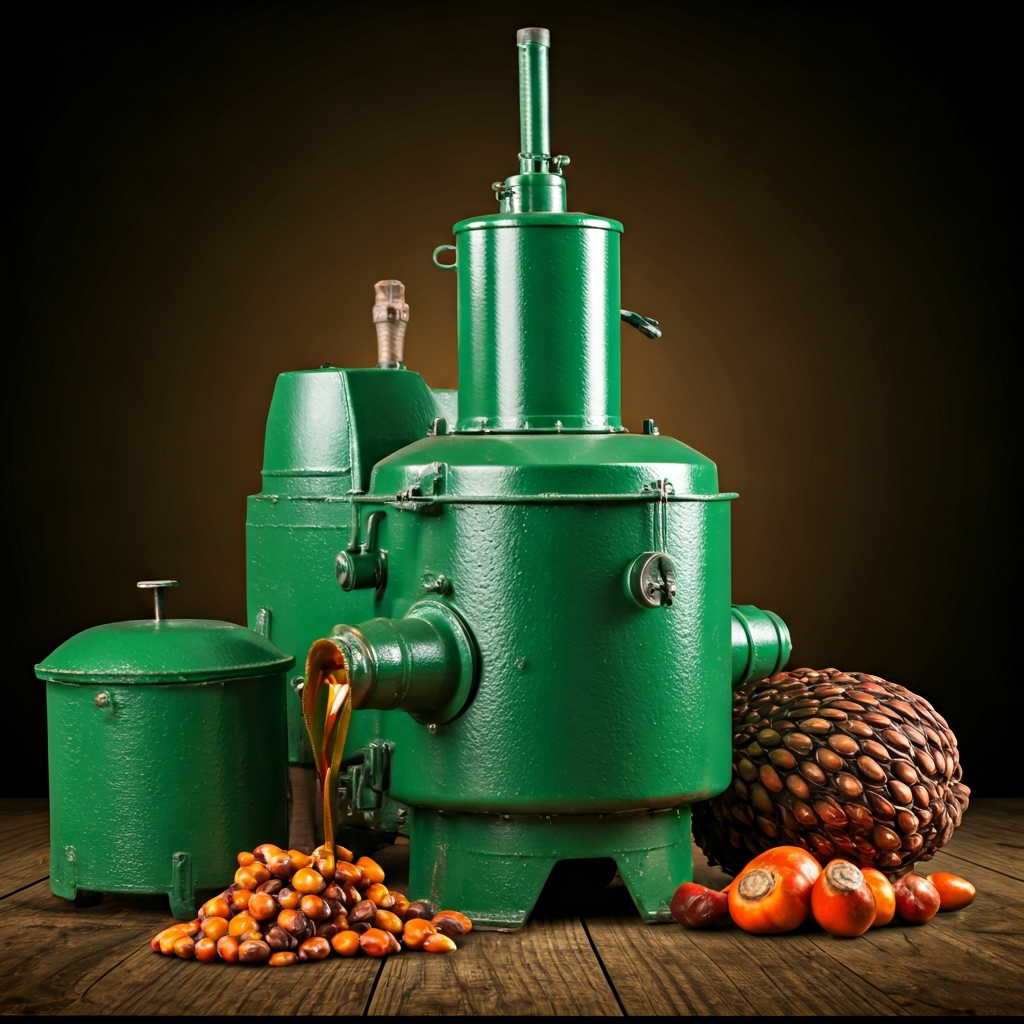
Palm Kernel Expeller: A Complete Guide to Boosting Livestock Performance
As global demand for cost-effective and high-nutrient animal feed soars, farmers are turning to sustainable alternatives that uphold quality and performance. Among the premier solutions is 棕榈仁压榨机 (PKE), a valuable agricultural co-product that offers a balanced profile of protein, energy, and fiber. This guide explores everything you need to know about using PKE to enhance your agricultural operations.
According to a 2023 study from the 动物科学杂志, incorporating alternative protein sources can reduce feed costs by up to 15% without impacting livestock growth rates. Palm Kernel Expeller exemplifies this, standing out as an invaluable asset for modern farming and a key product for suppliers like reputable PKE traders.
[Image: A close-up shot of light brown, coarse Palm Kernel Expeller pellets.]
Image Alt: A mound of Palm Kernel Expeller pellets, a key ingredient for animal feed.
Image Title: Palm Kernel Expeller Pellets
什么是棕榈仁压榨机(PKE)?
Palm Kernel Expeller is the protein-rich solid material left over after the mechanical extraction of oil from the kernel of the palm fruit (油棕). After the fruit is harvested and its oil extracted, the nut is cracked open to retrieve the kernel. This kernel is then crushed and pressed, yielding valuable palm kernel oil and the co-product known as PKE.
Often called Palm Kernel Cake (PKC), this ingredient is a highly palatable and nutritious feed, making it an excellent and affordable alternative to traditional grains like corn or soybean meal. Its gritty texture and high fiber content are especially beneficial for ruminant animals.
The Production Process: From Palm Fruit to Expeller
Understanding the PKE production journey highlights its natural quality, as the process is entirely mechanical and avoids harsh chemicals.
- Fruit Harvesting: Ripe palm fruit bunches are harvested and sent to the mill.
- 采油: The fleshy part of the fruit is pressed to get Crude Palm Oil.
- 坚果敲碎: The remaining nut is dried and cracked, separating the kernel from the shell. The 棕榈仁壳 is often sold as a high-quality biofuel.
- 籽粒破碎: The kernels are crushed and cooked to prepare them for pressing.
- 机械压制: An expeller screw press squeezes the crushed kernels to extract the oil.
- Final Product: The solid, nutrient-dense residue is the 棕榈仁压榨机. It is then cooled, dried, and often pelletized for easy transport and storage.
PKE vs. Palm Kernel Cake (PKC): What’s the Difference?
While the terms PKE and Palm Kernel Cake (PKC) are often used interchangeably, there is a slight technical difference. PKE specifically refers to residue from mechanical pressing. In contrast, PKC can sometimes refer to residue from solvent extraction, which results in a lower residual oil content.
In modern commercial trade, “Palm Kernel Expeller” is the standard term for the mechanically pressed product used in animal feed. For quality assurance, always confirm the extraction method with your supplier.
Nutritional Specifications of Palm Kernel Expeller
The primary value of Palm Kernel Expeller is its dense nutritional profile. It is prized as a “concentrate” feed, packing significant energy, protein, and fiber into a small volume, which makes it an efficient and economical choice for formulating balanced animal rations.
Macronutrient Breakdown (Protein, Fiber, Fat)
The composition of PKE can vary slightly based on the oil extraction efficiency, but it generally falls within a reliable range. As a leading supplier, we ensure our product meets the highest standards.
- 粗蛋白: Typically 14% to 18%. Essential for muscle development, milk production, and overall growth.
- 粗纤维: High in fiber, usually 16% to 20%. Particularly beneficial for ruminants as it supports healthy rumen function.
- 残油(脂肪): Contains a valuable 5% to 12% residual oil, providing a concentrated energy source.
- 代谢能(ME): Offers good energy density, typically around 10-12 MJ/kg, fueling animal productivity.
[Image: An infographic showing the step-by-step process of PKE production, from palm fruit to final expeller.]
Image Alt: Infographic detailing the production of Palm Kernel Expeller.
Image Title: How Palm Kernel Expeller is Made
Essential Minerals and Their Roles
Beyond macronutrients, PKE is a rich source of key minerals that play a critical role in bone formation, immune response, and overall health. Key minerals include:
- Phosphorus: Crucial for energy metabolism and skeletal development.
- Magnesium: Important for enzyme function and preventing grass tetany.
- Copper and Zinc: Essential for immune function, though supplementation may be needed in some rations.
Top 5 Benefits and Uses of Palm Kernel Expeller
The versatility of Palm Kernel Expeller makes it a sought-after commodity. While its primary role is in animal feed, its use as a renewable energy source is also growing rapidly.
1. A Cost-Effective Alternative to Traditional Feed
The most significant advantage of PKE is economic. It is consistently more affordable than soybean meal, corn, and other traditional protein sources. This allows farmers to lower production costs while maintaining high nutritional standards, directly improving their bottom line.
2. Enhancing Ruminant Health and Digestion
PKE is exceptionally well-suited for ruminants like cattle, sheep, and goats. As confirmed by extensive research, its gritty, fibrous nature stimulates cud-chewing and saliva production, which helps buffer rumen pH and prevent acidosis. A healthy rumen is the engine of a productive cow.
3. Boosting Dairy Cow Milk Production and Quality
For dairy cows, PKE has been shown to increase milk fat content—a key factor for milk pricing. The energy from residual oil fuels milk volume, while the fiber promotes the production of acetate in the rumen, a primary precursor for milk fat synthesis. This results in higher-quality milk with a better fat percentage.
[Image: A healthy dairy cow eating from a trough containing a mixed feed ration.]
Image Alt: Dairy cow enjoying a diet including Palm Kernel Expeller to boost milk quality.
Image Title: PKE in Dairy Cow Ration
4. A Versatile Supplement for Poultry, Swine, and Aquaculture
While its high fiber content can limit inclusion rates in monogastric animals (pigs and chickens), PKE is still a valuable ingredient at appropriate levels (5-15% of the ration). It provides cost-effective protein and energy, reducing reliance on more expensive meals. Furthermore, in aquaculture, PKE is a sustainable alternative to fishmeal for species like tilapia and catfish.
5. A Sustainable Biofuel for Clean Energy
Beyond animal nutrition, Palm Kernel Expeller is an excellent biomass fuel. Its high calorific value and low ash content make it an efficient and clean-burning alternative to coal. Alongside other co-products like 椰糠 blocks, it contributes to a circular economy and helps reduce carbon footprints.
[Video Embed: A short documentary showing the PKE production process and its use on a modern dairy farm.]
Video Title: From Palm to Pasture: The Palm Kernel Expeller Journey
Palm Kernel Expeller vs. Other Feeds: A Comparison
This table provides a clear comparison of 棕榈仁压榨机 with other common feed ingredients, highlighting its unique position as a balanced, high-fiber energy source.
| 养分 | 棕榈仁压榨机 | 豆粕 | 椰干粉 |
|---|---|---|---|
| 粗蛋白 | 14-18% | 44-48% | 20-24% |
| 粗纤维 | 16-20% | 3-7% | 10-14% |
| Metabolizable Energy (MJ/kg) | 10-12 | 12-13 | 11-13 |
Makmur Amanah Sejahtera 我们提供优质的棕榈产品,例如棕榈仁粕、棕榈仁壳、原棕榈油、棕榈仁油等。请联系我们。 WhatsApp +6282140002198 或发送电子邮件至 admin@makmuramanah.co.id.
常见问题解答 (FAQ)
What is the primary use of Palm Kernel Expeller?
The primary use of Palm Kernel Expeller is as a high-protein, high-fiber ingredient in animal feed, particularly for ruminants like cattle. Its balanced nutritional profile and affordability make it an excellent alternative to traditional grains, boosting both animal health and farm profitability.
棕榈仁粕对奶牛有益吗?
Yes, it is excellent for dairy cows. As noted in a FeedNavigator article, its high fiber content promotes healthy rumen function, and its energy from residual fat boosts milk production and milk fat content, which is crucial for dairy revenue.
What is the difference between PKE and PKS (Palm Kernel Shell)?
PKE (Palm Kernel Expeller) is the protein-rich feed ingredient left after oil is pressed from the kernel. In contrast, PKS (棕榈仁壳) is the hard, woody outer casing of the kernel itself. PKE is used for animal feed, while PKS is used as a biomass fuel.
How much protein is in Palm Kernel Expeller?
The crude protein content in Palm Kernel Expeller typically ranges from 14% to 18%. This makes it a valuable medium-protein ingredient for balancing livestock rations and supporting muscle growth and milk production. Always check the specific analysis from your supplier.
Are there any risks with using PKE in feed?
PKE is very safe when used correctly. The main consideration is its high fiber, which limits its inclusion rate in pig and poultry diets. It’s crucial to source PKE from reputable suppliers to ensure it is free from contamination and meets all quality standards for animal safety.
[Image: A comparison chart visualization showing the protein vs. fiber content of PKE, Soybean Meal, and Corn.]
Image Alt: Chart comparing Palm Kernel Expeller nutritional data against other feeds.
Image Title: Palm Kernel Expeller Nutritional Comparison
Conclusion: The Strategic Value of Palm Kernel Expeller
In conclusion, Palm Kernel Expeller has solidified its role as a cornerstone of the global feed and energy sectors. Its unique blend of affordability, high nutritional value, and sustainability makes it an indispensable tool for forward-thinking farmers, feed millers, and energy producers.
By understanding its benefits and applications, you can make informed decisions to optimize operations, lower costs, and enhance performance. Whether formulating a new feed ration or exploring renewable energy, 棕榈仁压榨机 offers a powerful, proven solution. For the highest quality product, ensure you partner with a trusted supplier.
 Chinese
  English
  Indonesian
  Arabic