
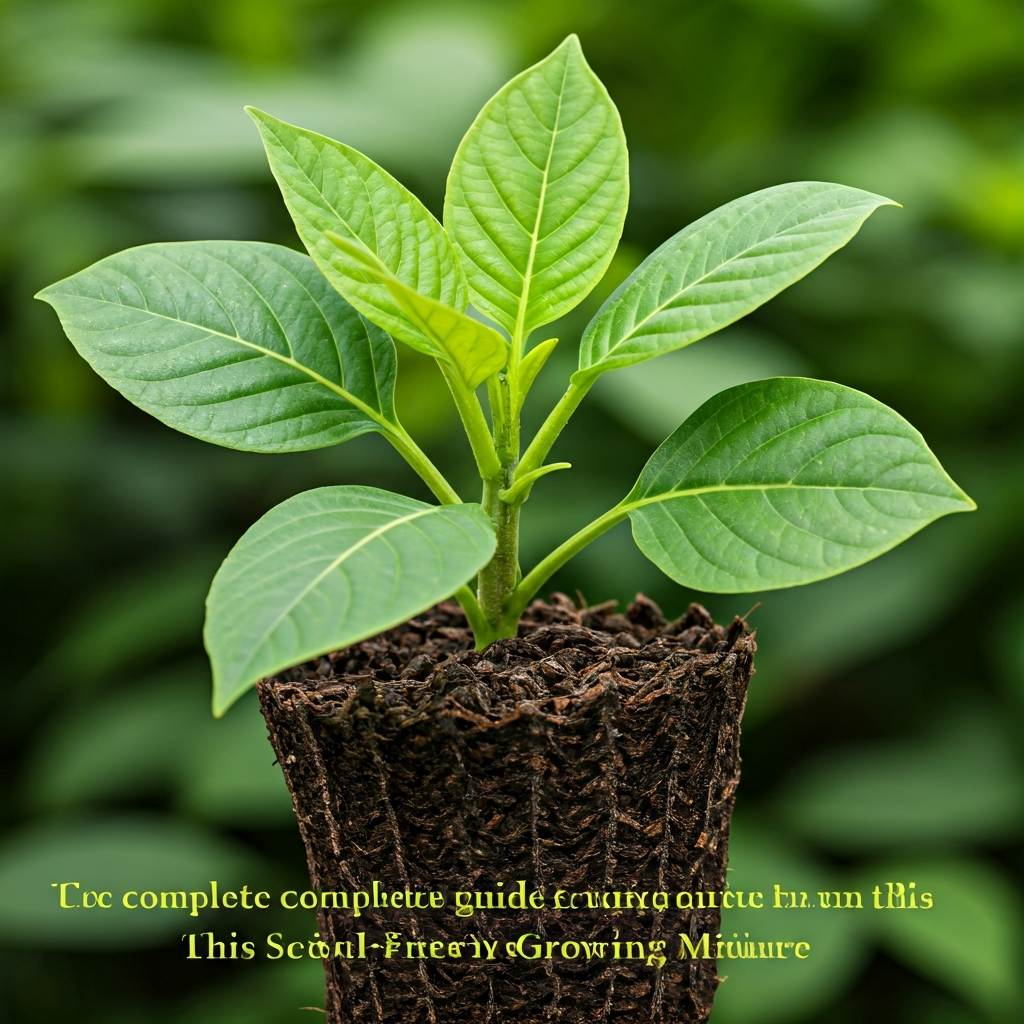
Cocopeat: The Ultimate Guide to Using This Soil-Free Growing Medium
椰糠 is revolutionizing gardens across the globe, but are you using it correctly? Many gardeners fail to unlock its full potential, leading to disappointing results. This definitive 2026 guide provides the framework for mastering this incredible soil-free growing medium and achieving unparalleled plant health.
What is Cocopeat and Why is it a Game-Changer?
Cocopeat is a 100% natural, soilless growing medium derived from the fibrous pith of coconut husks. Once considered a waste product, this versatile material is now celebrated by gardeners and commercial growers for its remarkable properties. It provides a sustainable, high-performance alternative to traditional soil and peat moss.
Essentially, this coir pith is the “secret ingredient” for healthier roots and more vibrant plants. As a sterile, pH-neutral medium, it offers a perfect blank slate for cultivation. When you purchase high-quality products like our 椰糠, you’re investing in a foundation for horticultural success. This focus on utilizing byproducts is a cornerstone of sustainable agriculture, which also yields valuable animal feed like 椰干粉 from coconut flesh.

From Coconut Husk to Growing Gold
The transformation from a tough coconut husk to a fine-grade growing medium is a multi-step process. First, manufacturers age and cure the husks for up to six months. Then, they are processed to separate the long fibers (coir) from the pith (the coco coir).
Crucially, the raw pith is washed thoroughly to remove excess salts, a common issue in coastal harvesting areas. It is then “buffered” with calcium nitrate to displace sodium and potassium. This step is non-negotiable for high-quality substrates, as it prevents nutrient lockout that can starve plants later. Finally, the medium is dried and compressed into blocks, bricks, or sold loose.
Cocopeat vs. Peat Moss: A Sustainability Showdown
For decades, peat moss was the standard for soil conditioning. However, its harvest is environmentally destructive. Peat bogs are vital carbon sinks, and their depletion releases massive amounts of CO2. According to the 联合国环境规划署, peatlands store twice as much carbon as all the world’s forests. Coconut coir, as a byproduct, offers a renewable and eco-friendly alternative.
| 特征 | 椰糠 | 泥炭藓 |
|---|---|---|
| 来源 | Renewable byproduct of coconut harvests | Mined from non-renewable peat bogs |
| pH值 | Near neutral (5.8-6.8) | Highly acidic (3.5-4.5) |
| 润湿性 | Hydrophilic (absorbs water easily) | Hydrophobic (resists re-wetting when dry) |
| Longevity | Breaks down slowly (up to 5 years) | Compacts and degrades faster |
| 环境影响 | Low, promotes waste utilization | High, destroys ecosystems and releases carbon |
The Science-Backed Benefits of Using Coco Coir
The advantages of coconut coir extend far beyond sustainability. Its physical and chemical properties create a superior environment for root development, a fact supported by numerous horticultural studies, including research in journals like the Turkish Journal of Agriculture and Forestry and reports from university extensions like University of Minnesota Extension.
- Exceptional Water Retention: It can hold up to 10 times its weight in water, reducing watering frequency and ensuring consistent moisture for plant roots.
- Optimal Aeration: Despite holding immense water, it remains light and airy. This provides essential oxygen to the root zone and prevents suffocation or rot.
- 中性pH值: Its stable pH range of 5.8 to 6.8 is ideal for a wide variety of plants, making it easier to control nutrient uptake without battling soil acidity.
- Disease & Pest Resistance: This sterile medium possesses natural anti-fungal properties, discouraging soil-borne diseases like Pythium and Phytophthora. Its texture is also unappealing to common pests like fungus gnats.
- 经济价值: For commercial growers, the ability to reuse the medium for multiple crop cycles presents significant cost savings over time.
How to Prepare Cocopeat: A 5-Step Guide
Unlocking the full potential of this medium requires proper preparation, especially when starting with a compressed brick. Following these steps ensures your plants get the best possible start.
- Expansion: Place your compressed brick in a large container (like a tub or wheelbarrow). Add the amount of warm water specified on the packaging. The brick will impressively expand to 5-7 times its original volume in about 15-30 minutes.
- Fluffing: Once fully expanded, break apart the medium with your hands or a small trowel. It should have a light, fluffy, and evenly moist consistency, like rich soil.
- Rinsing (Recommended): Even pre-washed coir can benefit from a final rinse. Add more water to the container, stir vigorously, and drain the dark, tea-colored excess water. This flushes out any remaining dust or potential salts.
- Buffering Check: For sensitive plants or hydroponics, ensure you have purchased “buffered” cocopeat. If not, you must buffer it yourself with a calcium-nitrate solution to prevent nutrient deficiencies down the line.
- Amendments: Pure coco coir contains very few nutrients. For container gardening, you must mix it with amendments to create a complete potting mix. More on that below!

Common Cocopeat Blends and Their Uses
While an excellent base, coco coir truly shines when blended with other elements to create a tailored growing mix. The ratio you choose depends entirely on what you plan to grow.
Think of it as creating a custom home for your plant’s roots. Some plants like it airy and fast-draining, while others prefer a bit more water retention. Here are three popular starter recipes:
- The All-Purpose Blend (60/40): Mix 60% coco coir with 40% perlite. This is a fantastic, well-draining, and airy mix suitable for a wide range of houseplants, herbs, and vegetables in containers.
- The Moisture-Lover’s Mix (60/30/10): Blend 60% coco coir, 30% compost, and 10% perlite. This mix holds more moisture and provides slow-release nutrients, making it ideal for leafy greens, ferns, and tropical plants.
- The Seed-Starting Mix (80/20): Combine 80% fine-grade coco coir with 20% vermiculite. This creates a light, moisture-retentive, and sterile environment perfect for germinating seeds and rooting cuttings.
Advanced Applications for Your Coir Mix
Beyond being a simple peat replacement, this substrate excels in specialized applications where control and consistency are paramount. Its unique properties are leveraged across various sectors of modern agriculture and horticulture.
Furthermore, its use is part of a larger trend in agriculture to find value in every part of a harvest. Byproducts are increasingly used in innovative ways, from creating biofuel with 棕榈仁壳 to producing high-energy animal feeds like 棕榈仁压榨机, all of which reduce waste and create economic value.
The Ultimate Medium for Hydroponics
In hydroponic systems, coco coir is a star performer. It provides the perfect physical support for roots while offering complete control over the nutrient solution. Its excellent water-holding capacity acts as a buffer, protecting plants from pump failure or drying out between flood cycles. Many large-scale commercial farms, as noted by agricultural experts at publications like Agri Farming India, rely on it for this very reason.
Perfect for Seed Starting and Propagation
The fine, sterile nature of coir pith makes it the ideal medium for germinating seeds. It holds consistent moisture around the seed, and its loose structure allows delicate new roots to grow without resistance. For cuttings, it provides the perfect balance of air and water to encourage rapid root development.
Watch: How to Rehydrate and Prepare a Cocopeat Brick in Under 2 Minutes
[Video: A fast-motion video showing a compressed cocopeat brick being placed in a tub, water added, and the brick expanding and being fluffed up, ready for use.]
Avoiding Common Cocopeat Mistakes (2026 Update)
While an amazing medium, it’s not foolproof. Many common issues can be traced back to a few key misunderstandings. As an expert with over 15 years of experience, I see gardeners making the same preventable errors.
- Forgetting Nutrients: Remember, the substrate is inert. You MUST provide 100% of the plant’s nutrition via fertilizers or amendments. A plant in pure, unamended coir will quickly yellow and fail.
- Overwatering: Because it holds water so well, it’s easy to overdo it. Always check the moisture level an inch or two below the surface before watering again. The top may look dry while the root zone is still saturated.
- Using Low-Quality Product: The most critical mistake is using cheap, salty, unbuffered coco coir. This leads to a chemical reaction where the coir binds with calcium and magnesium, making them unavailable to your plants and causing severe deficiencies, visible as leaf yellowing and stunted growth. Always buy from a reputable source.

Makmur Amanah Sejahtera 我们提供优质的棕榈产品,例如棕榈仁粕、棕榈仁壳、原棕榈油、棕榈仁油等。请联系我们。 WhatsApp +6282140002198 或发送电子邮件至 admin@makmuramanah.co.id.
常见问题解答
Is cocopeat better than soil?
For container gardening and hydroponics, it is often superior to soil because it provides better aeration, moisture control, and is free from pests and diseases. For in-ground gardens, it serves as an excellent amendment to improve the structure of heavy clay or sandy soil.
椰糠可以保存多久?
Coir pith breaks down very slowly due to its high lignin content. In a potting mix, it can maintain its structure and be effective for up to five years, making it a very economical choice compared to other organic mediums that decompose and compact quickly.
Do I need to add fertilizer to cocopeat?
Yes, absolutely. It is an inert medium with no significant nutritional value. You must incorporate a balanced fertilizer, compost, or other nutrient sources for your plants to thrive. Think of it as a blank canvas for you to provide customized nutrition.
Can you reuse cocopeat?
Yes, this medium can be reused 2-3 times. After a crop cycle, remove the old root ball and flush the medium thoroughly with water to remove any built-up fertilizer salts. For safety, it’s best to reuse it for the same type of plant to avoid cross-contamination.
Conclusion: Your Partner in Modern Gardening
In conclusion, switching to a high-quality, properly prepared growing medium is one of the most impactful changes a gardener can make. It offers a sustainable, reliable, and high-performance foundation for everything from container vegetables to hydroponic fruits and vibrant ornamentals.
As we move forward in 2026, sustainable choices matter more than ever. By understanding its properties and avoiding common pitfalls, you can harness its full power. By embracing this renewable resource, you’re not just choosing a better growing medium; you’re casting a vote for a healthier planet. Make the switch and watch your garden thrive with 椰糠.

 Chinese
  English
  Indonesian
  Arabic