
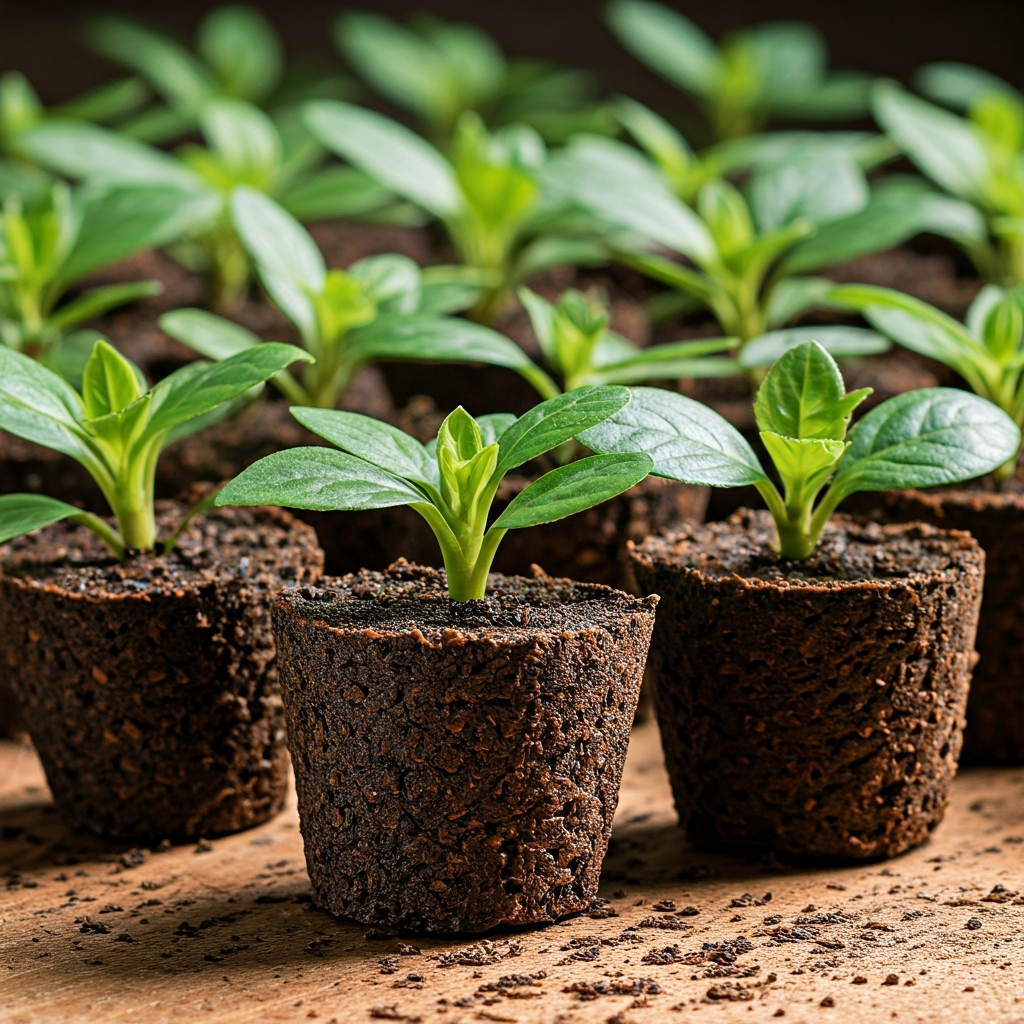
Cocopeat: Your Complete Guide to Uses, Benefits & How to Prepare It Correctly
The secret to a thriving garden isn’t in the soil—it’s in the husk. Using 椰糠 is one of the most effective changes you can make for healthier plants, incredible water savings, and more sustainable gardening. If you’ve struggled with compacted soil, overwatering, or weak root development, you’ve found the definitive solution.
For years, gardeners and commercial growers have sought the perfect growing medium. The challenge is finding a material that retains moisture without becoming waterlogged, provides excellent aeration for roots to breathe, and is environmentally sustainable. Research from the 农学杂志 confirms that soilless substrates like coco coir are critical in modern horticulture, consistently overcoming the limitations of traditional soils. This guide will walk you through everything you need to know to master this amazing resource.

What is Cocopeat and Why is It a Game-Changer?
Cocopeat is a 100% natural, soilless growing medium made from the pith found between the fibrous outer husk and the hard inner shell of a coconut. Also known as ‘coco coir’ or ‘coir pith,’ this material was once a discarded byproduct of the coconut industry. Today, it’s celebrated as a superior alternative to traditional peat moss, offering remarkable benefits for gardeners, hydroponic growers, and commercial farmers alike.
From Coconut Husk to Garden Gold: The Production Process
The journey of coco coir begins with the coconut harvest. After the valuable parts are removed, the husks are collected and aged for several months, allowing the material to break down and stabilize.
Next, the husks are processed to separate the long fibers from the pithy dust that makes up cocopeat. This raw coir is then washed to remove natural salts, dried, and compressed into blocks. High-quality manufacturers also “buffer” the cocopeat—a crucial step we’ll cover later—to ensure it’s ready for optimal plant growth.
The 3 Types of Coco Coir: Pith, Fiber, and Chips
Not all coco coir is the same. It is generally processed into three distinct types, each with unique properties:
- Coco Pith (Cocopeat): This is the most common type, resembling peat moss. It has excellent water absorption and is the foundation of most coco-based potting mixes.
- 椰纤维: These long fibers don’t hold water well but create large air pockets within the medium, improving aeration and preventing compaction.
- 椰子片: These are small chunks of coir that act like a combination of pith and fiber, retaining water while also creating significant air gaps.
The Undeniable Benefits of Using Cocopeat (Backed by Science)
The advantages of switching to a cocopeat-based medium are significant and well-documented. It consistently outperforms traditional soil in several key areas, leading to more resilient and productive plants.
1. Superior Water Retention: Use Up to 50% Less Water
This substrate can hold up to 10 times its weight in water, acting like a sponge at the root level. This means less frequent watering and significant water savings. The moisture is released slowly to the plants as they need it, preventing both drought stress and overwatering.
2. Perfect Aeration for Explosive Root Growth
Unlike garden soil that compacts over time, cocopeat remains light and airy. Even when saturated, it maintains an optimal air-to-water ratio, providing essential oxygen to the root system. This superior aeration prevents root rot and encourages the development of a robust, fibrous root network—the foundation of a healthy plant.
3. Neutral pH and Anti-Fungal Properties
Most cocopeat has a naturally neutral pH (5.5 to 6.8), an ideal range for nutrient uptake in most plants. It also contains natural antifungal properties, helping suppress common soil-borne diseases. For a deeper dive into its characteristics, the Wikipedia page on Coir 这是一个极好的资源。.

How to Prepare Cocopeat Correctly: A 5-Step Guide to Avoid Failure
Properly preparing your coco coir is the most critical factor for success. Unprepared coir can contain high levels of sodium which can harm your plants. Following these steps is non-negotiable.
- Choose a High-Quality Block: Start with a reputable brand. Low-quality bricks may have excess salts and have not been properly aged. Look for products labeled for horticultural use.
- Rinse The Material: Place the block in a large tub and add fresh water. As it expands, break it apart and continue rinsing until the water runs clear. This flushes out any remaining dust and initial salts.
- Buffer The Cocopeat (The Most Crucial Step!): This is the secret professional growers use. Buffering involves soaking the rinsed coir in a calcium-nitrate solution (1.5 grams per liter of water) for 8-12 hours. This process uses calcium to displace sodium, preventing nutrient lockout later.
- Perform a Final Rinse: After buffering, drain the solution and give the coir one final, thorough rinse with fresh water. This removes the excess calcium and displaced salts, leaving you with a perfectly inert growing medium.
- Amend Your Mix: Your prepared coir is now a blank slate. For most applications, a 70% cocopeat to 30% perlite ratio is ideal. You can also add compost or, for chunkier aeration, small amounts of 棕榈仁壳. Some specialized agricultural mixes integrate other organic materials like 椰干粉 for added value.
Cocopeat vs. Traditional Growing Mediums: A Head-to-Head Comparison
How does coco coir truly stack up against peat moss and potting soil? This table breaks down the key differences. As noted by leading publications like Gardener’s World, the shift away from peat is a major environmental win.
| 特征 | 椰糠 | 泥炭藓 | Standard Potting Soil |
|---|---|---|---|
| 可持续性 | 高(可再生副产品) | Low (Harvested from bogs) | 多变的 |
| 水分保留 | 出色的 | 非常高 | Good to Poor |
| Rewetting | Easy (Hydrophilic) | Difficult when dry (Hydrophobic) | 多变的 |
| pH值 | Neutral (5.5 – 6.8) | Acidic (3.5 – 4.5) | Often pH-adjusted |
| Lifespan / Reusability | High (Up to 4 years) | Breaks down faster | Compacts; not ideal for reuse |
Advanced Applications for Your Prepared Cocopeat
Once you’ve mastered the basics, you can leverage this versatile medium in several advanced ways. According to studies from university extensions like 宾夕法尼亚州立大学推广部, mastering the substrate is key to successful soilless cultivation.
The Secret to Success in Hydroponics
For hydroponic systems, buffered 椰糠 is a top-tier medium. Its inert nature means you have complete control over the nutrient solution. It provides physical support while ensuring the root zone gets a perfect balance of water, nutrients, and oxygen. Some advanced nutrient lines even incorporate specialized supplements like 棕榈油脂肪酸钙盐 to optimize plant health.
Creating the Ultimate Seed Starting Mix
The fine texture of coco coir makes it an unparalleled medium for starting seeds. It holds moisture evenly, preventing seeds from drying out, while its aeration prevents “damping-off” disease. A mix of 80% coir and 20% perlite provides the perfect environment for rapid germination.
As a Soil Amendment for Clay or Sandy Soils
Don’t throw away your native soil—improve it. Amending heavy clay soil with this substrate improves its structure and drainage. In sandy soil, it dramatically increases water and nutrient retention. Just a 25% mix of cocopeat into your garden beds can yield incredible improvements.

Common Mistakes to Avoid When Using Coco Coir
While powerful, this medium is not foolproof. Avoiding these common errors will ensure your plants thrive.
- Failing to Buffer: This is the #1 mistake. Unbuffered coir will lock out Calcium and Magnesium, leading to stunted growth.
- Using the Wrong Nutrients: Because the substrate is inert, you must provide all nutrition. Use a high-quality, coco-specific nutrient line.
- Over-Compressing the Medium: When potting, do not pack the coir down. Its value comes from its light, airy structure.
- Letting it Dry Out Completely: While it re-wets easily, allowing it to become bone-dry can stress your plants. Aim to keep it consistently moist.
Makmur Amanah Sejahtera 提供高质量的棕榈产品,例如: 棕榈仁压榨机, Palm Kernel Shell, Crude Palm Oil, Palm Kernel Oil, etc. Kindly contact us at WhatsApp +6282140002198 或发送电子邮件至 admin@makmuramanah.co.id.
Frequently Asked Questions about Cocopeat
1. Is cocopeat better than soil for all plants?
For container gardening and hydroponics, it is often superior due to its excellent water retention, aeration, and neutral pH. For in-ground gardening, it’s best used as a soil amendment to improve the structure of existing clay or sandy soil.
2. Can you reuse cocopeat?
Absolutely. It is durable and can be reused for 2-3 growing cycles. To reuse it, simply remove the old root mass, rinse it thoroughly to flush out old nutrients and salt buildup, and then re-buffer it with a Cal-Mag solution before planting again.
3. Do I need to add fertilizers to cocopeat?
Yes. Buffered coco coir is an inert medium with no nutritional value. You must provide all necessary plant food through a complete liquid fertilizer, ideally one formulated specifically for this medium to provide extra calcium and magnesium.
4. How do you know when to water plants in cocopeat?
The top layer can look dry while the root zone is still moist. The best method is to judge by weight. Lift the pot to feel its weight. After a few waterings, you’ll get a feel for a “heavy” (watered) pot versus a “light” (needs water) pot.
5. What is the difference between cocopeat and peat moss?
The main differences are sustainability and pH. Cocopeat is a renewable byproduct with a neutral pH. Peat moss is a non-renewable resource harvested from ancient peat bogs, and it is naturally acidic, requiring lime to be added for most plants.

Conclusion: Embrace the Future of Gardening
In modern horticulture, cocopeat has established itself as an indispensable tool for achieving superior results. From its incredible water-holding capacity and perfect aeration to its sustainability, it solves many core challenges faced by gardeners. By understanding its properties and, most importantly, following the correct preparation steps of rinsing and buffering, you unlock the full potential of this amazing medium. Your journey to a better garden begins with a single, compressed brick of cocopeat.
 Chinese
  English
  Indonesian
  Arabic