
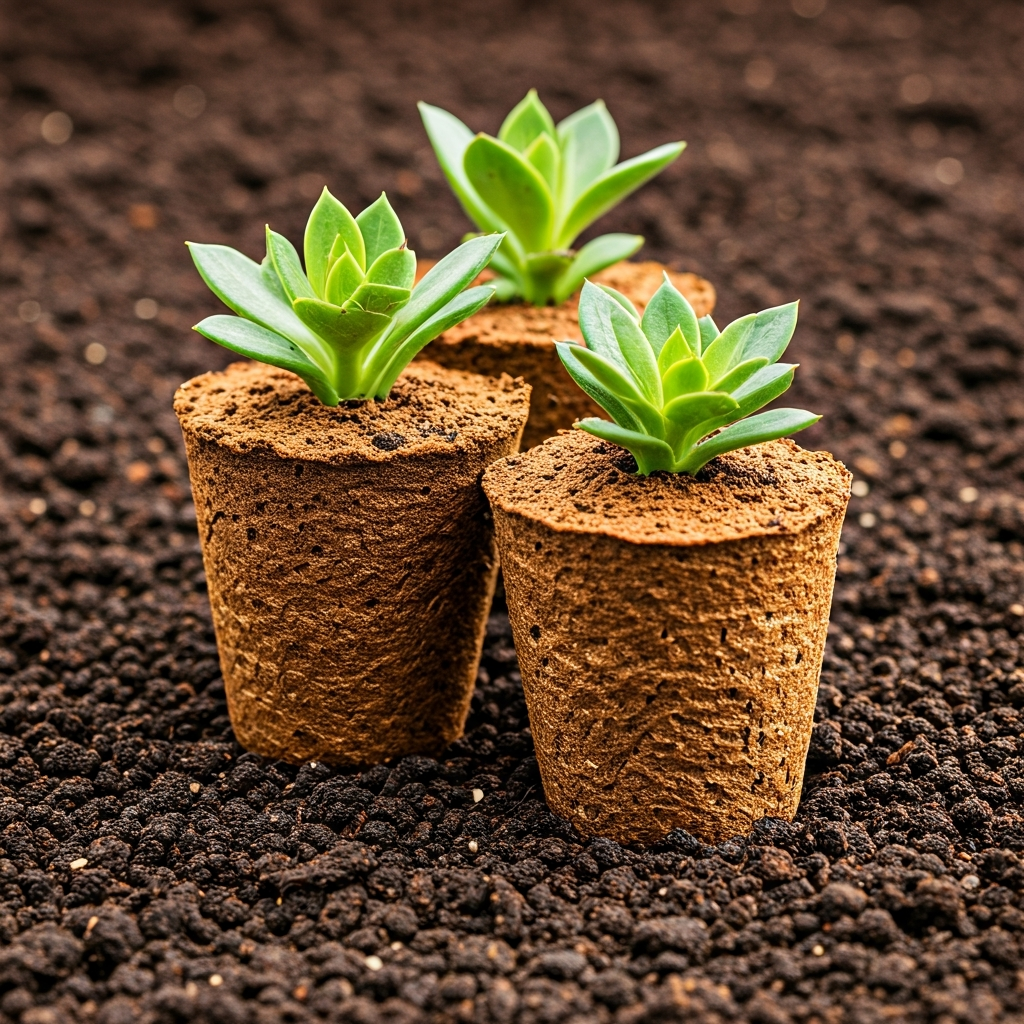
Cocopeat vs. Soil: The Ultimate Guide to What’s Best for Your Plants
这 Cocopeat vs. Soil debate is a critical one for any gardener aiming for optimal plant health in 2026. Choosing the wrong growing medium can lead to stunted growth and frustration, while the right choice can unlock your plants’ full potential. This comprehensive guide will definitively answer the Cocopeat vs. Soil question for your specific gardening needs, ensuring success from seed to harvest.
As urbanization increases and garden spaces shrink, soilless mediums have surged in popularity. According to recent horticultural studies, the global market for growing media like cocopeat is projected to grow by over 6% annually. This highlights a significant shift in how we approach cultivation. But does this trend mean traditional soil is obsolete? This article breaks down the science, benefits, and ideal use cases to settle the Cocopeat vs. Soil debate for your garden.
What is Cocopeat? The Sustainable Soil Alternative
Cocopeat, also known as coir or coco coir, is a 100% natural growing medium made from the fibrous husk of a coconut. Once considered an agricultural waste product, it has transformed into a prized resource for gardeners and commercial growers worldwide for its unique properties and environmental benefits.
The Three Forms of Cocopeat
Cocopeat is not a one-size-fits-all product. It’s processed into three main types, each with a specific function:
- Cocopeat Pith/Dust: This has a fine, soil-like texture. It’s excellent at retaining water, holding up to 10 times its weight, making it a fantastic amendment to improve moisture levels in sandy soils.
- Cocopeat Fiber: These long, stringy fibers improve aeration and drainage. Mixing them into dense, clay-like soil prevents compaction and allows plant roots to breathe and expand easily.
- Cocopeat Chips: These chunky pieces create large air pockets within the growing medium, providing optimal oxygen flow to the root zone, similar to perlite or clay pebbles. They are often used in orchid and anthurium mixes.
Often, you’ll find products like high-quality 椰糠 that blend these forms to create a balanced, all-purpose growing medium.
What is Traditional Garden Soil?
Traditional soil is the complex, living ecosystem that has supported plant life for millennia. It’s a mixture of minerals, organic matter, water, air, and countless living organisms that work in synergy.
The Components of Healthy Soil
Understanding soil composition is key to the Cocopeat vs. Soil discussion. As defined by agricultural extensions like the University of Minnesota Extension, healthy topsoil is typically composed of:
- 矿物质: Sand, silt, and clay particles determine the soil’s texture and structure.
- Organic Matter: Decomposed plants and animals (humus) provide essential nutrients and improve soil structure. Agricultural byproducts like 椰干粉 show how processed organic materials can be concentrated sources of nutrients.
- Living Organisms: A vast web of bacteria, fungi, worms, and insects that cycle nutrients and aerate the soil.
- Pore Spaces: The gaps between soil particles that hold air and water.
The Limitations of Using Only Garden Soil
While natural, garden soil can be problematic, especially for container gardening. It is often heavy, prone to compaction, and can harbor pests, diseases, and weed seeds. Its nutrient content and pH can also be inconsistent, requiring regular testing and amendments.
These potential issues are a primary driver for gardeners exploring the Cocopeat vs. Soil equation, searching for a more controlled and predictable growing medium.

Cocopeat vs. Soil: A Head-to-Head Comparison
To make an informed decision, a direct comparison is essential. This table breaks down the fundamental differences in the Cocopeat vs. Soil matchup.
| 特征 | 椰糠 | Soil |
|---|---|---|
| 水分保留 | Extremely High (Holds 8-10x its weight) | Variable (Depends on clay/sand content) |
| 通风 | Excellent, prevents root rot | Can become compacted, reducing air flow |
| 营养成分 | Inert (Contains very few nutrients) | Contains macro and micronutrients |
| pH值 | Neutral to slightly acidic (5.5-6.8) | Highly variable by region and composition |
| Pests & Diseases | Sterile and pathogen-free | Can contain soil-borne pests, fungi, and bacteria |
| 可持续性 | Highly sustainable, renewable byproduct | Topsoil is a finite resource; peat mining is destructive |
| 可重复使用性 | Can be reused for 2-3 growing cycles | Can be amended and reused indefinitely |
| Initial Cost | Higher upfront cost (purchased product) | Low to free (if using native garden soil) |
Cocopeat vs. Soil: The Case for Cocopeat
In the Cocopeat vs. Soil analysis, cocopeat emerges as a superior choice in several key areas. Its rise as a viable alternative to peat moss—a traditionally popular but environmentally damaging medium—is a major factor. The IUCN highlights the critical role of peatlands in carbon sequestration, making sustainable alternatives like cocopeat essential.
Superior Water Retention
The sponge-like structure of cocopeat pith means less frequent watering. The medium acts as a reservoir, releasing water slowly to the plant’s roots as needed. This not only saves water but also protects plants from the stress of drying out too quickly.
Excellent Aeration and Root Development
Even when fully saturated, cocopeat maintains excellent aeration. The space between its particles ensures that roots have access to oxygen, which is vital for nutrient uptake and preventing root rot. This makes the Cocopeat vs. Soil choice clear for sensitive plants like orchids.
A Sterile and Pest-Free Medium
Starting with a clean slate is a huge advantage. Cocopeat is naturally anti-fungal and is processed to be free of bacteria, weed seeds, and soil-borne pests. This is especially crucial for seed starting and hydroponics, where contamination can ruin a crop. Many other agricultural byproducts like 棕榈仁壳 also offer sterile benefits for various industrial uses.

Cocopeat vs. Soil: The Case for Traditional Soil
While cocopeat has impressive technical specs, soil possesses a living complexity that cannot be manufactured. For in-ground gardens, the Cocopeat vs. Soil equation often favors this natural, holistic choice.
Naturally Nutrient-Rich
The biggest advantage of soil is its inherent fertility. It contains a buffet of essential macronutrients (Nitrogen, Phosphorus, Potassium) and micronutrients that it slowly releases to plants. This is a major point of difference in the Cocopeat vs. Soil comparison.
Beneficial Microbial Ecosystem
A healthy soil is teeming with life. This “soil food web” actively suppresses diseases, breaks down organic matter into usable nutrients, and improves soil structure. This living component is something you must manually add to an inert medium like cocopeat through compost or specific inoculants. Amending with nutrient-rich organic materials, such as 棕榈仁压榨机, can also help introduce valuable nutrients into a sterile medium.
Cocopeat vs. Soil: Which is Better for Your Plants?
The best choice in the Cocopeat vs. Soil dilemma depends entirely on your application. There is no single winner; the winner is the gardener who knows when to use which medium.
For Seed Starting and Hydroponics
Winner: Cocopeat. Its sterile nature, excellent aeration, and moisture control provide the perfect environment for delicate seedlings to germinate without the risk of “damping off” disease. Research published in journals like ResearchGate has repeatedly validated its effectiveness for producing healthy transplants.
For Container Gardening and Potted Plants
Winner: A Mix. This is where the magic happens. Pure soil compacts in pots, and pure cocopeat lacks nutrients. The ideal solution is a blend. This approach moves beyond a simple Cocopeat vs. Soil choice and creates a superior custom medium.
The Cocopeat vs. Soil Hybrid: Can You Mix Them?
Yes, and you absolutely should! For raised beds and amending garden plots, mixing cocopeat into your native soil is a game-changer.
- 为了 heavy clay soil, cocopeat improves drainage and aeration.
- 为了 sandy soil, cocopeat dramatically improves water and nutrient retention.
This hybrid approach gives you the best of both worlds. The question isn’t just about choosing one, but how 椰糠 can work together with soil.
Ideal Ratios for Blending Cocopeat and Soil
While recipes vary, here are some excellent starting points for your Cocopeat vs. Soil blend:
- General Potting Mix: 1 part cocopeat, 1 part compost/worm castings, 1 part perlite/vermiculite. This is a classic, all-purpose recipe.
- 育苗混合物: 2 parts cocopeat, 1 part perlite, 1 part vermiculite. This is light, airy, and holds just the right amount of moisture.
- Amending Clay Soil: Incorporate 4-6 inches of cocopeat into the top 12 inches of your garden bed to permanently improve its structure.
- Amending Sandy Soil: Mix 1 part cocopeat with 2 parts native sandy soil to boost water and nutrient retention.

Makmur Amanah Sejahtera 我们提供优质的棕榈产品,例如棕榈仁粕、棕榈仁壳、原棕榈油、棕榈仁油等。请联系我们。 WhatsApp +6282140002198 或发送电子邮件至 admin@makmuramanah.co.id.
常见问题解答 (FAQ)
Let’s answer some common questions in the Cocopeat vs. Soil debate to help clarify your decision.
What are the main disadvantages of cocopeat?
The primary disadvantages are its lack of nutrients, requiring you to add fertilizer from the start, and its potential to contain high salt levels if not properly washed. Always choose a high-quality, low-EC (electrical conductivity) buffered cocopeat.
Is cocopeat better than soil for tomatoes?
For starting tomato seeds, cocopeat is superior due to its sterile properties. For growing mature plants in containers, a 50/50 mix of cocopeat and rich compost or soil is ideal, providing both moisture retention and the heavy feeding tomatoes require.
椰糠可以保存多久?
Cocopeat breaks down very slowly. It typically remains effective as a growing medium for two to three years before its structure begins to degrade. It can then be composted or used as a soil amendment in the garden.
Can I use 100% cocopeat for my plants?
You can, but it is not recommended for most plants due to its lack of nutrients. If you use 100% cocopeat, you must implement a regular feeding schedule with a balanced liquid fertilizer right from the beginning of the growth cycle.
What is buffered cocopeat and do I need it?
Buffering is a process that treats cocopeat with a calcium solution to displace sodium salts. This prevents “nutrient lockout” where the cocopeat holds onto calcium and magnesium, making them unavailable to your plants. For nutrient-sensitive plants, using buffered cocopeat is highly recommended.
Is cocopeat a good alternative to peat moss?
Yes, it is considered the leading sustainable alternative. As noted by organizations like the 英国皇家园艺学会, using cocopeat helps preserve vital peat bog ecosystems, which are crucial for biodiversity and carbon storage.
视频推荐: A step-by-step guide on how to properly hydrate a cocopeat brick and mix it with soil for the perfect potting medium. This visual aid would perfectly complement the “Ideal Ratios” section.
Conclusion: The Final Verdict in 2026
The Cocopeat vs. Soil discussion isn’t about declaring one universally superior. It’s about understanding their unique strengths and using them strategically. Cocopeat is an engineering marvel—a sterile, water-retentive, and sustainable medium perfect for hydroponics, seed starting, and improving soil structure. Soil is a living, nutrient-dense ecosystem that provides natural fertility and microbial benefits.
For the modern gardener in 2026, the most powerful approach is not to choose one over the other, but to blend them. By combining the structure of cocopeat with the life of soil and compost, you create a super-medium that fosters the healthiest, most resilient plants. Ultimately, mastering the nuances of the Cocopeat vs. Soil relationship is what separates good gardeners from great ones.

 Chinese
  English
  Indonesian
  Arabic