
Cocopeat: Your Ultimate Guide & 7 Key Benefits (2026)
椰糠 is one of the most revolutionary and sustainable growing mediums available to gardeners in 2026. If you have ever struggled with poor soil drainage, waterlogged roots, or the environmental guilt of using peat moss, then you have found the solution. This guide provides everything you need to know about this incredible material.
For decades, gardeners relied on peat moss, but its harvest from fragile bog ecosystems is highly unsustainable. As the world seeks greener alternatives, the demand for effective, renewable resources has skyrocketed. Enter coco coir, a byproduct of the coconut industry once discarded as waste. According to data from the Food and Agriculture Organization, over 60 million tons of coconuts are produced annually, providing a vast and steady supply of this gardening gold.
What is Cocopeat, Really?
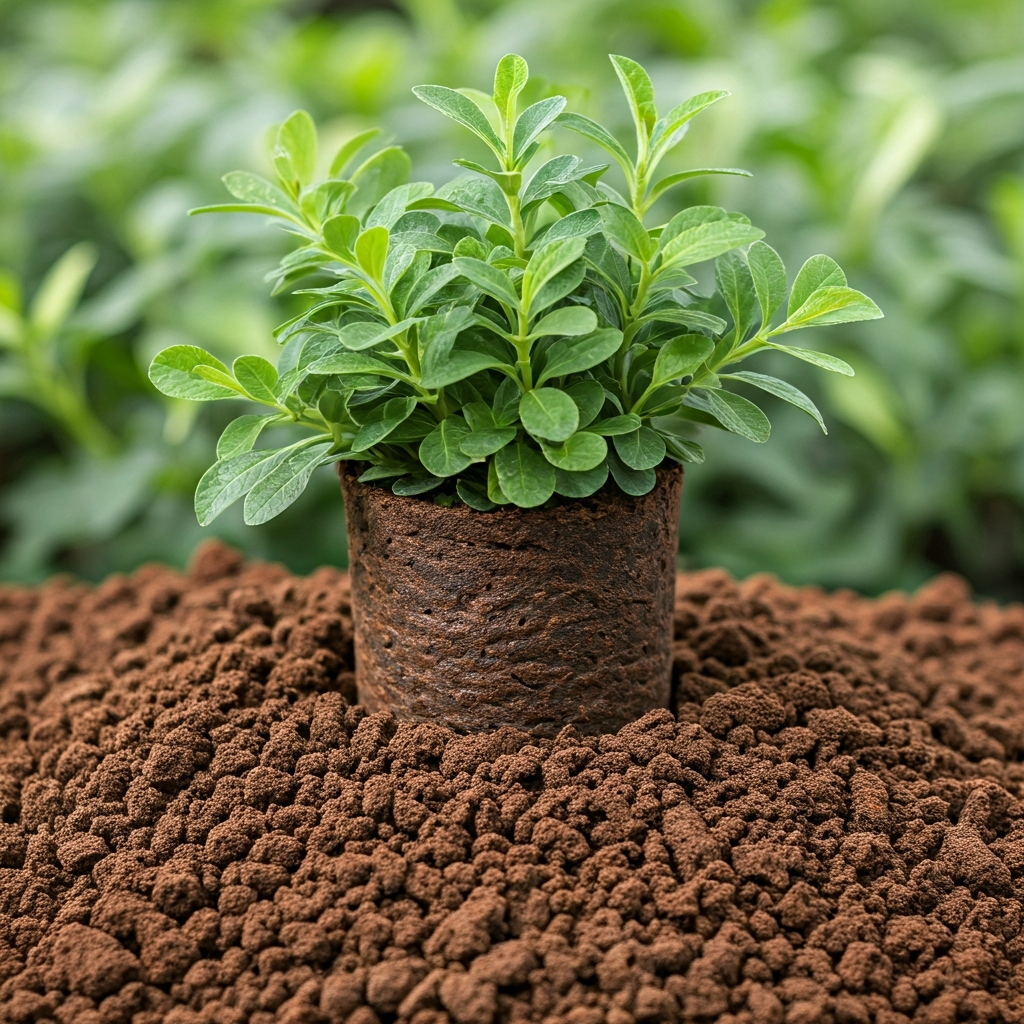
Cocopeat is a 100% natural growing medium made from the fibrous pith found between the hard, internal shell and the outer coat of a coconut. Also known as coco coir or coconut fiber, this material is a champion of water retention and aeration. It’s an ideal soil amendment or standalone medium for a huge variety of plants, offering a near-perfect balance of properties that encourage strong, healthy root development.
[Image: A side-by-side photo showing a dense, compressed cocopeat brick on the left and a large, fluffy pile of expanded cocopeat on the right. Title: From Brick to Fluff: The Magic of Cocopeat Expansion. Alt: A compressed brick of cocopeat next to a large pile of fluffy, expanded cocopeat ready for garden use.]
椰壳纤维的三种主要类型
Understanding the different forms of coco coir is key to using it effectively. Each type has a unique texture and purpose:
- Coir Pith (or Coir Dust): This is the most common type, with a fine, soil-like texture. It has excellent water absorption, making it perfect for moisture-loving plants.
- 椰壳纤维: These are the longer, stringy fibers that improve aeration and drainage. They prevent the pith from compacting and allow oxygen to reach the roots.
- 椰壳纤维片: These are small chunks of the coconut husk that act like a natural, organic version of perlite or clay pebbles, creating large air pockets in the growing medium.
From Coconut Husk to Garden Gold
Turning a raw coconut husk into garden-ready material is a multi-step process. After the coconut is harvested for its meat and water, the husk is soaked to soften it. It is then mechanically processed to separate the pith, fibers, and chips.
The resulting material is washed to remove excess salts, dried, and often compressed into blocks for easy shipping. High-quality manufacturers also “buffer” the coir to stabilize its nutrient content—a crucial step for serious growers.
Cocopeat vs. Peat Moss: A Sustainable Choice
For years, peat moss was the go-to soil conditioner. However, its slow regeneration rate (taking centuries to form) makes it an unsustainable choice. Coco coir offers a superior, eco-friendly alternative with several distinct advantages. This shift is supported by major horticultural bodies like the 英国皇家园艺学会, which actively campaigns for peat-free gardening.
| 特征 | 椰糠 | 泥炭藓 |
|---|---|---|
| 可持续性 | Highly renewable byproduct | Non-renewable, harvested from bogs |
| pH值 | Neutral (5.5-6.8) | Acidic (3.5-4.5) |
| 润湿性 | Hydrophilic (absorbs water easily) | Hydrophobic (repels water when dry) |
| 寿命 | Breaks down slowly (up to 5 years) | Compacts and breaks down faster |
The Top 7 Benefits of Using Cocopeat in Your Garden
Integrating coco coir into your gardening routine offers a remarkable range of advantages. These benefits contribute to healthier plants, higher yields, and a more efficient gardening system.
- Incredible Water Retention: The substrate can hold up to 10 times its weight in water, ensuring your plants stay hydrated longer and reducing your watering frequency. This is confirmed by research in journals like Scientia Horticulturae.
- Superior Aeration: Even when fully saturated, the fibrous structure maintains air pockets, providing essential oxygen to plant roots and preventing rot.
- Ideal pH Level: With a naturally neutral to slightly acidic pH, this medium is a perfect base for most plants without requiring the lime adjustments often needed with acidic peat moss.
- Sustainable and Renewable: As a byproduct of the coconut harvest, it is an environmentally responsible choice that puts a waste product to good use.
- Resistant to Pests and Diseases: This material is naturally antifungal and repels some common garden pests, leading to healthier plants with fewer chemical interventions.
- 缓慢分解: It breaks down very slowly, meaning it provides structure and benefits to your soil for several years before needing to be replenished.
- Easy to Use: While compressed bricks require hydration, the material is lightweight, clean, and easy to handle compared to heavy bags of soil.
[Image: An infographic with four icons and simple text. 1. Icon of a brick in water with an arrow to a fluffy pile, labeled “Hydrate”. 2. Icon of a calcium/magnesium bottle, labeled “Buffer”. 3. Icon of a fertilizer bag, labeled “Amend”. 4. Icon of a happy plant, labeled “Plant”. Title: Preparing Cocopeat for Your Garden in 4 Easy Steps. Alt: Infographic showing the four steps of preparing cocopeat for gardening: Hydrate, Buffer, Amend, and Plant.]
How to Prepare and Use Cocopeat: A Step-by-Step Guide
To unlock the full potential of this amazing medium, proper preparation is essential. Rushing this process is one of the biggest mistakes new users make. Follow these steps for guaranteed success.
Step 1: Choose the Right Product
Start by selecting a high-quality product. Look for reputable suppliers that offer washed and buffered coco coir. For a reliable source, you can find excellent 椰糠 that is ready for horticultural use. Low-quality, unwashed coir can contain high salt levels that are detrimental to plants.
Step 2: Expand the Brick
If you have a compressed brick, place it in a large container—a wheelbarrow or large tub works well. Add the amount of warm water specified by the manufacturer (it’s a lot!). The brick will slowly absorb the water and expand to 5-7 times its original volume over 20-30 minutes, transforming into a light, fluffy material.
[Video: An embedded YouTube video showing a time-lapse of a compressed cocopeat brick expanding in a tub of water, with text overlays showing the time and volume increase. Title: “How to Expand a Coco Coir Brick in 2 Minutes!”.]
Step 3: Buffer to Prevent Nutrient Lockout
This is a non-negotiable step for any serious gardener. Raw coco coir has a high cation exchange capacity and tends to hold onto calcium and magnesium, making them unavailable to your plants.
To fix this, soak the expanded coir in a calcium-magnesium (Cal-Mag) nutrient solution for 8-12 hours, then rinse. This process “charges” the coir, ensuring it won’t steal these crucial nutrients from your plants later.
Step 4: Amend with Nutrients and Aerators
Pure coco coir is an inert medium, meaning it contains almost no native nutrients. You must mix in amendments. For a balanced mix, a common recipe is 70% cocopeat and 30% perlite or another aeration source like 棕榈仁壳.
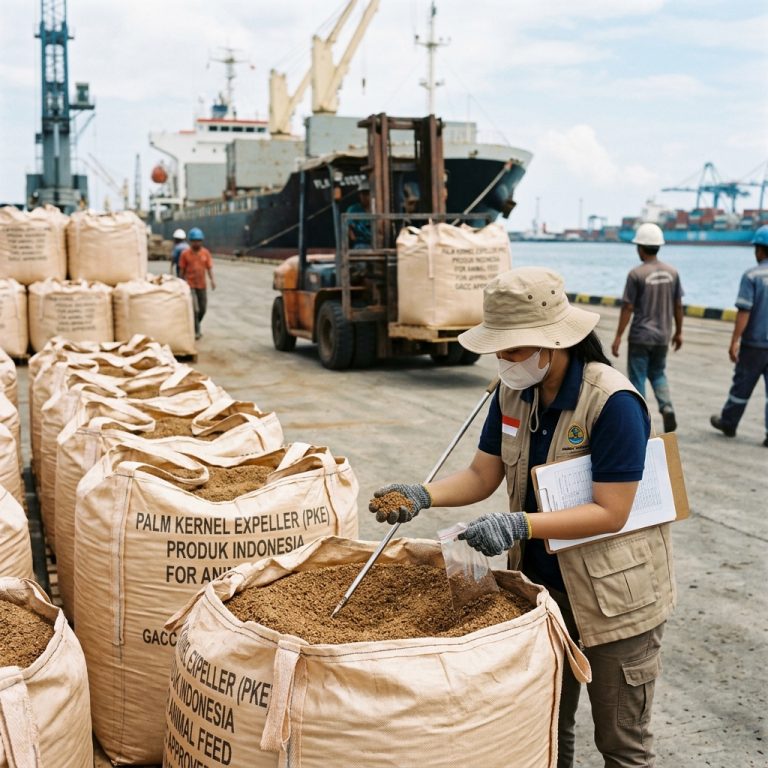
Then, add compost, worm castings, or a slow-release granular fertilizer. For an added organic boost, mixing in a nutrient-rich material like 椰干粉 can enhance microbial life. Similarly, other agricultural byproducts like 棕榈仁压榨机 can be powerful components in custom soil mixes.
What is Cocopeat Best For? Top Applications
The versatility of this substrate makes it suitable for a wide range of gardening applications. From tiny seeds to large container gardens, it provides a consistent, reliable foundation for growth.
Seed Starting and Propagation
The fine, moist texture of coir pith is ideal for germinating seeds. It holds water consistently without becoming waterlogged, preventing “damping off” disease. Its sterile nature ensures a clean start for delicate seedlings.
Hydroponic Systems
Coco coir is one of the most popular mediums used in hydroponics. As a soil-less substrate, it provides excellent root support and moisture delivery. It is particularly effective in various setups, including:
- Drip irrigation systems
- Ebb-and-flow (flood and drain) tables
- Dutch bucket systems
Soil Amendment for Gardens and Raised Beds
Mixing this material into heavy clay soil improves drainage and aeration. In sandy soil, it dramatically improves water and nutrient retention. Amending garden soil with 25-50% coco coir can completely transform its structure. This practice is supported by many university extension programs, like the 俄勒冈州立大学推广部.
[Image: A flourishing container garden with tomatoes and peppers growing in a rich, dark cocopeat and perlite mix. Title: Thriving Container Garden with Cocopeat. Alt: Healthy tomato and pepper plants growing in pots filled with a dark, rich cocopeat mix.]
动物垫料
Beyond the garden, coir is an excellent, absorbent, and odor-reducing bedding material for terrariums and reptile enclosures. Its natural resistance to bacteria and mold growth makes it a safe and healthy choice for many pets.
[Image: A close-up shot of healthy green seedlings just sprouting in a black germination tray filled with dark, moist cocopeat. Title: The Perfect Start: Seedlings in Cocopeat. Alt: Vibrant green seedlings thriving in a tray filled with dark brown cocopeat medium.]
Makmur Amanah Sejahtera 我们提供优质的棕榈产品,例如棕榈仁粕、棕榈仁壳、原棕榈油、棕榈仁油等。请联系我们。 WhatsApp +6282140002198 或发送电子邮件至 admin@makmuramanah.co.id.
关于椰糠的常见问题
Is cocopeat better than soil?
It’s not inherently “better,” but it excels in specific areas. The medium offers superior water retention, aeration, and a pest-free, neutral pH environment. However, unlike soil, it is inert and requires the addition of all nutrients. It is best used as a soil amendment or a base for a custom potting mix.
椰糠可以保存多久?
One of its great benefits is longevity. It decomposes very slowly compared to other organic materials like peat moss or compost. You can expect this substrate to maintain its beneficial structure in your soil or containers for three to five years before needing to be replenished.
Can you grow seeds directly in it?
Yes, coco coir is an excellent medium for seed starting. Its fine texture and high moisture retention provide the perfect environment for germination. Use pure, buffered coir pith for seed trays and ensure seedlings are given a mild liquid fertilizer once their first true leaves appear.
Do I need to add fertilizer?
Absolutely. It is an inert medium with no nutrients. You must provide all the nutrition your plants need by mixing in compost and fertilizers or by using a regular liquid feeding schedule. Failing to add nutrients is a common reason for poor plant performance.
Is cocopeat reusable?
Yes, it can be reused for several growing cycles. After a harvest, shake the old roots out of the medium and flush it thoroughly with clean water to remove any built-up fertilizer salts. It is also recommended to re-buffer it with a Cal-Mag solution before replanting.
Conclusion: Your Garden’s Sustainable Future
This guide has shown that coco coir is far more than a waste product; it’s a high-performance tool for the modern gardener. By understanding how to properly prepare and use it—from expanding the brick to buffering and amending—you unlock its incredible benefits of water retention, aeration, and sustainability.
Making the switch from traditional mediums is a positive step for both your plants and the planet. Whether you are starting seeds, managing a hydroponic system, or simply improving your garden soil, incorporating 椰糠 is one of the smartest decisions you can make in 2026. Your plants will thank you, and you can feel good about choosing a truly renewable resource.
 Chinese
  English
  Indonesian
  Arabic