
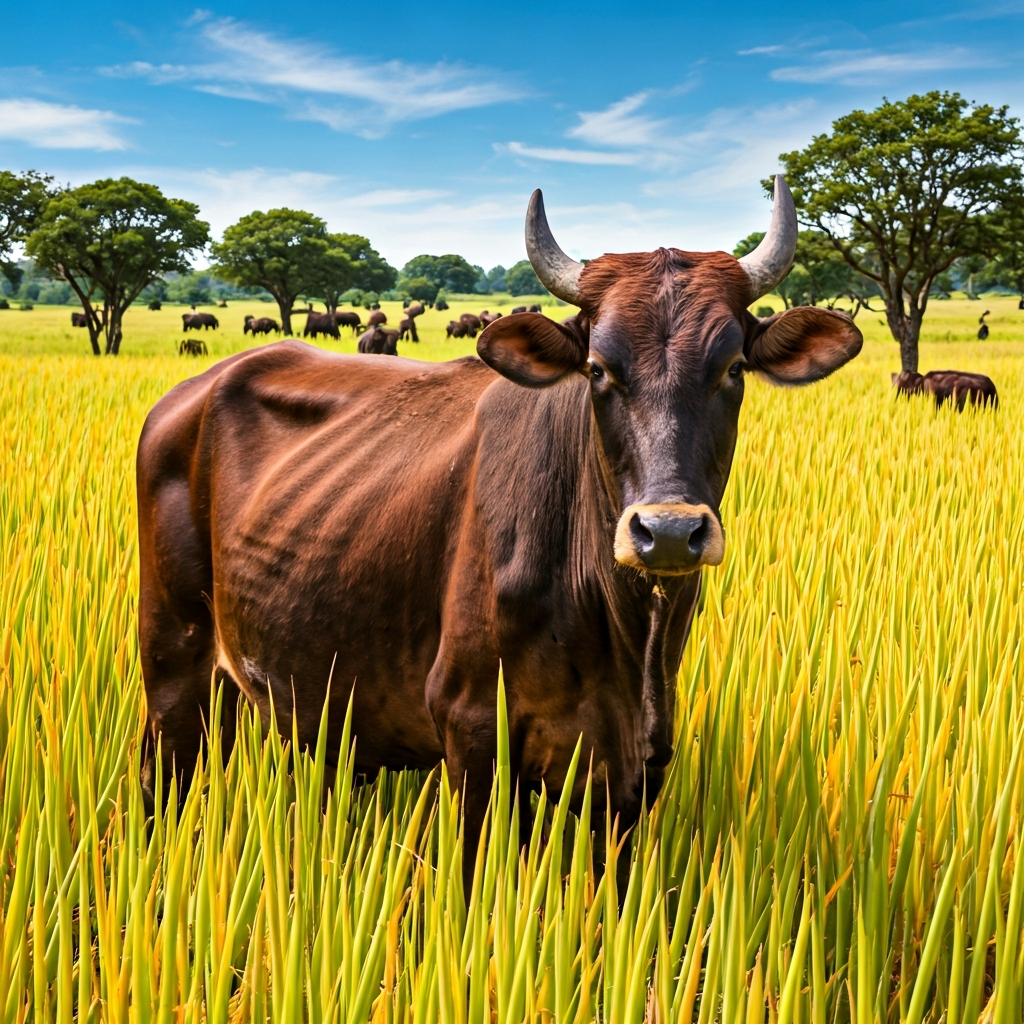
Copra Meal for Animal Feed: A Complete Guide to Benefits, Uses, & Nutrition
使用 Copra Meal for Animal Feed is a game-changing strategy for modern farmers seeking a cost-effective, sustainable, and nutrient-rich supplement for their livestock. As feed prices continue to fluctuate, finding a reliable alternative that doesn’t compromise on quality is paramount. This guide provides the definitive 2026 overview of how to leverage copra meal to enhance animal health and farm profitability.
The challenge of securing consistent and affordable animal feed is a significant hurdle in the agricultural sector. Many conventional feeds have seen steep price increases and supply chain vulnerabilities. This makes ingredient diversification essential for a resilient farming operation.
According to a 2025 report from the 国际饲料工业联合会, feed costs can account for up to 70% of the total cost of animal production. This is where the strategic use of high-quality Copra Meal for Animal Feed becomes a powerful solution for farmers worldwide.
What Exactly is Copra Meal? A Definition for 2026
Copra meal is a valuable feed ingredient derived from the coconut palm (椰子(Cocos nucifera)). After processors extract coconut oil from dried coconut kernel (copra), the remaining byproduct is known as copra meal or coconut meal. This meal is a powerhouse of protein, fiber, and energy, making it a highly effective component in diets for a wide range of livestock.
Historically viewed as a simple byproduct, advancements in animal nutrition science have elevated its status. Experts now recognize it as a strategic ingredient that improves animal performance and provides a sustainable alternative to more expensive protein sources like soybean meal. Its unique nutritional profile makes it particularly beneficial for certain types of animals, making it a cornerstone in many feed formulations.
[Image: A detailed, close-up shot of golden-brown copra meal, highlighting its texture. The meal is in a large pile in a clean, well-lit warehouse setting.]
Title: High-Quality Copra Meal for Livestock Nutrition
Alt Text: A close-up of high-quality Copra Meal for Animal Feed, ready for processing.
From Coconut to Feed: The Production Process
The journey to creating copra meal begins with the coconut. Producers use a refined process for maximum nutritional retention, which generally follows these steps:
- De-husking and Splitting: Harvesters take the coconuts and remove the outer husk. They then split the hard shell open to reveal the white kernel. The shell itself can be processed into products like 棕榈仁壳, adding to the zero-waste potential of the crop.
- 干燥(椰干生产): Producers dry the kernel to reduce its moisture content. This can be done through sun-drying, smoke-drying, or kiln-drying. The resulting dried kernel is called “copra.”
- 采油: The copra undergoes a mechanical pressing process (expeller pressing) to extract the valuable coconut oil.
- Meal Production: The solid residue left after oil extraction is the copra meal. It is then ground into a consistent, usable form for feed mixing. This 椰干粉 is what becomes a key part of the animal feed supply chain.
Copra Meal vs. Palm Kernel Expeller: What’s the Difference?
While both are valuable byproducts from tropical crops, it’s important not to confuse copra meal with its cousin, Palm Kernel Expeller (PKE). Copra meal comes from coconuts, while PKE comes from the kernel of the oil palm fruit. Though both are used in animal feed, their nutritional profiles differ, making them suitable for different applications. Understanding this distinction is key for precise feed formulation.
The Nutritional Powerhouse: A Deep Dive into Copra Meal Analysis
价值 Copra Meal for Animal Feed lies in its unique nutritional composition. While exact values can vary based on the oil extraction method and quality of the raw material, a typical analysis reveals a balanced profile of essential nutrients. This makes it an excellent ingredient for supplementing livestock diets.
Furthermore, its high fiber content can have a beneficial effect on gut health, particularly in ruminants. The protein in copra meal also has a good amino acid profile, although nutritionists may recommend balancing it with other sources to meet the complete needs of high-performance animals. The effective use of Copra Meal for Animal Feed depends on this balanced approach.
Quality Indicators: What to Look for in Premium Copra Meal
Not all copra meal is created equal. To ensure you’re getting the best results, it’s critical to source a high-quality product. When evaluating Copra Meal for Animal Feed, look for these key indicators:
- 颜色和香气: High-quality copra meal should have a light-brown to golden-brown color and a fresh, pleasant coconut smell. A dark color or musty/sour odor can indicate improper drying, overheating, or mold growth.
- 低水分含量: Proper drying is crucial. The ideal moisture content is below 12% to prevent aflatoxin contamination and ensure a longer shelf life.
- Consistent Texture: The meal should be ground to a uniform consistency, free of large clumps, foreign materials, or excessive fine dust.
- Guaranteed Analysis: A reputable supplier will always provide a certificate of analysis detailing the crude protein, fiber, fat, and moisture levels, ensuring you know exactly what you are adding to your feed.
Comparative Nutritional Analysis: Copra Meal vs. Alternatives
To truly appreciate its role, it’s helpful to compare copra meal to other common feed ingredients. This allows nutritionists and farmers to make informed decisions for optimal feed formulation when choosing their Copra Meal for Animal Feed.
| 养分 | 椰干粉 | 豆粕 | 棕榈仁压榨机 |
|---|---|---|---|
| Crude Protein (%) | 20-22% | 44-48% | 14-17% |
| Crude Fiber (%) | 12-16% | 3-5% | 16-20% |
| Crude Fat (%) | 6-10% | 1-2% | 8-12% |
| Metabolizable Energy (MJ/kg) | ~11.5 (Ruminants) | ~12.5 (Poultry) | ~10.5 (Ruminants) |
Source: Data compiled from various animal nutrition studies and Feedipedia, an authoritative source on animal feed data. Additional data from the 联合国粮食及农业组织(粮农组织).
7 Key Benefits of Using Copra Meal for Animal Feed
Integrating copra meal into a feeding program offers a multitude of advantages that go beyond simple cost savings. These benefits contribute to healthier animals and a more sustainable farming operation.
- Excellent Protein Source: With a crude protein content of around 20-22%, copra meal is a fantastic protein supplement that supports muscle development and overall growth in livestock.
- 高能量含量: The residual oil (6-10% fat) provides a concentrated source of energy, helping animals meet their daily caloric needs, which is especially crucial during lactation or high-production periods.
- Promotes Gut Health: The high level of digestible fiber acts as a prebiotic, promoting the growth of beneficial gut bacteria. This improves digestive health and can lead to better feed conversion ratios.
- Cost-Effective Formulation: Copra meal is often more affordable than soybean meal or fish meal, allowing farmers to significantly reduce feed costs without sacrificing essential nutrients.
- Improved Rumen Function: For ruminants like cattle and goats, the protein in copra meal is a good source of “bypass protein,” which is digested more efficiently in the small intestine, as noted in research from the 动物饲料科学与技术杂志.
- 提高饲料适口性: The pleasant, slightly sweet aroma of coconut makes the feed more attractive to animals, which can encourage consistent feed intake.
- Sustainable and Natural: As a byproduct of the coconut industry, using copra meal helps reduce waste and supports a circular economy. It’s a natural ingredient, free from many additives. Other coconut byproducts like 椰糠 also contribute to this sustainable cycle.
[Image: Infographic concept. Title: “The 7 Benefits of Copra Meal for Animal Feed”. Icons for each benefit: a muscle icon for Protein, a lightning bolt for Energy, a stomach icon for Gut Health, a piggy bank for Cost-Effective, a cow icon for Ruminants, a smiley face for Palatability, and a recycling icon for Sustainable.]
Title: Infographic of Copra Meal Benefits
Alt Text: An infographic detailing the 7 key benefits of using Copra Meal for Animal Feed.
Copra Meal for Animal Feed: Species-Specific Feeding Guides
应用 Copra Meal for Animal Feed is not a one-size-fits-all solution. Optimal inclusion rates vary depending on the species, age, and production stage of the animal. Adhering to these guidelines is crucial to maximize benefits and avoid any potential negative effects.
Using Copra Meal for Animal Feed in Ruminants (Cattle, Goats, Sheep)
Ruminants are exceptionally good at utilizing the fiber and protein in copra meal. For dairy cattle, it can form a significant part of the concentrate mix, providing both energy and bypass protein to support milk production. For beef cattle, it supports healthy weight gain. A general guideline is to include it at 15-25% of the total ration, but always start with a lower percentage and monitor animal performance.
Integrating Copra Meal in Poultry Diets
For poultry, using Copra Meal for Animal Feed is a viable protein alternative, but its high fiber content can be a limiting factor, especially for young birds (chicks). For broilers and layers, an inclusion rate of 5-10% is generally considered safe and effective. It’s often used in combination with enzymes that help break down the fiber, which significantly increases nutrient absorption and makes it more valuable in the diet.
Copra Meal for Swine (Pigs)
In swine diets, copra meal can be used for growing and finishing pigs. Similar to poultry, the fiber content is the main consideration. Recommended inclusion levels are typically between 5-15%, with lower levels for piglets and higher levels for adult sows. Gradual introduction is key to allow the pigs’ digestive systems to adapt to the change in feed composition. The use of Copra Meal for Animal Feed in swine can be a great way to lower costs.
潜在风险及应对方法
While highly beneficial, there are considerations to keep in mind. The primary concern is the potential for aflatoxin contamination if the copra is not dried and stored properly. This is why sourcing from a trusted supplier who provides a certificate of analysis is non-negotiable.
Additionally, the high fiber can limit its use in monogastric animals like poultry and young pigs if not managed correctly. Always introduce copra meal into a diet gradually and ensure it is balanced with other ingredients. Sourcing from a trusted supplier like Makmur Amanah Sejahtera who adheres to strict quality standards is your best line of defense against any risks associated with Copra Meal for Animal Feed.
[Video Embed Suggestion: A YouTube video titled “How to Mix Copra Meal into Your Livestock Feed Ration”. The video would feature an animal nutritionist demonstrating the step-by-step process of calculating ratios and mixing copra meal into feeds for cattle, chickens, and pigs.]
Makmur Amanah Sejahtera 我们提供高品质的棕榈产品,例如棕榈仁粕、棕榈仁壳、原棕榈油、棕榈仁油等。请通过 WhatsApp 联系我们。 +6282140002198 或发送电子邮件至 admin@makmuramanah.co.id.
常见问题解答 (FAQ)
What animals can eat copra meal?
Copra meal is suitable for a wide range of animals. It is most commonly used for ruminants like cattle, goats, and sheep. It can also be effectively incorporated into the diets of poultry (chickens, ducks), swine (pigs), and even horses and fish when formulated correctly.
Is copra meal a good source of protein?
Yes, it is a very good source of plant-based protein, typically containing 20-22% crude protein. While not as high as soybean meal, its protein is highly digestible, especially for ruminants, making it an excellent and cost-effective supplement for supporting animal growth and production.
What is the recommended inclusion rate of copra meal?
The ideal rate varies by animal. For ruminants, it can be 15-25% of the ration. For poultry and swine, a more conservative rate of 5-15% is recommended due to the higher fiber content. Always consult a nutritionist for a precise formulation based on your specific needs.
Are there any side effects of using Copra Meal for Animal Feed?
The primary risk is related to poor quality control, specifically potential aflatoxin contamination from improperly dried copra. Using a reputable supplier eliminates this risk. Overfeeding, especially to non-ruminants, can also lead to digestive upset due to its high fiber content.
How does copra meal affect milk production in dairy cows?
Copra meal is known to be beneficial for dairy cows. Its combination of bypass protein and good energy content can help increase milk yield and, in some cases, improve the milk’s fat content. It provides the necessary building blocks for sustained lactation and herd health.
[Image: A healthy, robust-looking dairy cow eating from a trough that contains a mixed feed ration. The setting is a clean, modern farm.]
Title: Dairy Cow Enjoying a Nutritious Feed Ration
Alt Text: A dairy cow eating a balanced ration that includes copra meal, a key component of its diet.
Conclusion: The Smart Choice for 2026 and Beyond
In conclusion, integrating Copra Meal for Animal Feed into your livestock nutrition plan is a strategic, intelligent decision for any forward-thinking farmer. It offers a powerful combination of high nutritional value, cost-effectiveness, and sustainability that is hard to match. By promoting gut health, providing essential protein and energy, and reducing overall feed expenditures, copra meal stands out as a premier ingredient for enhancing animal performance and boosting your bottom line.
As the agricultural landscape evolves in 2026, leveraging smart, sustainable resources is no longer just an option—it’s a necessity. By choosing high-quality copra meal from a trusted source, you are investing in the health of your animals and the long-term profitability of your farm. Make the switch and discover the tangible benefits for yourself.
 Chinese
  English
  Indonesian
  Arabic