
Cocopeat: #1 Complete 2026 Guide to Its Amazing Garden Uses
What is 椰糠 and could it be the one thing your garden is missing for explosive growth? If you’re struggling with poor soil drainage, water-logged roots, or finding a sustainable alternative to traditional mediums, you’ve discovered the ultimate solution.
This guide unveils everything you need to know about this incredible gardening resource. We will explore its remarkable benefits and provide a step-by-step plan to incorporate it into your gardening strategy for a healthier, more productive garden in 2026.
As gardeners, we constantly seek ways to improve plant vitality. A 2022 study highlighted in the journal Agronomy emphasized the shift towards sustainable, soilless substrates, with coconut coir leading the charge. Unlike traditional garden soil, which can be heavy and inconsistent, this fibrous material provides a sterile, pH-neutral environment, giving you complete control over your plants’ nutrient intake. It is a game-changer for container gardening, hydroponics, and soil amendment.
What Is Cocopeat, Exactly? A Deep Dive
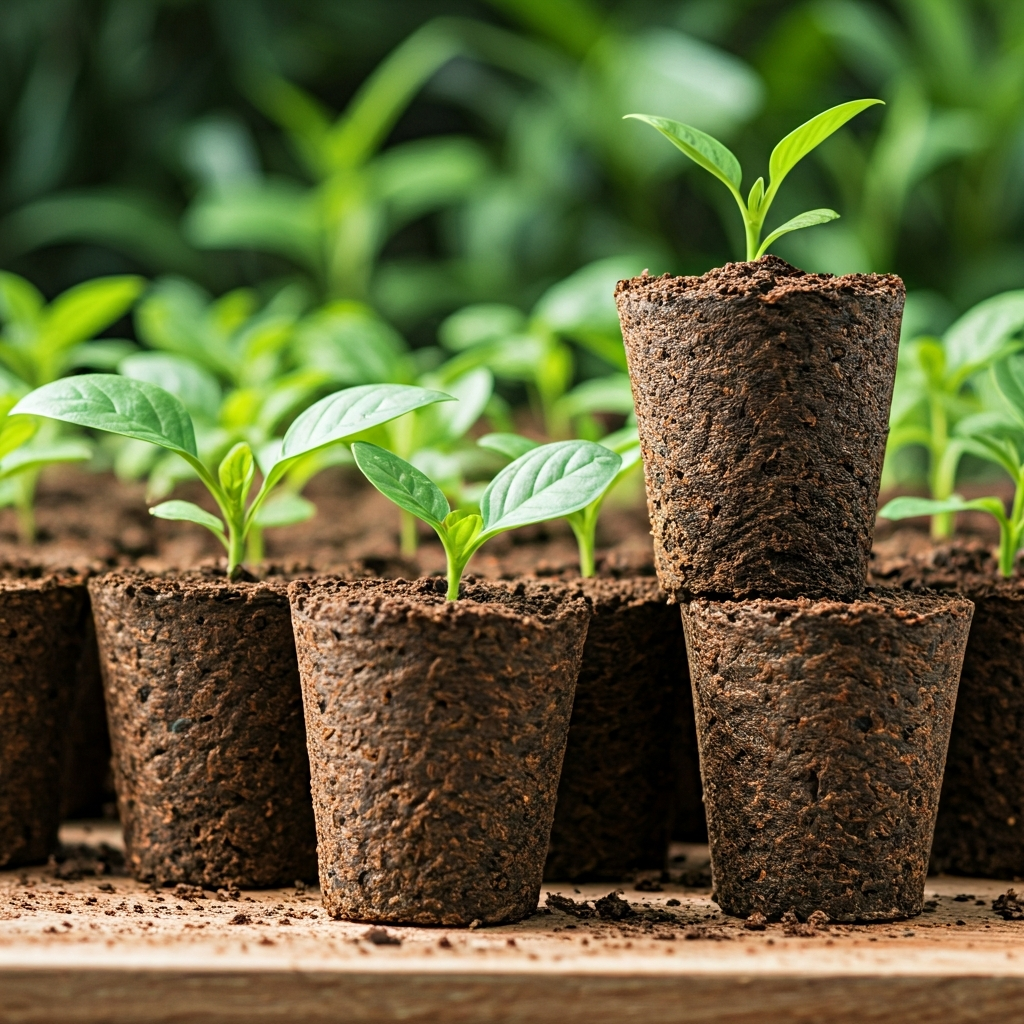
At its core, cocopeat is a 100% natural growing medium derived from the fibrous husk of a coconut. For decades, this material was considered a waste product of the coconut industry. Today, it’s celebrated as a premier, eco-friendly alternative to peat moss. This versatile substrate provides an ideal foundation for robust root development and overall plant health.

The journey from a tough coconut shell to a bag of usable medium is a fascinating one, involving aging, washing, buffering, and drying. This process ensures the final product is ready for horticultural use, free from excess salts and primed for nutrient absorption.
From Coconut Husk to Gardening Gold
The process begins with separating the long fibers from the coconut husk, an industry that also yields products like 椰干粉. The remaining dusty, spongy material is coir pith. This pith is then aged for several months, washed thoroughly to remove natural salts (sodium and potassium), and often “buffered” with calcium nitrate to displace sodium and prevent nutrient lockout, a critical step for serious growers.
Washed vs. Unwashed Coconut Coir: A Critical Difference
Understanding the difference between washed and unwashed coir is crucial for success. Unwashed, or “high EC,” coir contains high levels of sodium salts, which can be toxic to plants by hindering water absorption. Washed, or “low EC,” cocopeat has had these salts rinsed away, making it safe for immediate use. For optimal results, always choose low EC, buffered material, especially for sensitive seedlings and hydroponic systems.
The 3 Main Types of Cocopeat
Coconut coir isn’t a one-size-fits-all product. It’s typically processed into three distinct grades, each with unique properties:
- Coco Pith/Dust: This has a fine, soil-like texture. It boasts incredible water retention, making it perfect for seed starting mixes and amending sandy soils.
- 椰纤维: These longer fibers improve aeration and drainage. They prevent the pith from compacting and allow oxygen to reach plant roots easily.
- 椰子片: These are small chunks of the coconut husk that act like horticultural charcoal or perlite, creating large air pockets within the growing medium for excellent drainage and aeration. High-quality potting mixes often contain a blend of all three.
9 Proven Benefits of Using Coconut Coir in Your Garden
Why has this substrate become a staple for gardeners worldwide? Its advantages are numerous and scientifically supported. From hobbyists to large-scale commercial growers, the benefits are undeniable, offering a superior foundation for plant growth.
- Incredible Water Retention: Coconut coir can hold up to 10 times its weight in water, meaning less frequent watering for you. This sponge-like quality ensures your plants have a consistent supply of moisture.
- Superior Aeration & Drainage: Despite holding immense water, its fibrous structure prevents compaction. This allows essential oxygen to flow freely to the root zone, preventing rot and promoting vigorous growth.
- Neutral pH Level: With a pH range of 5.5 to 6.8, cocopeat is slightly acidic to neutral, an ideal range for most plants to absorb nutrients efficiently. It won’t disrupt the balance of your soil like some other amendments can.
- 可持续且环保: As a by-product of the coconut harvest, it is a completely renewable resource. Its use helps reduce the environmental damage caused by peat moss mining, which destroys vital peatland ecosystems.
- Free from Pests and Diseases: The processing of high-quality coir results in a sterile medium. This means no soil-borne pathogens, weed seeds, or pests to threaten your delicate seedlings and plants.
- Promotes Strong Root Development: The airy texture allows roots to expand effortlessly. Stronger, healthier root systems lead to stronger, healthier plants with increased yields.
- Easy to Use and Store: Typically sold in compressed, lightweight bricks, it is easy to transport and store. Just add water, and a small brick expands into a large volume of ready-to-use medium.
- Reusable and Durable: Coir breaks down very slowly over several years. After a crop cycle, you can rinse, re-buffer, and reuse it, making it a cost-effective choice for long-term gardening.
- Versatile Applications: Whether you’re making a custom potting mix, starting seeds, growing in a hydroponic system, or amending garden beds, it’s an incredibly versatile material.

Coconut Coir vs. Peat Moss vs. Soil: A Comparison
When choosing a growing medium, it’s helpful to compare the options. While traditional soil has its place, both cocopeat and peat moss offer unique advantages in controlled gardening environments. However, their environmental impact and properties differ significantly.
Furthermore, coconut coir’s reusability gives it a long-term cost advantage over peat moss, which tends to compact and break down more quickly. Here is a direct comparison:
| 特征 | Cocopeat (Coconut Coir) | 泥炭藓 | 园土 |
|---|---|---|---|
| 可持续性 | High (Renewable by-product) | Low (Mined, non-renewable) | Varies (Can be depleted) |
| 水分保留 | 出色的 | 非常高 | Varies (Low in sandy, high in clay) |
| pH值 | 5.5 – 6.8 (Ideal) | 3.5 – 4.5 (Highly Acidic) | Varies Widely |
| 润湿性 | Hydrophilic (Wets easily) | Hydrophobic (Hard to re-wet) | Varies |
| 可重复使用性 | Yes (Up to 4 years) | No (Compacts) | Yes |
How to Use Cocopeat: A Step-by-Step Guide
Using coconut coir is incredibly simple, but proper preparation is key to unlocking its full potential. Compressed bricks need to be rehydrated and, for best results, buffered before use. Follow these steps for perfect preparation.
Step 1: Rehydrating the Block
Place your compressed cocopeat brick in a large container, like a wheelbarrow or storage tote. For every 1 kg of compressed coir, add approximately 5-6 gallons (20-25 liters) of warm water. The block will begin to expand immediately. Break it apart with your hands or a small shovel to speed up the process. Within 20-30 minutes, it will have transformed into a dark, fluffy pile of growing medium.
Step 2: Buffering (The Non-Negotiable Step)
As an expert grower will tell you, this step is vital. Coconut coir naturally has a high Cation Exchange Capacity (CEC) filled with sodium and potassium. Buffering prevents them from being released later and locking out essential nutrients from your plants.
The process involves soaking the rehydrated coir in a solution of Calcium Nitrate and Magnesium Sulfate (Cal-Mag). This uses calcium to displace the sodium and potassium. For a comprehensive guide on this process, refer to resources from a major horticultural publication like Gardener’s World.
Step 3: Amending and Mixing
Pure coir contains almost no nutrients, so you must add them. For a general potting mix, a 70/30 ratio of cocopeat to perlite or compost is a great starting point. Mix 7 parts cocopeat with 3 parts of your chosen amendment. At this stage, you can also add a slow-release fertilizer, worm castings, or other organic matter to create a rich, complete potting mix. For more ideas on soil amendments, consult resources from a university extension program like 普渡大学推广部.
Advanced Applications for This Growing Medium
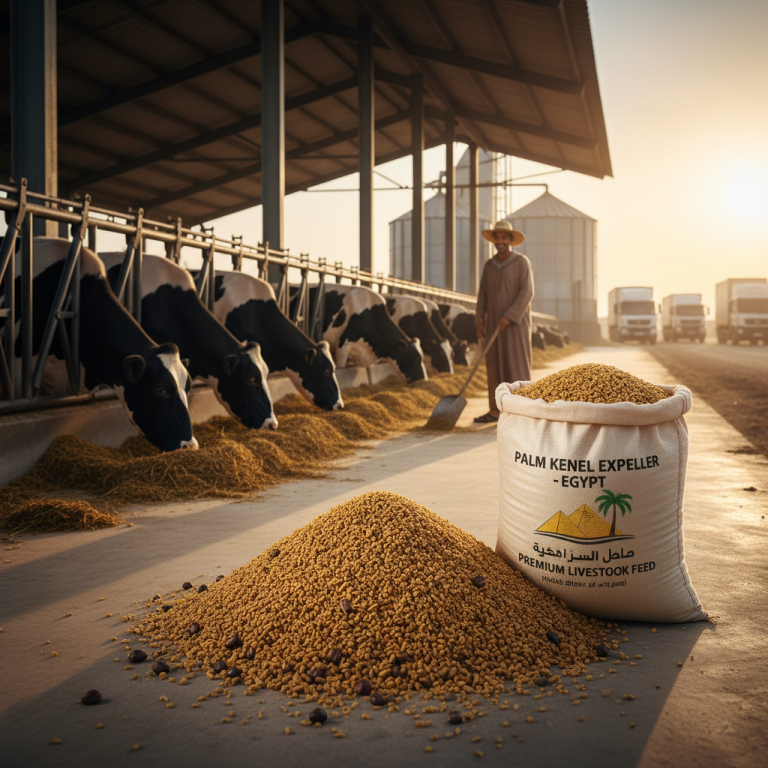
Beyond being a simple soil amendment, coir shines in several advanced horticultural applications. Its consistency and sterile nature provide a level of control that is difficult to achieve with other organic materials. Other agricultural by-products, like 棕榈仁压榨机 for animal feed or 棕榈仁壳 for biomass fuel, also have specialized uses, but cocopeat’s gardening applications are exceptionally broad.

For Hydroponics and Soilless Farming
In hydroponic systems, cocopeat is a top-tier substrate. It can be used in Dutch buckets, grow bags, and slab systems. Its excellent water-to-air ratio provides a stable anchor for roots while ensuring the nutrient solution is readily available. Its reusability also makes it more economical for commercial hydroponic farms compared to single-use substrates like rockwool.
Using for Seed Starting
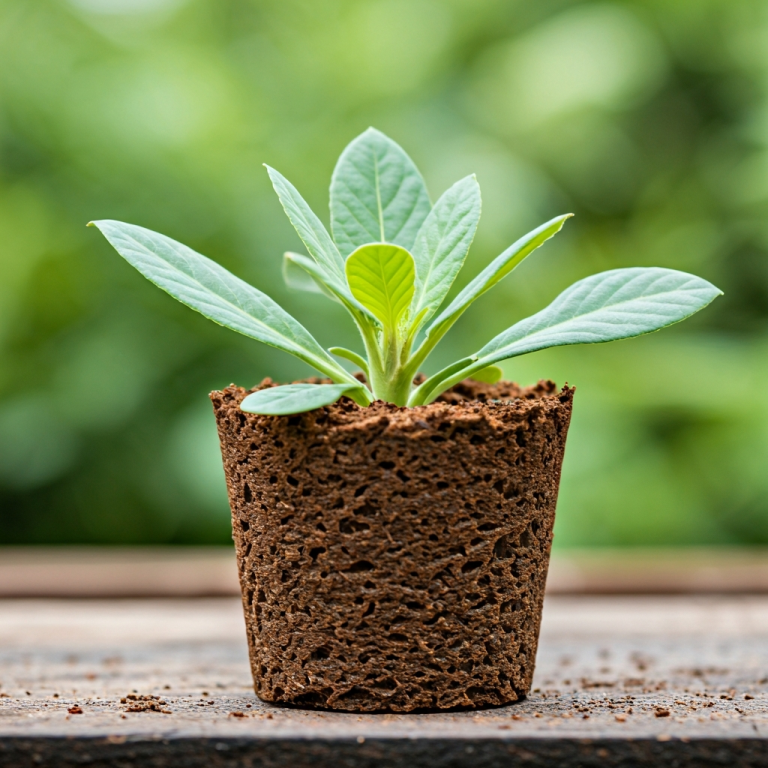
The fine, moist, and sterile nature of coco pith makes it an unparalleled medium for germinating seeds. It provides the perfect environment for delicate new roots to thrive without the threat of “damping-off” disease. A mix of 80% coco pith and 20% perlite is a professional-grade seed starting mix that promotes high germination rates.
As a Mulch and Soil Conditioner
A layer of coco chips or fibrous coir on top of your garden beds acts as an excellent mulch. It helps retain soil moisture, suppresses weeds, and regulates soil temperature. As it slowly breaks down, it improves the overall structure of your garden soil, whether you have heavy clay or loose sand.
Common Mistakes to Avoid When Using Coir
While this medium is user-friendly, a few common mistakes can hinder your success. Avoiding these pitfalls will ensure your plants reap all the amazing benefits of this substrate.
- Forgetting to Buffer: Skipping the Cal-Mag treatment is the most common error. It can lead to calcium and magnesium deficiencies, appearing as yellowing leaves and stunted growth.
- Overwatering: Because it holds so much water, it’s easy to overdo it. Always check the moisture level an inch or two below the surface before watering again.
- Not Adding Nutrients: Remember, coir is an inert medium. You must provide all the nutrition your plants need through fertilizers or amendments.
- Using Low-Quality, Unwashed Product: High-salt cocopeat will harm your plants. Always source your material from a reputable supplier to ensure it is properly washed and processed. You can learn more about our high-quality 椰糠 products here.
Makmur Amanah Sejahtera 我们提供优质的棕榈产品,例如棕榈仁粕、棕榈仁壳、原棕榈油、棕榈仁油等。请联系我们。 WhatsApp +6282140002198 或发送电子邮件至 admin@makmuramanah.co.id.

常见问题解答 (FAQ)
How do you prepare cocopeat before use?
To prepare cocopeat, you must rehydrate the compressed brick in water until it’s light and fluffy. For best results, you should then buffer it by soaking it in a Cal-Mag solution to prevent nutrient lockout before mixing it with perlite or other amendments.
Can I mix cocopeat with soil?
Yes, mixing cocopeat with garden soil is an excellent way to improve its structure. It helps lighten heavy clay soil, improving drainage, and adds water-holding capacity to sandy soil, making it a fantastic soil conditioner for any garden bed or raised bed.
椰糠对所有植物都适用吗?
Cocopeat’s neutral pH and excellent aeration make it suitable for a vast majority of plants, from vegetables and herbs to flowers and houseplants. However, some specific plants like succulents that require very dry conditions may prefer a grittier mix with less water retention.
What nutrients should I add to cocopeat?
Since this medium is inert, you must add a complete nutrient solution. This can be a balanced liquid fertilizer for hydroponics or a mix of compost, worm castings, and a granular slow-release fertilizer for potting mixes. Always include Calcium and Magnesium.
Conclusion: The Future of Your Garden is Coconut Coir
In conclusion, understanding what cocopeat is and how to use it is a transformative step towards becoming a more effective and sustainable gardener. Its superior water retention, aeration, and eco-friendly profile make it an undeniable improvement over many traditional options. By properly preparing and amending it, you create the perfect environment for your plants to flourish.
Whether you are a novice gardener or a seasoned expert, integrating high-quality, buffered coconut coir into your routine will lead to healthier roots, more vigorous plants, and more abundant harvests. Make the switch in 2026 and witness the remarkable difference this coconut-based super-medium can make in your garden. The future of gardening is sustainable, and cocopeat is leading the way.
 Chinese
  English
  Indonesian
  Arabic