
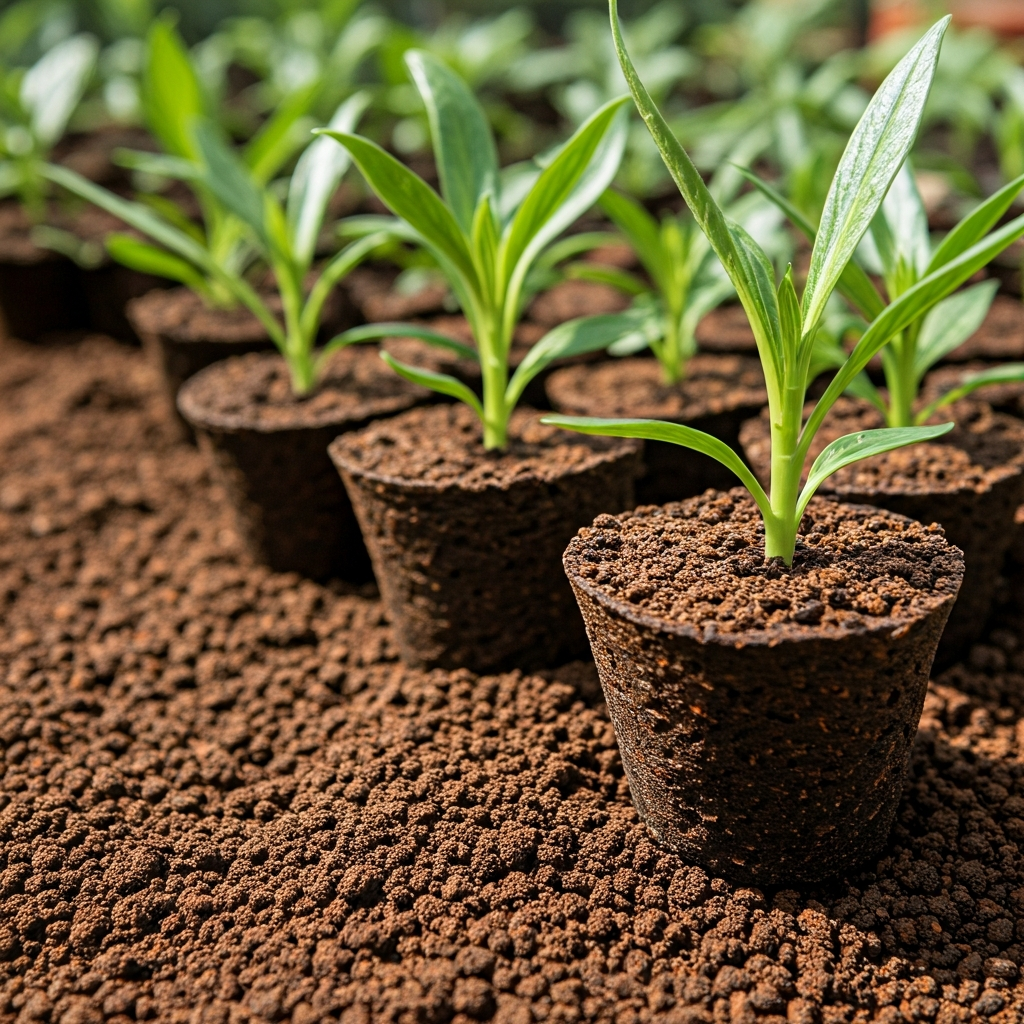
Cocopeat: 7 Ultimate Benefits for a Thriving Garden (2026)
椰糠 is the game-changing secret ingredient you need for a thriving garden, but are you using it correctly? For gardeners seeking healthier plants and more abundant yields, understanding this incredible medium is the first step toward horticultural success.
This guide will explore exactly what cocopeat is, its key benefits, and how to leverage its full potential to create an amazing garden in 2026 and beyond.
The challenge for many modern gardeners is finding an effective and sustainable growing medium. Traditional peat moss faces scrutiny for its environmental impact, with organizations like the International Union for Conservation of Nature (IUCN) highlighting the degradation of peatlands. This is where 椰糠 shines as a superior, eco-friendly choice derived from a renewable resource: the humble coconut.
What is Cocopeat, Exactly?
Cocopeat, also known as coco coir or coir pith, is a 100% natural growing medium made from the fibrous pith of a coconut husk. Once considered a waste product, this versatile material is now a cornerstone of modern horticulture and hydroponics.
After the long fibers are removed for ropes and mats, the remaining pith is washed, dried, and compressed into blocks, bricks, or sold loose. This process creates a sterile, pH-neutral, and lightweight medium that provides an ideal environment for plant roots to flourish.

Unlike soil, which can be heavy and variable in quality, 椰糠 offers remarkable consistency. Its excellent water retention—holding up to 10 times its weight in water—means less frequent watering. Furthermore, its airy structure provides essential oxygen to plant roots, preventing compaction and promoting vigorous growth. Its properties are well-documented in journals like HortScience, confirming its viability as a peat moss alternative.
Cocopeat vs. Peat Moss vs. Soil: A Clear Comparison
Choosing the right growing medium is critical. While traditional soil has its place, both cocopeat and peat moss offer unique advantages. However, their differences in origin, properties, and environmental impact are significant. The table below breaks down the key distinctions.
| 特征 | 椰糠 | 泥炭藓 | Traditional Soil |
|---|---|---|---|
| 来源 | Renewable; byproduct of coconut husk | Non-renewable; harvested from peat bogs | Variable; minerals & organic matter |
| 可持续性 | High (Renewable resource) | Low (Degrades ecosystems) | Depends on management |
| 水分保留 | Excellent (Holds 8-10x its weight) | Very High (Can get waterlogged) | Variable (Depends on composition) |
| pH值 | Neutral (5.5 to 6.8) | Acidic (3.5 to 4.5) | 多变的 |
| 润湿性 | Re-wets easily | Hydrophobic when dry | Can become hydrophobic |
| 寿命 | Reusable for up to 4 years | Breaks down in one season | Long-term but needs amending |
7 Ultimate Benefits of Using Cocopeat
公司 椰糠 into your gardening regimen offers a multitude of advantages that contribute directly to plant health and vigor. Its unique properties make it a superior choice for both novice and expert gardeners.
- 卓越的保水能力: Cocopeat’s sponge-like structure holds water exceptionally well, releasing it slowly to plant roots. This can reduce watering frequency by up to 50%, saving you water and time.
- Excellent Aeration & Root Growth: Despite holding abundant water, it remains light and doesn’t compact. This ensures plenty of oxygen reaches the roots, preventing rot and promoting a vigorous root system.
- Ideal pH Level: With a neutral pH range of 5.5 to 6.8, it’s perfect for most plants without requiring amendments like lime, which is often needed for acidic peat moss.
- 可持续且环保: As a byproduct of the coconut industry, using cocopeat helps reduce waste. It provides a renewable alternative to harvesting peat moss from sensitive wetlands, a topic covered by major publications like The Guardian.
- Sterile and Pest-Free: The processing of cocopeat ensures it is free from weed seeds, soil-borne pathogens, and pests. This provides a clean, safe start for your plants.
- Promotes Strong Root Growth: The powerful combination of excellent aeration and water retention encourages rapid and robust root development, which is the foundation of a healthy plant.
- Reusable and Cost-Effective: High-quality cocopeat can be rinsed and reused for several growing cycles. This durability makes it a smart, long-term investment for your garden.

How to Prepare and Use Cocopeat Like a Pro
使用 椰糠 is simple, but correct preparation is the key to unlocking its full potential. Most often, it comes in a dry, compressed block that needs to be rehydrated.
Step 1: Rehydrating the Cocopeat Block
Place the compressed block in a large container, like a wheelbarrow or storage tote. Add the amount of warm water specified by the manufacturer (typically 3-5 gallons for a 5kg block). The block will begin to expand almost immediately. Let it soak for 15-30 minutes until it has transformed into a fluffy, moist pile.
Step 2: Buffering the Cocopeat (Optional, for Pro Results)
高质量 椰糠 is often pre-washed to remove excess salts. However, for sensitive plants or hydroponics, buffering is recommended. This involves soaking the hydrated coir in a Cal-Mag solution for 8-12 hours to displace sodium and prevent nutrient lockout, a practice recommended by horticulture experts at university extensions like 宾夕法尼亚州立大学推广部.
Step 3: Amending and Planting with Cocopeat
Since cocopeat is an inert medium, you must mix it with nutrients before planting. A common recipe is 2 parts cocopeat to 1 part perlite (for extra drainage) and 1 part compost. You can easily purchase high-quality 椰糠 to start your ideal garden mix.
Advanced Applications for Cocopeat
Beyond being a simple soil amendment, 椰糠 is a star performer in several advanced gardening and agricultural applications, prized for its consistency and sterile nature.
Cocopeat in Hydroponics
In hydroponic systems, 椰糠 is a leading substrate. It provides structural support for roots that water alone cannot, while its water-holding capacity acts as a buffer against pump failures. It’s often used in drip systems where nutrient solution is slowly fed to the plants.
Ideal for Seed Starting
The fine, airy texture of 椰糠 is perfect for germinating seeds. It holds moisture evenly, allows delicate seedlings to push through easily, and its sterile nature prevents “damping off,” a common fungal disease that kills young seedlings.
Vertical Gardens and Container Planting
The lightweight nature of hydrated 椰糠 makes it an excellent choice for rooftop gardens, hanging baskets, and vertical wall planters where weight is a major consideration. It provides superior aeration and water retention in a limited soil volume.

Common Mistakes When Using Cocopeat
尽管 椰糠 is user-friendly, a few common mistakes can hinder your results. Avoiding these pitfalls will ensure your plants get the maximum benefit from this amazing medium.
- Forgetting to Fertilize: The most common error is treating cocopeat like soil. You MUST provide nutrients through compost, worm castings, or a balanced fertilizer.
- Using Low-Quality, Unwashed Coir: Cheap, unwashed cocopeat can contain high levels of sodium, which is toxic to most plants. Always buy from a reputable source that guarantees their product is properly washed.
- Over-saturating the Medium: While it holds water well, it’s still possible to overwater. Allow the top inch of the cocopeat to dry out between waterings to ensure roots get oxygen.
The coconut and palm industries create many valuable agricultural byproducts. While 椰糠 is perfect for your garden, materials like 椰干粉, 棕榈仁压榨机, , 和 棕榈仁壳 are highly valued as nutritious components in animal feed, showcasing the full-circle sustainability of these tropical crops.
Makmur Amanah Sejahtera 我们提供优质的棕榈产品,例如棕榈仁粕、棕榈仁壳、原棕榈油、棕榈仁油等。请联系我们。 WhatsApp +6282140002198 或发送电子邮件至 admin@makmuramanah.co.id.
关于椰糠的常见问题
Is cocopeat better than soil?
For containers and seed starting, cocopeat is often superior due to its sterility, aeration, and water control. For in-ground gardens, using cocopeat as an amendment to improve existing soil is the most effective and cost-efficient approach.
椰糠可以保存多久?
High-quality cocopeat is highly durable and can be reused for up to four years because it breaks down very slowly. Afterward, it can be added to a compost pile or used as a garden mulch, ensuring nothing goes to waste.
Do I need to add fertilizer to cocopeat?
Yes, absolutely. Cocopeat is an inert medium with no native nutrients. You must add compost, worm castings, or a balanced fertilizer to support healthy plant growth. This is the single most critical step for success with this medium.
Can you reuse cocopeat?
Yes. After a growing season, simply remove old roots and rinse the cocopeat thoroughly to flush out any built-up salts or fertilizer. This makes it a very economical and sustainable choice for container gardening and hydroponic systems.
What plants grow best in cocopeat?
Most plants thrive in a cocopeat-based mix, especially tomatoes, peppers, cucumbers, and strawberries in containers. Its sterile, fine texture also makes it the preferred medium for starting seeds of all varieties, preventing common seedling diseases.
Conclusion: The Future of Your Garden is Cocopeat
The evidence is clear: 椰糠 is more than just a trend. It’s a powerful, sustainable, and highly effective tool for any gardener looking to improve plant health and increase yields in 2026. By understanding how to properly prepare and use it—from rehydration to providing nutrients—you can unlock a new level of success.
Whether you’re using containers, starting seeds, or managing a hydroponic system, choosing high-quality 椰糠 is a smart, forward-thinking move for your plants and the planet.

 Chinese
  English
  Indonesian
  Arabic