
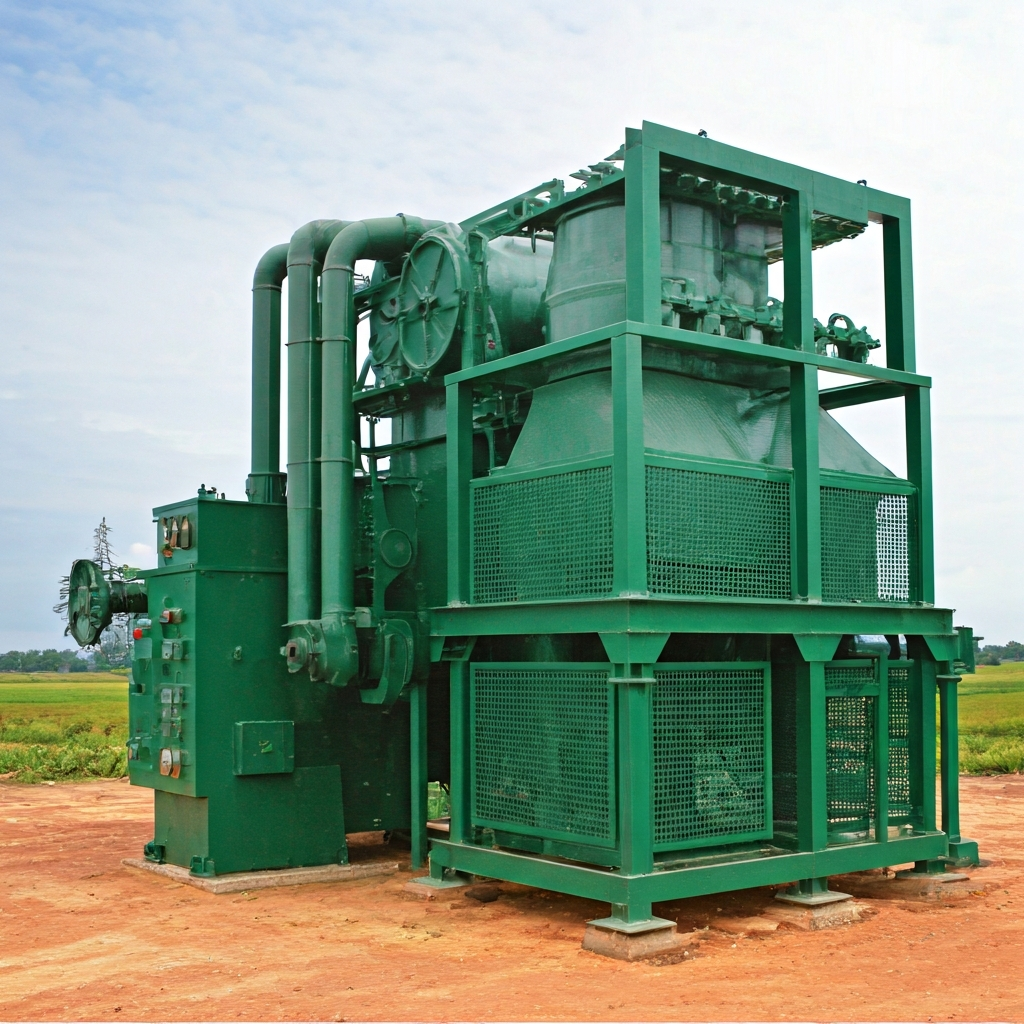
Palm Kernel Expeller: The #1 Guide to Its Amazing Uses (2024)
棕榈仁压榨机 is one of the most critical, cost-effective feed ingredients in modern agriculture, yet many farmers fail to unlock its full potential. If you need a reliable, high-energy protein source to improve livestock performance without inflating costs, this guide provides the definitive solution.
As global demand for sustainable animal feed intensifies, the market is projected to grow significantly. Understanding the nuances of PKE is no longer just an option—it’s a competitive necessity. This comprehensive article delivers the expert knowledge you need to leverage PKE for maximum profitability and animal health, grounded in years of industry experience.
内容
什么是棕榈仁压榨机(PKE)?
Palm Kernel Expeller (PKE) is a sustainable, high-fiber protein source derived from the oil palm tree (油棕). It is the solid residue remaining after the mechanical extraction of oil from the palm kernel. Globally recognized for its balanced nutritional profile, PKE is a cornerstone ingredient in cost-effective animal feed formulations.
Often called Palm Kernel Cake, this by-product is essential for compound feeds, especially for ruminants like cattle and goats. Its coarse, brownish texture contains valuable residual oil, protein, and minerals. The production process promotes a circular economy by transforming a part of the palm oil supply chain into a vital agricultural resource, ensuring nothing goes to waste.

The Nutritional Profile of Palm Kernel Expeller: A Deep Dive
Understanding PKE’s nutritional composition is fundamental to its effective use. While values vary with extraction methods, the typical specifications provide a robust foundation for ration formulation. Its high fiber content is particularly beneficial for ruminant digestive health, promoting rumen motility and healthy fermentation.
这种组合构成 棕榈仁压榨机 an ideal substitute for more expensive grains like corn or soybeans, offering significant cost savings. When formulating feed, it’s crucial to consider these typical specifications to maintain a nutritionally balanced diet for your livestock.
Typical PKE Specifications (As-Fed Basis)
- 粗蛋白(CP): 14-18%
- 粗脂肪(乙醚提取物): 5-12%
- 粗纤维(CF): 12-18%
- 水分: < 10%
- 灰: 3-6%
- 代谢能(反刍动物): 10-12 兆焦/千克
These values demonstrate why PKE is a sought-after ingredient. For instance, a scientific study on ScienceDirect confirms its efficacy in ruminant diets, highlighting its positive impact on milk production and weight gain. Furthermore, research from institutions like Universiti Putra Malaysia, a leader in agricultural science, consistently validates PKE’s role in sustainable livestock management.
Palm Kernel Expeller vs. Other Common Feed Components
To truly appreciate PKE’s value, a comparison against other common feed ingredients is useful. While alternatives like soybean meal offer higher protein, they often come at a premium price. PKE strikes a unique balance between affordability and nutritional value, making it an economically strategic choice.
| 属性 | 棕榈仁压榨机 | 豆粕 | 椰干粉 |
|---|---|---|---|
| 粗蛋白 | 14-18% | 44-48% | 20-24% |
| 粗纤维 | 12-18% | 3-7% | 10-14% |
| 主要用途 | Energy & Protein for Ruminants | High Protein for Monogastrics | Protein & Fiber for various livestock |
| Cost Factor | Economical | 优质的 | 缓和 |
As the table shows, PKE is a superior economic choice for operations that do not require the ultra-high protein levels of soybean meal, such as in dairy or beef cattle farming. We also supply high-quality 椰干粉 for customers seeking a different by-product profile.
How to Identify High-Quality Palm Kernel Expeller
Not all PKE is created equal. Sourcing high-quality product is crucial for achieving optimal results. Discerning buyers should look for key indicators that signal superior nutritional value and safety.
Visual and Olfactory Inspection
A simple sensory check can reveal a lot about PKE quality. High-quality PKE should have a fresh, nutty smell and a uniform, light-brown to golden-brown color. A dark, burnt, or musty odor may indicate improper drying, storage, or mold contamination. The texture should be granular and gritty, not overly dusty or clumpy.
Key Lab Analysis Parameters
Beyond visual checks, lab analysis provides definitive quality assurance. Two critical parameters to test for are:
- 黄曲霉毒素含量: This is a toxic compound produced by certain molds. Reputable suppliers ensure aflatoxin levels are well below the safe limits for livestock feed, as defined by international standards.
- 壳和泥土含量: The proportion of residual palm kernel shell should be minimal. High shell content dilutes the nutritional value and reduces digestibility. A low ash percentage (3-6%) typically indicates low contamination with soil or sand.
The Importance of a Reliable Supplier
Partnering with a trustworthy supplier is the most effective way to guarantee quality. An established exporter of 棕榈仁压榨机 will provide consistent product specifications, transparent lab reports, and proper certifications. This ensures you receive a safe, effective, and reliable ingredient every time.
Primary Applications of Palm Kernel Expeller in 2024
The versatility of PKE makes it a valuable commodity across multiple sectors. While its primary application remains in animal feed, its use as a renewable energy source is rapidly gaining traction, reflecting global sustainability trends.
Dominance of Palm Kernel Expeller in Ruminant Feed
The number one use of PKE is in feed for ruminants like dairy cows, beef cattle, sheep, and goats. Its high fiber supports healthy rumen function, while its protein and energy levels contribute to milk yield and weight gain. Many farms include PKE at 20-30% of the ration, lowering costs without compromising performance. For dairy operations, combining it with supplements like 棕榈油脂肪酸钙盐 can further enhance milk production efficiency.

Application in Monogastric Diets (Poultry & Swine)
While its high fiber can limit use for monogastric animals, PKE is still used effectively at lower inclusion rates (5-10%). The key is proper formulation, often supplemented with fiber-degrading enzymes to improve digestibility. In poultry, it contributes to egg yolk color, and in swine, it is a valuable fiber and energy source in sow diets.
A Rising Star in Biofuel and Biomass
Beyond feed, PKE is an excellent biomass fuel. With a high gross calorific value (around 19-21 MJ/kg), it is used as a clean-burning, renewable energy source in industrial boilers, often replacing coal. This eco-friendly use helps reduce the carbon footprint of many industries, a fact supported by data from renewable energy authorities like the 国际可再生能源机构(IRENA). For related biomass solutions, consider the benefits of 棕榈仁壳.
Emerging Use in Aquaculture Feeds
The aquaculture industry is exploring PKE as a sustainable, plant-based protein to replace fishmeal in diets for species like tilapia and catfish. While research is ongoing, enzyme-treated PKE shows promise in reducing feed costs and improving the sustainability of fish farming operations.
7 Amazing Benefits of Integrating PKE into Your Operations
Integrating PKE into your supply chain offers a multitude of advantages that go beyond simple nutrition. These benefits impact your bottom line, animal welfare, and operational sustainability.
- Significant Cost Reduction: PKE is consistently more affordable than soybean meal or corn. This can lead to dramatic savings in feed costs, which often represent over 60% of farm operating expenses.
- Improved Rumen Health: The “scratch factor” from its high structural fiber promotes rumination in cattle. This action stimulates saliva production, which acts as a natural buffer to maintain a stable rumen pH and prevent metabolic disorders like acidosis.
- 可持续且环保: By using a by-product, you participate in a circular economy. Its use as a biofuel offers a direct path to reducing reliance on fossil fuels, a goal championed by global bodies like the 联合国粮食及农业组织(粮农组织).
- Enhanced Product Quality: In dairy cows, the specific fatty acid profile (rich in lauric acid) in PKE’s residual oil can improve milk fat content. In poultry, the natural pigments can lead to a richer egg yolk color.
- Consistent, Year-Round Availability: Unlike seasonal crops, palm fruit is harvested year-round in tropical regions. This ensures a stable and uninterrupted supply of PKE for your operations, protecting you from supply chain volatility.
- High Palatability for Livestock: Despite its gritty texture, PKE has a mildly sweet, nutty flavor that most ruminants find highly palatable. This encourages feed intake, which is critical for maintaining animal health and productivity, especially during periods of stress.
- Reduced Waste and Environmental Impact: Choosing PKE means you are actively helping to reduce agricultural waste. By creating value from a by-product, the palm oil industry can operate more sustainably, lessening its overall environmental footprint.
[Infographic Concept: A circular diagram titled “The Sustainable Journey of Palm Kernel Expeller”. It shows icons for: 1. Oil Palm Tree, 2. Palm Kernel Oil Extraction, 3. PKE Production, 4. Livestock Feed / Biofuel, 5. Sustainable Farm. Each stage has a one-sentence description.]
Makmur Amanah Sejahtera 我们提供优质的棕榈产品,例如棕榈仁粕、棕榈仁壳、原棕榈油、棕榈仁油等。请联系我们。 WhatsApp +6282140002198 或发送电子邮件至 admin@makmuramanah.co.id.
Frequently Asked Questions (FAQ) about Palm Kernel Expeller
What is Palm Kernel Expeller used for?
Palm Kernel Expeller is primarily used as a cost-effective, high-energy, and high-fiber protein ingredient in animal feed, especially for ruminants like cattle. It is also increasingly used as a renewable biomass fuel for industrial boilers, offering an eco-friendly alternative to coal.
Is PKE good for dairy cows?
Yes, PKE is excellent for dairy cows. Its balanced protein and energy, combined with high fiber, supports healthy rumen function, promotes milk production, and can increase milk fat content. It is a proven and economical component in total mixed rations (TMR).
What is the difference between Palm Kernel Expeller and Palm Kernel Meal?
The terms are often used interchangeably. However, “Expeller” technically refers to PKE produced via mechanical pressing, which leaves a higher residual oil content (5-12%). “Meal” can sometimes refer to a product from solvent extraction, which results in lower fat and higher protein levels.
How much PKE can I include in my animal’s diet?
For ruminants (cattle, goats), inclusion rates can be as high as 30-40% of the diet’s dry matter. For monogastrics like poultry and swine, rates are lower, typically between 5-10%, to manage the high fiber content. Always consult an animal nutritionist for precise formulations.
哪里可以买到高质量的棕榈仁榨油机?
You can source high-quality, certified PKE directly from reputable international suppliers and exporters. Look for companies that provide transparent product specifications, guarantee consistency, and can share certificates of analysis upon request to ensure you receive a premium product.

Conclusion: The Undeniable Value of Palm Kernel Expeller
As we’ve explored, 棕榈仁压榨机 is far more than just a by-product; it’s a strategic asset for modern agriculture and renewable energy. Its compelling nutritional profile, significant cost benefits, and positive impact on sustainability make it an indispensable ingredient. By understanding its uses, quality indicators, and specifications, you can make informed decisions that enhance animal performance and boost your bottom line.
From a dairy farm to an industrial boiler, the applications are vast and proven. To harness these benefits, partnering with a reliable supplier that guarantees quality is crucial. Embrace the power of Palm Kernel Expeller and secure a competitive edge in your industry.
[Embedded Video Suggestion: A 3-minute video titled “From Palm to PKE: The Journey of a Sustainable Super-Feed”. The video would show the process of harvesting, oil extraction, and how the resulting PKE is used on a farm, featuring testimonials from farmers.]
 Chinese
  English
  Indonesian
  Arabic