
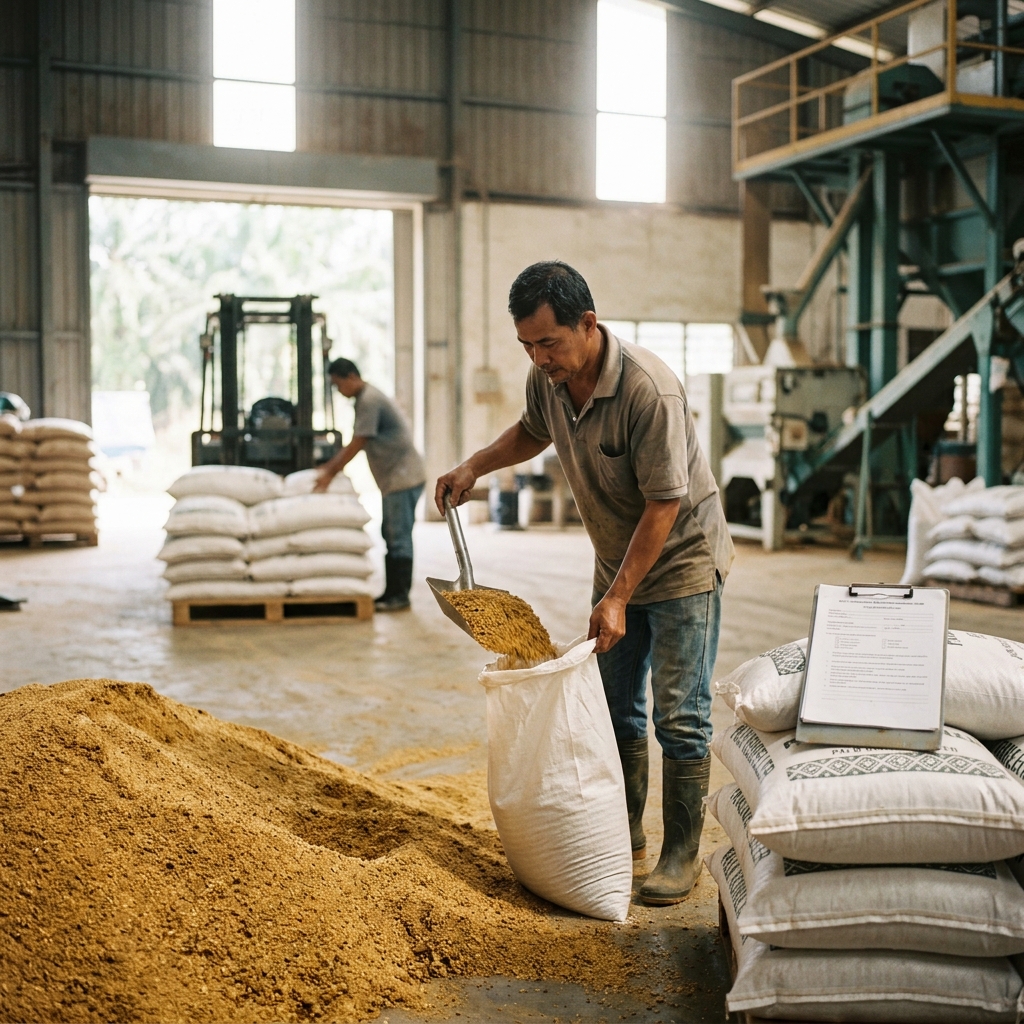
Securing high-grade China GACC Approved Palm Kernel Expeller is a crucial strategy for international feed importers, agribusiness traders, and livestock producers seeking compliant, nutrient-rich feed options in 2026. As Chinese regulatory bodies enforce stringent biosecurity guidelines under Decrees 248 and 249, procuring fully certified Palm Kernel Expeller (PKE) ensures seamless port customs clearance and consistent quality for your supply chain.
Palm Kernel Expeller has rapidly evolved from a standard agricultural byproduct into a high-demand commodity within the global animal feed industry. In recent years, China’s massive livestock sector has increasingly turned to alternative plant protein sources to offset volatile feed commodity prices. Understanding how GACC approval impacts trade flow, pricing dynamics, and chemical specifications is essential for modern buyers.
This ultimate buyer and price guide breaks down everything you need to know about purchasing GACC-registered PKE in 2026. From regulatory compliance and chemical breakdowns to pricing trends and verified sourcing strategies, this comprehensive resource will guide your global procurement decisions.
[Image: High quality bulk palm kernel expeller pellet stored in warehouse ready for export shipment]
What Is China GACC Approved Palm Kernel Expeller?
China GACC Approved Palm Kernel Expeller refers to premium-grade palm kernel expeller manufactured by processing facilities explicitly registered with the General Administration of Customs of China (GACC). PKE is the solid residue remaining after mechanical extraction of crude oil from the nuts of the oil palm tree (油棕).
Without official GACC registration, foreign manufacturers and exporting facilities cannot clear customs inside Mainland China. The GACC certification verifies that the production facility adheres to China’s strict sanitary, phytosanitary, and traceability rules, eliminating contamination risks associated with heavy metals, mycotoxins, or pathogenic organisms.
Mechanical Expeller Processing vs. Solvent Extraction
It is vital for feed formulators to distinguish between mechanical expeller processing and chemical solvent extraction. Mechanical pressing retains a significant proportion of residual palm kernel oil within the meal, resulting in higher metabolizable energy values for cattle.
Solvent extraction, on the other hand, yields Palm Kernel Meal (PKM) with lower oil content. GACC registration audited facilities typically utilize modern mechanical expeller presses that ensure precise temperature control, preserving essential amino acids while avoiding protein denaturation during mass production.
The Regulatory Framework: Decrees 248 and 249
Under Decrees 248 and 249 issued by the GACC, all overseas production, processing, and storage facilities exporting feed ingredients to China must undergo rigorous administrative evaluation. Foreign exporters must obtain a valid registration code listed in the China Import Food Enterprises Registration (CIFER) system.
Failure to register or maintaining outdated facility details results in immediate customs holds, vessel rejection, or destruction of cargo at destination ports such as Qingdao, Tianjin, and Guangzhou. Working exclusively with certified plants guarantees smooth administrative throughput.
Why Demand for China GACC Approved Palm Kernel Expeller Is Surging in 2026
The global feed market is facing shifting feed formulation strategies. According to research from the 联合国粮食及农业组织(粮农组织), energy and protein ingredients like palm meal provide a cost-effective option for ruminant diet optimization. Livestock operations across Asia rely heavily on PKE due to its balanced crude fiber content and bypass protein properties.
Furthermore, report updates from the 美国农业部海外农业服务局 highlight that China’s dairy and beef sectors continue to scale commercial operations. This industrial expansion requires reliable bulk imports of energy-dense feed ingredients that satisfy national biosecurity mandates.
💡 Visual Data Asset: Sourcing Compliance Infographic
[Infographic Suggestion: Visual workflow showing PKE raw kernel harvest → mechanical expeller pressing → CIFER laboratory testing → GACC phytosanitary approval → vessel export loading to Chinese destination ports.]
Feed Ration Optimization in China’s Livestock Sector
As traditional feed components like soybean meal and corn experience supply volatility and price fluctuations, Chinese nutritionist formulators have adapted. By incorporating high-fiber, medium-protein PKE into daily total mixed rations (TMR), commercial farms lower overall feed cost per kilogram of milk or meat produced.
PKE functions exceptionally well in ruminant diets due to its dietary fiber profile. Unlike starch-heavy grains, the digestible fiber in palm meal reduces the risk of subacute ruminal acidosis (SARA) in high-yielding dairy cows.
Key Drivers Behind Market Growth
- Cost Optimization: PKE serves as an economical substitute for traditional corn and soybean meal rations.
- Ruminant Digestibility: High digestible fiber makes it an ideal feed choice for dairy cows, beef cattle, and sheep.
- Strict Regulatory Enforcement: Non-approved facilities face automatic border rejections, channeling market volume toward compliant suppliers.
- Sustainable Upcycling: Utilizing palm oil byproducts aligns with corporate global sustainability mandates.
Technical Specifications & Quality Standards for GACC PKE
When buying China GACC Approved Palm Kernel Expeller, technical specifications dictate market value and feed performance. Quality can vary based on whether mechanical extraction or solvent extraction methods are utilized by the processing mill.
Scientific studies on ruminant nutrition published on 科学直接 show that mechanical expeller processing leaves higher residual fat content compared to solvent extraction, increasing the overall metabolizable energy value for cattle. Below is the standard physical and chemical specifications required by major importers:
| 范围 | Standard Grade PKE | Premium Grade PKE | GACC Maximum Limit |
|---|---|---|---|
| 粗蛋白 | 14.0% – 16.0% | 16.5% – 18.0% | Min 14.0% |
| 粗脂肪(油) | 6.0% – 8.0% | 8.5% – 10.5% | 最大 12.0% |
| 粗纤维 | 15.0% – 18.0% | 13.0% – 15.0% | Max 20.0% |
| 水分含量 | 8.0% – 11.0% | 6.0% – 8.0% | 最大 12.0% |
| Aflatoxin B1 | < 20 ppb | < 10 ppb | Max 20 ppb |
| Sand / Silica (Ash) | 3.0% – 5.0% | 1.0% – 3.0% | Max 5.0% |
Importers should carefully evaluate feed formulas to match their target animal species. In addition to PKE, buyers frequently source complementary feed components like 椰干粉 and bypass energy options like 棕榈油脂肪酸钙盐 to construct optimal ration balances.
Furthermore, agricultural soil amendment products such as 椰糠 and refined palm derivative products like RBD CP8 are often coordinated alongside feed shipments to optimize total ocean freight vessel space.
[Image: Chemical testing laboratory analysis of palm kernel expeller feed quality]
7 Ultimate Sourcing Tips for China GACC Approved Palm Kernel Expeller Buyers
Navigating cross-border agricultural procurement requires systematic evaluation of supplier capabilities, quarantine compliance, and quality control. Below are 7 proven tips to ensure successful procurement in 2026.
Tip 1: Verify GACC/CIFER Registration Credentials
Always request the supplier’s 18-digit GACC registration number before initiating commercial negotiations. Verify that the registration is currently active in the official CIFER database under the correct product category (Feed Ingredients / Plant-Based Feeds).
Cross-reference the physical address of the expeller facility with the registration certificate. Mismatches between the factory location on shipping papers and GACC database records will trigger border holds.
Tip 2: Audit Mycotoxin and Aflatoxin B1 Protocol Compliance
Aflatoxin contamination is a primary reason for feed rejection at Chinese ports. Chinese national biosecurity standards mandate that Aflatoxin B1 levels in imported PKE must not exceed 20 ppb (parts per billion).
Ensure your supplier conducts pre-shipment laboratory testing via accredited third-party inspectors (such as SGS or Sucofindo). Verification reports must confirm safe mycotoxin profiles prior to vessel loading.
Tip 3: Evaluate Digestible Energy and Crude Fat Content
Not all PKE yields equal nutritional energy. Mechanically pressed PKE containing 7% to 9% crude oil delivers significantly higher metabolizable energy (ME) to ruminants than heavily extracted residues.
Require detailed Certificates of Analysis (COA) specifying crude fat, crude protein, and moisture levels to verify that the product aligns with your formulation parameters.
Tip 4: Analyze Seasonal Pricing and Ocean Freight Dynamics
PKE prices fluctuate seasonally based on peak oil palm harvesting periods in Indonesia and Malaysia. Typically, peak harvest seasons between July and November increase raw material supply, offering favorable pricing windows.
Factor ocean freight rates into your CIF cost calculations. Chartering dry bulk vessels vs. shipping via containerized breakbulk impacts landed costs at Chinese destination ports.
Tip 5: Inspect Fumigation and Phytosanitary Certification
GACC quarantine regulations enforce strict pest control measures. Shipments must be accompanied by an official Phytosanitary Certificate issued by origin government authorities (e.g., Quarantine Agency of Indonesia).
Ensure the cargo undergoes approved fumigation treatments (typically Methyl Bromide or Phosphine) with clear dosage protocols listed on the accompanying fumigation certificate.
Tip 6: Utilize Contractual Quality Guarantees and COA Validations
Structure purchasing contracts with explicit quality parameters and penalties for out-of-spec deliveries. Define maximum thresholds for moisture (max 12%) and sand/silica content (max 5%).
Specify that final payment release via Letter of Credit (LC) is contingent upon destination port quarantine clearance and independent inspection sampling.
Tip 7: Optimize Logistics through Multi-Product Vessel Loading
Buyers looking to maximize freight efficiency often combine multiple palm products in single vessel allocations. Pairing feed meal contracts with biomass products like 棕榈仁壳 helps optimize bulk cargo hold distribution.
Consolidating orders with established multi-product export houses reduces aggregate handling expenses, insurance premiums, and customs clearance administration fees.
📺 Recommended Educational Video Embed
[Video Embed Suggestion: Insert YouTube video explaining “How to Read GACC CIFER Certificates and Import Feed Ingredients into China smoothly” – Duration: 6:45]
China GACC Approved Palm Kernel Expeller Price Guide for 2026
Pricing for bulk agricultural commodities remains dynamic. In 2026, FOB (Free on Board) prices for standard PKE from major Southeast Asian producers (Indonesia and Malaysia) typically hover between $130 and $185 per metric ton, depending on seasonal crop yields and international market pressures.
[Image: Flowchart demonstrating step by step process for importing GACC certified PKE into China]
Key Factors Influencing Bulk PKE Market Prices
Understanding price variables helps purchasing directors negotiate competitive export supply contracts:
- GACC Compliance Premium: Approved factories charge a minor premium due to the rigorous audit, laboratory testing, and compliance paperwork required by Chinese authorities.
- Crude Palm Oil (CPO) Market Trends: Because PKE is a co-product of palm oil milling, global CPO production cycles directly influence raw material availability and pricing.
- Ocean Freight and Logistics: Containerized shipping versus bulk vessel chartering dramatically affects CIF (Cost, Insurance, Freight) landed costs at major Chinese ports like Qingdao, Tianjin, and Guangzhou.
- Moisture & Oil Content Variations: Premium low-moisture, high-oil expeller commands higher prices due to superior metabolic energy content and extended shelf-life stability.
Step-by-Step GACC Verification Process for Importers
Avoiding regulatory rejection requires absolute verification before signing contracts or opening letters of credit. Importation without valid registration leads to automatic vessel quarantine, costly demurrage penalties, or cargo rejection.
To verify that your exporter holds a valid registration for China GACC Approved Palm Kernel Expeller, follow these step-by-step measures:
- Check the Official CIFER System: Query the China Import Food Enterprises Registration (CIFER) system using the supplier’s registration code.
- Validate Business License Credentials: Ensure the manufacturing plant address on the Certificate of Analysis (COA) matches the GACC system database exactly.
- Review Phytosanitary Clearances: Request prior phytosanitary documentation issued by origin agricultural authorities showing compliance with Chinese quarantine protocols.
- Inspect Fumigation Protocols: Confirm that the exporter uses GACC-approved chemical treatments for bulk ocean transport.
Looking for reliable, certified agricultural exports?
Makmur Amanah Sejahtera 我们提供高品质的棕榈产品,例如棕榈仁粕、棕榈仁壳、原棕榈油、棕榈仁油等。请通过 WhatsApp 联系我们。 +6282140002198 或发送电子邮件至 admin@makmuramanah.co.id.
常见问题解答
棕榈仁粕(PKE)和棕榈仁粉(PKM)有什么区别?
Palm Kernel Expeller (PKE) is produced via mechanical pressing, retaining a higher residual fat content (6-10%). Palm Kernel Meal (PKM) is produced using chemical solvent extraction, resulting in lower fat levels (1-2%). Expeller processing provides higher metabolizable energy for ruminants.
How long does GACC registration remain valid for foreign feed plants?
Under Decrees 248 and 249, GACC registration for overseas production facilities is generally valid for 5 years. Facilities must apply for renewal through their home country’s competent authority within 3 to 6 months prior to expiration.
What is the typical shelf life of bulk China GACC Approved Palm Kernel Expeller?
When stored in a cool, dry, well-ventilated warehouse with moisture kept below 10%, premium PKE has a shelf life of 6 to 9 months. Maintaining proper storage prevents rancidity and fungal development during long transit periods.
Can PKE be fed directly to non-ruminant animals like poultry or swine?
While PKE is primarily designed for ruminants due to its high fiber content, it can be included in poultry and swine diets in limited inclusion rates (typically under 5-8%) when supplemented with proper NSP enzymes.
Why is Aflatoxin testing critical for China GACC Approved Palm Kernel Expeller?
Chinese biosecurity regulations strictly enforce a maximum limit of 20 ppb for Aflatoxin B1 in feed ingredients. Exceeding this limit causes immediate customs rejection, cargo destruction, or potential suspension of facility export privileges.
结论
Navigating international agricultural trade requires precision, quality assurance, and strict regulatory compliance. As demand across livestock sectors expands throughout 2026, partnering with a certified supplier for your China GACC Approved Palm Kernel Expeller ensures uninterrupted supply chains, superior feed efficiency, and reliable customs clearance at destination ports.
[Image: Port cargo ship loading bulk palm kernel expeller containers for global delivery]
 Chinese
  English
  Indonesian
  Arabic