
目录
目录
Often found in a vast array of everyday products, 棕榈仁油 is one of the most versatile and widely used vegetable oils in the world. Derived from the kernel of the oil palm fruit, 油棕, this edible plant oil is a common ingredient in everything from cosmetics and soaps to margarine and confectionery. Understanding its unique properties, benefits, and the crucial differences from its close relative, palm oil, is key to appreciating its role in global industry.
This guide explores the complete profile of palm kernel oil, from its extraction process and nutritional makeup to its diverse applications and the important sustainability conversations surrounding its production. We will delve into why this oil is a staple in many sectors and how consumers can make more informed choices.
What Is Palm Kernel Oil?
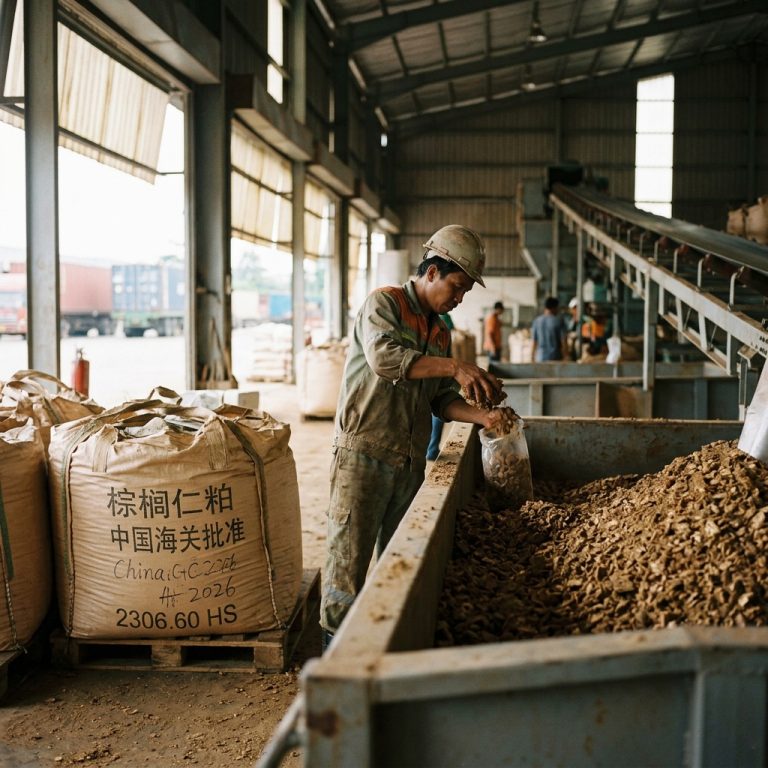
Palm kernel oil is an oil extracted from the seed, or kernel, of the oil palm fruit. After the fleshy outer part of the fruit (the mesocarp) is processed to produce palm oil, the hard inner nut is cracked open to reveal a 棕榈仁. This kernel is then crushed, and the oil within is extracted. The remaining solids are processed into 棕榈仁压榨机, a valuable animal feed, while the tough outer casings become 棕榈仁壳, used as biofuel.
Its chemical composition is markedly different from palm oil. It is high in saturated fats, particularly the medium-chain triglyceride (MCT) lauric acid, which makes up about 48% of its content. This high saturated fat content makes it solid at room temperature and gives it a long shelf life. Its properties make it an incredibly stable ingredient for manufacturing.

Palm Kernel Oil vs. Palm Oil: Understanding the Key Differences
Though they come from the same fruit, palm kernel oil and palm oil are not the same. Confusing the two is a common mistake, but they differ significantly in their sourcing, composition, and application.
- 来源: 粗棕榈油 is extracted from the fleshy pulp of the fruit, while 棕榈仁油 is extracted from the inner seed.
- Fatty Acid Profile: Palm oil is rich in palmitic acid and oleic acid. In contrast, PKO is lauded for its high concentration of lauric acid, giving it properties more similar to coconut oil.
- Color and Consistency: Crude palm oil is naturally reddish-orange due to a high carotenoid content. Palm kernel oil is yellowish-brown or clear and is solid and buttery at room temperature.
- 用途: The differing compositions lead to different uses. The high smoke point of palm oil makes it a popular cooking oil, whereas the sharp melting point of PKO makes it ideal for coatings on ice cream and in confectionery.
The Ultimate 5 Uses and Benefits of Palm Kernel Oil
The unique characteristics of this vegetable oil lend it to a wide range of applications across multiple industries. Here are five of its primary uses and associated benefits.
1. A Superior Ingredient in Soaps and Cosmetics
Thanks to its high lauric acid content, 棕榈仁油 saponifies well, meaning it reacts with lye to create high-quality soap. It helps produce a hard, stable bar of soap that cleanses effectively and lathers beautifully. In cosmetics, it acts as a moisturizing and texturizing agent in lotions, creams, and balms.
2. Versatility in the Food Industry
PKO is a workhorse in the food sector. Its high melting point and solid fat content make it a perfect ingredient for creating smooth coatings for candy, crispy wafers, and creamy fillings. It is also a key component in many margarines and shortenings, contributing to texture and shelf stability.

3. Lauric Acid and Potential Health Aspects of Palm Kernel Oil
The lauric acid in 棕榈仁油 is a medium-chain fatty acid that the body can metabolize efficiently for energy. Some research suggests that lauric acid has antimicrobial properties. The oil is also a source of Vitamin E, particularly tocotrienols, which are antioxidants that help protect cells from damage.
4. Industrial Applications (Oleochemicals)
Beyond food and cosmetics, it is a crucial feedstock for the oleochemical industry. It is used to produce fatty acids, fatty alcohols, and glycerol, which are then used to manufacture a wide range of products, including detergents, surfactants, plastics, and lubricants. The versatility of this ingredient is remarkable.
5. Benefits for Hair and Skin Care
In its raw form, particularly in West African traditional medicine, it is used directly on the skin as a moisturizer and on the hair as a conditioner. It is believed to help combat dryness, reduce hair breakage, and leave skin feeling soft and supple.
The Sustainability Debate Around Palm Kernel Oil Production
No discussion of palm-derived products is complete without addressing sustainability. The cultivation of oil palms has been linked to deforestation, loss of biodiversity, and social conflicts in regions like Southeast Asia. Because 棕榈仁油 is a co-product of palm oil, it is directly tied to these same environmental and ethical concerns.
To combat these issues, certification bodies have emerged. The most prominent is the 可持续棕榈油圆桌会议(RSPO), which sets criteria for producing oil more sustainably. When purchasing products containing any palm derivative, look for the RSPO certification to support responsible sourcing. This commitment is an important part of the collective journey towards sustainable ingredient sourcing.
How to Choose and Store Palm Kernel Oil
When buying 棕榈仁油, especially for direct use in cooking or skincare, look for unrefined or cold-pressed versions if possible, as they retain more nutrients. Most importantly, check the packaging for sustainability certifications to ensure you are not contributing to negative environmental impacts.
Due to its high saturated fat content, the oil is very stable. Store it in a cool, dark place away from direct sunlight, and it will maintain its quality for a long time. It does not require refrigeration.
您值得信赖的高品质棕榈产品供应商
正在寻找高品质的棕榈产品?
Makmur Amanah Sejahtera 提供高品质的棕榈产品,例如棕榈仁压榨料、棕榈仁壳、原棕榈油、棕榈仁油等。请通过 WhatsApp +6282140002198 或发送电子邮件至 admin@makmuramanah.co.id 与我们联系。.
Conclusion: The Versatile Role of Palm Kernel Oil
From the kitchen pantry to the bathroom cabinet, 棕榈仁油 is a ubiquitous and highly functional ingredient. Its distinct composition makes it uniquely suited for a wide range of industrial, cosmetic, and culinary applications. While its production poses significant sustainability challenges, industry-wide efforts and consumer awareness can drive the market toward more responsible and ethical practices. By understanding what it is and where it comes from, you can better navigate the products you use every day.
 Chinese
  English
  Indonesian
  Arabic