
Navigating the global commodities market can be complex, especially with a product as widespread as palm oil. You find it in food, cosmetics, and even fuel, but many don’t realize it exists in different forms. This raises a critical question: what is the difference between crude palm oil and palm oil? While they share the same origin, the path from tropical fruit to pantry staple involves significant transformations that alter the oil’s characteristics and applications. This guide will explore these distinctions in detail.
内容
What Exactly is Crude Palm Oil (CPO)?
粗棕榈油, or CPO, is the raw, unrefined oil extracted directly from the mesocarp (the reddish pulp) of fruit from the 油棕果串. Think of it as the “first press”—the most natural state of the oil after being separated from the fruit. This extraction is done by mechanically pressing the fruit at a mill. After pressing, the valuable 棕榈仁 is separated for further processing.
The most striking feature of CPO is its deep reddish-orange color, which comes from a high concentration of alpha- and beta-carotenes, the same antioxidants found in carrots. CPO has a distinct, strong flavor and aroma. It is the primary product from the mill and serves as the feedstock for the refining industry, making it the starting point for understanding the differences between crude and refined palm oil.
What is Refined, Bleached, and Deodorized (RBD) Palm Oil?
When most people refer to “palm oil” as a food ingredient, they mean Refined, Bleached, and Deodorized (RBD) Palm Oil. This version has undergone extensive processing to make it suitable for a vast array of industrial applications, especially in food manufacturing.
The refining process strips the crude oil of its vibrant color, strong flavor, and distinct odor. The result is a bland, odorless, and pale-yellow oil. While this neutrality makes it incredibly versatile, the process also removes most of the beneficial carotenoids and other phytonutrients present in its crude form.

Key Distinctions: Crude Palm Oil vs. Refined Palm Oil
To truly grasp the topic, a direct comparison is essential. The primary distinction between crude and refined palm oil can be broken down into four key areas: processing, nutrition, physical characteristics, and applications.
Processing and Extraction
Crude Palm Oil: The process is purely mechanical. Fresh fruit bunches are sterilized, and the palm fruits are pressed to extract the oil. The resulting liquid is clarified to produce pure CPO.
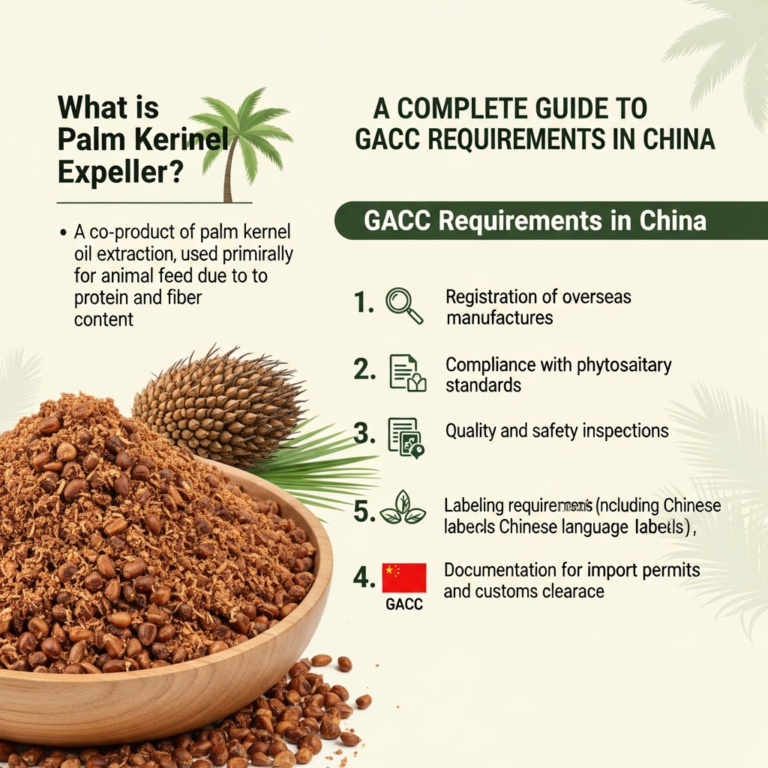
Refined Palm Oil: CPO is the raw material for a three-stage process (RBD). First is refining to remove free fatty acids. Second is bleaching, where the oil is filtered to remove the red carotenes. Finally, deodorization uses steam to remove odors and flavors. This industrial process also yields valuable co-products. The hard seed covering becomes 棕榈仁壳, a clean biomass fuel. The kernel itself is crushed to produce 棕榈仁油, and the leftover residue is a high-protein animal feed known as 棕榈仁压榨机.
Nutritional Profile: A Tale of Two Oils
The nutritional profile is a major point of difference between crude palm oil and palm oil. CPO is a powerhouse of nutrients, ranking as one of the richest natural sources of Vitamin E tocotrienols and carotenoids (a precursor to Vitamin A). These compounds are potent antioxidants.
Conversely, the RBD process destroys nearly all these valuable micronutrients. While refined palm oil still contains fatty acids and some Vitamin E, it lacks the rich antioxidant profile of its crude predecessor. A study from the 美国国家生物技术信息中心(NCBI) details how refining impacts the phytonutrient composition of palm oil.
Appearance, Flavor, and Odor
The sensory profiles are worlds apart:
- Crude Palm Oil: Deep red-orange color, strong and distinctive smell, and a unique flavor used in traditional West African and Southeast Asian cuisines.
- Refined Palm Oil: Light yellow or white, completely odorless, and tasteless. This neutrality is its main commercial advantage.
常见用途和应用
Crude Palm Oil: Its primary use is as a raw material for refineries to produce RBD palm oil and its fractions. It is also used directly in cooking in some cultures and is increasingly explored for red palm oil supplements.
Refined Palm Oil: Its applications are vast. According to the 世界自然基金会(WWF), it’s in close to 50% of packaged supermarket products. It is used for frying due to its high smoke point and in baked goods, confectionery, margarine, soap, and even biofuel.
Health Implications: Which is Better?
From a purely nutritional standpoint, crude palm oil is superior due to its high antioxidant content. However, its strong flavor limits its culinary use, and it is not widely available to consumers. Refined palm oil, while lacking these micronutrients, is a stable and versatile cooking oil.
The health debate on refined palm oil often focuses on its high saturated fat content (around 50%). As the 哈佛大学陈曾熙公共卫生学院 notes, the overall dietary pattern is more important than any single oil, making the discussion complex and ongoing.

Environmental and Sourcing Considerations
It’s crucial to note that environmental concerns like deforestation and habitat loss are linked to the cultivation of oil palms, not the refining process. These issues apply whether the end product is crude or refined.
When choosing products, look for sustainability certifications. Organizations like the 可持续棕榈油圆桌会议(RSPO) work to certify palm oil that is produced without causing environmental harm, ensuring responsible sourcing practices.
Conclusion: Why the Distinction Matters
总之,关键 difference between crude palm oil and palm oil lies in the processing. CPO is a raw, nutrient-rich red oil, while refined palm oil is a neutral, highly versatile industrial ingredient designed for mass-market production. Understanding this distinction empowers you to ask deeper questions about your food’s ingredients, their nutritional value, and their journey from farm to table.
正在寻找高品质的棕榈产品?
Makmur Amanah Sejahtera 提供高品质的棕榈产品,例如棕榈仁压榨料、棕榈仁壳、原棕榈油、棕榈仁油等。请通过 WhatsApp +6282140002198 或发送电子邮件至 admin@makmuramanah.co.id 与我们联系。.

 Chinese
  English
  Indonesian
  Arabic