
目录
- What Is an Empty Palm Fruit Bunch (EPFB)?Top 7 Industrial Uses for an Empty Palm Fruit Bunch
- 1. Biofuel and Energy Generation2. Pulp and Paper Production3. Compost and Soil Conditioner4. 蘑菇栽培培养基5. Production of Bio-Based Chemicals6. Fiberboard and Composite Materials7. Biochar and Carbon Sequestration
The global palm oil industry, known for producing essentials like 粗棕榈油 和 棕榈仁油, is a titan of agriculture. However, it also produces a massive amount of biomass. For years, the question has been what to do with it all. The answer lies in transforming waste into a valuable resource, and a key player in this transformation is the 空棕榈果串 (EPFB). This byproduct is no longer just waste; it’s a powerhouse of potential for sustainable industrial applications.
This guide explores the top 7 industrial uses for EPFB, showcasing how this humble agricultural residue is driving innovation in green technology and contributing to a circular economy. From creating energy to building materials, the applications are as diverse as they are impactful.
What Is an Empty Palm Fruit Bunch (EPFB)?
An Empty Palm Fruit Bunch is the fibrous residue left after the fruitlets are removed from the fresh 油棕果串. Once the valuable fruitlets—which contain the 棕榈仁 for oil extraction—are processed, this large stalk is what remains. This lignocellulosic material makes up a significant portion of the total biomass generated by palm oil mills.
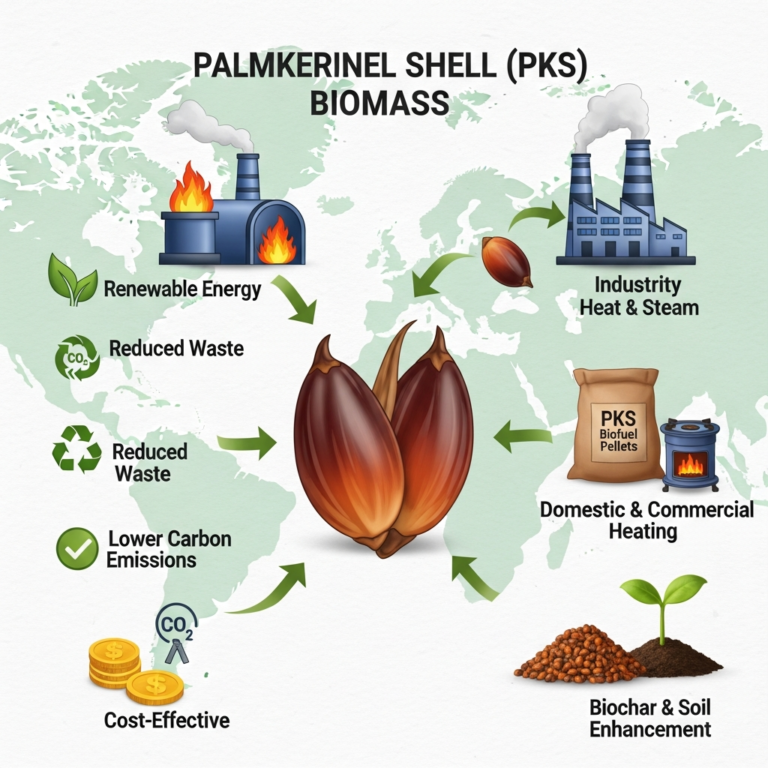
Unlike other valuable byproducts such as the dense 棕榈仁壳 used for biomass energy, or the protein-rich 棕榈仁压榨机 used for animal feed, the EPFB is primarily composed of lignocellulosic fiber, giving it a unique set of applications. Historically, this biomass was often incinerated or left to decompose, posing environmental challenges. Today, its rich composition of cellulose, hemicellulose, and lignin makes it an ideal raw material for numerous industrial processes.

Top 7 Industrial Uses for an Empty Palm Fruit Bunch
Modern technology and a growing demand for sustainable products have unlocked the hidden potential of EPFB. Here are the seven most significant ways it’s being repurposed.
1. Biofuel and Energy Generation
One of the most common applications for this fibrous residue is as a solid biofuel. Its high calorific value makes it an excellent source of renewable energy. Mills often use EPFB to fuel their own boilers, creating a closed-loop system that powers their operations and reduces reliance on fossil fuels.
Furthermore, the bunches can be processed into bio-pellets or briquettes. This densification makes the biomass easier to transport and use in co-firing power plants, where it can be mixed with coal to lower carbon emissions. This aligns with global energy goals, as detailed by organizations like the 国际可再生能源机构(IRENA).
2. Pulp and Paper Production
The long, strong fibers within an empty palm fruit bunch make it a viable alternative to wood for producing pulp and paper. This non-wood fiber source helps reduce the pressure on natural forests, combating deforestation. The process involves breaking down the biomass to extract the cellulose fibers, which are then formed into paper sheets.
This sustainable paper is suitable for various products, including writing paper, packaging materials, and cardboard. Research published in journals like 科学直接 confirms the feasibility and environmental benefits of using this byproduct in the paper industry, making it a key area of green innovation.
3. Compost and Soil Conditioner
Returning nutrients to the earth is a cornerstone of sustainable agriculture. Composting EPFB creates an organic, nutrient-rich fertilizer. When applied to plantations, this compost improves soil structure, enhances water retention, and replenishes essential minerals like potassium.
This practice not only reduces the need for chemical fertilizers but also improves the overall health and productivity of the palm crops. It’s a perfect example of a circular system where waste from the harvest is used to nurture the next generation of crops, a principle supported by global bodies like the 联合国粮食及农业组织(粮农组织).
4. 蘑菇栽培培养基
The sterilized, shredded fibers of EPFB provide an excellent substrate for growing edible mushrooms, particularly oyster mushrooms. The material is rich in the organic compounds that fungi need to thrive, making it a cost-effective and productive growing medium.

5. Production of Bio-Based Chemicals
Through a process known as biorefining, EPFB can be broken down into its core components (cellulose and lignin) to produce valuable chemicals. These include biofuels like bioethanol, sugar substitutes like xylitol, and various organic acids used in the food and pharmaceutical industries.
This advanced application turns agricultural residue into high-value products, reducing our dependence on petrochemicals. It represents the cutting edge of what this byproduct is used for, pushing the boundaries of the bio-based economy.
6. Fiberboard and Composite Materials
The robust fibers of the EPFB are a fantastic raw material for producing composite boards like Medium-Density Fiberboard (MDF) and particleboard. These boards are widely used in furniture manufacturing, construction, and interior design. Utilizing this biomass offers a sustainable alternative to traditional wood sources.
These eco-friendly panels are durable, versatile, and help sequester carbon in long-lasting products, further contributing to a greener building industry.
7. Biochar and Carbon Sequestration
Biochar is a charcoal-like substance created by heating biomass, such as EPFB, in a low-oxygen environment (pyrolysis). This process locks the carbon into a stable form that doesn’t easily decompose, effectively sequestering it from the atmosphere for centuries.
When added to soil, biochar improves fertility and enhances water retention. According to the 国际生物炭倡议, it is a powerful tool for both climate change mitigation and improving agricultural resilience.
您可持续棕榈产品的来源
正在寻找高品质的棕榈产品?
Makmur Amanah Sejahtera 提供高品质的棕榈产品,例如棕榈仁压榨料、棕榈仁壳、原棕榈油、棕榈仁油等。请通过 WhatsApp +6282140002198 或发送电子邮件至 admin@makmuramanah.co.id 与我们联系。.
The Future of EPFB in the Circular Economy
The transformation of the Empty Palm Fruit Bunch from a liability into a valuable asset is a powerful story of the circular economy. As technology advances and the demand for sustainable solutions grows, we can expect to see even more innovative uses for this versatile biomass.
By embracing these “waste-to-wealth” strategies, the palm oil industry can significantly improve its environmental footprint. This holistic approach is crucial for a balanced and responsible future. From generating clean energy and creating eco-friendly paper to enriching soil and producing green chemicals, its potential is immense. No longer just a byproduct, EPFB stands as a prime example of how innovation can turn agricultural waste into a cornerstone of the green economy.

 Chinese
  English
  Indonesian
  Arabic