
目录
- 什么是空棕榈果串(EFB)?
- Understanding the Palm Fruit Processing Cycle
- 变废为宝:EFB转型
- 空棕榈果串(EFB)的主要用途和应用
- The Remarkable Benefits of Utilizing EFB
- Challenges and the Future of Empty Palm Fruit Bunch (EFB)
- Partner with a Trusted Palm Product Supplier
- 结论:可持续发展的动力源
The palm oil industry, a titan in the global economy, produces more than just oil. For every ton of crude palm oil, a significant amount of biomass waste is generated. For years, much of this was overlooked, but today, one byproduct is emerging as a sustainable hero: the 空棕榈果串(EFB). This guide explores its journey from a discarded material to a valuable resource with diverse applications.
什么是空棕榈果串(EFB)?
An Empty Palm Fruit Bunch (EFB) is the fibrous residue left behind after the palm fruits have been stripped from the Fresh Fruit Bunch (FFB) in the palm oil milling process. It primarily consists of cellulose, hemicellulose, and lignin, making it a robust and versatile biomass material. A single bunch can weigh several kilograms, and large mills can generate thousands of tons of EFB daily.
Traditionally seen as waste, this perception has dramatically shifted. With the global push towards a circular economy and sustainability, industries are now recognizing the immense, untapped potential locked within every single Empty Palm Fruit Bunch (EFB).
Understanding the Palm Fruit Processing Cycle
To appreciate the origin of EFB, it’s helpful to understand the entire process. The 油棕果串 contains hundreds of small fruits. The outer layer of these fruits is pressed to produce 粗棕榈油. Inside each fruit is a hard shell, the 棕榈仁壳, which protects the oil-rich 棕榈仁. 然后将此内核压碎以创建 棕榈仁油, and the leftover residue becomes 棕榈仁压榨机 for animal feed. The bunch that held all these fruits is what we call the Empty Palm Fruit Bunch (EFB).

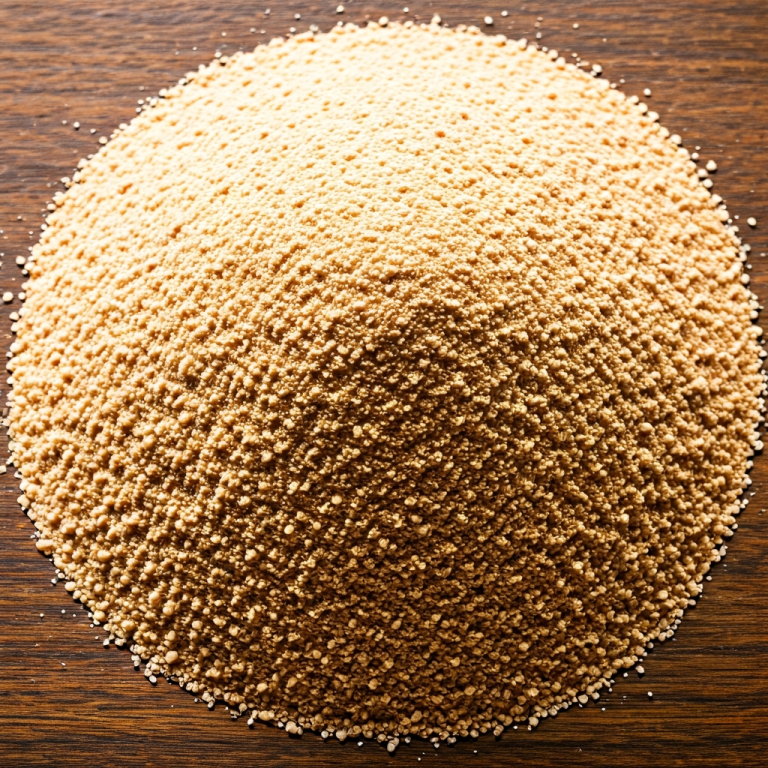
A pile of raw EFB, ready to be transformed into valuable products.
变废为宝:EFB转型
The journey of the Empty Palm Fruit Bunch (EFB) from a problematic waste product to a sought-after resource is a testament to innovation. Environmental regulations and the rising costs of fossil fuels have driven companies to find value in what they once threw away. This shift is not just about waste management; it’s about resource optimization.
Modern processing techniques can shred, dry, and compress EFB into various forms, such as fibers, pellets, and briquettes. This processing makes the Empty Palm Fruit Bunch (EFB) easier to transport, store, and utilize across a spectrum of industries, unlocking significant economic and environmental advantages.
空棕榈果串(EFB)的主要用途和应用
The versatility of EFB is its greatest strength. Its applications span from generating clean energy to enriching agricultural soil. Let’s delve into the most significant uses of this remarkable biomass.
1. 生物燃料和可再生能源
Perhaps the most prominent application for the 空棕榈果串(EFB) is in renewable energy. It serves as an excellent carbon-neutral fuel source. EFB can be processed into high-density pellets or briquettes, which burn more efficiently and cleanly than raw EFB.
These biofuels are used in industrial boilers to generate steam and electricity, reducing reliance on coal and natural gas. As detailed in a study by the 《清洁生产杂志》, co-firing EFB with coal in power plants can significantly cut down greenhouse gas emissions, offering a practical path towards decarbonization.
2. Agriculture and Composting
The rich organic content of the Empty Palm Fruit Bunch (EFB) makes it a superb material for agricultural use. When shredded, it can be used as mulch in plantations and farms. This practice helps to retain soil moisture, suppress weed growth, and prevent soil erosion.
Furthermore, EFB is a fantastic feedstock for composting. When composted, it decomposes into a dark, nutrient-rich organic fertilizer that improves soil structure, aeration, and water-holding capacity. This organic approach enhances crop yields and reduces the need for synthetic fertilizers.

EFB mulch provides essential ground cover, enriching the soil.
3. 纸浆和造纸生产
The global demand for paper and packaging is ever-increasing, putting a strain on forest resources. The fiber from the Empty Palm Fruit Bunch (EFB) presents a sustainable, non-wood alternative for the pulp and paper industry. Its long fibers are suitable for producing various paper products, from writing paper to cardboard.
根据 联合国粮食及农业组织(粮农组织), utilizing agricultural residues like EFB can help alleviate pressure on natural forests. While challenges in processing and chemical recovery exist, ongoing technological advancements are making EFB-based paper increasingly viable and eco-friendly.
4. Advanced Composite Materials
Innovation is paving the way for EFB fibers to be used in advanced composite materials. When combined with polymers, these natural fibers can create strong, lightweight bio-composites. These materials are gaining traction in the automotive industry for interior components like door panels and dashboards, as they reduce vehicle weight and improve fuel efficiency.
The furniture and construction industries are also exploring EFB for manufacturing medium-density fiberboard (MDF) and particleboard. Research published by the 英国物理学会(IOP) highlights the excellent mechanical properties of these EFB-based materials, positioning them as a green alternative to traditional wood products.
The Remarkable Benefits of Utilizing EFB
Harnessing the power of the Empty Palm Fruit Bunch (EFB) offers a win-win scenario for both the economy and the environment.
- Environmental Protection: By converting EFB from a waste product into valuable resources, we prevent it from ending up in landfills where it would decompose and release methane, a potent greenhouse gas. It also reduces the need for wood, fossil fuels, and synthetic fertilizers.
- Circular Economy Promotion: Utilizing EFB is a perfect example of a circular economy. It turns waste from one industry into a raw material for another, minimizing waste and maximizing resource efficiency. This concept is championed by institutions like the 联合国环境规划署(UNEP).
- Economic Opportunities: A thriving EFB processing industry creates new revenue streams for palm oil mills and generates employment in rural areas. It fosters innovation and creates a market for sustainable products.
Challenges and the Future of Empty Palm Fruit Bunch (EFB)
Despite its vast potential, the widespread adoption of Empty Palm Fruit Bunch (EFB) is not without its hurdles. The primary challenges include its high initial moisture content (around 60-70%), which makes transportation costly and requires energy-intensive drying processes. Developing efficient and cost-effective logistics and processing technologies is key to unlocking its full potential.
The future, however, looks incredibly bright. Ongoing research is focused on more efficient dewatering techniques and advanced conversion technologies like pyrolysis and gasification. As global demand for sustainable solutions intensifies, the role of the humble Empty Palm Fruit Bunch (EFB) is set to expand, cementing its status as a cornerstone of the bio-based economy.
Partner with a Trusted Palm Product Supplier
正在寻找高品质的棕榈产品?
Makmur Amanah Sejahtera 提供高品质的棕榈产品,例如棕榈仁压榨料、棕榈仁壳、原棕榈油、棕榈仁油等。请通过 WhatsApp +6282140002198 或发送电子邮件至 admin@makmuramanah.co.id 与我们联系。.
结论:可持续发展的动力源
The Empty Palm Fruit Bunch (EFB) is a powerful reminder that waste is merely a resource in the wrong place. What was once a disposal headache for the palm oil industry is now a valuable feedstock for energy, agriculture, and manufacturing sectors. Its journey from waste to wealth underscores the immense possibilities of the circular economy.
By embracing the full potential of the Empty Palm Fruit Bunch (EFB), we can move towards a more sustainable and resource-efficient future, proving that environmental responsibility and economic prosperity can go hand in hand.

 Chinese
  English
  Indonesian
  Arabic